Can I Take Berberine and Mounjaro Together Safely?
Introduction
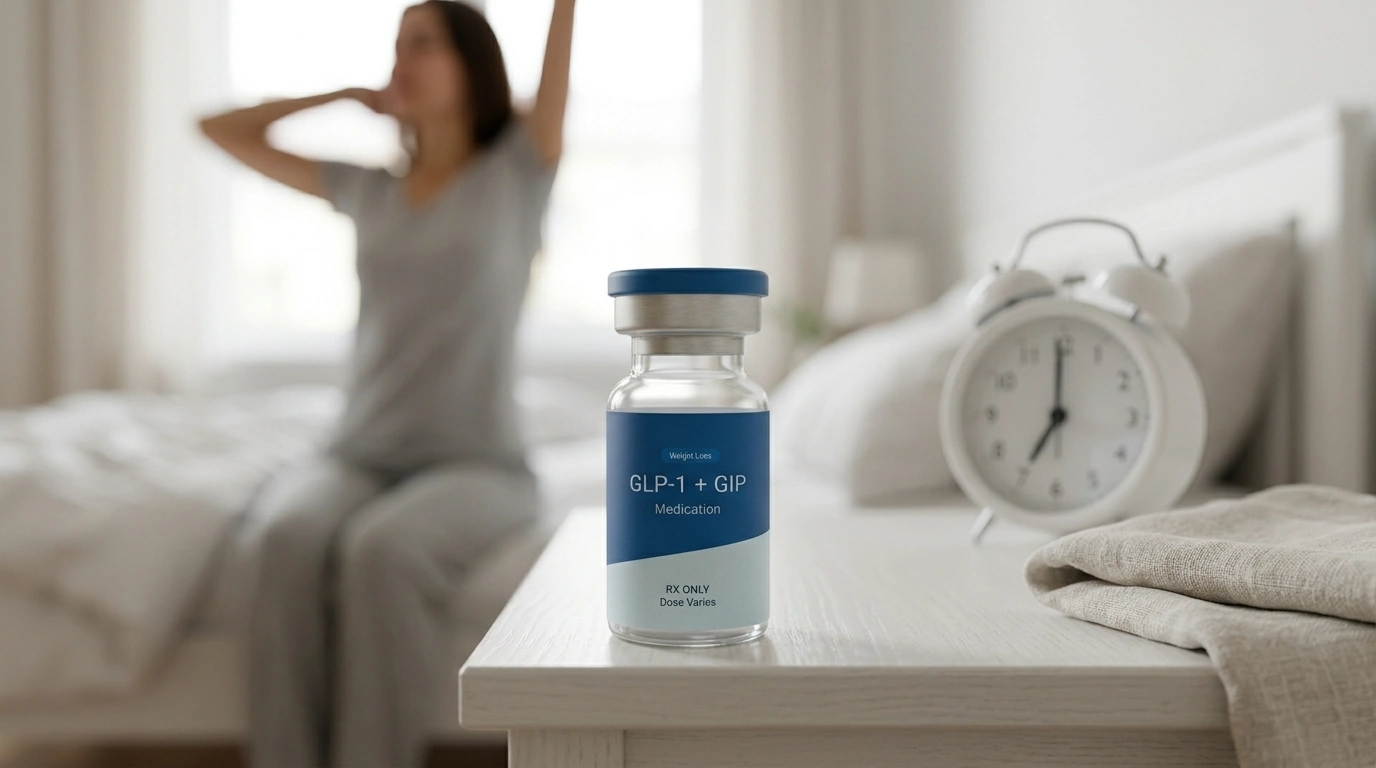
Many individuals navigating a weight loss journey often look for ways to optimize their results, sometimes wondering if a natural supplement can complement a prescription medication. If you have considered adding berberine to your routine while using Mounjaro®, you are asking a critical question about metabolic safety. At TrimRx, we believe that the most successful health transformations are built on a foundation of clinical transparency and evidence-based guidance. This article will examine the mechanisms of both berberine and GLP-1 + GIP medications, the potential risks of combining them, and why medical supervision is non-negotiable when mixing supplements with prescriptions. While both tools aim to support metabolic health, taking them together can lead to unpredictable changes in blood sugar and digestive comfort that require a licensed provider’s oversight. If you are considering prescription support, you can complete a free eligibility assessment before making changes to your current routine.
Understanding Berberine and Metabolic Health
Berberine is a bioactive compound extracted from several different plants, including barberry, goldenseal, and Oregon grape. It has been used for centuries in traditional wellness practices but has recently gained mainstream attention in the United States. It is often discussed in online communities as a natural tool for supporting blood sugar levels and improving how the body processes energy.
The primary way berberine works is by activating an enzyme called adenosine monophosphate-activated protein kinase (AMPK). You can think of AMPK as a master metabolic switch inside your cells. When this switch is turned on, it helps the body use stored fat for energy, improves insulin sensitivity, and reduces the amount of glucose (sugar) produced by the liver. Because of these effects, some people have nicknamed it “nature’s Ozempic®,” though this comparison is somewhat misleading as the biological pathways are quite different.
It is important to remember that berberine is a dietary supplement, not a prescription medication. While it is biologically active and can have a measurable impact on your metabolism, it does not undergo the same rigorous FDA approval process as prescription drugs. This means that the purity, concentration, and quality of berberine can vary significantly between different brands and products found on store shelves. For more background on how GLP-1 medications work, read this overview of GLP-1 injections for weight management.
How Mounjaro Works as a Dual Agonist
Mounjaro® is a prescription medication known as tirzepatide, which belongs to a class of drugs that target two specific hormone receptors. These are the glucagon-like peptide-1 (GLP-1) and glucose-dependent insulinotropic polypeptide (GIP) receptors. By mimicking these natural hormones, the medication helps regulate appetite, slow down how quickly your stomach empties, and improve the body’s insulin response to food.
The GLP-1 + GIP combination is what makes this medication unique compared to older options. The GLP-1 component primarily focuses on reducing hunger signals in the brain and slowing digestion, while the GIP component is thought to improve how the body breaks down sugar and fats. When these two pathways work together, they provide powerful support for weight management and blood sugar control.
At TrimRx, our personalized programs often involve GLP-1 + GIP medications because of their effectiveness in long-term weight management. These programs are medically supervised to ensure that the dosage is appropriate for your specific health profile. Because these medications are so potent on their own, adding other substances that affect the same metabolic systems requires extreme caution. If you want to discuss whether a GLP-1 or GLP-1 + GIP program may be appropriate, you can start the assessment process.
The Potential Risks of Combining Berberine and Mounjaro
The most significant concern with taking berberine and Mounjaro® together is the risk of hypoglycemia, or dangerously low blood sugar. Both substances are designed to lower blood glucose. When you combine them, their effects can stack, potentially pushing your blood sugar levels lower than intended. This is especially true for individuals who may also be taking other medications for type 2 diabetes, such as insulin.
Symptoms of hypoglycemia can range from mild to severe and include:
- Dizziness or lightheadedness
- Shakiness and tremors
- Sudden sweating or chills
- Confusion or difficulty concentrating
- Rapid or irregular heartbeat
- Intense hunger or nausea
Another major consideration is the impact on your digestive system. Both berberine and GLP-1 + GIP medications are known to cause gastrointestinal side effects. Mounjaro® slows down gastric emptying, which means food stays in your stomach longer. Berberine can also affect gut motility and the microbiome. Taking them together may intensify side effects like nausea, bloating, cramping, and diarrhea, making it much harder for your body to tolerate the treatment. This guide to common GLP-1 side effects covers digestive symptoms that may occur during treatment.
Note: If you experience any signs of low blood sugar while using metabolic medications or supplements, you should seek medical attention immediately.
Why “Natural” Does Not Always Mean Safe
There is a common misconception that because a supplement is plant-derived, it is inherently safer than a prescription drug. In reality, berberine is a powerful alkaloid that acts very much like a drug once it enters your system. It can interfere with liver enzymes that are responsible for breaking down many other medications, which can lead to those medications building up in your bloodstream to unsafe levels.
While there are no large-scale clinical trials specifically studying the interaction between berberine and tirzepatide, the physiological overlap is clear. Both tools are pulling on the same metabolic levers. Without a licensed provider monitoring your blood work and symptoms, you are essentially experimenting with your own internal chemistry. This is why we emphasize the importance of a professional medical assessment before starting any new supplement.
The lack of standardization in the supplement industry adds another layer of risk. A bottle of berberine might contain more or less of the active ingredient than what is listed on the label. When you are also taking a precisely dosed prescription medication, this variability makes it impossible to predict how your body will react on any given day. You can also review this discussion of GLP-1 drug interactions before speaking with a licensed provider.
The Role of Personalized Medical Supervision
At TrimRx, we believe that the safest way to manage weight is through a program that looks at the whole person. This means considering all the supplements and over-the-counter products you might be taking. Our platform connects you with licensed providers who can evaluate your health history and determine if a GLP-1 + GIP medication is appropriate for you.
A personalized program ensures that you are not just taking a medication, but following a plan tailored to your needs. If you are already taking berberine, your provider might recommend pausing it before starting a prescription to see how your body responds to the medication alone. This “clean baseline” allows you and your care team to identify exactly which tool is causing specific side effects or results.
Telehealth provides a convenient way to have these detailed conversations with specialists. You don’t have to wait in a doctor’s office to get answers about your supplements. You can discuss your goals and concerns from the comfort of your home, ensuring that every step of your journey is backed by professional expertise. If you are ready to share your health history for review, take the free assessment quiz.
Preparing for Your Consultation
Before you speak with a licensed healthcare provider about combining supplements and medications, it is helpful to be prepared. This ensures you get the most accurate advice for your situation.
- List all supplements: Write down the brand, dosage, and frequency of every supplement you take, including berberine.
- Track your symptoms: If you are already on a GLP-1 + GIP medication, note any digestive issues or energy fluctuations.
- Know your history: Be ready to discuss any history of low blood sugar, liver issues, or kidney concerns.
- Ask about timing: If a provider approves both, ask if they should be taken at different times of the day to reduce stomach upset.
Key Takeaway: Never start or stop a prescription medication or a potent supplement like berberine without first consulting a licensed healthcare professional to discuss potential interactions.
Managing Digestive Side Effects
Since both berberine and GLP-1 + GIP medications affect the gut, managing your digestive health is a top priority. Many people find that side effects are most prominent during the first few weeks of treatment or when a dosage is increased. Adding berberine during this sensitive titration period can make it difficult to determine which substance is causing discomfort.
To support your digestive system, we recommend focusing on hydration and gentle nutrition. Drinking plenty of water is essential, as medications that slow digestion can sometimes lead to dehydration. Eating smaller, more frequent meals can also help your stomach process food more easily, reducing the feeling of intense fullness or nausea that can occur when metabolic tools are combined. For additional guidance, review these practical strategies for managing GLP-1 digestive side effects.
If you find that your digestive side effects are becoming unmanageable, it is a sign to contact your provider. They may suggest adjusting your dose or stopping the supplement to give your body a chance to stabilize. The goal of any weight management program should be sustainable progress, not pushing through significant physical distress.
Berberine as a Transition Tool
While taking berberine and Mounjaro® together is often discouraged, there may be a role for berberine after you have completed your prescription program. Some individuals use berberine as a “maintenance” tool after they have reached their weight goals and are tapering off prescription medications. This is because berberine may help support insulin sensitivity as your body adjusts to the absence of the GLP-1 + GIP hormones.
However, this transition should also be managed by a professional. Your body needs time to clear the prescription medication before you introduce a new metabolic agent. Tirzepatide can stay in your system for several weeks after your last dose. Starting berberine too soon could still lead to the additive effects and risks mentioned earlier.
We advocate for a long-term view of metabolic health. This involves more than just a single medication or supplement. It includes sustainable lifestyle changes, nutritional support, and a dedicated team of specialists to guide you through every phase of your journey, from the initial weight loss to long-term maintenance.
Factors That Influence Your Eligibility
Not everyone is a candidate for GLP-1 + GIP medications, and your current supplement use is a factor in that determination. When you take our free assessment quiz, you provide vital information that a licensed provider uses to evaluate your safety. If you are taking high doses of berberine, it is something your provider needs to know to prevent adverse reactions.
Eligibility also depends on your Body Mass Index (BMI) and any underlying health conditions. For example, individuals with a history of certain thyroid conditions or pancreatitis may be advised against using these medications. By being transparent about your supplement use, you allow us to help you find the safest and most effective path forward.
The TrimRx program is designed to be inclusive and transparent. We provide access to compounded medications shipped from FDA-registered, inspected pharmacies, ensuring you receive high-quality care without the need for in-person visits. This modern approach to weight loss prioritizes your safety and convenience. For more context, read this overview of compounded GLP-1 safety considerations.
Steps to Starting Your Journey Safely
If you are ready to explore a medically supervised weight loss program, follow these steps to ensure you are doing so safely.
Step 1: Complete the free assessment.
Answer questions about your health history, current medications, supplements like berberine, and your weight loss goals.
Step 2: Connect with a licensed provider.
A provider will review your information to determine if you are eligible for a personalized GLP-1 or GLP-1 + GIP program.
Step 3: Receive your treatment plan.
If approved, your medication will be prescribed and shipped directly to your door from a licensed pharmacy, with all supplies included.
Step 4: Maintain ongoing support.
Access our team of specialists whenever you have questions about side effects, nutrition, or how to manage your routine.
Bottom line: While berberine and Mounjaro® both target metabolic health, their combined use can lead to serious risks like hypoglycemia and should only be considered under strict medical supervision.
Comparing Metabolic Mechanisms
It can be helpful to visualize how these two substances differ in their approach to your metabolism. While the end goal of weight management and blood sugar control is the same, the biological “instructions” they give your body are distinct.
| Feature | Berberine (Supplement) | Mounjaro® (Prescription) |
|---|---|---|
| Primary Target | AMPK Enzyme (Cellular energy) | GLP-1 & GIP Receptors (Hormonal) |
| How it’s taken | Oral capsule or liquid | Once-weekly injection |
| Main Action | Improves insulin sensitivity | Reduces appetite & slows digestion |
| Regulation | Marketed as a supplement | FDA-approved prescription |
| Weight Loss Evidence | Modest (typically 3-5 lbs) | Significant (up to 20%+ in trials) |
| Hypoglycemia Risk | Low when used alone | Moderate to High when combined |
As the table shows, the prescription medication is significantly more potent and has a much stronger evidence base for weight loss. This is why we prioritize these clinical tools in our programs. Berberine may have its place in a wellness routine, but it cannot match the hormonal signaling power of a dual-receptor agonist.
Quality and Safety in Compounded Medications
When discussing medications like semaglutide or tirzepatide, you may hear about “compounded” versions. It is important to understand what this means. Compounded medications are prepared by licensed pharmacists to meet the specific needs of a patient. These are often used when branded medications are in short supply or when a specific dosage is required.
We ensure that all compounded medications come from FDA-registered and inspected compounding pharmacies. While these compounded versions are not themselves “FDA-approved” (as only the branded versions undergo that specific process), they are prepared using high-quality ingredients and strict safety standards. This provides a reliable and accessible option for our members.
The same cannot always be said for the supplement industry. Because supplements like berberine are not held to the same manufacturing standards, you may not always be getting what you pay for. Choosing a medically supervised program means you are getting a verified medication and a team that stands behind its quality.
The TrimRx Approach to Sustainable Success
Our mission is to help you embrace a healthier lifestyle through science and empathy. We understand that weight loss is not just about a number on a scale; it’s about how you feel and your overall metabolic health. By merging clinical expertise with modern technology, we provide a platform where you can get the support you need without the frustration of traditional weight loss methods.
Our personalized programs are built to be transparent. We don’t believe in hidden fees or complicated pricing structures. Whether you are using a GLP-1 medication or a dual-action GLP-1 + GIP medication, the focus remains on your results and your safety. This includes providing you with the knowledge to make smart decisions about supplements like berberine.
We are your partners in this process. From the moment you take our quiz to your ongoing consultations, we are here to provide the guidance you need. We want you to feel empowered and equipped to take the next step in your journey, knowing that you have a dedicated team supporting you 24/7.
Bottom line: The most effective weight loss results come from a consistent, medically supervised plan that prioritizes safety over “quick fix” supplement stacking.
Conclusion
Taking berberine and Mounjaro® together is a decision that should never be made alone. While the desire to enhance your metabolic health is understandable, the risks of hypoglycemia and severe digestive distress are real. By focusing on a personalized, medically supervised program, you can achieve sustainable weight loss without the guesswork of combining unstudied supplements with powerful prescriptions. We are here to help you navigate these choices with empathy and expertise.
- Prioritize Safety: Always disclose your supplement use to your healthcare provider.
- Understand the Risks: Be aware of the signs of low blood sugar and digestive stacking.
- Trust the Process: Allow your prescription medication to work as intended before adding supplements.
- Get Professional Guidance: Use telehealth to access specialists who can tailor a plan to your health profile.
“True metabolic health isn’t about how many tools you can use at once, but about using the right tools safely and effectively under the guidance of experts who care about your long-term success.”
If you are ready to see if a personalized weight loss program is right for you, complete the free assessment quiz and start your journey with the support you deserve.
FAQ
Can I take berberine if I am already losing weight on a GLP-1 medication?
If your current medication is working effectively, adding berberine may provide little extra benefit while significantly increasing your risk of side effects. It is generally best to stick to the plan your provider has created and discuss any changes with them before adding supplements.
How long should I wait to start berberine after stopping a prescription weight loss medication?
You should wait until the medication has completely cleared your system, which can take four to five weeks after your last dose. Always consult your healthcare provider before transitioning to a supplement like berberine to ensure your blood sugar remains stable.
Does berberine affect the absorption of my weight loss medication?
Because both berberine and GLP-1 + GIP medications can affect how your gut functions, there is a theoretical risk that they could interfere with each other’s absorption. However, since the medication is typically an injection and berberine is oral, the bigger concern is the combined effect on your blood sugar and digestion.
Are there any supplements that are safe to take with Mounjaro®?
Many common vitamins like Vitamin D, Magnesium, and B-complex are generally considered safe, but even these should be reviewed by your provider. Supplements that specifically target blood sugar, like berberine, chromium, or alpha-lipoic acid, carry the highest risk for interactions.
TrimRX does not practice medicine or prescribe medications. Compounded medications are not FDA-approved and are not evaluated by the FDA for safety or efficacy. Results vary by individual and are not guaranteed.
Disclaimer: This content is for informational purposes only and does not constitute medical advice. It is not intended to diagnose, treat, cure, or prevent any disease or condition. Individual results may vary. Always consult a qualified healthcare professional before starting any weight loss program or medication.

Transforming Lives, One Step at a Time
Keep reading
When You and Your Spouse Are Both on Mounjaro
It is increasingly common for both people in a couple to be on the same medication. Sometimes one partner starts and the other follows…
Black Friday Shopping on Mounjaro
For a lot of families, Black Friday is a tradition: lining up before dawn, racing through stores with a list, and shopping until the…

Mounjaro Alternatives: What Else to Consider
If Mounjaro isn’t the right fit, the closest alternatives are other GLP-1 medications, chiefly semaglutide (Ozempic for diabetes, Wegovy for weight), along with a…


