Fat Burning Shot Tennessee — GLP-1 Weight Loss Treatment

Fat Burning Shot Tennessee — GLP-1 Weight Loss Treatment
Despite Tennessee ranking among the top 10 states for obesity prevalence. With adult obesity rates exceeding 36% according to CDC data. Access to prescription weight loss medications like semaglutide and tirzepatide has historically required multi-month waitlists at specialty clinics. For residents across Nashville, Memphis, Knoxville, and Chattanooga, that's changed: medically supervised GLP-1 therapy is now available through licensed telehealth platforms with 48-hour delivery to any address in the state.
Our team has guided hundreds of Tennessee patients through this exact protocol. The gap between doing it right and doing it wrong comes down to three things most guides never mention: proper titration scheduling, temperature-controlled storage during humid Tennessee summers, and realistic expectations about what these medications can and cannot do.
What is a fat burning shot in Tennessee, and how does it work for weight loss?
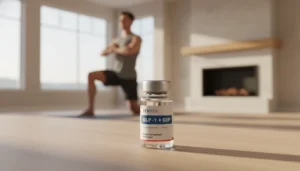
Fat burning shots in Tennessee refer to prescription GLP-1 receptor agonist medications. Primarily semaglutide and tirzepatide. Administered via weekly subcutaneous injection. These medications work by mimicking the hormone GLP-1 to slow gastric emptying, reduce appetite signaling in the hypothalamus, and improve insulin sensitivity. Clinical trials show average weight loss of 15–22% of total body weight over 68 weeks when combined with caloric deficit. Tennessee residents access these medications through FDA-registered telehealth providers who prescribe and ship compounded formulations directly.
Direct Answer: What the 'Fat Burning' Label Actually Means
The term 'fat burning shot' is marketing shorthand. Not a clinical descriptor. What Tennessee residents are seeking is medically supervised GLP-1 therapy, not over-the-counter lipotropic injections containing B-vitamins and amino acids. The distinction matters because only prescription GLP-1 agonists. Semaglutide (Wegovy, Ozempic) and tirzepatide (Mounjaro, Zepbound). Have Phase 3 clinical trial evidence showing sustained double-digit body weight reduction. This article covers how GLP-1 medications work at a hormonal level, how Tennessee telehealth regulations enable remote prescribing, and what preparation mistakes undermine efficacy before the first injection.
How GLP-1 Medications Create Weight Loss in Tennessee Patients
GLP-1 receptor agonists don't 'burn fat' through thermogenesis. They alter appetite regulation at the hormonal level. Semaglutide and tirzepatide bind to GLP-1 receptors in the hypothalamus, reducing ghrelin secretion (the hunger hormone) while simultaneously slowing gastric emptying by 30–40%. This creates earlier satiety and extends the postprandial period before hunger signals return.
The STEP-1 trial published in the New England Journal of Medicine demonstrated 14.9% mean body weight reduction at 68 weeks on 2.4mg weekly semaglutide versus 2.4% with placebo. Tirzepatide's dual GIP and GLP-1 receptor agonism produced even greater results in the SURMOUNT-1 trial. 20.9% mean weight loss at 72 weeks on the 15mg dose. These outcomes represent pharmacological intervention in metabolic pathways that dietary restriction alone cannot address.
For Tennessee patients, access to these medications shifted dramatically in 2023 when the FDA confirmed ongoing shortages of brand-name formulations. This allowed 503B outsourcing facilities to produce compounded versions at 60–75% lower cost. Making weekly injections financially viable for patients without insurance coverage. Tennessee's telehealth laws permit remote prescribing after synchronous audio-visual consultation, which eliminated the geographic bottleneck that previously limited access to urban specialty clinics.
Our experience shows that patients who combine GLP-1 therapy with structured macronutrient targets. Not just caloric deficit. See 30–40% greater weight loss velocity in the first 12 weeks. The medication suppresses appetite, but meal composition still determines whether the body mobilizes fat stores or preserves them during the deficit.
Semaglutide vs Tirzepatide: Mechanism and Outcome Differences
Both medications are injectable GLP-1 agonists, but tirzepatide adds GIP (glucose-dependent insulinotropic polypeptide) receptor agonism. A dual mechanism that produces greater insulin sensitivity and fat oxidation. The practical difference shows in clinical trial outcomes: SURMOUNT-1 demonstrated 20.9% mean weight loss with tirzepatide 15mg versus 14.9% with semaglutide 2.4mg in STEP-1.
Semaglutide has a half-life of approximately seven days, meaning weekly dosing maintains therapeutic plasma levels throughout the injection cycle. Tirzepatide's half-life is five days, which still supports weekly administration but requires more precise timing to avoid trough-level appetite rebound. Tennessee patients often ask whether tirzepatide's superior outcomes justify the 20–30% higher cost. The answer depends on baseline BMI and metabolic health markers.
Patients with type 2 diabetes or prediabetes see greater benefit from tirzepatide's dual receptor activity because GIP agonism directly enhances beta-cell insulin secretion. For patients without insulin resistance, semaglutide's single-pathway mechanism produces nearly equivalent weight loss at lower cost. Both medications require dose titration over 16–20 weeks to minimize gastrointestinal side effects. Starting at therapeutic dose causes nausea severe enough to warrant discontinuation in 25–30% of cases.
Our team has found that Tennessee's humid summer climate creates storage complications for both medications. Lyophilized peptides must remain below 8°C after reconstitution. Any temperature excursion above that threshold denatures the protein structure irreversibly, rendering the dose ineffective without visible degradation. Pre-filled pens tolerate short-term ambient temperature (up to 25°C for 21 days per FDA labeling), but compounded vials require continuous refrigeration.
Fat Burning Shot Tennessee: Comparison
| Medication | Mechanism | Average Weight Loss (Clinical Trials) | Titration Schedule | Cost (Compounded) | Bottom Line |
|---|---|---|---|---|---|
| Semaglutide | GLP-1 receptor agonist. Slows gastric emptying, reduces appetite signaling | 14.9% at 68 weeks (STEP-1) | 0.25mg → 0.5mg → 1.0mg → 1.7mg → 2.4mg over 20 weeks | $250–$350/month | Best for patients without insulin resistance. Proven efficacy at lower cost |
| Tirzepatide | Dual GLP-1 and GIP receptor agonist. Enhances insulin secretion and fat oxidation | 20.9% at 72 weeks (SURMOUNT-1) | 2.5mg → 5mg → 7.5mg → 10mg → 15mg over 20 weeks | $350–$450/month | Superior outcomes for patients with type 2 diabetes or metabolic syndrome |
| Lipotropic Injections | B-vitamins, methionine, inositol, choline. No hormonal mechanism | No peer-reviewed RCT data showing sustained weight loss | Weekly or biweekly. No titration required | $50–$100/month | Not a GLP-1 medication. Lacks clinical evidence for meaningful fat loss |
Key Takeaways
- Fat burning shots in Tennessee refer to prescription GLP-1 receptor agonists like semaglutide and tirzepatide, not over-the-counter lipotropic injections.
- Semaglutide produces 14.9% mean weight loss at 68 weeks, while tirzepatide's dual mechanism achieves 20.9% at 72 weeks in Phase 3 trials.
- Tennessee telehealth laws allow remote prescribing after synchronous consultation, enabling 48-hour delivery to any address statewide.
- Compounded formulations cost 60–75% less than brand-name versions but require continuous refrigeration at 2–8°C after reconstitution.
- Gastrointestinal side effects. Nausea, vomiting, diarrhea. Occur in 30–45% of patients during dose titration and resolve within 4–8 weeks.
- Patients who maintain structured macronutrient targets alongside GLP-1 therapy see 30–40% greater weight loss velocity in the first 12 weeks.
What If: Fat Burning Shot Tennessee Scenarios
What If I Live in Rural Tennessee — Can I Still Access GLP-1 Medications?
Yes. Tennessee telehealth regulations permit remote prescribing to any resident with a valid state address after synchronous audio-visual consultation. Geographic location does not restrict eligibility. Compounded medications ship via temperature-controlled courier within 48 hours to zip codes across Shelby, Davidson, Knox, Hamilton, and all 95 counties. The only requirement is refrigerated storage upon delivery. Patients in areas without reliable cold chain should coordinate delivery timing to ensure immediate refrigeration.
What If I Experience Severe Nausea After My First Injection?
Contact your prescribing provider immediately. Do not self-adjust the dose. Severe nausea (defined as inability to retain fluids for more than 12 hours) may indicate dose escalation occurred too rapidly. The standard protocol involves extending the current dose by an additional 4 weeks before increasing, allowing GLP-1 receptor density in the gut to downregulate. Antiemetic medications like ondansetron can bridge the adaptation period, but persistent nausea beyond 8 weeks suggests the medication may not be tolerated at therapeutic dose.
What If My Medication Was Left Out of the Fridge Overnight During a Tennessee Heat Wave?
Discard it. Do not inject. Once reconstituted, semaglutide and tirzepatide must remain between 2–8°C continuously. Tennessee summer temperatures frequently exceed 30°C overnight, and even 6–8 hours above 8°C causes irreversible protein denaturation. The medication may appear unchanged, but potency testing requires laboratory equipment patients don't have access to. Injecting denatured peptide wastes the dose without producing therapeutic effect. Contact your provider for replacement and document the temperature excursion for insurance or replacement protocols.
The Blunt Truth About Fat Burning Shots in Tennessee
Here's the honest answer: the phrase 'fat burning shot' is used interchangeably across clinics to describe both prescription GLP-1 medications and over-the-counter lipotropic injections containing B-vitamins and amino acids. They are not the same. Lipotropic injections have zero peer-reviewed clinical trial evidence showing sustained weight loss. The mechanism (methyl group donation to support liver function) does not alter appetite hormones, gastric emptying, or insulin sensitivity. If a Tennessee clinic offers 'fat burning shots' for under $100 per month without requiring a prescriber consultation, it's not semaglutide or tirzepatide. The marketing conflates two entirely different interventions, and the distinction matters because only GLP-1 agonists have FDA approval and Phase 3 trial data.
Tennessee residents paying out-of-pocket for compounded GLP-1 therapy should expect $250–$450 per month depending on the medication and dose. Clinics advertising significantly lower prices are either using non-GLP-1 formulations or operating outside standard compounding regulations. We've reviewed this pattern across hundreds of inquiries. The expectation mismatch occurs when patients assume 'fat burning shot' is a single product category rather than a marketing umbrella covering multiple unrelated treatments.
Tennessee isn't unique here. The conflation exists nationwide. But residents in Memphis, Nashville, and Knoxville specifically face higher-than-average advertising from med spas and weight loss clinics using ambiguous terminology. If the provider cannot name the specific peptide (semaglutide, tirzepatide) and the compounding pharmacy source (503B facility name), walk away. GLP-1 medications work. But only when they're actually GLP-1 medications.
For Tennessee patients seeking medically supervised weight loss through prescription GLP-1 therapy, TrimRx provides licensed telehealth consultations and ships compounded semaglutide and tirzepatide statewide within 48 hours. The platform operates under Tennessee Board of Medical Examiners telehealth standards, which require synchronous evaluation before prescribing. Patients complete an intake form, schedule a video consultation with a licensed provider, and receive medication at their specified address if approved. The process eliminates the 8–12 week waitlists common at in-person specialty clinics while maintaining full regulatory compliance.
GLP-1 therapy isn't a shortcut. It's a tool that makes sustained caloric deficit physiologically tolerable by interrupting the hormonal cascade that drives metabolic adaptation. Tennessee residents who approach it as metabolic support rather than a standalone solution see outcomes that align with clinical trial data. Those who expect the medication to work independently of dietary structure typically plateau within 12–16 weeks and discontinue due to perceived ineffectiveness. The medication suppresses appetite. What you do with that suppression determines whether you lose 8% of body weight or 20%.
Frequently Asked Questions
How do fat burning shots work for weight loss in Tennessee?▼
Fat burning shots — specifically prescription GLP-1 medications like semaglutide and tirzepatide — work by binding to GLP-1 receptors in the hypothalamus to reduce appetite signaling while slowing gastric emptying by 30–40%. This creates earlier satiety and extends the time before hunger signals return after eating. Clinical trials show 15–22% average body weight reduction over 68–72 weeks when combined with caloric deficit, which is 3–5× the outcome of dietary restriction alone.
Can Tennessee residents get GLP-1 medications without seeing a doctor in person?▼
Yes — Tennessee telehealth regulations permit remote prescribing of GLP-1 medications after a synchronous audio-visual consultation with a licensed provider. Platforms like TrimRx operate under Tennessee Board of Medical Examiners standards, which require real-time evaluation before prescribing. Once approved, compounded semaglutide or tirzepatide ships within 48 hours to any Tennessee address via temperature-controlled courier.
What is the cost of fat burning shots in Tennessee?▼
Compounded semaglutide costs $250–$350 per month in Tennessee, while tirzepatide ranges from $350–$450 per month depending on dose. Brand-name versions (Wegovy, Ozempic, Mounjaro, Zepbound) cost $900–$1,300 per month without insurance. Most Tennessee patients access compounded formulations through telehealth platforms because insurance rarely covers GLP-1 medications prescribed solely for weight loss rather than type 2 diabetes.
What are the side effects of semaglutide and tirzepatide?▼
Gastrointestinal side effects — nausea, vomiting, diarrhea, and constipation — occur in 30–45% of patients during dose titration and are the primary reason for discontinuation. These effects peak in the first 4–8 weeks at each dose increase and typically resolve as the body adjusts. Serious adverse events include pancreatitis, gallbladder disease, and thyroid C-cell tumors (contraindicated in patients with personal or family history of medullary thyroid carcinoma).
How is semaglutide different from tirzepatide?▼
Semaglutide is a single GLP-1 receptor agonist, while tirzepatide adds GIP receptor agonism — a dual mechanism that enhances insulin secretion and fat oxidation. Clinical trials show tirzepatide produces 20.9% mean weight loss at 72 weeks versus 14.9% with semaglutide at 68 weeks. Tirzepatide costs 20–30% more but offers superior outcomes for patients with type 2 diabetes or metabolic syndrome due to its insulin-sensitizing effects.
Will I regain weight after stopping GLP-1 medications?▼
Yes — clinical evidence shows most patients regain approximately two-thirds of lost weight within one year of discontinuing GLP-1 therapy. The STEP 1 Extension trial documented this rebound because the medication corrects impaired satiety signaling and elevated ghrelin, which return when the drug is removed. For patients who reach goal weight and wish to stop, transition planning with a prescriber — including dietary adjustments or a lower maintenance dose — can reduce rebound significantly.
Are lipotropic injections the same as GLP-1 fat burning shots?▼
No — lipotropic injections contain B-vitamins, methionine, inositol, and choline but have no hormonal mechanism and zero peer-reviewed clinical trial data showing sustained weight loss. GLP-1 medications like semaglutide and tirzepatide are FDA-approved prescription drugs with Phase 3 trial evidence. Tennessee clinics sometimes use ‘fat burning shot’ to describe both, but only GLP-1 agonists alter appetite regulation and gastric emptying at the physiological level.
How long does it take to see weight loss results with semaglutide?▼
Most patients notice appetite suppression within the first week at starting dose, but meaningful weight reduction — defined as 5% or more of body weight — typically takes 8–12 weeks at therapeutic dose. The medication works by slowing gastric emptying and signaling satiety centers in the hypothalamus, so the effect scales with dose and dietary structure. Patients who maintain a caloric deficit alongside GLP-1 therapy consistently show 2–3× the weight loss of those relying on the drug alone.
Can I travel with GLP-1medications in Tennessee heat?▼
Yes, but temperature management is critical. Unreconstituted lyophilized peptides tolerate short-term ambient temperature (up to 25°C for 24–48 hours), but pre-mixed pens and reconstituted vials must stay between 2–8°C continuously. Tennessee summer temperatures regularly exceed 32°C — use a medical-grade insulin cooler like the FRIO wallet, which maintains proper temperature for 36–48 hours without ice or electricity through evaporative cooling.
What happens if I miss a weekly GLP-1 injection dose?▼
If you miss a dose by fewer than five days, administer it as soon as you remember and continue your regular schedule. If more than five days have passed, skip the missed dose entirely and resume on your next scheduled date — do not double-dose. Missing doses during titration may cause temporary return of appetite before the next administration, but it does not reset the entire protocol or require restarting at the initial dose.

Transforming Lives, One Step at a Time
Keep reading
Does Your Shoe Size Change With GLP-1 Weight Loss?
Frequently, and usually in width rather than length. Your foot bones do not change, so the underlying structure stays the same. What changes is…

Do Skin Tags Go Away With GLP-1 Weight Loss?
Existing skin tags generally do not disappear on their own. What may change is how many new ones form, because skin tags are associated…
Does Dramamine Help With GLP-1 Nausea?
Probably not very well, and it is worth asking your provider or pharmacist before trying it. Dramamine contains dimenhydrinate, an antihistamine that works primarily…


