FDA Approved Weight Loss Medications List for 2026
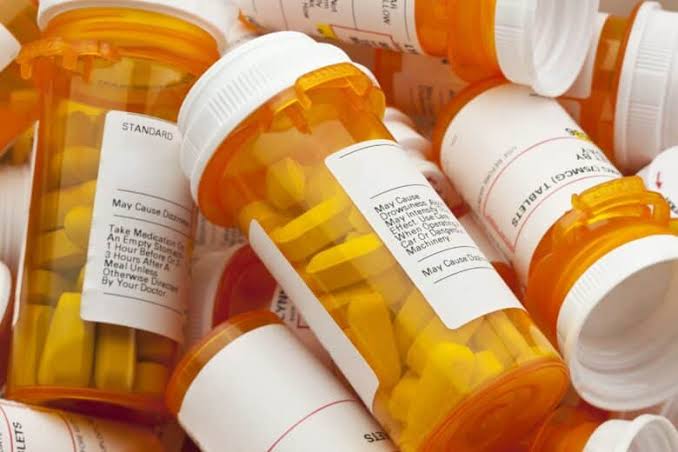
Losing weight can be challenging, especially when diet and exercise alone aren’t enough to deliver lasting results. Fortunately, FDA-approved weight loss medications offer an evidence-based option for adults who qualify, helping support appetite control, improve metabolic health, and increase the chances of long-term weight management when combined with healthy lifestyle changes.
With several prescription medications now available, understanding how each one works can help you choose the right path with your healthcare provider. Providers like TrimRx make it easier to access eligible FDA-approved weight loss medications through a convenient telehealth process, giving patients a streamlined way to explore medically supervised treatment options from home
Why Obesity Deserves Real Medical Treatment
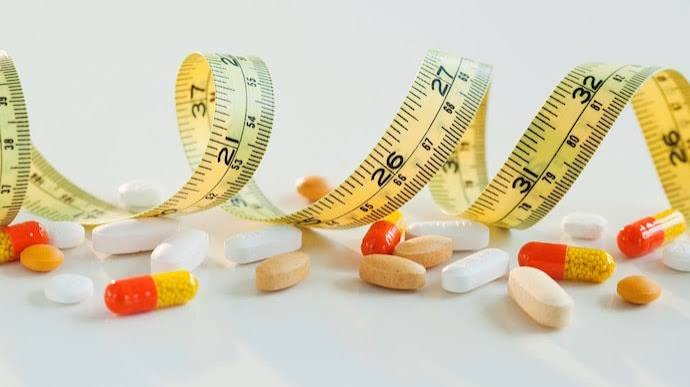
Obesity is a chronic disease, not a character flaw. The Food and Drug Administration (FDA) recognizes this, which is why a growing number of medications are approved for chronic weight management. These aren’t magic pills. They’re tools that help the body work differently, making it easier to lose weight and maintain weight loss over time.
Doctors typically consider prescription weight loss medications when someone has:
- A body mass index (BMI) of 30 or higher (obesity)
- A BMI of 27 or higher (overweight) plus a weight-related health condition, such as type 2 diabetes, high blood pressure, or high cholesterol
BMI, for anyone wondering, is simply a measure of weight in relation to height. It’s not perfect, but it’s the standard starting point for deciding who qualifies for obesity medication.
How Weight Loss Medications Work
Medications work in different ways depending on the drug. Some target hunger signals in the brain. Others slow digestion so a person feels full longer. A few block fat absorption in the gut. The results also vary, but the goal is always the same: meaningful weight loss that’s sustainable.
The best outcomes happen when prescription medication is paired with lifestyle changes like better eating habits and regular movement. Think of the medication as the assist, not the whole game.
GLP-1 Medications: The Heavy Hitters
What Is a GLP-1?
GLP-1 stands for glucagon-like peptide-1, a hormone the body naturally produces after eating. It helps regulate blood sugar and signals the brain that the stomach is full. A GLP-1 receptor agonist mimics this hormone, which helps with weight loss by decreasing appetite and slowing how quickly food leaves the stomach.
Wegovy (Semaglutide)
The Wegovy injection is approved by the FDA for chronic weight management in adults with obesity or overweight with at least one weight-related condition. It’s a weekly injection, taken once every seven days.
In clinical trials, people taking Wegovy lost an average of around 15% of their body weight. That’s significant weight loss compared to older weight loss drugs. Common side effects include nausea, diarrhea, vomiting, and constipation, especially in the first few weeks as the dose increases.
Zepbound (Tirzepatide)
Zepbound contains tirzepatide, and it’s one of the newest FDA-approved weight loss options. Zepbound is approved to treat obesity in adults, and it works a bit differently than Wegovy. Tirzepatide activates two hormone receptors: GLP-1 and GIP (glucose-dependent insulinotropic polypeptide). That dual action is why clinical trial results showed average weight loss of up to 20% or more of body weight in some participants.
Like Wegovy, Zepbound is a weekly injection. Possible side effects are similar too, with nausea being the most common complaint early on.
Saxenda (Liraglutide)
Liraglutide, sold as Saxenda, is another GLP-1 receptor agonist approved for weight loss. Unlike the weekly injection options, Saxenda is taken daily. Average weight loss tends to be more modest, around 5% to 10% of body weight, but it’s still a solid option for people who don’t respond to or can’t access newer medications.
Ozempic and Mounjaro: A Quick Note
Both of these are used to treat type 2 diabetes, and both often lead to weight loss as a side effect. Ozempic contains semaglutide (the same ingredient as Wegovy), and Mounjaro contains tirzepatide (the same as Zepbound). However, they’re FDA-approved for diabetes, not weight management. Wegovy and Zepbound are the versions specifically approved for chronic weight management.
Other FDA-Approved Weight Loss Medications
GLP-1s get most of the headlines, but they aren’t the only prescription weight loss medications available. Several other anti-obesity drugs have been around longer and still play an important role in obesity treatment.
Phentermine
Phentermine is one of the oldest and most commonly prescribed weight loss medications in the United States. It’s a stimulant that works on areas of the brain that control appetite, helping people feel less hungry.
One important catch: phentermine is approved for short-term use, usually up to 12 weeks. It can raise blood pressure and heart rate, so it’s not right for everyone, especially people with heart conditions or uncontrolled high blood pressure.
Qsymia (Phentermine/Topiramate)
Qsymia combines phentermine with topiramate, a medication originally developed for seizures and migraines. Together, the two drugs suppress appetite and help people feel full faster. Qsymia is approved for long-term weight management and often produces more weight loss than phentermine alone.
Contrave (Naltrexone/Bupropion)
Contrave combines two drugs that target hunger and cravings in the brain. It’s a pill taken daily, and it can be a good choice for people who struggle with emotional eating or food cravings. Because bupropion is also an antidepressant, this medication isn’t suitable for everyone, and it can increase blood pressure in some patients.
Orlistat (Xenical and Alli)
Orlistat takes a completely different approach. Instead of affecting the brain, it blocks about 25% of the fat from being absorbed in the digestive system. That fat has to go somewhere, which leads to orlistat’s famous (and infamous) side effect: oily stools, especially after eating a meal containing fat. Most people learn pretty quickly to keep their fat intake moderate.
Orlistat is available by prescription as Xenical, and a lower-dose version called Alli is the only FDA-approved OTC weight loss medication.
How Do These Compare?
The amount of weight someone loses depends on the medication, the dose, and how well they stick with lifestyle changes. Generally speaking:
- Zepbound (tirzepatide): up to 20% or more body weight reduction in clinical trials
- Wegovy (semaglutide): around 15% average weight loss
- Saxenda (liraglutide): 5% to 10%
- Qsymia: around 8% to 10%
- Contrave: around 5% to 8%
- Orlistat: around 5%
- Phentermine: around 5% (short-term)
For context, losing just 5% to 10% of body weight can improve blood pressure, blood sugar, and cholesterol levels. Even modest weight loss delivers real health benefits.
Common Side Effects and Safety Considerations
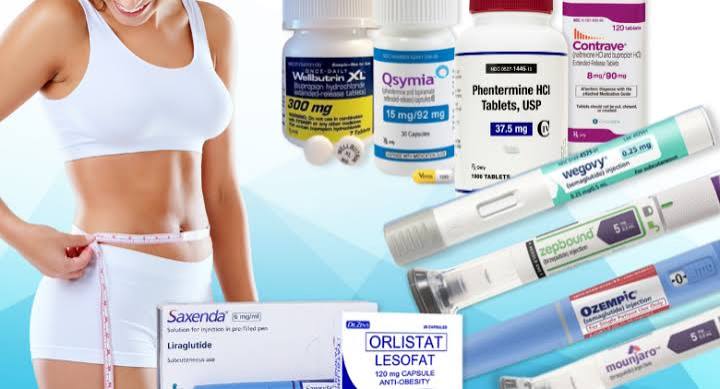
Side effects vary by medication, but here’s what people most often report:
- GLP-1 medications (Wegovy, Zepbound, Saxenda): Nausea, vomiting, diarrhea, constipation, and stomach discomfort. Common side effects include nausea most of all, and symptoms usually ease as the body adjusts.
- Phentermine and Qsymia: Dry mouth, insomnia, increased heart rate, and elevated blood pressure.
- Contrave: Nausea, headache, and possible increases in blood pressure.
- Orlistat: Digestive issues, particularly after eating high-fat meals.
Serious side effects are rare but possible. Some weight loss medicines carry warnings about pancreatitis, gallbladder problems, or thyroid tumors (in animal studies with GLP-1 drugs). That’s exactly why these are prescription drugs. A licensed provider should review a person’s full health history before prescribing anything.
What Happens When You Stop Taking the Medication?
Here’s the honest truth: many people regain weight after stopping obesity medication. Since obesity is a chronic disease, it often requires long-term management, just like high blood pressure or type 2 diabetes. Studies show that people who stop taking GLP-1 medications tend to gain weight back within a year.
That doesn’t mean the medication failed. It means the body is doing what bodies do: defending its previous weight. This is why many providers recommend staying on the medication long-term to maintain your weight loss, combined with sustainable habits built along the way.
Who Should Consider Medical Weight Loss?
Prescription weight loss medication may be worth discussing with a provider for anyone who:
- Has a BMI of 30 or higher
- Has a BMI of 27 or higher with conditions like type 2 diabetes or high blood pressure
- Has tried diet and exercise without lasting success
- Wants a structured weight loss program with medical support
These medications may not be appropriate for people who are pregnant, have a personal or family history of certain thyroid cancers, or have specific gastrointestinal conditions. A proper medical evaluation sorts all of that out.
Getting Started With a Weight Loss Program
The process today is far simpler than it used to be. Telehealth platforms like TrimRx allow people to complete an online intake, connect with licensed providers, and receive an FDA-approved prescription if they qualify, all without sitting in a waiting room. Medication ships directly to the door, and ongoing support helps people stay on track.
The key is choosing a program that treats weight management as the long-term health journey it actually is, not a 30-day quick fix.
Conclusion
FDA-approved weight loss medications have come a long way. From older options like phentermine and orlistat to powerful weekly injections like Wegovy and Zepbound, there are now real, science-backed tools to help people lose weight and maintain weight loss. These medications work best as part of a bigger plan that includes lifestyle changes and ongoing medical support. For anyone tired of the lose-it-regain-it cycle, talking with a licensed provider through a trusted platform like TrimRx could be the first step toward lasting results.
Frequently Asked Questions
What is the most effective FDA-approved weight loss medication?
Zepbound (tirzepatide) currently shows the highest average weight loss in clinical trials, with some participants losing 20% or more of their body weight. Wegovy (semaglutide) is a close second at around 15%. The “best” option, though, depends on the medication’s fit with a person’s health history, budget, and goals.
Are weight loss medications safe?
FDA-approved weight loss medications have been studied in large clinical trials and are considered safe when prescribed and monitored by a licensed provider. Common side effects include nausea, digestive changes, and headaches, while serious side effects are rare. Anyone considering these medications should share their full medical history with their provider.
Do people gain weight back after stopping medication?
Many people do regain some weight after they stop taking the medication, especially with GLP-1 drugs. Obesity is a chronic disease, so long-term treatment is often recommended to keep weight off. Building strong habits around food and movement while on the medication helps improve the odds.
Can weight loss medication be taken without diet and exercise?
Technically yes, but results are much better with lifestyle changes. These medications are approved for use alongside a reduced-calorie diet and increased physical activity. Think of them as a boost, not a replacement.
How does someone get a prescription for weight loss medication?
A licensed healthcare provider must evaluate whether someone qualifies, usually based on BMI and any weight-related health conditions. Telehealth services like TrimRx make this easy with online evaluations, provider consultations, and home delivery of FDA-approved prescription medications.

Transforming Lives, One Step at a Time
Keep reading

What to Do With a Full Pantry You No Longer Eat From
Sort it into three piles rather than clearing it all out: donate, keep, and discard. The mistake most people make is emptying the whole…

How to Handle a Business Dinner When the Client Orders for the Table
This is the one dining situation where your usual tools do not work. You cannot order a starter as your main, cannot ask for…

How to Handle Group Dinners Where Everyone Shares Plates
Shared dining is generally easier than a fixed plate, not harder, and it is worth going in with that framing. When everyone is taking…


