Feeling Sick After Eating on Mounjaro? Understanding and Managing Digestive Discomfort
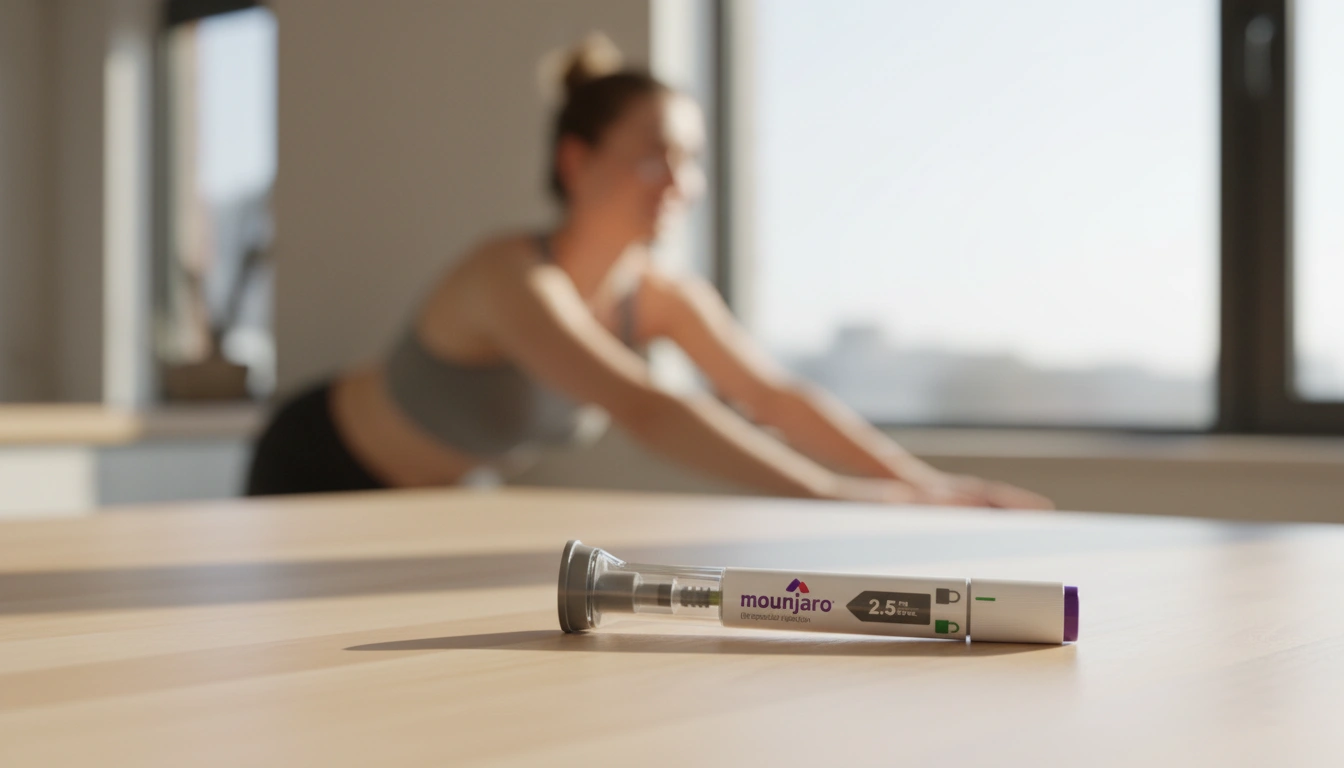
Introduction
Embarking on a weight loss journey is a significant step, often filled with anticipation and hope for a healthier future. Many individuals turn to innovative, medically supported solutions to aid their progress, and medications like Mounjaro (tirzepatide) have emerged as powerful tools in this endeavor. Mounjaro, a dual GIP and GLP-1 receptor agonist, is recognized for its effectiveness in blood sugar management for Type 2 diabetes and its profound impact on weight loss. However, as with any potent medication, it can introduce new experiences as your body adjusts, and one of the most common — and often unsettling — is the sensation of feeling sick after eating.
This feeling of nausea, while frequently mild and temporary, can disrupt daily life and create concerns about the treatment itself. It’s natural to wonder, “why do I feel sick after eating on Mounjaro?” and what can be done to alleviate this discomfort. Understanding the physiological reasons behind this side effect is the first step toward managing it effectively, allowing you to focus on the positive strides you’re making toward your health goals.
At TrimRx, our journey began with a shared vision: to help individuals embrace healthier lifestyles by merging cutting-edge telehealth innovations with effective weight loss solutions. We understand that sustainable weight loss should be achieved through science, empathy, and a transparent approach. Our platform is designed to be a user-friendly and supportive space where individuals receive personalized, medically supervised care, ensuring their journey is as comfortable and effective as possible. We are committed to providing compassionate care that respects every individual’s unique journey by combining advanced medical science with modern technology.
This blog post is dedicated to shedding light on the phenomenon of nausea when taking Mounjaro. We will explore the underlying mechanisms of the medication that contribute to digestive upset, identify common triggers for this discomfort, and provide a range of practical strategies—from dietary adjustments to lifestyle considerations—that can help you navigate and minimize these symptoms. Furthermore, we will outline when it’s appropriate to seek professional medical advice, ensuring your safety and well-being remain paramount. Our aim is to equip you with the knowledge and tools necessary to manage these side effects confidently, empowering you to continue your path toward a healthier self with the full support of our personalized weight loss programs.
The Science Behind Mounjaro and Digestive Changes
The experience of feeling sick after eating on Mounjaro is deeply rooted in the medication’s innovative mechanism of action. Mounjaro, with its active ingredient tirzepatide, operates uniquely by targeting two critical hormone receptors in the body: glucose-dependent insulinotropic polypeptide (GIP) and glucagon-like peptide-1 (GLP-1). Understanding how this dual action influences your digestive system is key to comprehending why nausea can occur.
How Mounjaro Works to Support Weight Management
Mounjaro acts as a dual GIP and GLP-1 receptor agonist. This means it mimics the effects of naturally occurring hormones that play pivotal roles in regulating blood sugar and appetite. When activated, these receptors trigger a cascade of beneficial effects:
- Enhanced Insulin Secretion: Mounjaro prompts the pancreas to release more insulin when blood sugar levels are elevated. Insulin is essential for moving glucose from the bloodstream into cells for energy, thereby helping to lower blood sugar.
- Reduced Glucagon Secretion: It decreases the amount of glucagon, a hormone that signals the liver to release stored sugar. By reducing glucagon, Mounjaro helps prevent excessive sugar production by the liver.
- Slowed Gastric Emptying: One of the most significant effects relevant to nausea is the slowing down of the stomach’s emptying rate. Food remains in the stomach for a longer period, contributing to prolonged feelings of fullness.
- Increased Satiety: Mounjaro influences the brain’s appetite centers, intensifying gut-to-brain signals that communicate fullness. This leads to a reduced desire to eat, helping individuals consume fewer calories and manage their weight more effectively.
These actions collectively contribute to improved blood sugar control and substantial weight loss, making Mounjaro a valuable component of a comprehensive weight management plan.
Why Digestive Discomfort Can Arise
While the mechanisms of Mounjaro are highly effective for weight loss and blood sugar regulation, the alteration in digestive processes can, for some individuals, lead to discomfort. The primary culprit behind nausea is often the significantly slowed gastric emptying. When food lingers longer in the stomach, it can create a sensation of being overly full, even after consuming only small amounts. This prolonged distension and pressure in the stomach can easily translate into feelings of queasiness or outright nausea.
Furthermore, the amplified satiety signals sent to the brain, while intended to reduce hunger, can sometimes be so intense that they trigger an unpleasant feeling of being “too full” or unwell. Clinical trials have indicated that nausea is one of the most common side effects, affecting approximately 12–20% of people taking Mounjaro. The incidence tends to be higher with increased doses, suggesting a dose-dependent relationship. For most patients, this sickness is mild to moderate, like a light queasiness or unsettled stomach, but it can certainly be disruptive.
The Onset and Duration of Nausea
The timing of Mounjaro-related nausea typically follows a predictable pattern. It is most common during the initial weeks of therapy, as the body first begins to adjust to the medication’s effects. Additionally, many individuals report a temporary flare-up of nausea each time their dose is increased. This is because higher concentrations of tirzepatide can exert a stronger influence on gastric emptying and satiety signals, requiring a renewed period of adaptation.
The good news is that for most people, this nausea is transient. It typically improves within a few days or weeks as the body adapts to the medication. In some studies, patients reported nausea lasting around 3-4 days after a dose. This gradual improvement is why healthcare providers usually start Mounjaro at a low dose and slowly raise it over several months, a process known as titration. This careful dose escalation strategy is crucial for enhancing tolerability and minimizing adverse effects, allowing your digestive system sufficient time to adjust. If symptoms persist beyond several weeks or worsen, it’s a clear signal to consult with a healthcare professional, as we emphasize in all our personalized care programs at TrimRx.
Practical Strategies for Managing Nausea on Mounjaro
Experiencing nausea after eating on Mounjaro can be challenging, but there are many practical and effective strategies to help manage this side effect. By making thoughtful adjustments to your diet and lifestyle, you can significantly reduce discomfort and maintain your progress toward a healthier self.
Dietary Adjustments to Alleviate Nausea
The foods you choose and how you consume them play a pivotal role in managing Mounjaro-induced nausea. Mindful eating practices can make a substantial difference.
Eating Smaller, More Frequent Meals
Instead of consuming three large meals, consider breaking your daily food intake into smaller, more frequent meals or snacks. This approach helps prevent the stomach from becoming overly full, which can trigger or exacerbate nausea due to the medication’s slowed gastric emptying effect. When you eat, pay close attention to your body’s signals and stop as soon as you feel comfortably satisfied, rather than completely full. This adjustment allows your digestive system to process food more gently and efficiently.
Choosing Bland, Low-Fat Foods
Certain foods are more likely to aggravate a sensitive stomach, particularly when taking Mounjaro. To minimize nausea, opt for bland, low-fat, and easy-to-digest options. These include:
- Grains: Plain toast, crackers, rice, pasta, noodles, and oatmeal.
- Fruits: Bananas, peeled apples, or cooked fruits.
- Vegetables: Cooked, skinless vegetables like carrots and boiled potatoes.
- Proteins: Lean sources such as baked or grilled chicken (skinless), white fish, or tofu.
Conversely, it’s wise to limit or avoid rich, greasy, spicy, or high-fat foods, which can be harder to digest and intensify feelings of queasiness. Examples include fried foods, highly seasoned dishes, sugary treats, and acidic foods. Strong food smells can also be a trigger for some individuals, so preparing meals in a well-ventilated area or choosing less aromatic foods might be helpful. Keeping a food diary can also be a valuable tool to identify specific foods that seem to worsen your symptoms, allowing you to tailor your diet accordingly.
Hydration and Fluid Intake
Staying adequately hydrated is crucial, especially if you experience any vomiting associated with nausea. However, the way you consume fluids also matters. Sip small amounts of water or clear fluids throughout the day rather than drinking large quantities all at once, which can overfill the stomach. Good choices include plain water, herbal teas (ginger or peppermint can be particularly soothing), or clear broths. It’s often beneficial to separate your fluid intake from meals, consuming liquids 30 to 60 minutes before or after eating, rather than with your food, to avoid further stomach distension. Avoid sugary drinks, caffeine, and alcohol, as these can sometimes exacerbate nausea or lead to dehydration.
Mindful Eating Practices
Beyond what you eat, how you eat can significantly impact your comfort level. Take your time with meals, eating slowly and chewing your food thoroughly. Rapid eating can introduce excess air and make digestion more difficult. After eating, try to remain upright for at least two hours; lying down immediately after a meal can encourage reflux and worsen nausea.
Lifestyle Considerations
Beyond dietary modifications, certain lifestyle adjustments can also contribute to a more comfortable experience while on Mounjaro.
Timing Your Mounjaro Injection
While Mounjaro is typically taken once a week on the same day, you might consider experimenting with the timing of your injection within that day. Some individuals find that taking their dose before bedtime allows them to sleep through the initial peak of potential side effects. Others prefer to take it with a meal to help mitigate potential nausea. Discussing timing with your healthcare provider can help you find what works best for your individual needs. Remember, consistency is key for the medication’s efficacy, so once a suitable time is found, try to stick to it each week.
Gentle Activity and Fresh Air
Engaging in gentle physical activity, such as a short walk or light yoga, can sometimes aid digestion and alleviate feelings of sluggishness that might accompany nausea. Fresh air can also be surprisingly effective in distracting from discomfort and making you feel better overall. However, avoid strenuous exercise immediately after eating, as this can divert blood flow from digestion and potentially worsen symptoms.
Over-the-Counter Support
For occasional or mild nausea that persists despite dietary and lifestyle changes, certain over-the-counter (OTC) remedies may offer temporary relief. Antacids can be helpful if acid reflux or heartburn contributes to your discomfort. Products containing ginger or peppermint are also widely recognized for their stomach-soothing properties. Some individuals may find relief with OTC anti-nausea medications, such as those containing meclizine. However, it is always crucial to consult with your healthcare provider or a pharmacist before taking any new medications, even OTC options, to ensure they are safe and appropriate for you, especially when you are on prescription medication like Mounjaro. Your well-being is our priority, and informed decisions are paramount.
At TrimRx, we understand that managing side effects is an integral part of a successful weight loss journey. While prescription medications like Compounded Semaglutide, Oral Semaglutide, Ozempic®, Compounded Tirzepatide, Oral Tirzepatide, Mounjaro®, Zepbound®, and Wegovy® are available through our personalized program after a free assessment quiz, we also offer quick-access solutions designed to support your overall wellness. Our GLP-1 Daily Support and Weight Loss Boost supplements are available for immediate purchase to complement your regimen and assist with your journey. We believe in providing a holistic approach to health, empowering you with options that suit your needs and preferences.
Beyond Nausea: Other Common Digestive Side Effects and Management
While nausea is a frequently discussed side effect of Mounjaro, it’s part of a broader spectrum of gastrointestinal changes that individuals may experience. Understanding these other common digestive issues and how to manage them is crucial for a comfortable and sustainable weight loss journey. At TrimRx, we are dedicated to supporting every aspect of your experience, ensuring you have the knowledge and tools to navigate these changes effectively.
Understanding Diarrhea and Constipation
The same mechanism that slows gastric emptying and contributes to nausea – Mounjaro’s influence on gut motility – can also manifest as either diarrhea or constipation. These effects can significantly impact daily comfort and gut health.
Diarrhea
Approximately one in five individuals taking Mounjaro may experience diarrhea, making it a relatively common side effect. This occurs because Mounjaro changes the way food and liquids move through your intestines. Sometimes, this can cause food to move faster than usual, leading to less water being absorbed and resulting in loose stools.
Managing Diarrhea:
- Hydration is Key: Crucially, staying well-hydrated is paramount to prevent dehydration, as you lose vital fluids with loose stools. Sip small, frequent amounts of water, squash, or herbal tea throughout the day, aiming for around 10 cups (4 pints) daily.
- Dietary Adjustments: Initially, sticking to a low-fiber diet can help. Choose foods like white bread, pasta, rice, cooked vegetables (peeled), and skinless/cooked fruits. Bland, soft foods such as mashed potatoes, white fish, and yogurt can also be easier to digest.
- Avoid Triggers: Limit or avoid full-fat dairy, coffee, alcohol, sugary soft drinks, and sports drinks, as these can exacerbate symptoms.
- Over-the-Counter Options: While often not needed, anti-diarrhea medications like loperamide (Imodium) are available, but always consult a pharmacist or healthcare provider before use.
Constipation
On the other end of the spectrum, constipation is also common on Mounjaro, affecting more than 1 in 10 people. This occurs because the slowed digestion causes food to remain in the bowel for longer periods, allowing the body to absorb more water from the stool. This can lead to hard, dry stools that are difficult to pass.
Managing Constipation:
- Gradual Fiber Increase: Gradually incorporate more high-fiber foods into your diet, such as oats, whole bran, linseed, and fruits containing sorbitol (apples, apricots, grapes). These can add bulk and moisture to stools.
- Ample Fluid Intake: Continue to drink plenty of water. Adequate hydration is essential to soften stools and facilitate easier passage. Avoid alcohol, which can cause dehydration and worsen constipation.
- Regular Exercise: Physical activity, even moderate exercise like walking, helps stimulate bowel movements and strengthens core muscles, which are vital for healthy elimination.
- Toilet Habits: Establish a regular toilet routine and ensure you give yourself sufficient time. Elevating your knees with a low stool can also aid in a more natural bowel position.
- Laxatives: If dietary and lifestyle changes aren’t sufficient, pharmacists can recommend various laxatives that work in different ways (e.g., bulk-forming, stimulant, osmotic). Always consult a healthcare professional to find the safest and most effective option.
Acid Reflux and Bloating
Other common discomforts include acid reflux and bloating, stemming from the same changes in digestive speed.
Acid Reflux
Mounjaro’s effect of slowing stomach emptying can sometimes lead to indigestion and acid reflux, where stomach acid moves back up into the esophagus, causing a burning sensation (heartburn).
Managing Acid Reflux:
- Smaller, Frequent Meals: As with nausea, eating smaller portions more often helps prevent overfilling the stomach.
- Avoid Lying Down After Meals: Stay upright for at least three to four hours after eating, and consider elevating your head slightly while sleeping.
- Identify Triggers: Avoid common reflux triggers such as spicy, fried, or greasy foods, caffeine, chocolate, and alcohol.
- Over-the-Counter Relief: Antacids or alginate-based products can help neutralize stomach acid or form a protective barrier.
Bloating and Trapped Wind
When food remains in the stomach and intestines for longer due to slowed motility, it can lead to increased gas production as food breaks down. This can result in feelings of fullness, soreness, bloating, belching, and increased passing of wind.
Managing Bloating and Trapped Wind:
- Regular Exercise and Hydration: These foundational habits support overall digestive health.
- Avoid Gassy Foods: Temporarily reduce intake of foods known to cause gas, such as beans, lentils, cabbage, and fizzy drinks.
- Mindful Eating: Eat slowly and avoid talking while eating to minimize air intake.
- Belly Massage: Gently massaging your belly from right to left can sometimes help release trapped gas.
- Over-the-Counter Options: A pharmacist might recommend products like simethicone to break down gas bubbles, or other medications for irritable bowel symptoms, but always seek professional advice first.
At TrimRx, our comprehensive programs are designed to offer robust support for your weight loss journey, including guidance on managing potential side effects. We believe in providing transparent service, ensuring our approach remains consistent, and focusing on your safety by working exclusively with FDA-registered and inspected pharmacies for your prescription medications. Our goal is to empower you with medically supervised care and unlimited support every step of the way, helping you not just lose weight, but also feel your best while doing so. We’re here to help you navigate all aspects of your health and well-being.
When to Seek Professional Guidance
While many of the digestive side effects associated with Mounjaro are mild, temporary, and manageable with dietary and lifestyle adjustments, it is critically important to recognize when symptoms warrant professional medical attention. Your health and safety are paramount, and knowing when to consult a healthcare provider ensures that any potential complications are addressed promptly and effectively. At TrimRx, we emphasize medically supervised care and unlimited support as foundational elements of our programs, ensuring you always have a trusted resource for guidance.
Recognizing Red Flags
Certain symptoms, particularly when severe, persistent, or accompanied by other signs, can indicate a more serious issue that requires evaluation by a medical professional. If you experience any of the following, it’s time to reach out to your healthcare provider:
- Severe or Persistent Nausea and Vomiting: If your nausea does not improve after a few weeks, or if you are vomiting excessively and frequently (e.g., more than three times a day for several days), this needs immediate attention.
- Signs of Dehydration: Persistent vomiting or diarrhea can lead to dehydration. Symptoms include dizziness or lightheadedness, decreased urination, dry mouth, excessive thirst, and feeling drowsy or weak. Severe dehydration can be serious and may require medical intervention.
- Inability to Keep Food or Fluids Down: If you are unable to retain food or fluids for more than 24 hours, there is a risk of malnutrition and severe dehydration.
- Significant Unexpected Weight Loss: While weight loss is a goal on Mounjaro, any rapid or excessive weight loss beyond your expectations, particularly if accompanied by other concerning symptoms, should be investigated.
- Severe Abdominal Pain: Any new or worsening abdominal pain, especially if it is severe, persistent, or radiates to your back, could be a sign of a serious condition like pancreatitis (inflammation of the pancreas). Pancreatitis requires prompt medical evaluation and discontinuation of Mounjaro.
- Unusual Changes in Bowel Habits: If diarrhea lasts for more than 7 days, or constipation persists for longer than 14 days without improvement despite home management, or if either is accompanied by severe pain, contact your provider.
- Blood in Stool: The presence of blood in your stool (which may appear dark or black) is a red flag and requires immediate medical assessment.
- Symptoms of Low Blood Sugar (Hypoglycemia): If you are taking Mounjaro alongside other blood sugar-lowering medications (like insulin or sulfonylureas), you are at an increased risk of hypoglycemia. Symptoms include dizziness, shakiness, confusion, rapid heartbeat, and sweating.
- Signs of an Allergic Reaction: Although rare, severe allergic reactions can occur. Look for swelling in your face, lips, tongue, or throat; trouble breathing or swallowing; severe itching or rash; or a fast heartbeat. Seek emergency medical help immediately if these occur.
The Role of Your Healthcare Provider
Your healthcare provider is your essential partner in navigating your weight loss journey with Mounjaro. If you experience any of the concerning symptoms mentioned above, or if the side effects are simply too uncomfortable to manage on your own, do not hesitate to reach out. They can:
- Assess Your Symptoms: Accurately diagnose the cause of your discomfort, ruling out more serious conditions.
- Adjust Your Dosage: If appropriate, they may recommend slowing the dose escalation or temporarily reducing your Mounjaro dose to improve tolerability.
- Recommend Additional Treatments: They can prescribe anti-nausea medications or other supportive treatments to help manage your symptoms more effectively.
- Offer Tailored Advice: Provide personalized guidance on diet and lifestyle changes that are specific to your health profile and the nature of your side effects.
- Monitor Your Overall Health: Ensure that your treatment plan is not adversely affecting other aspects of your health, such as kidney function or gallbladder health.
At TrimRx, our commitment to your well-being means ensuring you have access to expert care and support. Our platform connects you with medical professionals who provide personalized, medically supervised care, including doctor consultations and lab work. We believe in being transparent about our services and focusing on your safety by partnering with FDA-registered and inspected pharmacies for your prescription medications like Mounjaro, Zepbound®, Ozempic®, Wegovy®, Compounded Semaglutide, Oral Semaglutide, Compounded Tirzepatide, and Oral Tirzepatide. If you’re exploring options for safe and effective weight loss, we encourage you to take our free assessment quiz to see if you qualify for our personalized prescription weight loss solutions. Our comprehensive service includes everything you need, from expert medical consultation to medication and ongoing unlimited support, all designed to make sustainable weight loss attainable and tailored to you.
TrimRx: Your Partner in a Sustainable Weight Loss Journey
At TrimRx, we understand that true weight loss extends beyond the numbers on a scale. It’s about fostering a healthier lifestyle, building sustainable habits, and ensuring your well-being every step of the way. Our journey began with a shared vision to revolutionize how individuals approach health and weight management. We merge cutting-edge telehealth innovations with clinically proven, effective weight loss solutions, creating a seamless and supportive experience for everyone.
We firmly believe that sustainable weight loss should be achieved through science, empathy, and a transparent approach. This philosophy guides everything we do, from the development of our personalized programs to the compassionate care we provide. Our brand is empathetic, innovative, trustworthy, supportive, results-oriented, and deeply personalized. We recognize that every individual’s journey is unique, and our approach reflects this, combining advanced medical science with modern technology to deliver care that respects your specific needs and challenges.
When you partner with TrimRx, you gain access to a platform that is user-friendly and designed to support you through every phase of your transformation. We are committed to transparent service, meaning our comprehensive approach remains consistent, regardless of dosage changes or other adjustments to your plan. Your safety is our utmost priority, and to uphold this, we work exclusively with FDA-registered and inspected pharmacies for the shipping of any weight loss medications. These pharmacies dispense medications such as FDA-approved Mounjaro®, Zepbound®, Ozempic®, and Wegovy®, as well as quality compounded Semaglutide and Tirzepatide, and their oral forms, ensuring you receive safe and effective products. It’s important to understand that TrimRx partners with these pharmacies and does not provide actual medical supervision ourselves; rather, we connect you with healthcare professionals who do.
Our comprehensive service goes beyond just medication. When you opt for our personalized weight loss program, you receive an all-inclusive package that covers doctor consultations, necessary lab work, your prescribed medication, unlimited support from our care team, and convenient shipping—all without any hidden fees. We want you to feel confident and fully supported as you pursue your health goals.
For those considering prescription weight loss medications, we invite you to explore our offerings by taking our free assessment quiz. This personalized assessment helps us determine your eligibility and craft a treatment plan tailored specifically for you. Our prescription product offerings include:
- Compounded Semaglutide
- Oral Semaglutide
- Ozempic®
- Compounded Tirzepatide
- Oral Tirzepatide
- Mounjaro®
- Zepbound®
- Wegovy®
Beyond prescription solutions, we also offer quick-access supplements designed to provide immediate support for your overall wellness during your weight loss journey. These do not require a quiz and are available for immediate purchase:
- Discover the benefits of GLP-1 Daily Support to aid your daily regimen.
- Explore our Weight Loss Boost to further enhance your progress.
At TrimRx, we are more than just a provider; we are your dedicated partner, committed to guiding you toward a healthier, more vibrant life with solutions that are both effective and empathetic.
Conclusion
Navigating the journey toward weight loss and improved health with medications like Mounjaro can be incredibly rewarding, but it’s not uncommon to encounter digestive side effects such as nausea. As we’ve explored, feeling sick after eating on Mounjaro is often a direct result of its effective mechanism: slowing gastric emptying and enhancing satiety signals. While this mechanism is key to its therapeutic benefits, it can take some time for your body to adjust.
The good news is that for most individuals, these experiences are temporary and manageable. By understanding why these symptoms occur and implementing thoughtful strategies—from adopting smaller, more frequent meals and choosing bland, low-fat foods to ensuring proper hydration and mindful eating practices—you can significantly alleviate discomfort. Lifestyle adjustments, such as optimizing injection timing and incorporating gentle activity, further contribute to a smoother experience.
However, it’s crucial to remain vigilant and recognize when symptoms escalate beyond what can be managed at home. Severe, persistent nausea, dehydration, intense abdominal pain, or any other concerning symptoms are clear indicators to seek professional medical advice. Your healthcare provider is your essential ally in tailoring your treatment plan, adjusting dosages, and recommending additional support to ensure your safety and well-being.
At TrimRx, our core mission is to empower you on your health journey with clinically proven, personalized weight loss solutions delivered with empathy and transparency. We offer medically supervised care designed to make sustainable weight loss attainable, supported by a team dedicated to your success. Whether you’re considering a prescription medication through our comprehensive program or seeking immediate support from our quick-access supplements, we are here to provide the tools and guidance you need.
Remember, you don’t have to navigate these challenges alone. Proactive management, combined with expert support, can transform potential obstacles into manageable steps toward your goals. If you’re ready to explore how a personalized, medically supervised approach can support your weight loss journey and help you manage potential side effects effectively, we encourage you to take our free assessment quiz today. For immediate support, consider our GLP-1 Daily Support or Weight Loss Boost supplements. Together, we can build a healthier, more vibrant future.
Frequently Asked Questions
Q1: Is nausea on Mounjaro normal?
Yes, experiencing nausea on Mounjaro (tirzepatide) is quite common, especially when first starting the medication or after a dose increase. Clinical trials have shown that approximately 12–20% of individuals report nausea. It occurs because Mounjaro slows down how quickly your stomach empties and intensifies signals of fullness, which can sometimes lead to feelings of queasiness. For most, this side effect is mild to moderate and improves as the body adjusts.
Q2: How long does Mounjaro nausea typically last?
For most people, nausea from Mounjaro is transient and improves over a period of a few days to a few weeks as their body adapts to the medication. It often subsides once the body adjusts to a new dose. If nausea persists beyond several weeks or becomes severe, it’s important to consult with your healthcare provider.
Q3: Can I eat anything I want on Mounjaro if I’m not feeling sick?
While Mounjaro doesn’t come with a restrictive diet plan, adopting healthier eating habits is crucial for maximizing its effectiveness and minimizing side effects. Even if you’re not currently feeling nauseous, opting for smaller, more frequent meals, and avoiding excessively greasy, spicy, or high-fat foods can help prevent digestive discomfort and support overall wellness. Listening to your body’s hunger and fullness cues is also very important. Our quick-access supplements like GLP-1 Daily Support and Weight Loss Boost are designed to complement a healthy diet and support your journey.
Q4: When should I be concerned about nausea on Mounjaro?
You should contact your healthcare provider if nausea becomes severe or persistent, is accompanied by excessive vomiting, leads to signs of dehydration (e.g., dizziness, decreased urination), or if you are unable to keep fluids or food down. Additionally, seek medical attention for severe abdominal pain, especially if it radiates to your back, as this could indicate a more serious condition like pancreatitis. For personalized guidance and medically supervised care, we encourage you to take our free assessment quiz.

Transforming Lives, One Step at a Time
Keep reading

How to Choose Between Ozempic and Mounjaro
If you’ve spent any time researching GLP-1 medications for weight loss, you’ve probably landed on this question eventually. Ozempic and Mounjaro are the two…

Mounjaro Savings Card: Eli Lilly Programs Explained
Mounjaro carries a list price of over $1,000 per month without insurance. For people managing type 2 diabetes or pursuing weight loss with tirzepatide,…

Effective Strategies for Managing Your Journey: What Helps Nausea From Mounjaro and How to Stay on Track
Discover what helps nausea from Mounjaro with our expert guide. Explore dietary tips, hydration strategies, and natural remedies to manage side effects effectively.


