Finding Balance: Is It Okay to Drink Alcohol While Taking Ozempic?
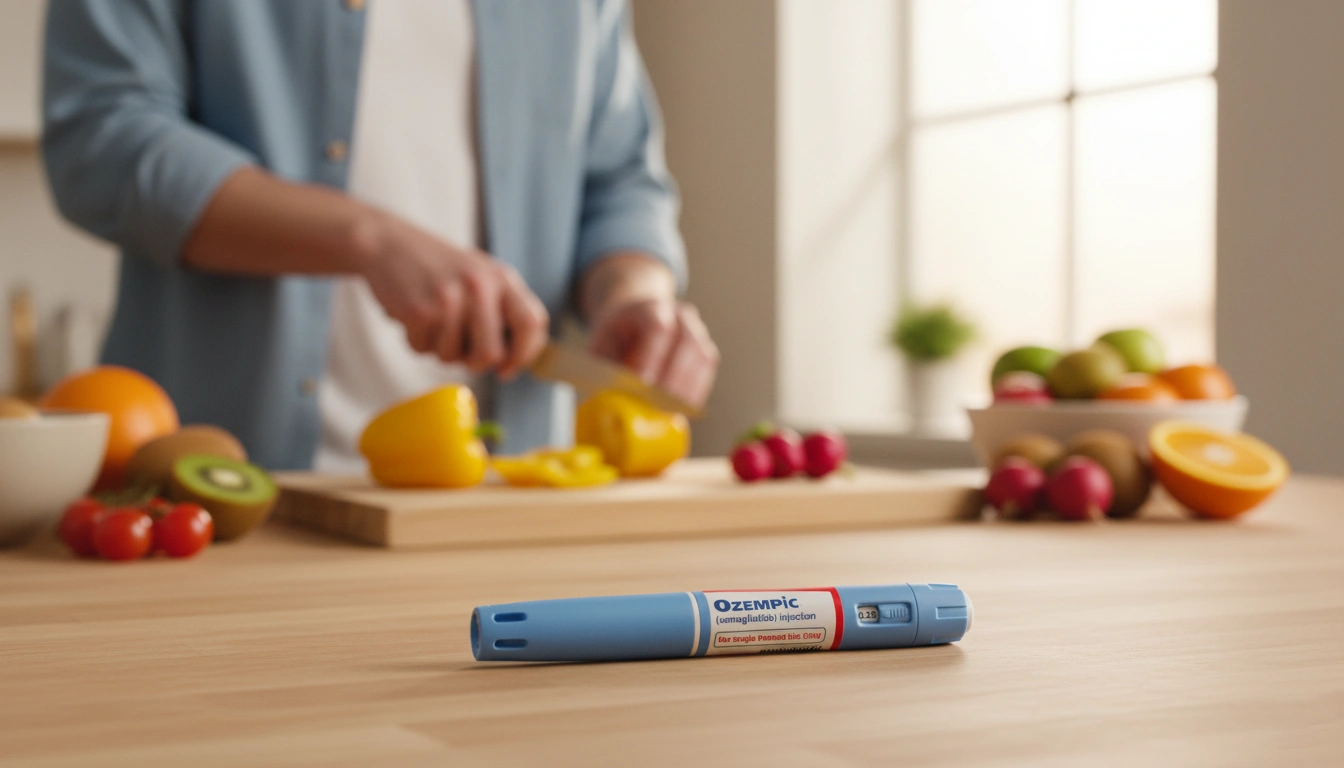
Introduction
When you sit down for a celebratory dinner or a quiet evening with friends, a common question often bubbles to the surface for those on a modern health journey: is it okay to drink alcohol while taking Ozempic? This isn’t just a matter of social etiquette; it is a vital consideration for anyone utilizing glucagon-like peptide-1 (GLP-1) receptor agonists to manage their weight or metabolic health. With approximately 1 in 8 adults in the United States having tried a GLP-1 medication, according to recent health policy data, the intersection of these innovative treatments and lifestyle choices like alcohol consumption has become a primary topic of conversation in doctors’ offices and living rooms alike.
The purpose of this article is to provide a comprehensive, science-backed exploration of how alcohol interacts—both directly and indirectly—with semaglutide medications like Ozempic®. We will delve into the physiological mechanisms at play, the potential side effects that can be exacerbated by alcohol, and the surprising way these medications might actually change your desire to drink. Our goal is to empower you with the knowledge needed to make informed decisions that align with your personalized health goals. Whether you are curious about the occasional glass of wine or concerned about how a cocktail might impact your progress, we are here to walk through the nuances of this topic together.
Throughout this discussion, we will cover the impact on blood sugar, the risks to organ health, and practical strategies for maintaining social connections without compromising your results. You will learn how our approach at TrimRx emphasizes safety, transparency, and individualized care, ensuring that your journey is supported by both advanced medical science and compassionate guidance. We believe that sustainable health is not about rigid restriction but about understanding how different substances affect your unique body. By the end of this post, you will have a clear framework for navigating the question of alcohol while pursuing your weight loss objectives.
Our exploration is divided into detailed sections covering metabolic interactions, side effect management, and the psychological shifts in cravings. We invite you to reflect on your own habits and goals as we dive into the complexities of “finding balance” in a world where health and social life often overlap.
How Ozempic and GLP-1 Medications Work
Before addressing the specific interaction with alcohol, it is essential to understand the underlying mechanism of the medication itself. Ozempic®, which contains the active ingredient semaglutide, belongs to a class of drugs known as GLP-1 receptor agonists. These medications mimic a naturally occurring hormone in the body that is released after eating.
The Role of GLP-1 Receptor Agonists
The GLP-1 hormone serves several critical functions. It signals the pancreas to release insulin when blood sugar levels rise, prevents the liver from making too much sugar, and—perhaps most importantly for weight loss—targets the areas of the brain that regulate appetite and fullness. When we provide these medications through our personalized treatment plans, we are essentially helping the body optimize its natural metabolic signaling.
At TrimRx, our journey began with a shared vision to merge these cutting-edge innovations with supportive, medically supervised care. We offer a range of options, including Compounded Semaglutide, Oral Semaglutide, and branded options like Ozempic®, Wegovy®, and Mounjaro®. To see which of these might be right for your biology, we encourage you to take our free assessment quiz.
The Mechanism of Gastric Emptying
One of the secondary effects of GLP-1 medications is the slowing of gastric emptying. This means that food (and liquids) stay in the stomach for a longer duration than they otherwise would. This delay contributes significantly to the feeling of satiety, helping individuals eat smaller portions and feel full longer. However, as we will explore, this slowed digestion plays a pivotal role in how the body processes alcohol.
Is It Okay to Drink Alcohol While Taking Ozempic?
The short answer provided by clinical data and the FDA-approved drug label is that there is no known direct “drug-to-drug” interaction between semaglutide and alcohol. This means that alcohol does not neutralize the medication, nor does the medication make alcohol toxic in a direct chemical sense. However, “okay” is a relative term that depends heavily on your health status, your dosage, and your specific weight loss goals.
The Lack of Direct Interactions
While there are no official contraindications that strictly forbid a single drink, medical professionals often advise caution. Because semaglutide is a relatively new tool in the widespread fight against obesity, long-term studies specifically focused on high-volume alcohol consumption alongside GLP-1 use are still ongoing. At TrimRx, we prioritize your safety by working exclusively with FDA-registered and inspected pharmacies, ensuring the medication you receive is of the highest quality, but your lifestyle choices remain the final piece of the puzzle.
Indirect Risks and Metabolic Challenges
Even without a direct chemical interaction, the indirect risks are substantial. Alcohol is a metabolic “priority” for the liver. When you consume alcohol, your liver stops other processes—like regulating blood sugar or metabolizing fats—to focus on breaking down the ethanol. When combined with a medication that is already altering your metabolic pathways, this can lead to unpredictable shifts in how you feel and how your body performs.
Potential Side Effects of Mixing Alcohol and Semaglutide
When considering if is it okay to drink alcohol while taking ozempic, the most immediate concern for most users is the potential for intensified side effects. Both alcohol and GLP-1 medications can be hard on the digestive system and the metabolic organs.
Gastrointestinal Distress and Nausea
The most common side effects of Ozempic® and other semaglutide products are nausea, vomiting, diarrhea, and stomach pain. Alcohol is a known gastric irritant that can increase the production of stomach acid and inflame the stomach lining.
When you combine the slowed gastric emptying of the medication with the irritating effects of alcohol, the result is often a significant increase in gastrointestinal distress. For many, a single drink that previously caused no issues might lead to intense nausea or even vomiting. To help manage these daily hurdles, we often recommend our GLP-1 Daily Support supplement, which is designed to support overall wellness and digestive comfort during your journey.
The Risk of Hypoglycemia (Low Blood Sugar)
For individuals using Ozempic® to manage Type 2 diabetes, the risk of hypoglycemia is a serious concern. Semaglutide lowers blood sugar by stimulating insulin release. Alcohol also has a blood-sugar-lowering effect because it inhibits the liver’s ability to release stored glucose into the bloodstream.
When these two forces combine, blood sugar levels can drop dangerously low. Furthermore, the symptoms of “being drunk”—such as dizziness, slurred speech, and confusion—are nearly identical to the symptoms of hypoglycemia. This makes it incredibly difficult for an individual (or those around them) to recognize a medical emergency. If you are managing diabetes, it is crucial to consult with a healthcare professional before consuming alcohol.
Pancreatitis and Organ Health
Pancreatitis, or inflammation of the pancreas, is a rare but serious potential side effect mentioned on the Ozempic® warning label. Chronic or heavy alcohol use is also a leading cause of pancreatitis. While there is no definitive proof that moderate alcohol use increases the risk of medication-induced pancreatitis, the logical connection between two substances that both stress the pancreas suggests that moderation is more than just a suggestion—it is a safety necessity.
Dehydration and Kidney Function
Both GLP-1 medications and alcohol can contribute to dehydration. Semaglutide side effects like diarrhea or vomiting can lead to fluid loss, while alcohol acts as a diuretic, encouraging the kidneys to release more water. Severe dehydration can lead to acute kidney injury, a risk that is elevated when the body is trying to process both a potent medication and a toxin like ethanol. Staying hydrated is paramount, and incorporating a Weight Loss Boost can help ensure your body has the support it needs to stay on track.
Alcohol’s Impact on Your Weight Loss Journey
Beyond the physical side effects, we must consider the primary reason most people take Ozempic®: sustainable weight loss. Alcohol can be a significant “silent” barrier to reaching your goal weight.
Empty Calories and Nutritional Deficiencies
Alcohol is calorically dense, providing about 7 calories per gram, which is nearly as much as pure fat. These are often referred to as “empty calories” because they provide no vitamins, minerals, or fiber. When you are on a GLP-1 program, your overall food intake is naturally reduced. This makes the nutritional quality of every calorie you consume even more important. Filling that limited “caloric real estate” with alcohol rather than nutrient-dense food can lead to fatigue and slowed progress.
If you find that your progress has plateaued, it might be time to take our assessment quiz to re-evaluate your personalized treatment plan or consider adding a Weight Loss Boost to your daily routine.
Impaired Fat Metabolism and “The Hangover Effect”
As mentioned earlier, the liver prioritizes the metabolism of alcohol. While the liver is busy processing your drinks, it is not efficiently burning fat. Furthermore, the “hangover effect” often leads to poor food choices the following day. When the body is dehydrated and recovering from alcohol, it often craves high-carb, high-fat “comfort foods,” which can undo a week’s worth of diligent effort in a single afternoon.
Can Ozempic Reduce Alcohol Cravings?
One of the most fascinating developments in the study of GLP-1s is their impact on the brain’s reward system. Many of our patients report a curious phenomenon: they simply don’t want to drink as much as they used to.
The Reward Center and Dopamine Response
Emerging research suggests that GLP-1 receptors are not just in the gut and the pancreas, but also in the areas of the brain responsible for “reward-seeking” behavior, such as the ventral tegmental area. Normally, alcohol triggers a release of dopamine, creating a pleasurable sensation that encourages more drinking. GLP-1 medications appear to dampen this dopamine response.
For an individual who used to enjoy two or three glasses of wine, they might find that after half a glass, they feel “done” or that the wine simply doesn’t taste as rewarding as it once did. This “anhedonia” toward alcohol can be a powerful ally for those looking to reduce their intake and improve their health. If you are interested in exploring how these medications can help reshape your relationship with food and drink, you can see if you qualify here.
Practical Tips for Navigating Social Settings
We understand that weight loss doesn’t happen in a vacuum. Life includes weddings, birthdays, and happy hours. If you choose to have a drink while on your medication, here are some strategies to minimize risk.
The Importance of “Pacing and Spacing”
Because Ozempic® slows gastric emptying, the alcohol you drink stays in your system longer. You may find that you get “drunk” much faster or that the effects hit you unexpectedly.
- Eat First: Never drink on an empty stomach. A meal rich in protein and fiber can help stabilize blood sugar.
- Hydrate Constantly: Aim for at least one full glass of water for every alcoholic beverage.
- Small Pours: Opt for a 4-ounce pour of wine or a single shot of spirits rather than large cocktails or heavy beers.
To support your body’s resilience in these moments, our GLP-1 Daily Support can be a helpful addition to your wellness kit.
Choosing Lower-Calorie and Lower-Sugar Alternatives
Sugary mixers are the enemy of weight loss. If you choose to imbibe, stick to:
- Dry wines (which have less residual sugar).
- Spirits with soda water and a squeeze of lime.
- Light beers.
- “Mocktails” made with sparkling water and fresh herbs (which allow you to enjoy the social aspect without the alcohol or high calories).
The TrimRx Commitment to Your Wellness
At TrimRx, we believe that sustainable weight loss should be achieved through science, empathy, and a transparent approach. Our platform is a user-friendly and supportive space where individuals receive personalized care tailored to their unique journey. We don’t just provide access to medication; we provide a partnership in health.
Personalized Weight Loss Solutions
Every body is different. What works for one person might not work for another, especially when factors like alcohol consumption and lifestyle are involved. That is why our personalized weight loss program begins with a comprehensive assessment. We offer access to Compounded Semaglutide and Tirzepatide, as well as branded medications like Ozempic®, Zepbound®, and Wegovy®, ensuring you have the right tool for the job.
Our approach remains consistent regardless of dosage changes. We believe in transparent service with no hidden fees, providing you with doctor consultations, medication, lab work, and unlimited support.
Safety and Transparency in Care
Safety is our cornerstone. By partnering exclusively with FDA-registered and inspected pharmacies, we ensure that the medications shipped to you meet rigorous standards. While we do not provide the actual medical supervision ourselves—as that is handled by the independent providers on our platform—we facilitate a seamless connection to professional care. We are committed to an innovative and trustworthy experience that respects your individual path to health.
Conclusion
Navigating the question, “is it okay to drink alcohol while taking ozempic,” requires a balance of clinical knowledge and personal awareness. While a celebratory toast may not cause immediate disaster, the cumulative effects of alcohol on your digestion, blood sugar, and weight loss progress cannot be ignored. The most successful journeys are those where individuals remain mindful of how their choices—including that occasional cocktail—align with their long-term vision of health.
We have explored how Ozempic® and alcohol can exacerbate side effects like nausea and dehydration, the serious risks of hypoglycemia and pancreatitis, and the exciting potential for GLP-1s to naturally curb alcohol cravings. Through it all, the recurring theme is moderation and communication. By working closely with healthcare professionals and utilizing supportive tools like our GLP-1 Daily Support, you can navigate social waters safely.
At TrimRx, we are here to support you with advanced medical science and compassionate, personalized care. Whether you are just starting or looking to refine your current plan, we encourage you to take our free assessment quiz today. Together, we can work toward a version of you that feels healthier, more energized, and fully in control of your journey.
Frequently Asked Questions
1. Does alcohol make Ozempic less effective for weight loss?
While alcohol doesn’t stop the medication from working biologically, it can significantly slow your progress. Alcohol contains empty calories and can lead to poor food choices. Additionally, the liver’s focus on processing alcohol can temporarily shift its focus away from fat metabolism. If weight loss is your primary goal, it is best to limit alcohol or choose our Weight Loss Boost to stay focused.
2. Why do I feel nauseous after just one drink on Ozempic?
Ozempic® slows down the speed at which your stomach empties. Alcohol is a natural irritant to the stomach lining. When alcohol sits in your stomach longer than usual due to the medication, it has more time to cause irritation, leading to increased nausea and discomfort. Many find that taking a GLP-1 Daily Support supplement helps maintain a more comfortable digestive balance.
3. Is it true that Ozempic can help me quit drinking?
While Ozempic® is not currently FDA-approved specifically for treating alcohol use disorder, many users anecdotally report a decreased interest in alcohol. This is likely due to the medication’s effect on the brain’s reward centers, which may dampen the “dopamine hit” usually associated with drinking. To explore if a personalized plan is right for you, take our assessment quiz.
4. Can I drink alcohol if I am taking Compounded Semaglutide?
The same general precautions apply to Compounded Semaglutide as they do to Ozempic®. Both use the same active type of medication (semaglutide) to achieve weight loss and metabolic results. The risks of dehydration, hypoglycemia, and gastrointestinal upset remain the same. Always ensure your medication comes from an FDA-registered pharmacy and that you have discussed your lifestyle habits with a healthcare provider.

Transforming Lives, One Step at a Time
Keep reading
How to Get Ozempic or Semaglutide in Miami
Miami’s wellness culture runs deep, and GLP-1 medications have become a significant part of that conversation across the city. From Brickell to Coral Gables…

How to Get Ozempic or Semaglutide in Los Angeles
Los Angeles has no shortage of wellness clinics, concierge medicine practices, and weight loss programs promising access to the latest treatments. Semaglutide is at…
How to Get Ozempic or Semaglutide in Chicago
Chicago residents looking for semaglutide have more options than they might realize, and fewer of those options require setting foot in a clinic than…


