Fueling Your Journey: How Much Protein Should You Eat on Ozempic for Lasting Results?
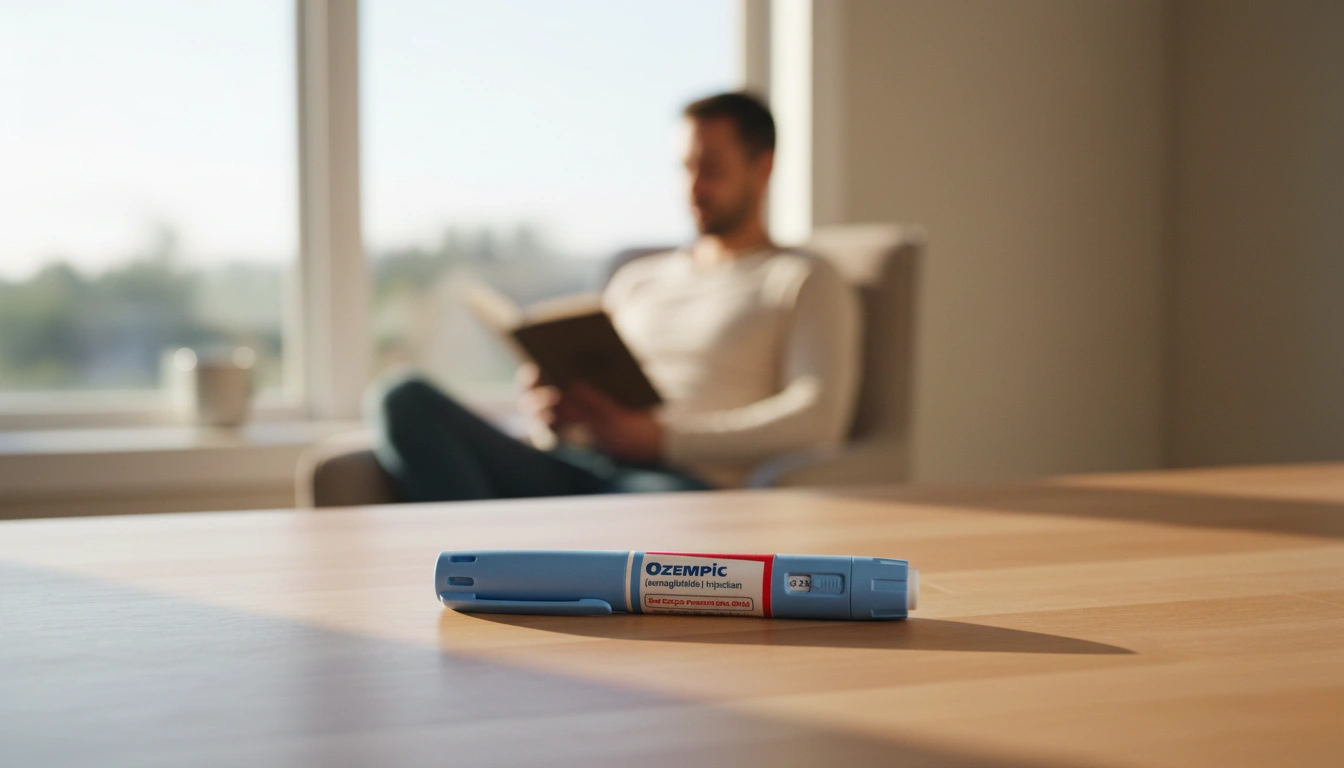
Introduction
Embarking on a weight loss journey, especially with the support of advanced medications like Ozempic, marks a significant step toward a healthier life. These innovative GLP-1 receptor agonists have emerged as powerful tools, revolutionizing how many individuals approach weight management and blood sugar control. They work by mimicking a natural hormone, helping to regulate appetite, slow digestion, and improve insulin secretion, ultimately leading to meaningful weight reduction. Yet, as with any powerful tool, its effectiveness is amplified when paired with the right strategy and understanding of how to best support your body.
Our journey at TrimRx began with a shared vision: to help individuals embrace healthier lifestyles by merging cutting-edge telehealth innovations with effective weight loss solutions. We understand that sustainable weight loss should be achieved through science, empathy, and a transparent approach. As you experience the appetite-suppressing effects of medications like Ozempic, a crucial question often arises: how do you ensure your body receives all the essential nutrients it needs, particularly protein, when you’re eating less? This isn’t just about losing weight; it’s about transforming your health in a sustainable way, preserving vital muscle mass, and optimizing your metabolic function for the long term.
This article will dive deep into the critical role protein plays while on Ozempic and other GLP-1 medications, offering science-backed insights into recommended intake levels and practical strategies to meet your nutritional goals. We’ll explore why adequate protein is non-negotiable for preserving muscle, supporting your metabolism, and enhancing overall well-being throughout your weight loss transformation. By the end, you’ll gain a comprehensive understanding of how to optimize your diet, mitigate potential challenges, and truly maximize the benefits of your weight loss program, moving beyond just the numbers on the scale. We invite you to explore with us how thoughtful nutrition, combined with medically supervised care, can pave the way for a healthier, stronger you.
Understanding Ozempic and the GLP-1 Revolution
Ozempic, a brand name for semaglutide, is a widely prescribed injectable medication initially developed for the treatment of type 2 diabetes. However, its significant efficacy in promoting weight loss has led to its broader recognition and use, with other semaglutide products like Wegovy® and tirzepatide products like Zepbound® receiving specific FDA approval for chronic weight management. These medications belong to a class known as GLP-1 (glucagon-like peptide-1) receptor agonists.
How GLP-1s Work Their Magic
At its core, semaglutide mimics the action of the natural GLP-1 hormone in your body. This hormone plays a multifaceted role in regulating glucose metabolism and appetite. When you take Ozempic, it initiates several beneficial physiological changes:
- Appetite Suppression: Ozempic targets areas of the brain that regulate hunger and satiety. It helps to reduce “food noise” – that constant nagging feeling or preoccupation with food – leading to a significant decrease in appetite and cravings. This natural reduction in hunger makes it easier to consume fewer calories, which is fundamental for weight loss.
- Slower Gastric Emptying: The medication slows down the rate at which food leaves your stomach. This means you feel fuller for longer after meals, preventing premature hunger and reducing the likelihood of overeating. This effect also contributes to better blood sugar control by moderating the rate at which glucose enters the bloodstream after eating.
- Insulin Secretion and Glucagon Inhibition: For individuals with type 2 diabetes, Ozempic enhances insulin secretion in a glucose-dependent manner (meaning it only works when blood sugar is high) and inhibits the release of glucagon, a hormone that raises blood sugar. These actions collectively lead to improved blood sugar control and lower hemoglobin A1c levels, which is a long-term marker of average blood sugar.
The combined effect of reduced appetite, increased satiety, and improved metabolic regulation creates an environment conducive to substantial and sustained weight loss. Many individuals experience significant reductions in body weight, often 10% or more, which brings with it a host of other health benefits beyond just the numbers on the scale. These benefits can include improvements in triglyceride and cholesterol levels, lower blood pressure, and a reduction in the risk of cardiovascular events like strokes and heart attacks.
Why Diet and Exercise Remain Essential Partners
While GLP-1 medications are incredibly effective, they are not a standalone solution. We believe that sustainable changes in blood sugar and body weight require a comprehensive, multipronged approach. Ozempic works alongside thoughtful diet and regular exercise to optimize both blood sugar control and body weight reduction. Continuing previous eating and exercise habits can diminish the medication’s full potential and delay progress.
Exercise, particularly strength training, increases your body’s sensitivity to insulin, further aiding in blood sugar management. A well-planned diet, rich in fiber and protein, helps stabilize energy levels and blood sugar, while also providing essential nutrients. At TrimRx, we emphasize that our programs provide a framework for success, offering doctor consultations, personalized medication plans—like Ozempic®, Wegovy®, Mounjaro®, or Zepbound®, along with Compounded Semaglutide, Oral Semaglutide, Compounded Tirzepatide, and Oral Tirzepatide—lab work, unlimited support, and convenient shipping. This holistic support is designed to empower you every step of the way. Our brand is empathetic, innovative, trustworthy, supportive, results-oriented, and personalized, offering compassionate care that respects every individual’s unique journey. To discover which personalized treatment plan might be right for you, we encourage you to take our free assessment quiz.
The Non-Negotiable Role of Protein When Taking Ozempic
As you experience reduced hunger and caloric intake on Ozempic, the quality of the calories you do consume becomes paramount. This is where protein steps into the spotlight as an indispensable macronutrient. While weight loss is the primary goal for many, ensuring that this weight loss comes predominantly from fat, not muscle, is critical for long-term health and success.
Why Protein is So Essential for Your Body
Protein is far more than just a nutrient for bodybuilders; it is a fundamental building block for virtually every cell and function in your body:
- Muscle Maintenance and Growth: Protein provides the amino acids necessary for muscle repair, synthesis, and preservation. Without adequate protein, especially in a calorie deficit, your body may start to break down its own muscle tissue to meet its amino acid needs. This is particularly relevant when rapid weight loss occurs, as the body seeks energy from available sources.
- Metabolic Regulation: Muscle tissue is metabolically active, burning more calories at rest than fat tissue. A robust muscle mass helps maintain a healthy resting metabolic rate, which is vital for sustained weight management and preventing a post-diet metabolic slowdown. Enzymes and hormones, many of which are proteins, also regulate crucial bodily functions, including nutrient processing and energy production.
- Satiety and Appetite Control: Protein is renowned for its ability to promote profound feelings of fullness and reduce hunger more effectively than carbohydrates or fats. This enhanced satiety can be particularly beneficial when on Ozempic, as it works synergistically with the medication to further curb cravings, prevent overeating, and help manage the “food noise” that many individuals experience.
- Immune System Function: Proteins are fundamental components of antibodies and other immune cells, which defend your body against infections and illnesses. Maintaining sufficient protein intake is vital for a robust immune response, especially during periods of caloric restriction.
- Tissue Repair and Healing: Protein is essential for the regeneration of all body tissues, aiding in wound healing, recovery from exercise, and maintaining the health and integrity of skin, hair, and nails.
- Blood Sugar Management: Protein has a minimal impact on blood sugar levels compared to carbohydrates. When consumed with carbohydrates, protein can help slow down glucose absorption, making it an excellent choice for stabilizing blood glucose, particularly important for those managing type 2 diabetes.
The Risks of Insufficient Protein Intake During Weight Loss with GLP-1s
While GLP-1 medications like Ozempic are incredibly effective for weight loss, the rapid reduction in body weight can sometimes lead to a significant loss of lean muscle mass if not properly managed through diet and activity. Studies suggest that without focused effort, up to 25-30% of the pounds shed on these drugs can be lean tissue. This isn’t just a cosmetic concern; it carries several profound health implications:
- Decreased Muscle Mass (Sarcopenia Risk): Accelerated weight loss, especially without adequate protein and resistance exercise, can hasten the onset of sarcopenia – the gradual loss of muscle mass, strength, and function typically associated with aging. Losing muscle reduces overall strength and stability, impacting daily activities and increasing the risk of falls and fractures, particularly in older adults who are already more susceptible to muscle decline.
- Lowered Resting Metabolic Rate: A significant loss of muscle mass means your body requires fewer calories to maintain basic functions. This metabolic slowdown makes it harder to sustain weight loss long-term and increases the likelihood of weight regain once medication is stopped or reduced. It creates a challenging environment for maintaining your hard-earned progress.
- Impact on Blood Sugar Management: Muscle is the primary tissue that absorbs glucose from the blood. A reduction in muscle mass can diminish glucose tolerance and negatively impact blood sugar control, potentially undermining one of the key benefits of Ozempic for individuals with type 2 diabetes. This can make managing blood glucose levels more challenging over time.
- Weakened Immune Function: Inadequate protein intake can compromise the immune system, making your body more susceptible to infections and slowing down recovery times.
- Fatigue and Sluggishness: Protein is crucial for steady energy levels and neurotransmitter production. A deficiency can contribute to chronic fatigue, low energy, and a general lack of vitality, making it harder to engage in daily activities and exercise.
- Nutrient Deficiencies: When overall food intake is significantly reduced due to appetite suppression, ensuring sufficient intake of all essential nutrients, including micronutrients, becomes challenging. Protein-rich foods often come packaged with other vital vitamins and minerals, and cutting these out can lead to broader nutritional gaps.
Recognizing these risks, prioritizing protein while on Ozempic becomes a proactive strategy for not just losing weight, but for improving your body composition, metabolic health, and overall quality of life. This is a core tenet of our personalized approach at TrimRx – ensuring that your weight loss is safe, effective, and tailored to your individual health needs. Our comprehensive service includes doctor consultations and lab work to help monitor your progress and ensure a balanced approach to your health journey. We believe in providing innovative, trustworthy, and supportive care every step of the way.
How Much Protein Should You Eat on Ozempic? Defining Your Daily Goals
Determining the optimal protein intake while on Ozempic is a key component of a successful and healthy weight loss strategy. While general dietary guidelines exist, individual needs can vary significantly based on factors like age, activity level, current weight, and overall health goals.
General Recommendations for Protein Intake
For most healthy, sedentary adults, the Recommended Dietary Allowance (RDA) for protein is 0.8 grams per kilogram of body weight per day (or about 0.36 grams per pound). This translates to approximately 56 grams daily for men and 46 grams for women. However, for individuals actively losing weight, especially with GLP-1 medications, this baseline is often insufficient to prevent muscle loss.
Many experts and medical weight loss programs, including bariatric diet guidelines, recommend a significantly higher protein intake for those on Ozempic or similar medications. The consensus often points to:
- 1.0 to 1.2 grams of protein per kilogram of body weight daily. This is often cited as a good general target for those aiming to preserve muscle during weight loss.
- Or, more simply, 0.5 to 0.7 grams of protein per pound of body weight. This makes calculations more straightforward for many individuals.
- Some recommendations even encourage 0.8 to 1.0 gram of protein per pound of body weight daily to optimize muscle preservation and support recovery, particularly when combined with regular strength training.
Let’s put this into perspective with a few examples:
- For an individual weighing 150 pounds (approximately 68 kg):
- At 0.5 grams/pound: approximately 75 grams of protein daily.
- At 0.7 grams/pound: approximately 105 grams of protein daily.
- At 0.8 grams/pound: approximately 120 grams of protein daily.
- For an individual weighing 200 pounds (approximately 91 kg):
- At 0.5 grams/pound: approximately 100 grams of protein daily.
- At 0.7 grams/pound: approximately 140 grams of protein daily.
- At 0.8 grams/pound: approximately 160 grams of protein daily.
These figures represent a significant increase over the standard RDA and are crucial for protecting your lean body mass and supporting your metabolism as you lose weight. It’s a proactive step to ensure your body composition improves optimally.
Special Considerations for Different Age Groups and Activity Levels
Protein requirements evolve throughout life, much like the changing needs of a growing plant. While younger adults might focus on muscle building, older adults have a heightened need for protein to combat age-related muscle loss (sarcopenia).
- Older Adults (over 50): Research from institutions like Stanford’s Longevity Center suggests that adults over 50 should consume at least 1.2 grams of protein per kilogram of body weight daily, higher than general recommendations. This elevated intake is vital for preserving muscle mass, maintaining strength, and preventing frailty, especially when combined with weight loss. For someone in this demographic on Ozempic, a higher end of the protein recommendations is often advisable to counteract accelerated muscle decline.
- Active Individuals: Those who incorporate regular exercise, particularly strength and resistance training, into their routine will also have higher protein needs to support muscle repair and recovery after workouts. Protein intake for this group may lean towards the 0.7-1.0 grams per pound of body weight range, depending on the intensity and frequency of their training.
Protein needs are deeply personal and dynamic. This is why our approach at TrimRx is rooted in individualized care. We understand that every individual’s journey is unique, and a one-size-fits-all solution rarely yields the best results. Our comprehensive program includes doctor consultations and unlimited support, ensuring you have the guidance to tailor your nutritional approach and confidently answer “how much protein should you eat on Ozempic” for your specific situation. To explore what a personalized plan could look like for you, we invite you to take our free assessment quiz.
Practical Strategies for Maximizing Protein Intake on Ozempic
Meeting increased protein targets while experiencing reduced appetite from Ozempic can be challenging, but it is entirely achievable with strategic planning and consistent effort. Here are actionable tips to help you optimize your protein intake and support your overall well-being.
Prioritizing Protein in Every Meal and Snack
One of the most effective strategies is to make protein the cornerstone of every eating occasion.
- Start with Protein: At each meal, aim to consume your protein source first. This ensures you get a substantial amount of protein before you feel full from other components of the meal, like carbohydrates or fats. Filling up on less protein-dense foods can make it harder to meet your daily goals.
- Even Distribution: Spreading your protein intake throughout the day is more beneficial than consuming it all in one or two large sittings. Aim for roughly 25-30 grams of protein at each main meal (breakfast, lunch, dinner) and incorporate protein-rich snacks between meals. This consistent supply of amino acids supports continuous muscle protein synthesis and keeps satiety levels stable.
- Example Breakfast: A generous serving of plain Greek yogurt (about 1.25 cups provides 20g protein) topped with a handful of nuts, or 2-3 scrambled eggs with a slice of cheese (yielding 15-25g protein).
- Example Lunch: 3-4 ounces of grilled chicken breast (25-35g protein) with a large salad, or a hearty lentil soup with a side of cottage cheese.
- Example Dinner: 4-5 ounces of baked salmon (30-40g protein) with steamed vegetables, or a substantial tofu stir-fry with quinoa.
- Small, Frequent Meals: Your stomach empties more slowly on Ozempic, so large meals can lead to discomfort and nausea. Opt for 5-6 smaller, balanced meals or snacks throughout the day. This approach also makes it easier to consistently consume enough protein without feeling overly full.
Smart Food Choices: Lean Proteins and Plant-Based Options
Focus on high-quality, lean protein sources that are nutrient-dense and align with your preferences. Finding protein-rich foods you genuinely enjoy will make adherence much easier.
Animal-Based Proteins:
- Lean Meats: Chicken breast (skinless), turkey, lean cuts of beef or pork (e.g., tenderloin, sirloin). These are excellent sources of complete protein.
- Fish and Seafood: Salmon, tuna, cod, shrimp, scallops, sardines, anchovies. These often provide healthy omega-3 fatty acids as well, which offer additional anti-inflammatory benefits.
- Eggs: A versatile, affordable, and complete protein source. Consider incorporating them at any meal.
- Dairy: Plain Greek yogurt, cottage cheese, milk (especially ultra-filtered milk, which often has a higher protein content than regular milk), and certain cheeses like string cheese or mozzarella.
Plant-Based Proteins:
- Legumes: Lentils, black beans, chickpeas, edamame, peas, peanuts. These are also excellent sources of fiber, which helps with satiety and digestive regularity.
- Soy Products: Tofu (firm or extra-firm), tempeh (fermented soy, often with a meatier texture), edamame. These are complete plant proteins.
- High-Protein Grains: Quinoa, oats, amaranth, bulgur. While not as protein-dense as legumes or soy, they contribute significantly, especially when paired.
- Nuts and Seeds: Almonds, chia seeds, flax seeds, pumpkin seeds, hemp seeds, nut butters. These are great for snacks or additions to meals, but remember they are calorie-dense.
For those pursuing a vegan or plant-based diet, combining a variety of plant proteins throughout the day (e.g., rice and beans, hummus and whole-wheat pita, lentils with whole grains) ensures you receive all essential amino acids for complete protein nutrition.
Incorporating Protein Supplements Thoughtfully
While whole foods should always be your primary source of nutrition, protein supplements can be valuable tools to help you meet your daily protein goals, especially when appetite is reduced or if you have specific dietary restrictions.
- Protein Powders: Whey, casein, and plant-based protein powders (pea, soy, rice, hemp) can be easily added to smoothies, shakes, oatmeal, or even certain baked goods. A standard scoop typically provides 20-25 grams of protein. Blending protein powder with milk (or a fortified plant-based alternative), Greek yogurt, and fruit can create a nutrient-dense, high-protein smoothie that is often easier to consume in liquid form when solid food feels daunting.
- Ready-to-Drink Protein Shakes and Bars: These offer convenient, pre-portioned protein boosts for busy lifestyles or quick snacks. When selecting these, carefully check labels for excessive added sugars or sugar alcohols (e.g., sorbitol, xylitol), which can sometimes cause gastrointestinal discomfort – a concern particularly when also managing potential GLP-1 side effects. Opt for options with minimal ingredients and higher protein-to-calorie ratios.
At TrimRx, we understand the need for convenient support that complements your personalized treatment plan. Our GLP-1 Daily Support and Weight Loss Boost supplements are designed for immediate purchase to support overall wellness during your weight loss journey, helping to bridge nutritional gaps and provide essential building blocks for your body.
Beyond Protein: Other Crucial Dietary Components
While protein is central, a balanced diet incorporates other macronutrients and micronutrients to support overall health and mitigate potential side effects.
- Fiber-Rich Fruits and Vegetables: These are low in calories but high in fiber, which helps you feel full longer, supports digestive regularity (crucial for counteracting GLP-1 induced constipation), and provides essential vitamins, minerals, and antioxidants. Aim for half of your plate to be non-starchy vegetables like leafy greens, bell peppers, broccoli, and zucchini.
- Healthy Fats: Unsaturated fats found in avocados, nuts, seeds, and olive oil contribute to satiety, support hormone production, and provide heart-healthy benefits. They should be consumed in moderation, as high-fat foods can sometimes exacerbate nausea for some individuals on GLP-1s due to slower gastric emptying.
- Whole Grains (in moderation): Complex carbohydrates like brown rice, quinoa, whole-wheat bread and pasta, farro, and oats offer sustained energy and additional fiber. They are digested and absorbed more slowly than refined carbohydrates, preventing sharp blood sugar spikes and keeping you fuller for longer. Starchy vegetables such as potatoes and sweet potatoes also fall into this category.
Eating Habits and Hydration Strategies
- Eat Slowly and Mindfully: It takes about 20 minutes for your brain to register fullness signals. Eating slowly allows your body to catch up, preventing overeating and subsequent discomfort. Pay attention to your body’s signals of satisfaction, rather than simply cleaning your plate.
- Separate Food and Drink: Drinking large amounts of liquid immediately before or during meals can fill up your stomach, leaving less room for nutrient-dense food, especially protein. Try to hydrate primarily between meals. If you feel the need to wash a bite down, take small sips.
- Hydration is Key: GLP-1s can sometimes reduce your sense of thirst, making intentional hydration even more vital. Staying well-hydrated with water or zero-calorie beverages (like unsweetened tea or sparkling water) is crucial to help mitigate common side effects like constipation and nausea. Aim for 8-10 glasses daily. If nausea is an issue, sipping on ginger tea can be particularly helpful.
Foods to Limit or Avoid
To minimize side effects and optimize nutrient intake:
- Greasy and Fried Foods: These can significantly worsen nausea and digestion due to the slower gastric emptying associated with GLP-1s. Opt for baked, grilled, steamed, or roasted preparations instead.
- Sugary and Ultra-Processed Foods: These often lack nutritional value, contribute to blood sugar spikes and crashes, and can lead to cravings and nausea. They also tend to be very calorie-dense without providing substantial protein or fiber, making them counterproductive when you have limited appetite.
- Alcohol: Is not nutrient-dense and can further dehydrate you or contribute to gastrointestinal discomfort, making it generally advisable to limit or avoid, especially early in your GLP-1 journey.
The Indispensable Role of Movement and Exercise
While nutrition is a cornerstone of success on Ozempic, integrating regular physical activity, particularly strength and resistance training, is equally vital for optimizing your results and preserving your health. These two components work synergistically to support your body’s transformation.
Why Exercise Matters on GLP-1 Therapy
Exercise complements the effects of Ozempic by addressing several critical aspects of weight loss and overall health:
- Muscle Preservation and Growth: Strength training is the most effective way to stimulate muscle protein synthesis, directly combating the risk of muscle loss associated with rapid weight reduction. When combined with adequate protein intake, resistance exercise helps build and maintain precious lean muscle mass. This is crucial for maintaining strength, mobility, and a healthy metabolism, ensuring that the weight you lose is primarily fat.
- Enhanced Insulin Sensitivity: Physical activity, especially resistance training, increases your body’s sensitivity to insulin. This means your cells become more efficient at absorbing glucose from your bloodstream, further improving blood sugar control. This is particularly beneficial for those managing type 2 diabetes and helps to maintain stable energy levels.
- Bone Density Support: Muscle mass and bone density are interconnected. Preserving and building muscle through strength training indirectly supports bone health, helping to reduce the risk of osteoporosis and fractures, which can be a concern with significant weight loss.
- Metabolic Boost: A higher proportion of muscle mass translates to a higher resting metabolic rate, meaning your body burns more calories even when at rest. This helps prevent the metabolic slowdown that can occur with weight loss and significantly aids in long-term weight maintenance, making it easier to sustain your progress.
- Improved Digestion and Side Effect Management: Regular physical activity, even moderate walking, can help stimulate bowel movements and alleviate constipation, a common side effect of GLP-1 medications. Movement naturally aids the digestive process.
- Mental Well-being: Exercise is a powerful mood booster, reducing stress, alleviating symptoms of anxiety and depression, and improving sleep quality. These are indirect but significant contributors to overall well-being and adherence during a weight loss journey, helping you to feel more resilient and motivated.
Recommendations for Physical Activity
- Strength Training: Aim for at least 2-3 sessions per week, targeting all major muscle groups. This doesn’t necessarily require a gym membership; bodyweight exercises (squats, push-ups, planks), resistance bands, or dumbbells at home can be highly effective. Focus on compound movements that work multiple muscles simultaneously for maximum benefit.
- Cardiovascular Exercise: Incorporate at least 150 minutes of moderate-intensity aerobic activity (like brisk walking, swimming, cycling, or dancing) per week. This supports cardiovascular health, helps with calorie expenditure, and further improves insulin sensitivity. Gradually increasing duration or intensity is key.
- Listen to Your Body and Be Patient: When starting or adjusting an exercise routine, especially while on a new medication, it’s crucial to listen to your body and start gradually. Begin with manageable activities and slowly increase intensity or duration as your stamina and strength improve. As your body adapts to Ozempic, you may find your energy levels improving, allowing for more intense or prolonged workouts.
- Find Activities You Enjoy: The key to consistency is enjoyment. Whether it’s hiking, dancing, yoga, or team sports, find activities that you look forward to.
At TrimRx, we believe in a holistic approach to weight loss that integrates all aspects of your health. Our personalized programs, which include doctor consultations and unlimited support, empower you to adopt sustainable lifestyle changes that extend beyond medication. We merge cutting-edge telehealth innovations with effective weight loss solutions, providing a user-friendly and supportive space for your journey. To begin personalizing your path to wellness and discovering how physical activity can be integrated into your plan, take our free assessment quiz.
Navigating Side Effects and Sustaining Your Progress
While Ozempic and other GLP-1 medications offer incredible benefits, it’s important to be prepared for potential side effects and understand how to navigate them effectively, particularly in the context of nutrition and daily life. Being proactive in managing these can significantly improve your experience and adherence to your personalized plan.
Managing Common Side Effects
The most common side effects of GLP-1 medications are gastrointestinal, including nausea, vomiting, diarrhea, and constipation. These are often more pronounced when you first start the medication or when your dosage is increased, as your body adjusts to the treatment.
- Nausea:
- Small, Frequent Meals: Eating smaller portions more often throughout the day can be easier on your stomach than two or three large meals.
- Avoid Triggers: Steer clear of greasy, fried, very sweet, or spicy foods, which can exacerbate nausea.
- Bland Options: Opt for bland, easy-to-digest foods initially, such as toast, crackers, plain rice, or broth-based soups.
- Stay Hydrated: Sip on water, clear broths, or sugar-free beverages throughout the day. Ginger tea, ginger candies, or even just smelling fresh ginger can be very helpful for easing nausea.
- Eat Slowly: Give your stomach time to process food and signal fullness to your brain.
- Constipation:
- Increase Fiber: Incorporate more fiber-rich foods into your diet, such as fruits, vegetables, whole grains, and legumes. Psyllium husk or other fiber supplements can also be considered, but always discuss with your healthcare provider first.
- Ensure Adequate Hydration: Water is crucial for softening stool and promoting regular bowel movements.
- Regular Physical Activity: Even moderate exercise like walking can help stimulate bowel movements and alleviate constipation.
- If Symptoms Persist or are Severe: If you experience severe or persistent side effects, such as frequent vomiting, severe constipation, or a complete lack of appetite to the point where you can’t eat, it’s crucial to reach out to your healthcare provider immediately. Your GLP-1 dosing may need to be adjusted to ensure your comfort and safety. We are committed to transparent service, and our approach remains consistent regardless of dosage changes, always prioritizing your well-being and tailoring your plan to your body’s response.
Long-Term Adaptation and Sustained Success
It’s common to feel overwhelmed or challenged during the initial weeks of GLP-1 therapy as your body adjusts. However, many individuals find that their body adapts over time. Side effects often lessen, and your appetite may regulate to a new normal, making it easier to consistently hit your protein goals and maintain healthy eating habits. This period of adaptation requires patience and self-compassion.
Our brand is empathetic, innovative, trustworthy, supportive, results-oriented, and personalized. We offer compassionate care that respects every individual’s unique journey. We believe in empowering you with knowledge and support to foster sustainable habits that will serve you long after your initial weight loss goals are met. Beyond the medication itself, success on Ozempic hinges on cultivating a lifestyle that prioritizes nutrient-dense foods, adequate protein, regular physical activity, and mindful eating. These foundational habits are what truly lead to lasting change.
We are dedicated to safety by working exclusively with FDA-registered and inspected pharmacies for the shipping of weight loss medications. While TrimRx partners with these pharmacies for medication delivery, it’s important to clarify that TrimRx does not provide actual medical supervision; instead, our comprehensive service includes consultations with licensed medical professionals who provide supervision as part of your personalized treatment plan. This ensures you receive medically sound advice and care throughout your journey, from initial assessment to ongoing support.
Remember, GLP-1 agonists are powerful tools to support you on your health journey. You still have to nourish your body with enough fuel – and the right fuels – to perform optimally. Staying engaged with your nutrition and activity plan will allow these medications to help you achieve profound and lasting positive health impacts. If you’re ready to explore a personalized, medically supervised weight loss solution tailored to your needs, we invite you to take our free assessment quiz today.
Conclusion
The journey toward sustainable weight loss and improved metabolic health with Ozempic is a profound one, offering a powerful avenue for transformation. However, as we’ve explored, the effectiveness of this innovative medication is significantly amplified when paired with a deliberate and informed nutritional strategy, with protein taking center stage. Understanding how much protein you should eat on Ozempic is not merely a dietary recommendation; it’s a foundational pillar for preserving vital muscle mass, maintaining a healthy metabolism, enhancing satiety, and ultimately, ensuring your weight loss is safe, effective, and truly sustainable.
We’ve delved into the mechanisms of GLP-1 medications, highlighting their role in appetite suppression and blood sugar regulation, and underscored why diet and exercise are indispensable companions. Crucially, we emphasized the risks of neglecting protein intake, from muscle loss and a lowered metabolic rate to potential impacts on long-term weight maintenance and overall health. By embracing higher protein targets—often ranging from 0.5 to 1.0 gram per pound of body weight—and distributing this intake strategically throughout your day, you empower your body to shed fat while safeguarding precious lean muscle.
Moreover, we’ve provided practical, actionable strategies for incorporating diverse protein sources into your diet, utilizing supplements wisely, and balancing your plate with fiber-rich foods and healthy fats. We’ve also highlighted the critical role of consistent physical activity, particularly strength training, in complementing your nutritional efforts and fortifying your body. At TrimRx, our brand values of empathy, innovation, trustworthiness, and support guide our commitment to personalized care. We believe in combining advanced medical science with modern technology to provide compassionate support that respects your unique journey. Our platform offers a user-friendly and supportive space where individuals receive personalized, medically supervised care, designed to make sustainable weight loss attainable and tailored to the individual.
As you navigate your path to wellness, remember that this journey is about more than just losing weight; it’s about building a healthier, stronger, and more resilient you. By prioritizing protein, staying hydrated, engaging in regular physical activity, and making informed dietary choices, you are actively investing in your long-term health. We are here to support you with comprehensive services that include doctor consultations, medication provided through FDA-registered and inspected pharmacies, lab work, unlimited support, and shipping.
Are you ready to optimize your weight loss journey with a truly personalized plan that considers all aspects of your health? We invite you to take our free assessment quiz to see if you qualify for our prescription weight loss medications, including Compounded Semaglutide, Oral Semaglutide, Ozempic®, Compounded Tirzepatide, Oral Tirzepatide, Mounjaro®, Zepbound®, and Wegovy®. For immediate support and to enhance your overall wellness during this transformative process, explore our quick-access supplements: GLP-1 Daily Support and Weight Loss Boost. Together, we can unlock your potential for lasting health and vitality.
Frequently Asked Questions
Q1: Why is protein so important specifically when taking Ozempic?
A1: When taking Ozempic (or other GLP-1 medications), you naturally eat less due to the medication’s appetite-suppressing effects. While this leads to beneficial weight loss, there’s a significant risk of losing valuable lean muscle mass along with body fat. Protein is crucial because it provides the essential amino acids needed to preserve muscle tissue, maintain your resting metabolic rate, and keep you feeling fuller for longer, which is vital for achieving healthy, sustainable weight loss and preventing metabolic slowdown in the long term.
Q2: What are the common protein intake recommendations for individuals on Ozempic?
A2: While individual needs vary based on factors like age, current weight, and activity level, most experts and medical weight loss programs recommend a significantly higher protein intake than the standard dietary allowance. A common guideline is to aim for 1.0 to 1.2 grams of protein per kilogram of body weight, or approximately 0.5 to 0.7 grams of protein per pound of body weight daily. For some, especially those who are very active or older, even higher amounts, up to 0.8-1.0 gram per pound, may be advised. It’s often beneficial to distribute this protein evenly across your meals and snacks to maximize muscle protein synthesis.
Q3: How can I ensure I’m getting enough protein when my appetite is reduced by Ozempic?
A3: To combat reduced appetite, focus on prioritizing lean protein sources at every meal, eating them first. Incorporate protein-rich snacks like plain Greek yogurt, cottage cheese, nuts, seeds, or hard-boiled eggs throughout the day. Protein powders and ready-to-drink shakes can also be excellent, convenient supplements, especially when appetite for solid food is low. Remember to eat slowly, hydrate between meals, and consider our GLP-1 Daily Support or Weight Loss Boost supplements for additional wellness support.
Q4: Besides protein, what other dietary and lifestyle factors are important while on Ozempic?
A4: Alongside adequate protein, focus on a balanced diet rich in fiber (from fruits, vegetables, and whole grains) to aid digestion, promote fullness, and manage constipation, a common side effect. Incorporate healthy fats in moderation for satiety and essential nutrients. Staying well-hydrated with water or zero-calorie beverages is critical for managing potential side effects like nausea and constipation. Equally important is regular physical activity, particularly strength training, which works synergistically with protein to preserve muscle mass, boost your metabolism, and improve overall health. To explore a comprehensive and personalized plan, including medication and lifestyle guidance, we encourage you to take our free assessment quiz.

Transforming Lives, One Step at a Time
Keep reading

Ozempic and Colorectal Cancer: What the New Research Shows
Colorectal cancer is the third most commonly diagnosed cancer in the United States and one of the cancers most strongly linked to obesity, metabolic…

Does Ozempic Reduce Cancer Risk: What the Research Shows
The connection between obesity and cancer has been established for decades. What’s newer, and genuinely interesting, is emerging evidence that GLP-1 medications like Ozempic…

When to Stop Ozempic Before Surgery: Aspiration Risk Explained
If you’re scheduled for surgery and you’re currently taking Ozempic or another GLP-1 medication, there’s a specific conversation you need to have with your…


