Fueling Your Journey: What Food Not to Eat on Mounjaro for Optimal Results
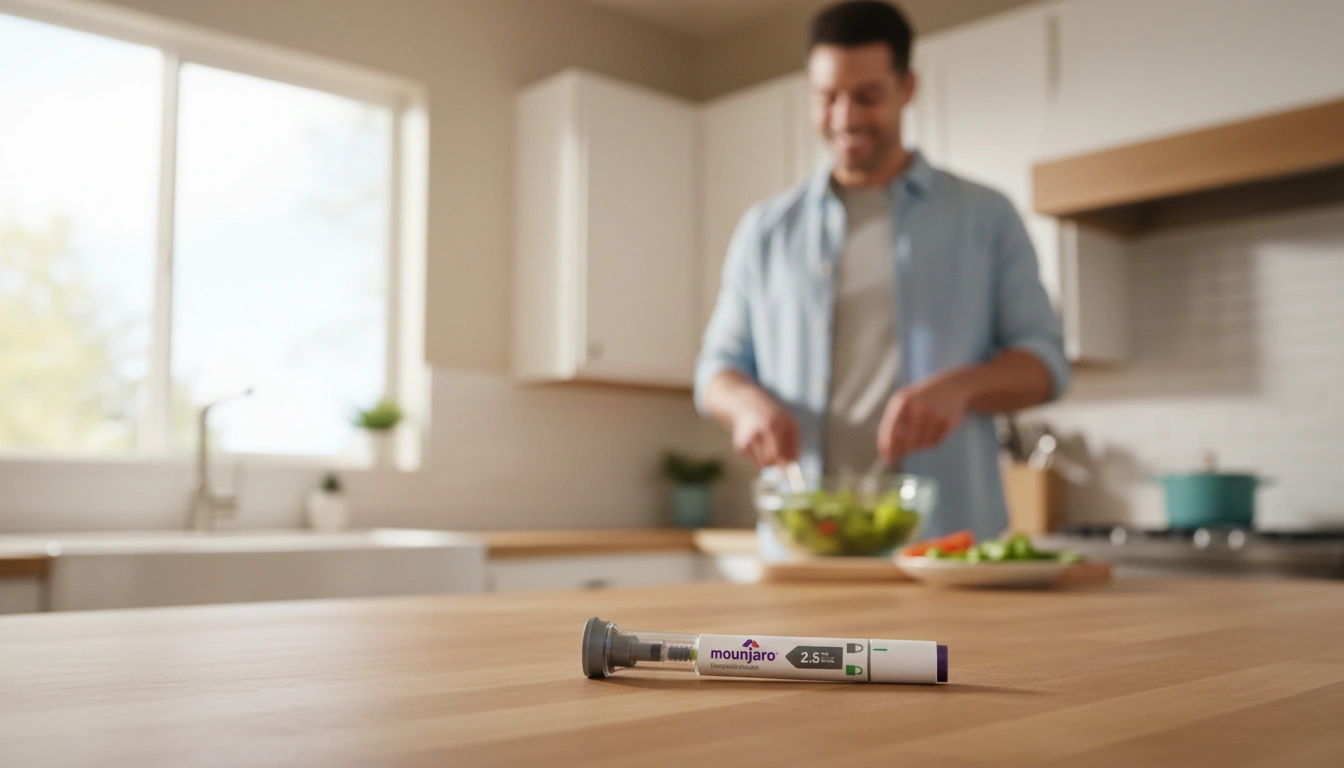
Navigating a weight loss journey, especially with the support of powerful medications like Mounjaro, can feel like charting a new course. You’re committed to making changes, and you understand the importance of your treatment. But a question often arises: beyond taking the medication, how can you truly maximize its benefits and ensure sustainable progress? The answer often lies in the seemingly simple yet profound choices we make about what we eat.
Introduction
Many individuals embarking on a weight management journey with Mounjaro experience a significant shift in their relationship with food. The medication, by influencing appetite and blood sugar regulation, empowers you to make different choices. However, for Mounjaro to truly shine and deliver its full potential, it requires a thoughtful partnership with your diet. It’s not just about eating less; it’s about eating smarter, understanding which foods support your body and which might inadvertently hinder your progress or exacerbate potential side effects.
At TrimRx, our journey began with a shared vision: to help individuals embrace healthier lifestyles by merging cutting-edge telehealth innovations with effective, personalized weight loss solutions. We understand that sustainable weight loss should be achieved through science, empathy, and a transparent approach. This commitment extends to providing you with comprehensive guidance, empowering you to make informed decisions that complement your treatment.
This detailed guide aims to illuminate the dietary landscape for those utilizing Mounjaro (Tirzepatide) in their weight management strategy. We’ll explore the crucial role diet plays in enhancing Mounjaro’s effectiveness, dive deep into the specific foods that are best to limit or avoid, and highlight the nourishing options that will support your goals. By the end of this post, you’ll have a clearer roadmap for a diet that not only works with your medication but also fosters long-term health and well-being, paving the way for lasting success on your unique path.
Understanding Mounjaro and the Power of Synergistic Nutrition
Mounjaro, containing the active ingredient tirzepatide, represents a significant advancement in metabolic health. It is a prescription medication, initially approved for managing blood sugar levels in individuals with type 2 diabetes, that has also shown remarkable efficacy in weight management. To truly appreciate the dietary considerations, it’s helpful to understand how Mounjaro works within your body.
How Mounjaro Works: A Dual Action Approach
Tirzepatide is a novel agent that acts as a dual agonist for both glucagon-like peptide-1 (GLP-1) and glucose-dependent insulinotropic polypeptide (GIP) receptors. These are two natural incretin hormones that play crucial roles in regulating metabolism:
- Blood Sugar Control: Mounjaro stimulates the release of insulin from the pancreas in a glucose-dependent manner, meaning it helps your body produce insulin when blood sugar levels are high. It also reduces glucagon secretion, a hormone that raises blood sugar, and improves insulin sensitivity, making your body more responsive to the insulin it produces.
- Appetite Regulation and Satiety: By mimicking the actions of GLP-1 and GIP, Mounjaro influences satiety centers in the brain, leading to a reduced appetite and increased feelings of fullness after meals. It also slows gastric emptying, meaning food stays in your stomach longer, contributing to prolonged satiety and helping to curb overeating.
This dual action not only helps stabilize blood sugar but also contributes significantly to weight loss by naturally reducing calorie intake. However, this powerful medication is not a magic bullet; its full potential is unlocked when supported by a balanced, mindful eating approach.
Why Your Dietary Choices Are Paramount on Mounjaro
Think of Mounjaro as a highly efficient engine. To run optimally, an engine needs the right fuel. Similarly, your body, while supported by Mounjaro, still requires thoughtful nutritional input. Our dietary choices directly impact how well Mounjaro can perform and how comfortably you experience your weight loss journey.
- Enhancing Effectiveness: The foods you consume directly influence blood sugar levels and satiety. Opting for nutrient-dense, balanced meals helps Mounjaro regulate these processes more effectively, leading to more consistent blood sugar control and sustained appetite suppression.
- Minimizing Side Effects: Mounjaro can sometimes cause gastrointestinal side effects such as nausea, vomiting, diarrhea, or constipation. Certain foods are known to exacerbate these symptoms, while others can help soothe them. Making informed food choices can significantly improve your comfort and adherence to the treatment.
- Building Sustainable Habits: While Mounjaro assists with weight loss, our ultimate goal at TrimRx is to help you achieve sustainable health. Integrating healthy eating habits with your medication is crucial for maintaining weight loss long-term, even if your treatment plan evolves. We believe in providing compassionate care that respects every individual’s unique journey, combining advanced medical science with modern technology to help you build these lasting habits.
If you’re wondering how Mounjaro might fit into your personalized health strategy and how a tailored diet can amplify its effects, we invite you to take our free assessment quiz. This quick assessment can help determine your eligibility for our prescription weight loss medications and provide a foundation for a truly individualized treatment plan.
Foods to Embrace: Building a Foundation for Success with Mounjaro
While we will extensively cover what food not to eat on Mounjaro, it’s equally important to focus on the abundance of nutritious foods that will support your body and enhance the medication’s effects. Building a diet rich in these beneficial categories forms the backbone of a successful weight loss journey.
Lean Proteins: The Satiety Powerhouses
Protein is critical when you’re aiming for weight loss, especially with medications that reduce appetite. It helps you feel full and satisfied for longer, reducing cravings and preventing overeating. Protein also supports the preservation of lean muscle mass, which is vital for maintaining a healthy metabolism.
Excellent Lean Protein Sources:
- Poultry: Skinless chicken and turkey breast.
- Fish and Seafood: Salmon, cod, tuna, shrimp, scallops. Fatty fish like salmon and mackerel also provide beneficial omega-3 fatty acids.
- Eggs: A versatile and complete protein source.
- Plant-Based Proteins: Tofu, tempeh, lentils, chickpeas, black beans, edamame, and lean protein meat substitutes.
- Low-Fat Dairy: Greek yogurt (high in protein), cottage cheese, skim milk.
Aim for at least 60 grams of protein daily, or even higher (1.0 to 1.2 grams per kilogram of body weight) depending on your individual needs and activity level. For example, a serving of Greek yogurt for breakfast, grilled chicken at lunch, and tempeh at dinner can help you easily meet your protein targets.
Non-Starchy Vegetables: Fiber-Rich and Nutrient-Packed
Non-starchy vegetables are low in calories, high in fiber, and packed with essential vitamins, minerals, and antioxidants. Their high fiber content promotes digestive health, adds volume to meals, and helps stabilize blood sugar levels, all while contributing to feelings of fullness.
Top Non-Starchy Vegetables:
- Leafy Greens: Spinach, kale, lettuce, Swiss chard.
- Cruciferous Vegetables: Broccoli, cauliflower, Brussels sprouts, cabbage.
- Other Choices: Bell peppers, zucchini, cucumber, mushrooms, asparagus, green beans, tomatoes, onions, artichoke hearts.
Make these vegetables the cornerstone of your meals, aiming to fill half of your plate with them at lunch and dinner.
Whole Grains and Complex Carbohydrates: Sustained Energy
Unlike refined carbohydrates, whole grains and complex carbohydrates are digested slowly due to their fiber content. This gradual digestion provides sustained energy, prevents rapid blood sugar spikes, and helps maintain stable energy levels throughout the day, reducing the likelihood of cravings.
Smart Whole Grain Choices:
- Whole Wheat Products: Whole wheat bread, whole wheat pasta.
- Ancient Grains: Quinoa, farro, bulgur, barley.
- Brown Rice: A fiber-rich alternative to white rice.
- Oats: Especially rolled or steel-cut oats, which are less processed.
It’s important to consume these in appropriate portion sizes, as even healthy carbohydrates can contribute to excess calorie intake if overconsumed.
Healthy Fats: Essential for Well-being and Satiety
Healthy fats are vital for hormone production, nutrient absorption (especially fat-soluble vitamins), and overall cell function. They also contribute to satiety, helping you feel satisfied after meals and reducing the urge to snack unnecessarily.
Sources of Beneficial Fats:
- Avocado: Rich in monounsaturated fats.
- Nuts and Seeds: Almonds, walnuts, chia seeds, flax seeds, pumpkin seeds.
- Olive Oil: A staple in healthy cooking.
- Fatty Fish: Salmon, mackerel, sardines (also excellent protein sources).
While healthy, fats are calorie-dense, so moderation is key. A drizzle of olive oil, a handful of nuts, or a slice of avocado can make a significant difference in meal satisfaction.
Prioritizing Hydration: Your Body’s Best Friend
Staying adequately hydrated is fundamental to overall health and particularly important on a weight loss journey with Mounjaro. Water has no calories and can help you manage body weight. It aids digestion, helps with nutrient transport, and can sometimes be mistaken for hunger, so drinking enough water can prevent unnecessary snacking. If you experience digestive side effects from Mounjaro, like nausea or constipation, proper hydration can help manage these symptoms.
Consider incorporating herbal teas or infused waters (with fruit slices like lemon or berries) to vary your fluid intake without adding sugar.
Embracing these nutrient-dense foods will not only optimize Mounjaro’s effects but also foster a healthier relationship with eating. To discover how these dietary principles can be integrated into a complete, personalized strategy, we encourage you to take our free assessment quiz and see if you qualify for a tailored weight loss program.
What Food Not to Eat on Mounjaro: Navigating Dietary Pitfalls
While focusing on nutrient-rich foods is essential, understanding what food not to eat on Mounjaro is equally critical for maximizing its effectiveness, minimizing side effects, and supporting your overall health goals. Certain food categories can counteract Mounjaro’s benefits, cause discomfort, or simply provide empty calories that hinder your progress.
Sugary Foods and Beverages: The Saboteurs of Blood Sugar Stability
One of Mounjaro’s primary mechanisms involves regulating blood sugar. Consuming sugary foods and drinks can rapidly spike blood glucose levels, challenging Mounjaro’s ability to maintain stability and potentially leading to energy crashes and increased cravings. These items are typically high in calories and offer little nutritional value, undermining weight loss efforts.
Specific Sugary Items to Limit or Avoid:
- Processed Sweets: Cakes, cookies, pastries, candy, chocolate bars.
- Desserts: Ice cream, sugary puddings, pies.
- Sweetened Beverages: Regular sodas, energy drinks, sweetened teas, fruit juices (even 100% fruit juice can be high in natural sugars and low in fiber compared to whole fruit), specialty coffees with added syrups and sugar.
- Sugary Breakfast Cereals: Often laden with added sugars and refined grains.
When you crave something sweet, opt for whole fruits with their natural fiber, or consider our GLP-1 Daily Support supplement, formulated to assist with healthy cravings and energy levels, or our Weight Loss Boost for immediate metabolic support.
Fried and Highly Processed Foods: A Recipe for Discomfort and Stalled Progress
Fried and processed foods are often high in unhealthy saturated and trans fats, refined carbohydrates, and excessive sodium. These foods are notoriously difficult to digest, and for individuals on Mounjaro, they can exacerbate common gastrointestinal side effects like nausea, heartburn, stomach cramps, and indigestion. Beyond discomfort, they contribute significantly to calorie intake without providing substantial nutrition, which can hinder weight loss. Research indicates a link between the consumption of fried food and an increased risk of becoming overweight or obese, partly due to the adipogenic effect of trans fats, promoting fat cell development.
Examples of Fried and Processed Foods to Steer Clear Of:
- Fast Food Staples: French fries, fried chicken, burgers (especially with fatty toppings).
- Pre-packaged Meals: Microwave meals, ready-to-eat dinners, instant noodles.
- Salty Snacks: Crisps, crackers, processed cheese snacks.
- Processed Meats: Bacon, sausages, ham, salami, hot dogs.
- Baked Goods: Doughnuts, many commercial pastries and muffins.
Choosing lean protein sources and preparing meals at home using healthy cooking methods like baking, grilling, or steaming can make a significant difference.
Refined Carbohydrates: Empty Calories, Rapid Spikes
Refined carbohydrates have been stripped of their fiber and many beneficial nutrients during processing. This means they are rapidly digested, leading to quick spikes in blood sugar, similar to sugary foods. They offer little satiety, making it easy to overeat and contributing to weight gain and an increased risk of cardiovascular disease.
Common Refined Carbohydrates to Minimize:
- White Bread and Products: White bread, bagels, rolls, many commercial cereals.
- White Rice: Opt for brown rice or quinoa instead.
- Refined Pasta: Choose whole wheat pasta for more fiber.
- Crackers and Snack Foods: Many are made with refined flours.
Focusing on whole grains, as discussed earlier, is a key strategy for managing carbohydrate intake effectively while on Mounjaro.
High Glycemic Index (GI) Fruits and Vegetables: A Nuanced Approach
While fruits and vegetables are generally celebrated for their health benefits, some, particularly those with a high glycemic index, can cause a more rapid increase in blood sugar compared to their lower-GI counterparts. This isn’t to say they should be entirely avoided, but individuals sensitive to blood sugar fluctuations or managing specific dietary needs may wish to consume them in moderation or prioritize lower-GI alternatives.
Higher GI Fruits and Vegetables to be Mindful Of:
- Fruits: Ripe or yellow bananas, mango, grapes, dates, pineapple, watermelon.
- Vegetables: Potatoes (especially white potatoes), carrots (when cooked), parsnips, beetroot, sweetcorn.
When consuming these, pairing them with protein or healthy fats can help mitigate rapid blood sugar spikes. For instance, enjoying a small portion of a higher-GI fruit with a handful of nuts or a dollop of Greek yogurt.
Alcohol: A Multifaceted Detriment to Your Progress
Alcohol consumption can pose several challenges to a weight loss journey with Mounjaro. It’s high in empty calories, meaning it provides energy without significant nutritional value. Beyond calories, alcohol can:
- Interfere with Fat Burning: Your liver prioritizes processing alcohol, temporarily halting fat metabolism.
- Increase Hunger and Cravings: Alcohol can lower inhibitions and stimulate appetite, leading to poor food choices.
- Impact Blood Sugar: Alcohol can cause unpredictable fluctuations in blood sugar, including a sudden and risky drop (hypoglycemia), especially for those also managing type 2 diabetes with Mounjaro.
- Worsen Side Effects: Alcohol can dehydrate you and exacerbate gastrointestinal discomfort.
It’s advisable to significantly limit or avoid alcohol while on Mounjaro. If you choose to drink, do so in very strict moderation and be mindful of portion sizes.
Foods That Worsen Mounjaro’s Side Effects
Beyond general unhealthy eating, certain characteristics of food can specifically aggravate Mounjaro’s common digestive side effects (nausea, vomiting, diarrhea, constipation):
- Greasy or Very Fatty Foods: These are harder to digest and can increase nausea or stomach upset.
- Very Sweet Foods: Can overwhelm the digestive system and lead to discomfort.
- Spicy Foods: May irritate the stomach lining.
- Caffeine: While not a food, excessive caffeine intake can contribute to dehydration and exacerbate stomach upset in some individuals.
- High-Fiber Foods (if experiencing diarrhea): Paradoxically, while fiber is usually good, a sudden increase or very high intake of fiber can worsen diarrhea for some. If this is the case, gradually reintroduce fiber or choose soluble fiber sources.
By being mindful of what food not to eat on Mounjaro, you can significantly improve your comfort, enhance the medication’s efficacy, and accelerate your progress towards your weight loss goals. Making these adjustments is an act of self-care, aligning your dietary choices with the powerful support Mounjaro offers. To explore how a comprehensive, medically supervised plan can integrate these dietary principles, don’t hesitate to take our free assessment quiz.
Strategies for Success: Practical Tips for a Mounjaro-Friendly Diet
Successfully navigating your diet on Mounjaro involves more than just knowing what food not to eat on Mounjaro. It requires practical strategies and a supportive mindset. Our goal at TrimRx is to provide a user-friendly and supportive space where individuals receive personalized, medically supervised care, all designed to make sustainable weight loss attainable and tailored to the individual.
Embrace Meal Planning and Preparation
One of the most effective ways to stay on track is to plan your meals ahead of time. This reduces the temptation to grab unhealthy, processed options when hunger strikes.
- Weekly Meal Prep: Dedicate a few hours each week to planning your meals and preparing components. Cook lean proteins, chop vegetables, and portion out snacks.
- Smart Shopping: Create a detailed grocery list based on your meal plan to avoid impulse buys and ensure you have all the necessary ingredients for healthy cooking.
- Batch Cooking: Prepare larger quantities of healthy dishes that can be eaten over several days, such as a big batch of quinoa, roasted vegetables, or a lean protein stew.
Master Portion Control
Mounjaro often naturally reduces your appetite, making portion control easier. However, it’s still an important skill to practice, even with healthy foods.
- Visual Cues: Use smaller plates and bowls to make portions appear larger.
- Measure and Weigh: Especially when first starting, measuring ingredients and serving sizes can help you understand appropriate portions.
- Listen to Your Body: Pay close attention to your hunger and fullness cues. Eat slowly and stop when you feel satisfied, not stuffed. Mounjaro helps you feel full faster, so honor those signals.
Hydration as a Cornerstone
We’ve emphasized hydration, but it bears repeating. Consistent water intake is crucial for managing hunger signals, aiding digestion, and mitigating potential side effects.
- Carry a Water Bottle: Keep water accessible throughout the day.
- Set Reminders: Use apps or alarms to remind you to drink water regularly.
- Vary Your Intake: Experiment with unsweetened teas, sparkling water with lemon, or water infused with fruits and herbs.
Managing Side Effects Through Food Choices
Mounjaro’s common side effects are often gastrointestinal. Strategic food choices can help alleviate them:
- Nausea: Opt for bland, easy-to-digest foods like plain crackers, toast, clear broths, or ginger tea. Avoid overly rich, fatty, or spicy foods. Eat smaller, more frequent meals.
- Constipation: Increase your intake of fiber (from whole grains, fruits, vegetables, and legumes) and ensure adequate hydration.
- Diarrhea: Focus on easily digestible, low-fiber foods initially, like bananas, rice, applesauce, and toast (BRAT diet components). Gradually reintroduce fiber as symptoms improve.
Partner with TrimRx for Comprehensive Support
Your weight loss journey is unique, and our approach at TrimRx reflects that. We are committed to transparent service, ensuring our approach remains consistent, whether you’re starting on a new dosage or maintaining your progress. We work exclusively with FDA-registered and inspected pharmacies for the shipping of weight loss medications, ensuring your safety and peace of mind. While we partner with these pharmacies for medication, it’s important to remember that TrimRx does not provide actual medical supervision; that comes through your consultation with a qualified doctor.
Our comprehensive service includes:
- Doctor Consultations: Expert medical guidance tailored to your health profile.
- Medication: Access to clinically proven prescription weight loss medications like Compounded Semaglutide, Oral Semaglutide, Ozempic®, Compounded Tirzepatide, Oral Tirzepatide, Mounjaro®, Zepbound®, and Wegovy® (subject to eligibility determined by our free assessment quiz). Note that our compounded medications are provided through FDA-registered, inspected, and approved pharmacies, while branded medications like Ozempic® and Zepbound® have their own FDA approval.
- Lab Work: Essential diagnostic testing to inform your treatment plan.
- Unlimited Support: Our team is here for you every step of the way, offering guidance and encouragement.
- Shipping: Convenient delivery of your medication directly to your door with no hidden fees.
In addition to our personalized prescription programs, we offer quick-access supplements designed to support your overall wellness during your weight loss journey. Consider our GLP-1 Daily Support to help manage cravings and energy, or our Weight Loss Boost for immediate metabolic assistance. These are available for immediate purchase without needing a quiz.
Embracing a New Relationship with Food
Changing your eating habits is a journey, not a destination. It requires patience, consistency, and self-compassion. With Mounjaro as a powerful ally, you have an incredible opportunity to reset your relationship with food, focusing on nourishing your body, managing your health, and achieving lasting well-being.
Consider tracking your food intake and how you feel after eating different types of foods. This personal tracking can provide invaluable insights into what works best for your body while on Mounjaro. Reflect on how your current eating patterns align with the advice provided on what food not to eat on Mounjaro. What small, manageable changes can you implement this week?
We are here to support you in every aspect of your weight loss journey. By understanding what food not to eat on Mounjaro and actively choosing supportive, nutrient-rich options, you are investing in a healthier, more vibrant future.
Conclusion
Embarking on a weight loss journey with Mounjaro is a significant step towards better health, and your dietary choices play an indispensable role in its success. We’ve explored how Mounjaro’s dual action on GLP-1 and GIP receptors works to regulate blood sugar and curb appetite, setting the stage for effective weight management. To truly optimize these benefits, understanding what food not to eat on Mounjaro is as crucial as knowing which foods to embrace.
We’ve highlighted the importance of limiting or avoiding sugary foods and beverages that can destabilize blood sugar, fried and highly processed foods that lead to discomfort and empty calories, refined carbohydrates that offer little nutritional value, and excessive alcohol that can hinder progress. Instead, we encourage you to build your diet around lean proteins, fiber-rich non-starchy vegetables, whole grains, and healthy fats, all while prioritizing consistent hydration. These choices not only enhance Mounjaro’s efficacy but also minimize potential side effects, ensuring a more comfortable and sustainable path to your goals.
At TrimRx, we believe that your journey should be supported by science, empathy, and a transparent approach. Our platform offers personalized, medically supervised care, integrating cutting-edge telehealth with effective weight loss solutions. We stand by you, providing comprehensive services including doctor consultations, medication from FDA-registered and inspected pharmacies, lab work, unlimited support, and convenient shipping, all designed to make sustainable weight loss attainable and tailored to you.
Are you ready to discover how a personalized plan, coupled with mindful eating, can transform your health? We invite you to take our free assessment quiz to see if you qualify for our prescription weight loss programs. For immediate support for your wellness journey, explore our GLP-1 Daily Support and Weight Loss Boost supplements. Together, we can build a healthier, more vibrant you.
Frequently Asked Questions (FAQs)
What types of foods are generally best to avoid or limit while taking Mounjaro?
While on Mounjaro, it’s generally best to limit or avoid foods high in sugar, such as candies, sugary drinks, and desserts, as these can cause blood sugar spikes and offer little nutritional value. Additionally, minimize fried and highly processed foods, which are often high in unhealthy fats and refined carbohydrates, as they can exacerbate gastrointestinal side effects and hinder weight loss. Refined carbohydrates like white bread and white rice, along with excessive alcohol, should also be limited.
Can I still eat fruit and vegetables with a high glycemic index on Mounjaro?
Yes, you can still eat fruits and vegetables with a higher glycemic index (GI), but it’s advisable to do so in moderation and be mindful of portion sizes, especially if you are sensitive to blood sugar fluctuations. Pairing higher-GI options like ripe bananas or potatoes with lean protein or healthy fats can help mitigate rapid blood sugar spikes. Focus primarily on low-GI, non-starchy vegetables and fruits for the bulk of your intake.
How can I manage common Mounjaro side effects like nausea through my diet?
To manage nausea, a common side effect of Mounjaro, focus on bland, easy-to-digest foods such as plain crackers, toast, clear broths, and ginger tea. Avoid overly rich, greasy, spicy, or very sweet foods, as these can worsen stomach upset. Eating smaller, more frequent meals throughout the day instead of large ones can also help keep nausea at bay.
Does TrimRx offer support for dietary planning alongside Mounjaro?
Absolutely. At TrimRx, we believe in a holistic approach to weight loss. Our personalized programs, available after you take our free assessment quiz, include doctor consultations that can help you understand how to integrate dietary changes with your medication. While we don’t provide explicit meal plans, our comprehensive service, including unlimited support, guides you in making informed food choices that complement your Mounjaro treatment for optimal results. We also offer quick-access supplements like GLP-1 Daily Support and Weight Loss Boost to support overall wellness.

Transforming Lives, One Step at a Time
Keep reading

How to Choose Between Ozempic and Mounjaro
If you’ve spent any time researching GLP-1 medications for weight loss, you’ve probably landed on this question eventually. Ozempic and Mounjaro are the two…

Mounjaro Savings Card: Eli Lilly Programs Explained
Mounjaro carries a list price of over $1,000 per month without insurance. For people managing type 2 diabetes or pursuing weight loss with tirzepatide,…

Effective Strategies for Managing Your Journey: What Helps Nausea From Mounjaro and How to Stay on Track
Discover what helps nausea from Mounjaro with our expert guide. Explore dietary tips, hydration strategies, and natural remedies to manage side effects effectively.


