Fueling Your Journey: What Nuts Can You Eat on Mounjaro?
Introduction
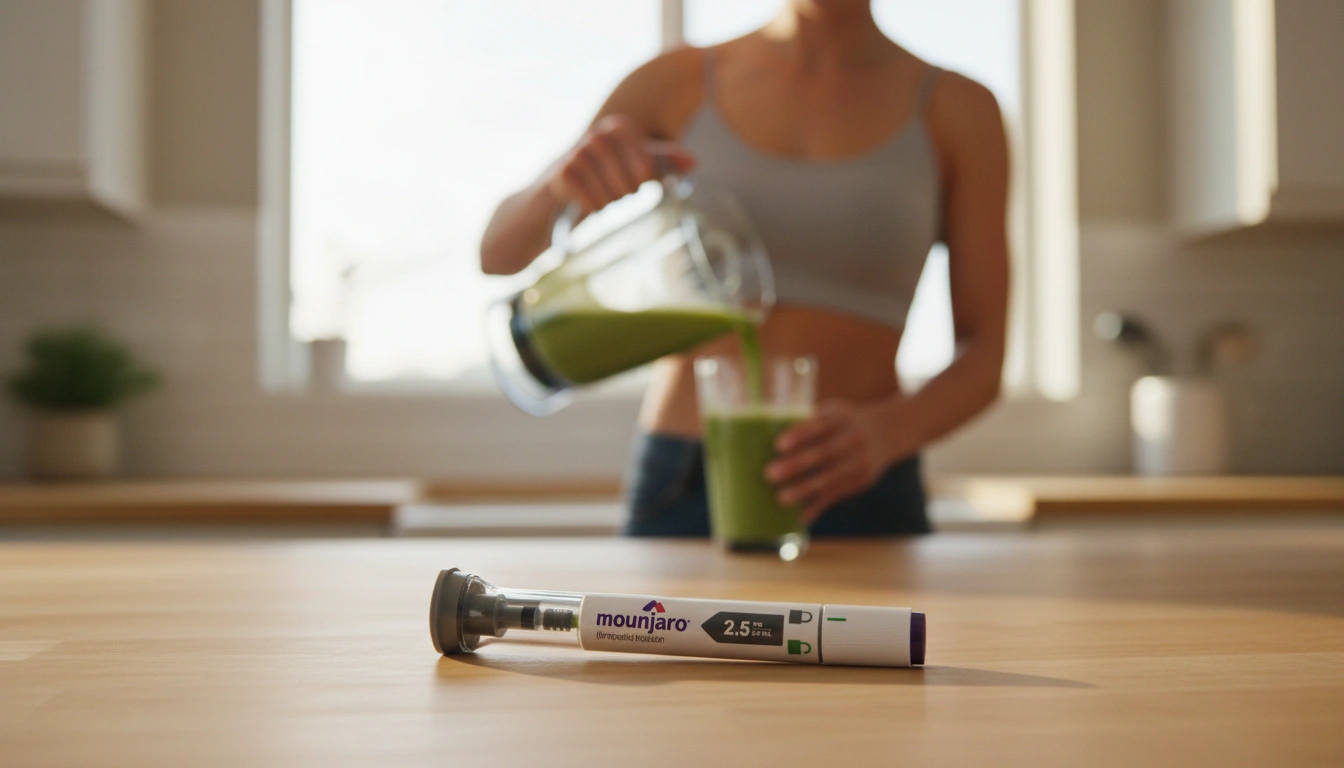
Many individuals seeking to manage their weight and blood sugar often find themselves navigating a complex landscape of dietary choices. With advancements in medical weight management, medications like Mounjaro (tirzepatide) have offered a new pathway for those with type 2 diabetes, and its benefits extend to significant weight loss. This potent medication works by mimicking natural hormones to help regulate appetite and blood sugar, yet its full potential is unlocked when paired with thoughtful dietary choices. Often, a common question arises regarding nutrient-dense foods: specifically, what nuts can you eat on Mounjaro to support your health goals?
Understanding the synergistic relationship between medication and nutrition is paramount for achieving sustainable results and minimizing potential side effects. Nuts, often lauded for their rich nutritional profiles, present a compelling option for healthy snacking and meal enhancement. However, their high caloric density and specific nutrient compositions require careful consideration.
This comprehensive guide aims to illuminate the crucial role of diet while on Mounjaro, with a particular focus on integrating healthy fats, protein, and fiber through the inclusion of various nuts. We will delve into the specific types of nuts that best align with a Mounjaro-supported diet, exploring their unique benefits for satiety, blood sugar management, and overall well-being. Furthermore, we’ll discuss the importance of portion control and how to seamlessly incorporate these power-packed foods into your daily routine. By the end of this post, you’ll have a clear understanding of how to make informed choices, empowering you to optimize your health journey alongside your medical treatment. Together, we’ll explore practical insights and evidence-based recommendations, ensuring you feel confident in making dietary decisions that complement your personalized weight loss plan.
Understanding Mounjaro and Its Impact on Your Diet
Mounjaro, with its active ingredient tirzepatide, represents a significant innovation in the management of type 2 diabetes and, for many, a powerful tool in their weight loss journey. It operates as a dual agonist for both glucagon-like peptide-1 (GLP-1) and glucose-dependent insulinotropic polypeptide (GIP) receptors. This unique mechanism helps in several ways: it stimulates insulin release when blood sugar is high, reduces glucagon levels (which typically raise blood sugar), slows gastric emptying, and influences areas of the brain that regulate hunger and satiety. The combined effect leads to improved blood sugar control and a reduction in appetite, making it easier for individuals to consume fewer calories and achieve weight loss.
While Mounjaro is an FDA-approved medication for type 2 diabetes, its sister medication, Zepbound, also contains tirzepatide and is FDA-approved specifically for chronic weight management. Regardless of the specific prescription, the principle remains the same: these medications work most effectively when integrated with a supportive lifestyle, and diet is a cornerstone of that support.
Our journey at TrimRx began with a shared vision to help individuals embrace healthier lifestyles by merging cutting-edge telehealth innovations with effective weight loss solutions. We understand that medication is just one piece of the puzzle. The foods you choose significantly impact not only the medication’s efficacy but also your overall well-being, energy levels, and the management of potential gastrointestinal side effects such as nausea, constipation, or diarrhea. Prioritizing nutrient-dense, whole foods helps to stabilize blood sugar, promotes satiety, and provides essential vitamins and minerals, all of which contribute to a more comfortable and successful experience. Our personalized weight loss programs emphasize this holistic approach, providing medically supervised care designed to make sustainable weight loss attainable and tailored to each individual. If you’re wondering if a personalized approach like ours is right for you, we encourage you to take our free assessment quiz to see if you qualify for our prescription weight loss medications and receive a tailored plan.
The Pillars of a Mounjaro-Friendly Diet
A successful diet plan while on Mounjaro revolves around whole, unprocessed foods that support stable blood sugar, promote satiety, and provide sustained energy. This approach not only maximizes the therapeutic benefits of the medication but also helps mitigate common side effects.
Prioritizing Whole Foods for Optimal Results
The foundation of a Mounjaro-friendly diet is built upon several key food groups, each contributing vital nutrients and helping to create balanced meals:
Fruits for Fiber and Antioxidants
Fruits are excellent sources of fiber, vitamins, and antioxidants. When selecting fruits, prioritizing those with a lower glycemic index can help prevent rapid blood sugar spikes, a critical consideration for individuals managing diabetes. Berries (strawberries, blueberries, raspberries), apples, pears, and citrus fruits are excellent choices. The fiber content helps slow digestion, contributing to a feeling of fullness that can aid in weight loss. Aim for 1.5–2 cups of fruit per day, opting for fresh or frozen varieties, and being mindful of added sugars in canned or dried options.
Vegetables for Nutrient Density
Vegetables, especially non-starchy varieties, should make up a significant portion of your plate. They are low in calories and carbohydrates but rich in fiber, vitamins, and minerals. Leafy greens, broccoli, Brussels sprouts, cauliflower, bell peppers, and zucchini are fantastic choices that support digestive health, stable blood sugar levels, and heart health. Filling half your plate with these colorful vegetables enhances satiety without adding excessive calories. Fresh and frozen vegetables retain the most nutrients, but low-sodium canned options are also viable when rinsed thoroughly.
Whole Grains for Sustained Energy
Unlike refined grains, whole grains offer a lower glycemic index and a steadier release of energy. Their fiber content is crucial for promoting satiety and preventing blood sugar fluctuations. Incorporating options like brown rice, quinoa, oats, barley, and whole-wheat bread or pasta can help maintain energy levels throughout the day and reduce cravings. Aim for 3-5 servings of whole grains daily, ensuring they are truly whole grain and low in added sugars.
Lean Proteins for Muscle Preservation and Satiety
Protein is vital for maintaining muscle mass during weight loss and promoting a sustained feeling of fullness, both of which are critical when taking Mounjaro. Because protein takes longer to digest, it helps stabilize blood sugar and can also assist in reducing common gastrointestinal side effects. Excellent sources include skinless chicken, turkey, fish (salmon, tuna, trout), eggs, tofu, tempeh, and legumes (beans, lentils). Many experts recommend aiming for 1.0 to 1.2 grams of protein per kilogram of body weight daily, especially for those focused on weight loss and muscle preservation. Our comprehensive service, which includes doctor consultations and unlimited support, can help you determine personalized protein needs.
Healthy Fats for Essential Nutrients and Satiety
Not all fats are created equal, and healthy fats are an indispensable component of a Mounjaro-friendly diet. These unsaturated fats, found in foods like avocados, fatty fish, olive oil, and nuts and seeds, play a crucial role in supporting brain function, hormone production, and the absorption of fat-soluble vitamins (A, D, E, K). Moreover, they contribute significantly to satiety, helping you feel satisfied longer and reducing the temptation to snack on less healthy options. While healthy fats are beneficial, it’s worth noting that individuals may react differently to fatty foods, and some may need to limit their intake if experiencing increased gastrointestinal side effects. Our empathetic and personalized approach at TrimRx means we respect every individual’s unique journey, and our support extends to helping you navigate such dietary sensitivities.
We believe that sustainable weight loss should be achieved through science, empathy, and a transparent approach. For those looking for immediate support to complement their journey, our GLP-1 Daily Support supplement and Weight Loss Boost supplement are available for immediate purchase to support overall wellness.
What Nuts Can You Eat on Mounjaro? A Detailed Guide
Given their rich composition of healthy fats, protein, and fiber, nuts are often an excellent addition to a Mounjaro-supported diet. They can be a satisfying snack, help manage hunger between meals, and contribute to stable blood sugar levels. However, mindful consumption is key due to their caloric density.
Top Nut Choices for Your Mounjaro Journey
Let’s delve into specific nuts that are particularly beneficial and how they support your health goals:
Almonds
- Nutritional Profile: Almonds are packed with monounsaturated fats, fiber, protein, Vitamin E, magnesium, and calcium.
- Benefits: Their combination of fiber and healthy fats promotes satiety, helping to curb appetite. The magnesium helps with blood sugar control, and their low glycemic index ensures a steady release of energy. A 2017 study published in the journal Nutrients highlighted almonds’ role in improving glycemic control in individuals with type 2 diabetes.
- Integration: A small handful (about ¼ cup or 23 almonds) as a snack, sprinkled over oatmeal, yogurt, or salads.
Walnuts
- Nutritional Profile: Walnuts are unique for being one of the best plant-based sources of omega-3 fatty acids (alpha-linolenic acid, ALA), alongside protein, fiber, and antioxidants.
- Benefits: Omega-3s are renowned for their anti-inflammatory properties and heart health benefits. The fiber and protein content contributes to fullness, while the healthy fats support brain health and sustained energy. Research published in Diabetes Care has shown that consistent nut consumption, including walnuts, can be beneficial for those at risk of or living with diabetes.
- Integration: Add a small portion (¼ cup or about 7 whole walnuts) to Greek yogurt, mix into a salad, or enjoy as a standalone snack.
Pistachios
- Nutritional Profile: Pistachios offer a good source of protein, fiber, healthy fats, and potassium. They are also rich in antioxidants and lutein, beneficial for eye health.
- Benefits: Known as the “lean green bean” of the nut family, pistachios provide a satisfying crunch and contribute to satiety. Their unique blend of nutrients supports healthy blood pressure and blood sugar regulation. A 2014 meta-analysis in The American Journal of Clinical Nutrition found that pistachio consumption could improve glycemic and lipid parameters.
- Integration: Enjoy a serving of approximately 49 nuts as a portion-controlled snack, or incorporate them into savory dishes for added texture and nutrition.
Pecans
- Nutritional Profile: Pecans are rich in monounsaturated fats, fiber, protein, and antioxidants, particularly ellagic acid, which has protective cellular benefits.
- Benefits: Similar to other nuts, pecans contribute to sustained energy and satiety due to their healthy fat and fiber content. They support cardiovascular health and can help stabilize blood glucose.
- Integration: A serving size of about 15-20 pecan halves can be added to cereals, salads, or consumed as a snack.
Cashews
- Nutritional Profile: Cashews contain healthy fats, protein, fiber, and are a good source of minerals like magnesium, zinc, and iron.
- Benefits: Cashews offer a slightly creamier texture and contribute to feelings of fullness. Their magnesium content is beneficial for muscle and nerve function, as well as blood sugar control.
- Integration: A small serving (¼ cup or about 18 cashews) is ideal for snacking or adding to stir-fries and curries.
Hazelnuts
- Nutritional Profile: Hazelnuts are high in monounsaturated fats, Vitamin E, manganese, and fiber.
- Benefits: They support heart health, provide a steady energy release, and contribute to satiety. Vitamin E is a powerful antioxidant.
- Integration: Roughly 20 whole hazelnuts make a good portion for a snack, or they can be chopped and added to oatmeal.
Brazil Nuts
- Nutritional Profile: Brazil nuts are famously rich in selenium, a powerful antioxidant and crucial mineral for thyroid function, in addition to healthy fats, protein, and fiber.
- Benefits: Just one or two Brazil nuts can provide your daily selenium needs. Their nutritional profile supports satiety and overall metabolic health.
- Integration: Due to their high selenium content, limit consumption to 1-2 nuts per day to avoid excessive intake.
The Importance of Portion Control
While nuts offer incredible health benefits, their caloric density means portion control is paramount. A small handful (typically ¼ cup or 1 ounce) is generally recommended as a serving size. Over-consumption can quickly lead to an excess of calories, potentially hindering weight loss progress. It’s helpful to pre-portion nuts into small containers to avoid mindless overeating.
How to Prepare Your Nuts
For optimal health benefits and to avoid unwanted additives, opt for raw or dry-roasted, unsalted nuts. Avoid nuts that are candied, heavily salted, flavored with artificial ingredients, or roasted in unhealthy oils. These additions can counteract the positive effects by introducing excessive sugar, sodium, or unhealthy fats.
Nut Butters: A Convenient Alternative
Natural, unsweetened nut butters (like almond butter or peanut butter) can also be a valuable addition. They offer the same benefits as whole nuts in a spreadable form. Always check labels to ensure there are no added sugars or hydrogenated oils. Again, portion control (typically 1-2 tablespoons) is crucial due to their concentrated caloric content. Spreading them on apple slices, celery sticks, or whole-grain toast can create a balanced, satisfying snack.
Our brand is empathetic, innovative, trustworthy, supportive, results-oriented, and personalized. We offer compassionate care that respects every individual’s unique journey by combining advanced medical science with modern technology. We highlight that our commitment to transparent service and safety by working exclusively with FDA-registered and inspected pharmacies ensures you receive high-quality medications for your weight loss journey. Remember, while we partner with these pharmacies for shipping, actual medical supervision is provided by our licensed healthcare providers who craft your personalized plan.
Integrating Nuts and a Balanced Diet with TrimRx
Successfully integrating nuts and other healthy foods into your diet while on Mounjaro requires a personalized approach. What works for one person might not be ideal for another, especially given individual preferences, metabolic responses, and potential side effects. This is where TrimRx truly shines, offering comprehensive support that goes beyond just medication.
Building Your Personalized Plate
When thinking about your daily meals and snacks, consider the balance of lean protein, high-fiber carbohydrates (from whole grains, fruits, and vegetables), and healthy fats. Nuts can easily fit into this framework:
- Breakfast Boost: Add a sprinkle of chopped almonds or walnuts to your morning oatmeal or a dollop of unsweetened almond butter to a smoothie.
- Mid-Day Fuel: A small, pre-portioned bag of pistachios or cashews can be an excellent way to stave off hunger between lunch and dinner.
- Salad Enhancer: Toasted pecans or slivered almonds can add a delightful crunch and extra nutrients to your lunchtime salad, paired with lean protein and plenty of non-starchy vegetables.
- Yogurt Topper: A few walnuts or hazelnuts can elevate plain Greek yogurt, providing a satisfying blend of protein, healthy fats, and fiber.
Navigating Dietary Challenges and Side Effects
Mounjaro’s mechanism of slowing gastric emptying can sometimes lead to gastrointestinal side effects such as nausea, indigestion, or constipation. While nuts are generally healthy, their fat and fiber content can be a factor. If you experience discomfort, you might need to:
- Adjust Portion Sizes: Reduce the amount of nuts you consume at once.
- Choose Lower-Fat Nuts: Some nuts have a slightly lower fat content, or you might find certain types more digestible than others.
- Increase Hydration: Adequate water intake is critical, especially when consuming high-fiber foods, to help prevent constipation.
- Listen to Your Body: Pay close attention to how different foods affect you. Our supportive approach means we encourage you to communicate openly with your healthcare provider about any dietary concerns.
At TrimRx, our comprehensive service includes doctor consultations, medication (provided through FDA-registered and inspected pharmacies), lab work, unlimited support, and shipping with no hidden fees. This means you have access to medical guidance to help you make informed decisions about your diet and manage any challenges. Our platform is a user-friendly and supportive space where individuals receive personalized, medically supervised care—all designed to make sustainable weight loss attainable and tailored to the individual.
TrimRx’s Tailored Solutions for Your Journey
We understand that every weight loss journey is unique. That’s why we offer a range of solutions to meet diverse needs:
Personalized Weight Loss Programs with Prescription Medications
For those seeking powerful, medically supervised weight loss, we offer access to prescription medications such as:
- Compounded Semaglutide
- Oral Semaglutide
- Ozempic® (FDA-approved for type 2 diabetes)
- Compounded Tirzepatide
- Oral Tirzepatide
- Mounjaro® (FDA-approved for type 2 diabetes)
- Zepbound® (FDA-approved for chronic weight management)
- Wegovy® (FDA-approved for chronic weight management)
To determine your eligibility and receive a truly personalized treatment plan, we invite you to take our free assessment quiz. This quiz is the first step towards a tailored approach that aligns with your specific health profile and goals.
Quick-Access Supplements for Immediate Support
In addition to our personalized prescription programs, we offer quick-access supplements that do not require a quiz and are available for immediate purchase to support overall wellness during your weight loss journey:
- GLP-1 Daily Support: Designed to complement your efforts by providing daily wellness support.
- Weight Loss Boost: Formulated to give your body an extra lift in its journey toward healthy weight management.
These supplements are designed to provide foundational support, making them a great complement to a balanced diet and an active lifestyle.
Our commitment to transparent service means that our approach remains consistent regardless of dosage changes in your personalized plan. We are focused on safety and work exclusively with FDA-registered and inspected pharmacies for the shipping of weight loss medications.
Beyond Nuts: Foods to Limit or Avoid on Mounjaro
While focusing on nutrient-rich foods like nuts is crucial, understanding what to limit or avoid is equally important to maximize Mounjaro’s effectiveness and minimize side effects.
Foods That Can Hinder Your Progress
- Sugary Foods and Beverages: Candies, cakes, cookies, sodas, and sweetened teas offer empty calories and can cause rapid blood sugar spikes, directly counteracting Mounjaro’s benefits. High sugar intake also contributes to weight gain and can worsen diabetes complications.
- Highly Processed Foods: Chips, fast food, pre-packaged snacks, and cold cuts often contain unhealthy fats, excessive sodium, and added sugars. These foods can disrupt blood sugar levels, contribute to water retention, and undermine weight loss efforts.
- Refined Carbohydrates: White bread, white rice, sugary cereals, and pastries are low in fiber and have a high glycemic index, leading to quick blood sugar spikes and increased hunger.
- Unhealthy Fats (Trans and Excessive Saturated Fats): Fried foods, fatty cuts of red meat, and high-fat condiments like creamy dressings can worsen gastrointestinal side effects and negatively impact cardiovascular health. Mounjaro already slows digestion, and these fats can exacerbate feelings of fullness and discomfort.
- Alcohol: Alcohol is calorie-dense and can lower blood sugar, which, combined with Mounjaro’s effects, could increase the risk of hypoglycemia. It can also increase appetite and reduce inhibitions, making it harder to stick to your dietary plan.
Making conscious choices to limit these foods empowers you to take greater control over your health. TrimRx is here to provide the supportive environment and expert guidance you need to navigate these choices effectively, ensuring your journey is as smooth and successful as possible. Explore our options by taking our free assessment quiz or considering our immediate support supplements like GLP-1 Daily Support and Weight Loss Boost.
Conclusion
Embarking on a weight loss journey with Mounjaro is a significant step toward a healthier life, and the choices you make regarding your diet are instrumental in maximizing its benefits. As we’ve explored, incorporating nutrient-dense foods, particularly a variety of carefully portioned nuts, can play a vital role in supporting satiety, stabilizing blood sugar, and providing essential nutrients. Almonds, walnuts, pistachios, pecans, cashews, hazelnuts, and Brazil nuts each offer unique health advantages, enriching your diet with healthy fats, protein, and fiber.
Remember, the goal is not merely restriction but intelligent selection and mindful consumption. By prioritizing whole foods—lean proteins, vibrant fruits and vegetables, wholesome grains, and beneficial fats—while limiting processed items, sugary treats, and unhealthy fats, you create an optimal environment for Mounjaro to work effectively. Hydration and a listening ear to your body’s signals are equally important, ensuring comfort and sustainable progress.
At TrimRx, we are dedicated to safe, effective weight loss and individualized care. Our platform stands as a testament to our vision of merging cutting-edge telehealth innovations with effective, personalized solutions. We believe that sustainable weight loss is achieved through science, empathy, and a transparent approach, providing compassionate care that respects every individual’s unique journey. Our commitment to your success is evident in our comprehensive service, which includes doctor consultations, medication from FDA-registered and inspected pharmacies, lab work, unlimited support, and transparent shipping processes.
Are you ready to truly personalize your weight loss journey and explore how our medically supervised programs can support you? Take the next step towards a healthier, more vibrant you by completing our free assessment quiz. Discover if you qualify for a tailored treatment plan designed to help you achieve your health goals. For immediate support and to enhance your overall wellness, consider our quick-access supplements like GLP-1 Daily Support and Weight Loss Boost. We’re here to support you every step of the way, empowering you with the tools and knowledge for lasting well-being.
Frequently Asked Questions
What is the ideal portion size for nuts on Mounjaro?
While nuts are highly nutritious, they are also calorie-dense. A general recommendation for a serving size is about ¼ cup, or approximately 1 ounce, which equates to roughly 23 almonds, 18 cashews, or 7 whole walnuts. It’s crucial to measure your portions to ensure you’re benefiting from their nutrients without exceeding your caloric goals. Pre-portioning nuts into small containers can be a helpful strategy to manage intake throughout the day.
Can nut butters be consumed on Mounjaro?
Yes, natural, unsweetened nut butters can be a healthy addition to your diet while on Mounjaro. Look for brands that list only nuts as ingredients, avoiding those with added sugars, hydrogenated oils, or excessive sodium. Similar to whole nuts, portion control is key; typically, 1-2 tablespoons is considered a serving. They can be spread on fruit slices, whole-grain crackers, or incorporated into smoothies.
Are there any nuts to strictly avoid while taking Mounjaro?
There are no specific nuts that are strictly “forbidden” when taking Mounjaro. However, it’s advisable to avoid nuts that are heavily processed, such as those that are candied, excessively salted, flavored with artificial ingredients, or roasted in unhealthy oils. These additions can undermine the health benefits of the nuts by contributing unwanted sugars, sodium, and unhealthy fats. Always choose raw, dry-roasted, or lightly roasted and unsalted varieties.
How do nuts help with Mounjaro side effects?
Nuts, particularly due to their fiber and protein content, can help manage certain Mounjaro side effects. The fiber aids in promoting regular bowel movements, which can be beneficial if experiencing constipation. The combination of protein and healthy fats contributes to prolonged satiety, potentially reducing feelings of hunger and helping to stabilize blood sugar, which can indirectly help prevent nausea associated with an empty stomach or rapid blood sugar fluctuations. However, for some individuals, high-fat foods, including nuts, might temporarily exacerbate gastrointestinal discomfort, so it’s important to monitor your personal response and adjust portions accordingly.

Transforming Lives, One Step at a Time
Keep reading

How to Choose Between Ozempic and Mounjaro
If you’ve spent any time researching GLP-1 medications for weight loss, you’ve probably landed on this question eventually. Ozempic and Mounjaro are the two…

Mounjaro Savings Card: Eli Lilly Programs Explained
Mounjaro carries a list price of over $1,000 per month without insurance. For people managing type 2 diabetes or pursuing weight loss with tirzepatide,…

Effective Strategies for Managing Your Journey: What Helps Nausea From Mounjaro and How to Stay on Track
Discover what helps nausea from Mounjaro with our expert guide. Explore dietary tips, hydration strategies, and natural remedies to manage side effects effectively.


