Fueling Your Journey: What to Eat When Taking Ozempic for Optimal Results
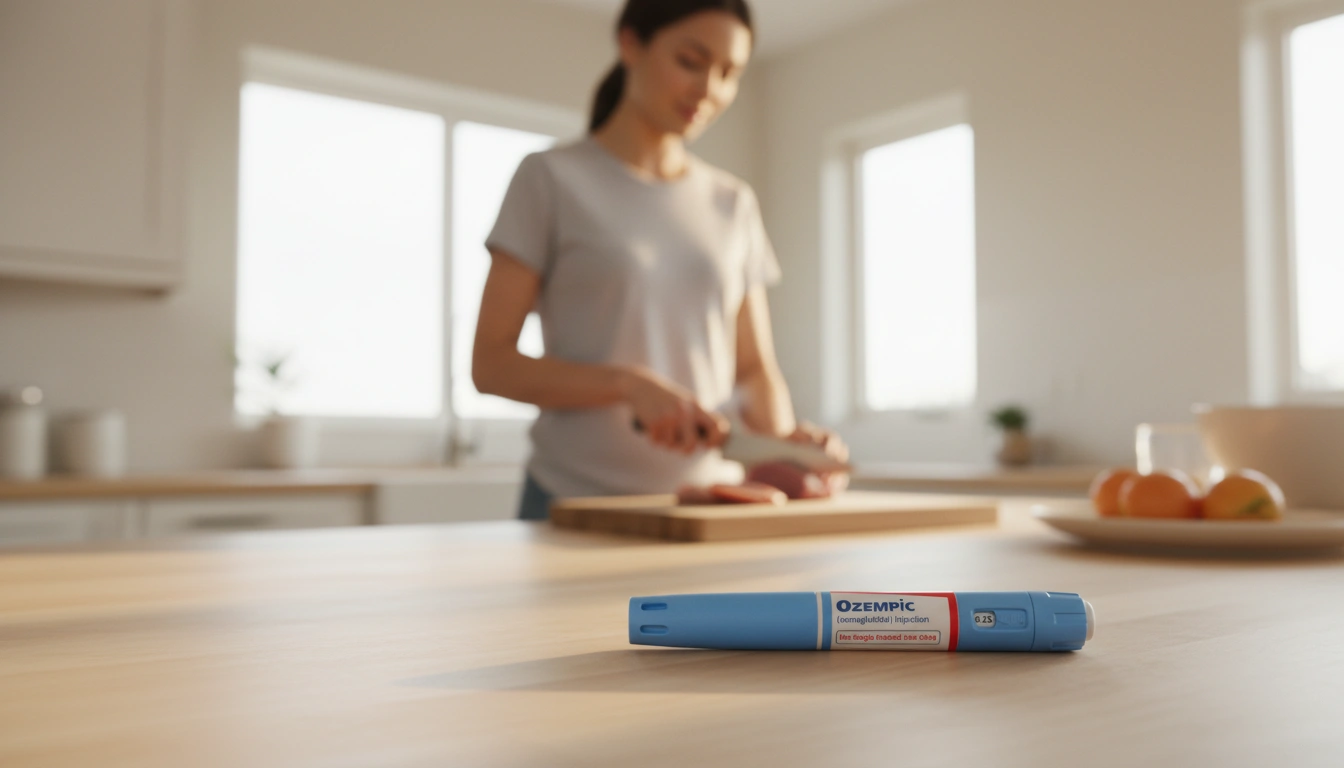
Embarking on a weight loss journey can feel like navigating uncharted territory, especially when you introduce a powerful tool like Ozempic. The excitement of progress is often accompanied by a flurry of questions: How will this medication impact my body? What changes should I make to my daily routine? And perhaps most pressingly, “When taking Ozempic, what should you eat?” This isn’t just a matter of calorie counting; it’s about understanding how your body responds to new signals and making choices that support your health, maximize the benefits of your medication, and minimize potential discomfort.
At TrimRx, our journey began with a shared vision: to help individuals embrace healthier lifestyles by merging cutting-edge telehealth innovations with effective weight loss solutions. We understand that sustainable weight loss should be achieved through science, empathy, and a transparent approach. As you begin or continue your path with medications like Ozempic, integrating thoughtful dietary choices becomes paramount. These medications work by influencing your appetite and digestion, creating a unique opportunity to build new, healthier eating patterns. However, they also necessitate a mindful approach to nutrition to ensure you’re getting the essential nutrients while managing any potential side effects.
This comprehensive guide is designed to empower you with the knowledge and strategies you need to optimize your diet when taking Ozempic. We’ll delve into how this medication interacts with your body, identify the nutrient-dense foods that will fuel your progress, highlight those to approach with caution, and provide practical tips for managing common side effects. By the end, you’ll have a clearer understanding of how to nourish your body effectively, transforming your approach to food into a powerful ally in your pursuit of lasting well-being. This post will walk you through the essential dietary considerations, from understanding the science behind the medication to practical meal planning, all designed to support your success.
Understanding Ozempic and Its Impact on Your Eating Habits
Ozempic (semaglutide) has emerged as a significant advancement in managing type 2 diabetes and supporting weight loss. Its mechanism of action is multifaceted, mimicking a natural gut hormone called Glucagon-Like Peptide-1 (GLP-1). This imitation of GLP-1 creates several physiological effects that profoundly influence how your body processes food and signals hunger. Understanding these mechanisms is the first step toward optimizing your diet and overall experience with the medication.
The Science Behind Ozempic’s Action
When you take Ozempic, the active ingredient, semaglutide, works on several fronts within your body:
- Insulin Release and Blood Sugar Control: Ozempic stimulates your pancreas to release more insulin in response to elevated blood sugar levels. Insulin is crucial for transporting glucose (sugar) from your bloodstream into your cells, where it’s used for energy. This action helps to improve blood sugar control, which is particularly beneficial for individuals with type 2 diabetes.
- Slowed Gastric Emptying: One of the most noticeable effects of Ozempic is its ability to significantly slow down the rate at which food leaves your stomach. This means food stays in your stomach for a longer period, contributing to a prolonged feeling of fullness or satiety. This extended digestion time is a key factor in reducing overall calorie intake.
- Appetite Regulation and “Food Noise” Reduction: Ozempic also acts on specific receptors in your brain, influencing the centers that control appetite and satiety. Many individuals report a significant reduction in “food noise”—those persistent, intrusive thoughts and cravings about food that can undermine weight loss efforts. By quieting these signals, Ozempic makes it easier to make mindful food choices and stick to a healthier eating plan.
These combined effects mean that while on Ozempic, you’ll likely experience a reduced appetite and feel full more quickly after eating smaller portions. This is a powerful tool for weight management, but it also presents a unique challenge: ensuring you still consume enough nutrient-dense foods to prevent malnutrition and support your body’s needs. Our personalized approach at TrimRx emphasizes the importance of understanding these changes to create a dietary strategy that truly works for you. We offer medically supervised weight loss programs that take these nuances into account, providing comprehensive support every step of the way.
The Importance of Diet Alongside Medication
It’s vital to recognize that Ozempic, like other GLP-1 medications, is a tool to support your weight loss and health goals, not a standalone solution. Its effectiveness is profoundly enhanced when paired with a healthy, balanced diet and regular physical activity. This isn’t about following a restrictive “Ozempic diet” but rather about adopting sustainable eating habits that you can maintain long-term.
Without a focus on nutrition, the reduced appetite caused by Ozempic could lead to unintended consequences, such as insufficient calorie intake or a lack of essential vitamins and minerals. This could result in fatigue, muscle loss, and other health issues. Therefore, consciously choosing nutritious foods becomes even more critical when your overall food intake decreases. At TrimRx, we believe in a holistic approach, which is why our programs go beyond medication, encouraging a complete lifestyle transformation. We aim to equip you with the knowledge and support to build lasting habits, whether you’re utilizing Ozempic, Wegovy®, Mounjaro®, or Zepbound®, or other options like compounded semaglutide or compounded tirzepatide, which are sourced from FDA-registered and inspected pharmacies.
The Cornerstones of Your Diet When Taking Ozempic
Given the impact of Ozempic on appetite and digestion, focusing on nutrient-dense foods is more critical than ever. The goal is to maximize the nutritional value of every bite you take, ensuring your body receives all the essential elements it needs, even if you’re eating less overall.
Prioritizing Protein for Muscle Health and Satiety
Protein stands out as arguably the most important macronutrient when taking Ozempic. Here’s why:
- Muscle Preservation: When you lose weight, a portion of that loss can come from muscle mass, which is undesirable as muscle helps boost metabolism. Adequate protein intake is crucial for preserving lean muscle mass during calorie restriction, helping to ensure that the majority of your weight loss comes from fat. For context, we begin to lose about 3-5% of our muscle mass per decade starting in our 30s, making muscle preservation even more important during weight loss.
- Enhanced Satiety: Protein is known for its ability to keep you feeling fuller for longer. This is particularly beneficial with Ozempic, as it complements the medication’s appetite-suppressing effects. Eating protein first in your meals can ensure you get a significant portion of this vital nutrient before your satiety signals kick in.
- Blood Sugar Regulation: Protein helps stabilize blood sugar levels, preventing spikes and crashes that can lead to cravings and energy dips.
Excellent Protein Sources:
- Lean Meats: Chicken breast, turkey, lean cuts of pork and beef.
- Fish: Fatty fish like salmon, mackerel, and sardines provide not only protein but also beneficial omega-3 fatty acids. White fish like cod or tilapia are also excellent lean options.
- Eggs: A versatile and complete protein source.
- Dairy: Greek yogurt, cottage cheese, and kefir are high in protein and can also provide probiotics.
- Plant-Based Options: Tofu, tempeh, edamame, lentils, beans, and certain nuts and seeds (like almonds, chia, and flaxseeds) are fantastic choices for plant-based protein.
When planning your meals, aim to include a source of lean protein with every meal and snack.
Embracing Fiber-Rich Foods for Digestive Health
Fiber is another superstar nutrient, especially for individuals on Ozempic. As the medication slows digestion, some people may experience gastrointestinal side effects like constipation. Fiber plays a critical role in mitigating these issues and supporting overall gut health.
- Preventing Constipation: Dietary fiber adds bulk to your stool and helps it move more easily through the digestive tract. This is essential when gastric emptying is slowed, as it helps prevent the discomfort of constipation.
- Sustained Fullness: Like protein, fiber contributes to satiety, helping you feel full and satisfied, which aligns perfectly with the appetite-reducing effects of Ozempic.
- Blood Sugar Stability: Soluble fiber can slow the absorption of sugar into the bloodstream, contributing to more stable blood glucose levels.
- Gut Microbiome Support: Fiber acts as a prebiotic, feeding the beneficial bacteria in your gut, which is crucial for a healthy digestive system and overall well-being.
Fantastic Fiber Sources:
- Whole Grains: Oats, quinoa, brown rice, whole-wheat bread and pasta, farro, bulgur.
- Fruits: Berries (raspberries, strawberries, blackberries), apples, pears, oranges.
- Vegetables: Leafy greens (spinach, kale), broccoli, Brussels sprouts, carrots, bell peppers.
- Legumes: Lentils, black beans, chickpeas, kidney beans.
- Nuts and Seeds: Almonds, walnuts, chia seeds, flaxseeds.
Remember to increase fiber intake gradually and ensure ample hydration to prevent discomfort.
Incorporating Healthy Fats for Essential Nutrients
Healthy fats are essential for numerous bodily functions, including hormone production, vitamin absorption (especially fat-soluble vitamins A, D, E, K), and brain health. They also contribute to satiety and make meals more enjoyable.
- Heart Health: Monounsaturated and polyunsaturated fats (like omega-3s) support cardiovascular health.
- Satiety and Flavor: Fats add richness and flavor to your meals, helping you feel satisfied even with smaller portions.
- Stable Energy: Healthy fats provide a sustained source of energy, preventing rapid blood sugar fluctuations.
Smart Healthy Fat Choices:
- Avocado: Creamy, nutrient-rich, and versatile.
- Olive Oil: A staple in Mediterranean cuisine, ideal for dressings and cooking.
- Fatty Fish: Salmon, tuna, and sardines offer beneficial omega-3s.
- Nuts and Seeds: Almonds, walnuts, chia seeds, flaxseeds, and nut butters (in moderation).
While healthy fats are crucial, moderation is key, as they are calorie-dense.
Staying Hydrated: A Non-Negotiable
Hydration is a fundamental component of health, but it becomes even more critical when taking Ozempic. The medication can sometimes lead to side effects like nausea, vomiting, or diarrhea, which can increase the risk of dehydration.
- Preventing Dehydration: Adequate fluid intake is essential to replace fluids lost, especially if experiencing GI side effects. Dehydration can worsen nausea and fatigue.
- Aiding Digestion: Water helps soften stools and facilitates the smooth movement of food through your digestive system, reducing the risk of constipation.
- Curbing Hunger: Sometimes, thirst can be mistaken for hunger. Staying well-hydrated can help manage appetite.
Hydration Strategies:
- Plain Water: Make it your primary beverage. Keep a water bottle handy throughout the day.
- Herbal Teas: Unsweetened herbal teas can be soothing and contribute to fluid intake.
- Broths: Low-sodium vegetable or chicken broths can be hydrating and provide electrolytes.
- Water-Rich Foods: Incorporate fruits and vegetables with high water content, such as watermelon, cucumbers, oranges, and lettuce.
Aim to drink fluids slowly throughout the day, especially cold, sugar-free options like iced ginger tea if you’re feeling nauseous.
Diverse Fruits and Vegetables for Micronutrient Power
Fruits and vegetables are powerhouse sources of vitamins, minerals, antioxidants, and fiber, all while being naturally low in calories. They are essential for overall health and vitality.
- Micronutrient Delivery: Each color of fruit and vegetable represents different phytonutrients, offering a broad spectrum of health benefits. Aim for a “rainbow” of produce throughout the week.
- Low Calorie, High Volume: They help fill you up without adding excessive calories, which is ideal when your appetite is reduced.
Smart Fruit and Vegetable Choices:
- Leafy Greens: Spinach, kale, romaine lettuce.
- Cruciferous Vegetables: Broccoli, cauliflower, Brussels sprouts (cooked to be gentler on the stomach).
- Colorful Peppers: Red, yellow, orange bell peppers.
- Berries: Raspberries, strawberries, blueberries (lower in sugar than some other fruits).
- Citrus Fruits: Oranges, grapefruit.
While fruits offer natural sugars, they come packaged with fiber and other nutrients. Aim for 1.5-2 cups of fruit per day and consider them a healthy snack or dessert. Moderate starchy vegetables like potatoes or corn, treating them more like carbohydrates.
Fermented Foods for Gut Support
Introducing fermented foods can be a beneficial strategy to support your gut health, particularly as your digestive system adjusts to Ozempic.
- Probiotic Boost: Fermented foods contain live beneficial bacteria (probiotics) that can help maintain a healthy balance in your gut microbiome. This can potentially alleviate some gastrointestinal side effects.
- Digestive Comfort: Many individuals find that gut-friendly items can ease discomfort like bloating or irregular bowel movements.
Gut-Friendly Fermented Options:
- Yogurt and Kefir: Opt for plain, unsweetened varieties with live active cultures.
- Kimchi and Sauerkraut: These fermented vegetables can add flavor and probiotics to your meals.
Incorporating these elements into your diet ensures that you are providing your body with the essential fuel it needs for sustained energy, muscle maintenance, and optimal digestive function, even with a reduced appetite. Remember, building these habits takes time, and our team at TrimRx is here to provide unlimited support as you learn and adapt.
Foods to Navigate with Care While Taking Ozempic
While there’s no strict “off-limits” list when taking Ozempic, certain foods can exacerbate common side effects or hinder your weight loss progress. Understanding these categories allows you to make informed choices that promote comfort and effectiveness.
High-Fat, Greasy, and Fried Foods
Ozempic significantly slows down gastric emptying, meaning food stays in your stomach for an extended period. High-fat, greasy, and fried foods are naturally slower to digest, even without medication. When combined with Ozempic’s effects, these foods can linger in your stomach for an uncomfortable length of time, leading to:
- Increased Nausea and Vomiting: The prolonged presence of fatty foods can trigger or worsen feelings of queasiness.
- Bloating and Heartburn: These foods are common culprits for gastrointestinal distress, and Ozempic can intensify these symptoms.
- Inefficient Weight Loss: High-fat foods are calorie-dense and often low in essential nutrients, providing “empty calories” that can undermine your weight loss efforts.
Examples to Limit: Fried chicken, french fries, greasy burgers, heavily buttered dishes, rich creamy sauces, high-fat cheeses, and ultra-processed snack foods like chips and pastries.
Ultra-Processed Foods and High-Sugar Items
Highly processed foods and sugary drinks offer little nutritional value and can counteract the benefits of Ozempic.
- Blood Sugar Spikes: Sugary drinks (soda, fruit juices, sweetened coffees) and refined carbohydrates (white bread, pastries, sugary cereals) cause rapid spikes in blood sugar, which can challenge your body’s regulatory systems, even with Ozempic. This can make it harder for the medication to maintain stable blood glucose and can contribute to fat storage.
- Empty Calories: These foods are often high in calories but low in fiber, protein, vitamins, and minerals. They don’t provide lasting satiety, potentially leading to increased hunger later and making weight loss more challenging.
- Digestive Upset: The artificial ingredients and high sugar content in ultra-processed foods can sometimes irritate the digestive system, worsening symptoms like bloating or diarrhea.
Examples to Limit: Sugary sodas, fruit juices (opt for whole fruit instead), energy drinks, candy, pastries, cookies, white bread, and many pre-packaged snack foods.
Refined Carbohydrates
Similar to sugary foods, refined carbohydrates have been stripped of their fiber and many nutrients during processing.
- Quick Digestion, Less Satiety: They are digested rapidly, leading to quick blood sugar surges and a lack of sustained fullness, making it easier to overeat.
- Nutrient Deficiency: Unlike whole grains, refined carbs contribute fewer essential vitamins and minerals to your diet.
Examples to Limit: White rice, white pasta, white bread, and many breakfast cereals that aren’t whole-grain. Opt for their whole-grain counterparts whenever possible.
Alcohol
Alcohol can have several negative effects when combined with Ozempic:
- Worsened Side Effects: Alcohol can intensify nausea, vomiting, and dehydration for some individuals, overlapping with common Ozempic side effects.
- Hypoglycemia Risk: For people managing blood sugar, alcohol can lower blood sugar levels by impairing the liver’s ability to release glucose, potentially leading to hypoglycemia.
- Empty Calories: Alcoholic beverages add calories without providing any nutritional benefits, which can hinder weight loss progress.
If you choose to drink, do so in strict moderation, adhering to general health guidelines (one drink per day for women, two for men), and pay close attention to how your body reacts. Many find that their desire for alcohol naturally diminishes while on GLP-1 medications, which can be an unexpected benefit.
Spicy Foods and High-Fiber Starchy Vegetables (with caution)
While generally healthy, some individuals may find that very spicy foods or certain high-fiber starchy vegetables (like raw broccoli or cabbage) can cause discomfort while on Ozempic.
- Spicy Foods: Can irritate the stomach lining, potentially worsening heartburn or nausea for sensitive individuals.
- Starchy Vegetables: While rich in fiber and nutrients, some starchy vegetables might increase bloating or gas in certain people due to their slower digestion, especially if consumed raw. It’s often recommended to cook these vegetables thoroughly to make them gentler on the digestive system.
The key is to listen to your body. Pay attention to how different foods make you feel. Keeping a simple food diary can help you identify specific triggers. Our personalized programs at TrimRx, which you can explore by taking our free assessment quiz, are designed to help you navigate these individual responses and create a truly tailored eating plan that supports your well-being and weight loss goals.
Optimizing Your Experience and Managing Side Effects
While Ozempic is a powerful tool, managing potential side effects and establishing effective eating habits requires more than just knowing what to eat. It involves a strategic approach to how and when you eat, coupled with lifestyle adjustments and professional support.
Practical Strategies for Eating with Ozempic
- Smaller, More Frequent Meals: Since Ozempic slows digestion and enhances satiety, large meals can lead to discomfort, nausea, or an uncomfortable feeling of fullness. Opting for smaller, more frequent meals throughout the day can prevent overeating, ease digestive burden, and help maintain stable energy levels.
- Eat Slowly and Mindfully: Take your time with each meal. Chew your food thoroughly and put your fork down between bites. This allows your brain more time to register fullness signals from your stomach, preventing you from eating past the point of comfortable satisfaction.
- Listen to Your Body’s Cues: With reduced “food noise,” you have a unique opportunity to reconnect with your body’s true hunger and fullness signals. Eat when you’re genuinely hungry, and stop when you’re comfortably full, not stuffed. This mindful approach is fundamental to sustainable weight loss.
- Go Bland During Nausea: If you experience nausea, opt for bland, easy-to-digest foods like crackers, toast, rice, plain chicken broth, or applesauce. Avoid strong smells, spicy foods, or anything overly fatty until the nausea subsides. Cold, sugar-free drinks like ginger tea can also be soothing.
- Stay Upright After Meals: Lying down immediately after eating can sometimes worsen heartburn or indigestion. A light walk after meals can help with motility and digestion, contributing to comfort.
The Role of Professional Guidance
While this guide provides valuable information, a truly personalized approach often requires expert support.
- Registered Dietitian (RDN): Consulting with a registered dietitian is highly recommended. An RDN can assess your individual needs, dietary preferences, and any specific side effects you might be experiencing. They can then create a tailored meal plan that ensures you meet your nutritional requirements while effectively managing your weight loss journey. Many insurance plans cover dietitian appointments, especially with a diagnosis of obesity.
- Healthcare Provider: Always maintain open communication with your prescribing doctor. If side effects are persistent or severe, they may recommend adjustments to your medication dosage or offer additional strategies for relief. Our programs at TrimRx include doctor consultations and unlimited support, ensuring you have a team to guide you. We partner with FDA-registered and inspected pharmacies for the shipping of weight loss medications, ensuring a focus on your safety and well-being.
At TrimRx, we believe in providing comprehensive, empathetic care that respects every individual’s unique journey. Our commitment to transparent service means our approach remains consistent, focusing on your personalized needs. We offer a full spectrum of support, including doctor consultations, medication, lab work, unlimited support, and shipping with no hidden fees, all designed to make sustainable weight loss attainable and tailored to you. To explore how our personalized assessment quiz can lead to a customized plan, we encourage you to take it today.
For those looking for immediate support, we also offer quick-access supplements like our GLP-1 Daily Support and Weight Loss Boost, available for purchase without requiring the quiz. These can be valuable additions to your wellness routine, supporting your overall health alongside a balanced diet.
Building a Foundation for Lasting Success Beyond Ozempic
It’s crucial to view Ozempic not as a magic bullet, but as a powerful catalyst within a broader strategy for long-term health. The changes you implement in your diet and lifestyle while on the medication are the true building blocks for sustained success, even after you transition off the treatment.
Ozempic as a Tool, Not a Cure
Medications like Ozempic, Compounded Semaglutide, Oral Semaglutide, Compounded Tirzepatide, Oral Tirzepatide, Ozempic®, Wegovy®, Mounjaro®, or Zepbound® are incredible advances in weight management. They address physiological barriers that often make weight loss incredibly challenging. However, they are most effective when integrated into a holistic approach that includes consistent healthy eating and regular physical activity. As medical experts often state, these medications are there to “fight genetics,” while diet and exercise help “fight what we do to ourselves.” Achieving optimal metabolic health often requires leveraging all available tools in concert.
Cultivating Sustainable Habits
The period you spend on Ozempic is an invaluable opportunity to re-educate yourself about food and develop habits that will serve you for life. With your appetite regulated, it becomes easier to:
- Choose whole, unprocessed foods: Focus on foods that are as close to their natural state as possible. Think “what your grandma was eating 50 years ago” – simple, real ingredients.
- Master portion control: Your body will naturally guide you towards smaller portions, making it easier to maintain this habit.
- Build a balanced plate: Prioritize lean protein, abundant non-starchy vegetables, and smart carbohydrates.
- Stay consistently hydrated: This simple habit has profound benefits for energy, digestion, and satiety.
At TrimRx, we are dedicated to helping you forge these sustainable habits. Our approach combines advanced medical science with modern technology, creating an innovative and trustworthy platform that supports you every step of the way. We aim to empower you with the knowledge and resources to make informed choices that extend far beyond the duration of your medication, ensuring that your weight loss is not just achieved, but maintained. We believe in providing compassionate care that respects every individual’s unique journey towards a healthier life. Take our free assessment quiz today to see how we can personalize a plan for your long-term success.
Conclusion
Navigating your diet when taking Ozempic is a journey of discovery and intentional choices. By understanding how this powerful medication interacts with your body, you can strategically select foods that nourish you, maximize your weight loss potential, and minimize discomfort. Prioritizing lean proteins, fiber-rich foods, healthy fats, and consistent hydration forms the bedrock of an effective dietary approach. Equally important is learning to approach high-fat, high-sugar, and ultra-processed foods with caution, as they can exacerbate side effects and hinder progress.
Remember, Ozempic is a transformative tool, but its true power is unlocked when combined with mindful eating habits and a commitment to overall lifestyle change. This is not about restrictive “diets” but about building a sustainable, healthful relationship with food that you can carry forward. Your journey is unique, and personalized support can make all the difference.
At TrimRx, we stand as your dedicated partner, offering a user-friendly and supportive space for personalized, medically supervised care. Our programs, which include doctor consultations, medication sourced from FDA-registered and inspected pharmacies, lab work, unlimited support, and shipping, are designed to make your weight loss journey safe, effective, and truly individualized. We encourage you to take our free assessment quiz to discover how a tailored treatment plan, encompassing options like Ozempic, Wegovy®, Mounjaro®, Zepbound®, Compounded Semaglutide, or Compounded Tirzepatide, can be crafted just for you. For immediate support for your overall wellness during this journey, explore our GLP-1 Daily Support and Weight Loss Boost supplements. Let us help you build a healthier, more vibrant future.
Frequently Asked Questions
1. Is there a specific “Ozempic diet” I should follow?
There isn’t one prescribed “Ozempic diet” that works for everyone. Instead, the focus is on adopting a healthy, balanced, and personalized eating plan. Ozempic helps reduce appetite and slow digestion, making it easier to choose nutrient-dense foods and consume fewer calories. The key is to prioritize lean proteins, fiber-rich fruits, vegetables, and whole grains, while limiting high-fat, high-sugar, and ultra-processed foods that can worsen side effects or hinder progress.
2. How can I manage nausea while taking Ozempic?
Nausea is a common side effect of Ozempic. To manage it, try eating smaller, more frequent meals, eating slowly, and avoiding large portions. Opt for bland, easy-to-digest foods like crackers, toast, rice, or clear broths. Stay well-hydrated with plain water or unsweetened ginger tea. Avoid greasy, fried, very spicy, or highly sugary foods, as these can exacerbate nausea. If nausea persists or is severe, consult your healthcare provider or our support team at TrimRx, as dosage adjustments might be considered.
3. Why is protein so important when taking Ozempic?
Protein is crucial for several reasons while on Ozempic. Firstly, it helps preserve lean muscle mass during weight loss, which is important for maintaining a healthy metabolism. Secondly, protein is highly satiating, meaning it keeps you feeling full for longer, complementing Ozempic’s appetite-reducing effects and helping you avoid overeating. Lastly, protein aids in stabilizing blood sugar levels, preventing spikes and crashes. Aim to include a lean protein source with every meal and snack.
4. Can I still consume alcohol or coffee while on Ozempic?
Alcohol should be consumed with caution and in strict moderation, if at all, while taking Ozempic. It can worsen side effects like nausea and dehydration, and for some, it may even increase the risk of low blood sugar. As for coffee, it is generally acceptable, but be mindful of what you add to it. Sugary syrups, creams, and excessive sweeteners can add unnecessary calories and sugar, which can counteract your weight loss efforts. Plain coffee or coffee with a modest amount of milk or sugar substitute is usually preferable. Always observe how your body reacts to these beverages.

Transforming Lives, One Step at a Time
Keep reading

Ozempic and Colorectal Cancer: What the New Research Shows
Colorectal cancer is the third most commonly diagnosed cancer in the United States and one of the cancers most strongly linked to obesity, metabolic…

Does Ozempic Reduce Cancer Risk: What the Research Shows
The connection between obesity and cancer has been established for decades. What’s newer, and genuinely interesting, is emerging evidence that GLP-1 medications like Ozempic…

When to Stop Ozempic Before Surgery: Aspiration Risk Explained
If you’re scheduled for surgery and you’re currently taking Ozempic or another GLP-1 medication, there’s a specific conversation you need to have with your…


