Fueling Your Midday: What to Eat for Lunch on Ozempic for Sustained Wellness
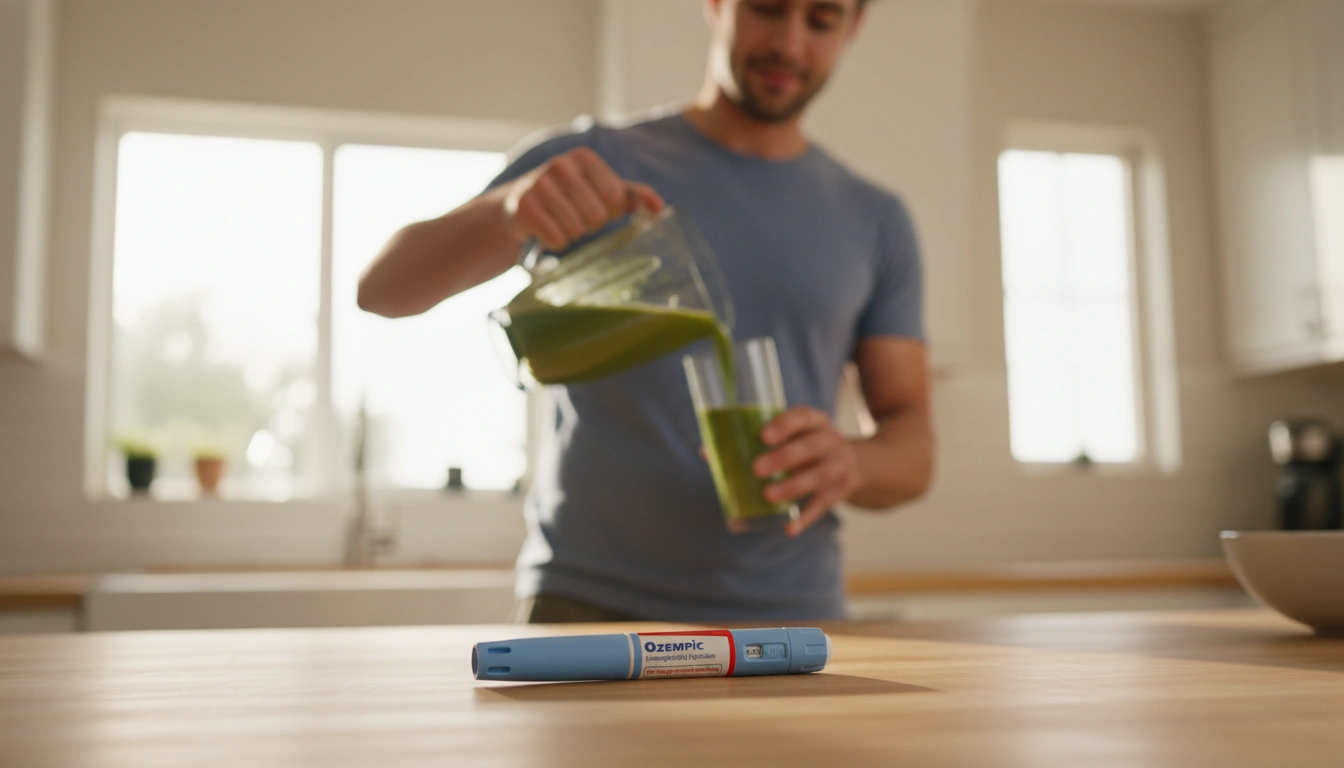
The midday meal often feels like a critical pivot point in our day, a moment to refuel and recharge. Yet, for many navigating a weight loss journey, especially those utilizing medications like Ozempic, lunch can become a source of confusion rather than clarity. The profound shifts in appetite and metabolism brought about by GLP-1 receptor agonists mean that traditional eating patterns may no longer serve us optimally. The challenge isn’t just about choosing “healthy” foods, but understanding how these choices interact with the medication to support both weight loss and overall well-being.
Our journey at TrimRx began with a shared vision: to help individuals embrace healthier lifestyles by merging cutting-edge telehealth innovations with effective, personalized weight loss solutions. We understand that sustainable weight loss should be achieved through science, empathy, and a transparent approach. This post aims to demystify the midday meal while on Ozempic, offering practical, evidence-backed strategies to help you navigate your nutritional choices with confidence. We’ll delve into the science behind Ozempic’s effects, explore ideal food components, highlight what to approach with caution, and empower you to build lunches that are not only satisfying but also supportive of your health goals. By the end, you’ll have a clearer roadmap for crafting lunches that align with your body’s new rhythm and contribute meaningfully to your success.
Understanding Ozempic’s Impact on Your Body and Appetite
Before we dive into specific lunch strategies, it’s essential to grasp how Ozempic (semaglutide) works within your body. This medication, a GLP-1 receptor agonist, has a multifaceted impact on glucose regulation and appetite, which directly influences your dietary needs and how you experience food.
The Mechanism of Action: How Ozempic Influences Digestion and Satiety
Ozempic primarily functions by mimicking the natural hormone glucagon-like peptide-1 (GLP-1), which our bodies produce after eating. This hormone plays several crucial roles:
- Insulin Secretion: It stimulates the pancreas to release more insulin when blood sugar levels are high, helping to lower glucose.
- Glucagon Suppression: It inhibits the release of glucagon, a hormone that raises blood sugar, preventing excessive glucose production by the liver.
- Delayed Gastric Emptying: Perhaps one of the most noticeable effects for individuals on a weight loss journey, Ozempic significantly slows down the rate at which food leaves your stomach. This prolonged digestion contributes to a feeling of fullness that lasts longer, naturally reducing overall calorie intake.
- Appetite Regulation and “Food Noise” Reduction: Semaglutide also acts on the appetite centers in the brain, helping to suppress hunger signals and reduce “food noise”—those persistent, intrusive thoughts about food that can make weight loss so challenging. Research indicates that GLP-1s can reduce calorie intake by 16 to 39%, leading to significant weight loss.
These combined actions lead to better blood sugar control and a powerful reduction in appetite. While these effects are beneficial for weight management, they also mean that your nutritional needs and tolerances might shift. What you eat, and how you eat it, becomes even more critical to ensure you’re meeting vital nutrient requirements, supporting sustained energy, and minimizing potential gastrointestinal side effects.
Navigating Potential Side Effects with Dietary Choices
The slowing of digestion, while beneficial for satiety, can also contribute to common side effects like nausea, bloating, constipation, or even occasional vomiting. Understanding how certain foods can exacerbate or alleviate these symptoms is key to a comfortable and sustainable journey. For instance, foods that are typically hard to digest on their own might become even more problematic when digestion is further slowed by Ozempic. This is where mindful eating and strategic food choices, especially for a central meal like lunch, become paramount.
Our personalized approach at TrimRx emphasizes not just the medication, but the entire ecosystem of your health. We believe that integrating a medically supervised program with thoughtful dietary choices creates the most effective path forward. To discover how our approach can be tailored to your unique journey, we invite you to take our free assessment quiz.
General Principles for Eating on Ozempic
There is no singular “Ozempic diet plan” that applies to everyone. Instead, we advocate for a personalized, balanced approach that considers your unique body, preferences, and any side effects you might experience. This philosophy aligns perfectly with our brand values of empathy and individualized care. However, certain general guidelines can significantly enhance your experience and results.
Prioritizing Key Macronutrients
When your appetite is reduced, every bite counts. Focusing on nutrient-dense foods ensures you’re getting the vitamins, minerals, and energy your body needs, even with smaller portion sizes.
The Power of Protein
Protein is arguably the most critical macronutrient when taking Ozempic, especially for lunch. It plays a vital role in:
- Muscle Mass Preservation: When losing weight, it’s crucial to minimize muscle loss and maximize fat loss. Adequate protein intake helps preserve lean muscle mass, which is essential for a healthy metabolism and preventing weight regain.
- Satiety and Fullness: Protein is highly satiating. Including a good source of lean protein in your lunch will help you feel fuller for longer, reducing the likelihood of cravings and overeating later in the day.
- Blood Sugar Regulation: Protein has a minimal impact on blood sugar compared to carbohydrates, helping to maintain stable energy levels.
Aim for at least 60 grams of protein daily, with some recommendations pushing for 1.0 to 1.2 grams per kilogram of body weight. For a lunch, consider sources like:
- Lean Meats: Grilled chicken breast, turkey slices, lean beef.
- Fish and Seafood: Salmon, cod, shrimp, tuna (packed in water).
- Eggs: Hard-boiled eggs, egg salad.
- Plant-Based Options: Tofu, tempeh, lentils, beans, edamame, Greek yogurt, cottage cheese.
Fiber: Your Digestive Ally
Fiber is another superstar nutrient for those on Ozempic, offering multiple benefits:
- Enhanced Satiety: Like protein, fiber adds bulk to your meals, promoting a feeling of fullness.
- Blood Sugar Stability: Fiber slows the absorption of glucose, helping to prevent blood sugar spikes and crashes.
- Gut Health and Regularity: Many individuals experience constipation as a side effect of GLP-1s due to slowed digestion. Fiber-rich foods help keep things moving through the digestive tract, supporting healthy bowel function.
- Nutrient Density: High-fiber foods often come packed with essential vitamins and minerals.
Integrate fiber-rich foods into your lunch such as:
- Non-Starchy Vegetables: Leafy greens (spinach, kale), broccoli, cauliflower, bell peppers, cucumbers, zucchini, asparagus, carrots. Aim for these to fill half your plate.
- Whole Grains: Quinoa, brown rice, whole-wheat bread or pasta (in moderation).
- Legumes: Lentils, chickpeas, black beans.
- Fruits: Berries, apples, pears (ensure they are consumed whole for maximum fiber benefit).
Healthy Fats: Essential for Well-being
While high-fat processed foods should generally be limited due to their potential to exacerbate GI side effects, healthy fats are crucial for overall health and satiety:
- Satiety: Fats contribute to feeling full and satisfied, which is important when reducing overall food intake.
- Nutrient Absorption: They help in the absorption of fat-soluble vitamins (A, D, E, K).
- Hormone Production: Essential for various bodily functions, including hormone regulation.
- Heart Health: Unsaturated fats, in particular, support cardiovascular health.
Include healthy fat sources in moderation:
- Avocado: Sliced into salads or on whole-grain toast.
- Nuts and Seeds: Almonds, walnuts, chia seeds, flax seeds, pumpkin seeds (a small handful or sprinkle).
- Olive Oil: As a dressing for salads or for cooking.
- Fatty Fish: Salmon, sardines (excellent source of Omega-3s).
The Importance of Hydration
Dehydration can worsen nausea and contribute to constipation, both common GLP-1 side effects. Make a conscious effort to drink plenty of fluids throughout the day, especially water.
- Plain Water: The best choice, drink consistently throughout the day.
- Herbal Teas: Ginger tea can be particularly soothing for nausea.
- Infused Water: Water with cucumber, lemon, or berries for a subtle flavor.
- Water-Rich Foods: Incorporate foods like cucumber, lettuce, celery, and watermelon into your meals and snacks.
Eating Habits: Smaller, More Frequent Meals
With slowed digestion and reduced appetite, large meals can be overwhelming and lead to discomfort. Opting for smaller, more frequent meals can help manage side effects and ensure a steady supply of nutrients. For lunch, this might mean a moderate portion that doesn’t leave you feeling overly full or sluggish. Eating slowly and chewing your food thoroughly also aids digestion and allows your body to register satiety cues more effectively.
If you’re looking for an additional layer of support for your weight loss journey, explore our GLP-1 Daily Support supplement, designed to complement your efforts.
Crafting Your Ideal Lunch on Ozempic
Now, let’s translate these principles into actionable lunch ideas. The key is balance, nutrient density, and mindful preparation to minimize discomfort.
Components of a Balanced Ozempic-Friendly Lunch
A well-constructed lunch on Ozempic often follows a simple formula: Lean Protein + Non-Starchy Vegetables + Healthy Fat + (Optional) Whole Grain/Complex Carb.
Protein Powerhouses for Midday Meals
- Grilled Chicken or Turkey Breast: Versatile, lean, and easily digestible. Can be sliced into salads, wrapped in lettuce leaves, or served with roasted vegetables.
- Fish: Baked or grilled salmon, cod, or tuna salad (made with Greek yogurt or a light vinaigrette instead of heavy mayo) offers excellent protein and healthy fats.
- Eggs: Hard-boiled eggs are a quick protein boost, perfect for adding to salads or having on their own. An omelet or scramble with plenty of vegetables can also be a satisfying lunch.
- Plant-Based Options:
- Tofu/Tempeh: Grilled, baked, or stir-fried with vegetables.
- Lentil Soup or Salad: A hearty, fiber-rich, and protein-packed option, particularly comforting if experiencing mild nausea.
- Chickpea Salad: Mashed chickpeas mixed with herbs, celery, and a light dressing, served in a lettuce cup or with whole-grain crackers.
Vibrant Vegetables for Fiber and Nutrients
- Large Mixed Green Salads: The base of many great lunches. Load up on spinach, kale, mixed greens, and add colorful bell peppers, cucumbers, cherry tomatoes, and carrots.
- Roasted Vegetables: Broccoli, cauliflower, zucchini, asparagus, Brussels sprouts are excellent choices. Roasting brings out their natural sweetness and makes them tender and easy to digest.
- Steamed Vegetables: A gentle option if you’re experiencing GI sensitivity. Serve alongside your protein.
- Lettuce Wraps: Use large lettuce leaves as a wrap for chicken, fish, or plant-based fillings.
Smart Carbohydrate Choices
While carbohydrates provide energy, the type and portion size matter. Opt for complex carbohydrates that release energy slowly.
- Quinoa or Brown Rice (Small Portion): A serving equivalent to about ¼ of your plate can add substance and additional fiber.
- Whole-Wheat Bread/Wraps (One Slice/Small Wrap): Choose sparingly, focusing on minimal processing.
- Sweet Potato (Small Portion): Baked or roasted, a good source of complex carbs and fiber.
Incorporating Healthy Fats Mindfully
- Avocado Slices: A few slices in a salad or on a wrap.
- Olive Oil-Based Dressings: Make your own with olive oil, lemon juice, and herbs.
- A Sprinkle of Nuts or Seeds: Chia seeds, flax seeds, or a small amount of almonds or walnuts in a salad for crunch and healthy fats.
Example Lunch Combinations
- Grilled Chicken and Veggie Salad: A bed of mixed greens with grilled chicken breast, sliced bell peppers, cucumber, cherry tomatoes, and a light olive oil-lemon dressing. Add a sprinkle of chia seeds.
- Tuna/Chickpea Salad Lettuce Wraps: Tuna or mashed chickpea salad (made with Greek yogurt, celery, and herbs) served in large lettuce cups with a side of carrot sticks.
- Quinoa Bowl with Roasted Salmon and Broccoli: A small portion of quinoa topped with baked salmon, roasted broccoli, and a drizzle of olive oil.
- Turkey and Avocado Open-Faced Sandwich: One slice of whole-wheat bread topped with lean turkey slices, avocado, and spinach.
- Lentil Soup with a Small Side Salad: A comforting and nutritious option, especially on cooler days. Ensure the soup isn’t overly creamy or high in fat.
Remember to eat slowly and stop when you feel satisfied, not stuffed. Listen to your body’s signals, as they may be different than before you started Ozempic.
Foods to Limit or Avoid at Lunch
To minimize potential side effects and maximize the benefits of Ozempic, certain foods are best limited or avoided, especially for your midday meal:
- High-Fat and Greasy Foods: Fried chicken, greasy burgers, excessive amounts of cheese, and fast food can linger in the stomach due to slowed digestion, leading to increased nausea, bloating, and discomfort. They are also often calorie-dense and nutrient-poor, counteracting weight loss efforts.
- Refined Carbohydrates and Sugary Foods: White bread, pastries, sugary drinks (soda, fruit juice, sweet tea), and desserts can cause rapid blood sugar spikes and offer little nutritional value. They can also lead to energy crashes and increased cravings.
- Ultra-Processed Foods: Chips, processed snacks, and many ready meals are often high in unhealthy fats, added sugars, and sodium. They typically lack the fiber and nutrients needed to support your well-being on Ozempic.
- Excessive Alcohol: While not typically a lunch item for most, it’s worth noting that alcohol can add empty calories, impact blood sugar, and potentially worsen GI side effects.
- Spicy Foods and High Caffeine: For some, these can exacerbate heartburn or stomach upset. Pay attention to how your body reacts.
Our commitment to your safety means we partner exclusively with FDA-registered and inspected pharmacies for the shipping of weight loss medications. This ensures that when you receive medications like Ozempic (which is FDA-approved for specific uses, as are Wegovy®, Mounjaro®, and Zepbound®), or compounded medications like semaglutide and tirzepatide (which are provided through FDA-registered, inspected, and approved pharmacies, though compounded medications themselves are not FDA-approved), you can trust the quality and safety of your treatment.
Beyond the Plate: Lifestyle Factors Supporting Your Journey
While what to eat for lunch on Ozempic is crucial, it’s part of a broader picture of healthy living that supports your weight loss and wellness journey.
The Role of Physical Activity
Regular physical activity is a vital companion to your medication and dietary changes. Even a gentle walk after lunch can make a difference.
- Improved Insulin Sensitivity: Exercise helps your body use glucose more effectively, further stabilizing blood sugar levels.
- Aids Digestion: Movement can encourage gastrointestinal motility, potentially easing constipation and discomfort.
- Mood and Energy: Physical activity boosts mood and energy, counteracting any potential fatigue from dietary changes or medication side effects.
Listening to Your Body and Seeking Support
Your body’s signals might be different on Ozempic. Pay close attention to how various foods make you feel. Keep a food diary if helpful to identify personal triggers for discomfort. If side effects are persistent or severe, always communicate with your healthcare provider. A personalized approach is paramount, and your plan should evolve with your needs.
At TrimRx, we are dedicated to providing compassionate care that respects every individual’s unique journey. Our comprehensive service includes doctor consultations, necessary lab work, medication, unlimited support, and shipping, all with no hidden fees. We combine advanced medical science with modern technology to deliver a truly personalized experience. Our platform is designed to be a user-friendly and supportive space where you receive medically supervised care tailored to your individual needs.
For those seeking to further enhance their metabolic health and support their weight loss journey, consider our Weight Loss Boost supplement, readily available to support your overall wellness.
Conclusion
Navigating what to eat for lunch on Ozempic doesn’t have to be daunting. By understanding how the medication impacts your body and consciously prioritizing lean proteins, high-fiber vegetables, healthy fats, and complex carbohydrates, you can craft midday meals that are both delicious and highly effective in supporting your weight loss and health goals. Remember to listen to your body, choose nutrient-dense whole foods, stay well-hydrated, and practice mindful eating.
We at TrimRx believe in empowering you with the tools and knowledge for sustainable weight loss. Our personalized weight loss programs, backed by science and delivered with empathy, are designed to make your journey attainable and tailored to your individual needs. If you’re ready to take the next step towards a healthier lifestyle and explore how a personalized treatment plan can work for you, we encourage you to take our free assessment quiz today. Together, we can unlock your potential for lasting wellness.
Frequently Asked Questions
What are the best types of foods to include in an Ozempic-friendly lunch?
The best lunch choices on Ozempic prioritize lean proteins (like chicken, fish, tofu, or eggs), non-starchy vegetables (such as leafy greens, broccoli, or bell peppers), healthy fats (like avocado or olive oil), and, in moderation, whole grains (such as quinoa or a small piece of whole-wheat bread). This combination promotes satiety, provides essential nutrients, and helps manage blood sugar levels.
Can I still eat carbohydrates for lunch while taking Ozempic?
Yes, you can and should include carbohydrates in your lunch, but focus on complex carbohydrates and whole grains in appropriate portions. Opt for sources like brown rice, quinoa, oats, or starchy vegetables like sweet potatoes in moderation. Avoid refined carbohydrates such as white bread, sugary pastries, and processed snacks, as these can cause blood sugar spikes and offer less nutritional value.
What foods should I generally avoid or limit during lunch when on Ozempic to prevent side effects?
To minimize potential gastrointestinal side effects like nausea, bloating, or discomfort, it’s best to limit or avoid high-fat and greasy foods (e.g., fried foods, fatty cuts of meat, heavy sauces), sugary drinks and foods (e.g., soda, desserts, fruit juices), and ultra-processed items (e.g., chips, many frozen meals). These can slow digestion further and worsen symptoms.
How does TrimRx personalize my meal recommendations while on medication like Ozempic?
At TrimRx, our approach is centered on individual needs. By completing our free assessment quiz, we gather essential information about your health, lifestyle, and goals. This allows our affiliated healthcare providers to develop a medically supervised, personalized treatment plan that includes dietary guidance tailored to complement your medication, manage potential side effects, and optimize your weight loss journey safely and effectively.

Transforming Lives, One Step at a Time
Keep reading

What to Do If Your Ozempic Pen Malfunctions
You’ve set aside time for your weekly injection, you pick up the pen, and something isn’t right. Maybe the dose button won’t push down,…

Ozempic and Water Retention: What Patients Notice
Water retention on Ozempic sits in a confusing middle ground. Some patients notice puffiness or swelling, particularly in the hands, feet, or ankles, while…

Ozempic and Heartburn: Managing Acid Reflux on GLP-1
Heartburn on Ozempic tends to surprise people. You’re eating less, your meals are smaller, and yet you’re experiencing more acid reflux than before. It…


