Fueling Your Morning: What to Eat for Breakfast on Ozempic® for Optimal Wellness
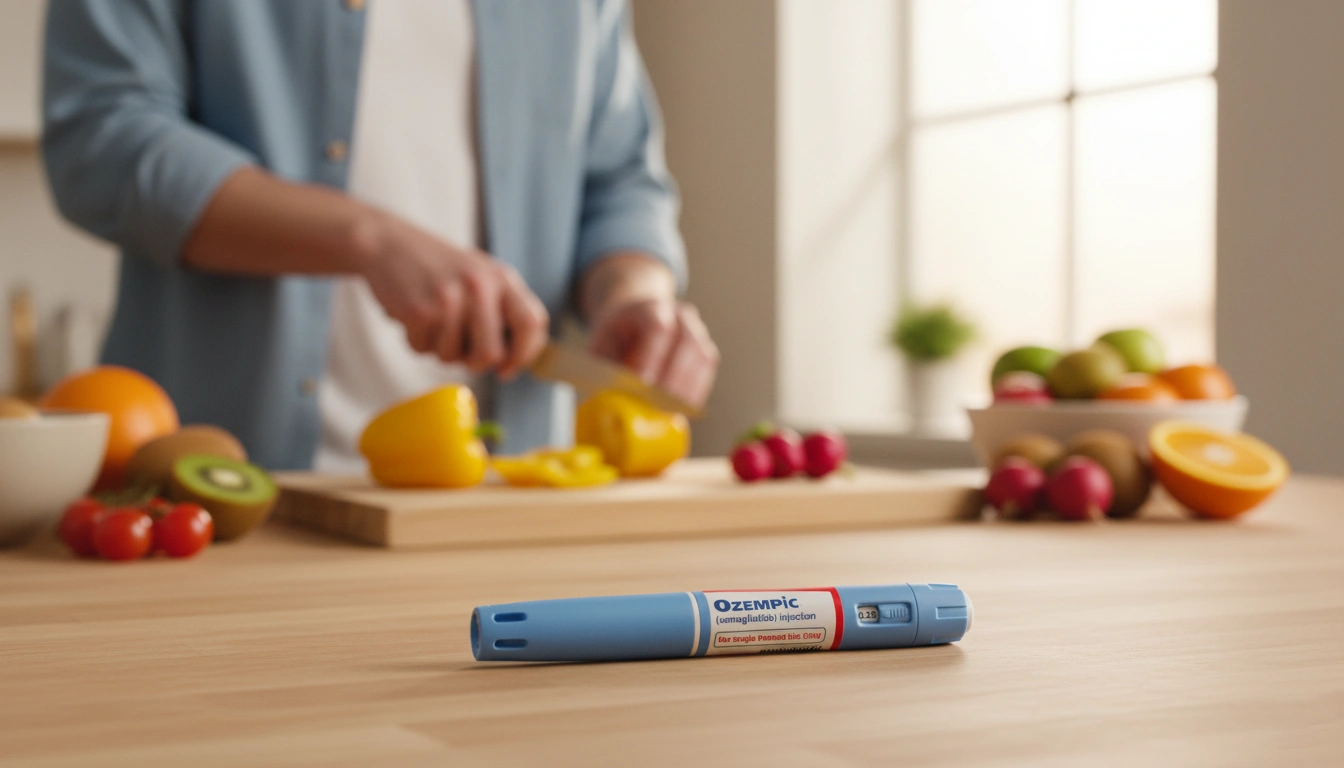
Waking up to a new routine when you’re embarking on a weight loss journey, especially with the support of medications like Ozempic® (semaglutide), can feel like navigating uncharted territory. For many, breakfast has historically been an afterthought, a quick grab-and-go, or even skipped entirely. However, as you integrate a GLP-1 receptor agonist into your life, the way you fuel your body, starting with that first meal, takes on new significance. It’s not just about eating; it’s about strategic nourishment to maximize the benefits of your medication and manage potential side effects effectively.
At TrimRx, our journey began with a shared vision to help individuals embrace healthier lifestyles. We merge cutting-edge telehealth innovations with effective, personalized weight loss solutions, creating a user-friendly and supportive platform. Here, individuals receive personalized, medically supervised care designed to make sustainable weight loss attainable and tailored to their unique needs. We firmly believe that sustainable weight loss should be achieved through science, empathy, and a transparent approach. Our goal with this guide is to empower you with the knowledge to make informed breakfast choices, ensuring your mornings are both delicious and supportive of your overall well-being while on Ozempic® or similar medications.
This comprehensive guide will delve into the critical role breakfast plays in a GLP-1-supported weight loss plan, breaking down the essential nutrients to prioritize, exploring a variety of breakfast ideas, and identifying foods to approach with caution. We’ll explore how to build a balanced morning meal that supports satiety, manages blood sugar, and helps mitigate common digestive discomforts. By the end of this article, you will have a clear understanding of how to optimize your breakfast, transforming it from a mere habit into a powerful tool for your health and weight loss success.
Understanding Ozempic® and Its Impact on Your Body
Before diving into specific breakfast recommendations, it’s helpful to understand how medications like Ozempic® work within your body. Ozempic® is a prescription medication, specifically a glucagon-like peptide-1 (GLP-1) receptor agonist, approved to improve blood sugar control in adults with type 2 diabetes. It is also utilized for chronic weight management under the brand name Wegovy®. Similar to other GLP-1 medications, such as Mounjaro® or Zepbound® (tirzepatide), it mimics a natural hormone in your body that plays a crucial role in regulating appetite and glucose metabolism.
How GLP-1s Influence Digestion and Satiety
The core mechanisms of Ozempic® that directly influence your dietary needs include:
- Appetite Suppression: By mimicking the natural GLP-1 hormone, the medication signals to your brain that you are full, significantly reducing hunger and cravings. This can lead to smaller meal portions and less frequent eating throughout the day.
- Delayed Gastric Emptying: Ozempic® slows down the rate at which food leaves your stomach and enters your intestines. This prolonged digestion contributes to a feeling of fullness that lasts longer, further reducing the desire to eat. While beneficial for weight management, this can also sometimes lead to digestive discomforts like nausea, bloating, or constipation if certain foods are consumed.
- Blood Sugar Regulation: For individuals with type 2 diabetes, Ozempic® helps lower blood sugar levels by increasing insulin secretion when blood sugar is high, decreasing glucagon secretion, and reducing glucose production from the liver. This contributes to more stable energy levels, which in turn can reduce cravings for quick sugar fixes.
These physiological changes underscore the importance of mindful eating and strategic food choices. Since you’ll likely be eating less overall, every meal becomes an opportunity to maximize nutrient intake. Our commitment at TrimRx is to combine advanced medical science with modern technology, offering compassionate care that respects every individual’s unique journey. This foundation means providing you with the knowledge to make choices that truly support your health in conjunction with your personalized treatment plan.
The Pillars of a GLP-1-Friendly Breakfast: Protein, Fiber, and Healthy Fats
When crafting your ideal breakfast while on Ozempic®, the focus should be on nutrient density. This means selecting foods that provide sustained energy, promote satiety, and support digestive health, all while being gentle on your system. The three essential macronutrients to prioritize are protein, fiber, and healthy fats.
The Power of Protein
Protein is arguably the most critical component of your breakfast when taking GLP-1 medications. It helps you feel full, supports muscle mass, and aids in blood sugar stabilization. The appetite-suppressing effects of Ozempic® mean you might eat less, making it even more vital to ensure those smaller meals are packed with quality protein.
- Satiety and Muscle Preservation: Protein has a higher thermic effect than carbohydrates or fats, meaning your body burns more calories digesting it. More importantly, it is highly satiating, helping to curb hunger pangs that might arise later in the morning. Adequate protein intake is also crucial for preserving lean muscle mass, which is often a concern during weight loss.
- Blood Sugar Stability: Protein slows down the absorption of carbohydrates, preventing rapid spikes in blood sugar that can lead to energy crashes and increased cravings. This is particularly beneficial for individuals managing type 2 diabetes.
Excellent Protein Sources for Breakfast:
- Eggs: A classic breakfast staple, eggs are a complete protein source, providing all essential amino acids. They are versatile and can be prepared in numerous ways – scrambled, boiled, poached, or as an omelet. Consider adding low-fat cottage cheese to scrambled eggs for an extra protein boost and creamy texture, or incorporate them into a veggie breakfast burrito.
- Greek Yogurt: This dairy powerhouse is significantly higher in protein than regular yogurt. Opt for plain, nonfat Greek yogurt to avoid added sugars, and enhance it with berries, nuts, or seeds. A winter citrus yogurt bowl with blood oranges, granola, and pepitas is another excellent choice.
- Cottage Cheese: An often-overlooked protein source, cottage cheese is fantastic on its own, mixed with fruit, or even incorporated into recipes like light and fluffy pancakes made with rolled oats for added fiber.
- Tofu: For plant-based protein, silken tofu blends seamlessly into smoothies, adding creaminess and a substantial protein punch without altering the flavor. Extra-firm tofu can be crumbled and seasoned for a savory scramble or breakfast taco filling.
- Lean Meats: If you prefer meat, consider lean turkey sausage patties, providing a flavorful and high-protein option without excessive saturated fat. Pair them with eggs or fresh fruit.
- Protein Powders: A convenient option for smoothies, allowing you to easily boost your protein intake.
We understand that personalized nutritional guidance can be invaluable. That’s why we encourage you to Take our free assessment quiz to see if you qualify for our personalized prescription weight loss solutions, where our medical team can help tailor a plan that aligns with your specific protein needs and preferences.
The Essential Role of Fiber
Fiber is a superstar nutrient, especially when you’re on a GLP-1 medication. It’s crucial for digestive health, helps regulate blood sugar, and enhances feelings of fullness. Given that GLP-1s can slow gut motility, fiber becomes an even more important ally in preventing common side effects like constipation.
- Digestive Health: Dietary fiber adds bulk to stool, promoting regular bowel movements and helping to alleviate constipation, a potential concern for individuals on GLP-1 medications.
- Sustained Fullness: Like protein, fiber contributes significantly to satiety by slowing down digestion and nutrient absorption. Soluble fiber, found in oats and certain fruits, forms a gel-like substance in the gut, which further enhances feelings of fullness.
- Blood Sugar Management: Fiber, particularly soluble fiber, helps to moderate blood sugar levels by slowing the absorption of glucose into the bloodstream, preventing sharp spikes after meals. This is key for maintaining steady energy and reducing cravings.
Excellent Fiber Sources for Breakfast:
- Whole Grains: Rolled oats, steel-cut oats, and whole-wheat bread are fantastic sources. Oatmeal topped with nuts, seeds, and berries, or incorporated into overnight oats, provides sustained energy. Whole-wheat tortillas can be used for breakfast burritos or wraps, adding a good dose of fiber.
- Berries: Blueberries, strawberries, raspberries, and blackberries are not only rich in fiber but also antioxidants. They pair perfectly with Greek yogurt, cottage cheese, or oatmeal.
- Chia Seeds: These tiny powerhouses are packed with both soluble and insoluble fiber. They can be added to smoothies, yogurt, or used to make chia seed pudding.
- Avocado: A creamy fruit that offers a good amount of dietary fiber, healthy fats, and vitamins. It’s excellent on whole-wheat toast with an egg, or as part of a breakfast burrito.
- Vegetables: Don’t shy away from incorporating vegetables into your breakfast! Spinach, bell peppers, onions, and kale can be added to omelets, frittatas, or breakfast burritos, boosting fiber and nutrient content.
For additional support in integrating fiber into your daily regimen, consider our GLP-1 Daily Support supplement, crafted to aid overall wellness during your weight loss journey.
The Benefits of Healthy Fats
While “fat” sometimes gets a bad rap, healthy fats are essential for overall health, hormone production, and nutrient absorption. When consumed in moderation, they contribute to satiety and can even support the effectiveness of GLP-1 medications.
- Increased Satiety: Fats are the slowest macronutrient to digest, which means they keep you feeling fuller for longer. This sustained fullness is particularly beneficial when your appetite is naturally suppressed by Ozempic®.
- Nutrient Absorption: Many vitamins (A, D, E, K) are fat-soluble, meaning they require dietary fat for proper absorption. Including healthy fats ensures you’re getting the most out of the nutrient-dense foods you consume.
- Hormonal Balance: Healthy fats are crucial for the production of various hormones, including those involved in metabolism and appetite regulation.
Excellent Healthy Fat Sources for Breakfast:
- Avocado: As mentioned, avocado is a fantastic source of monounsaturated fats. Pair it with eggs on whole-wheat toast for a satisfying meal.
- Nuts and Seeds: Almonds, walnuts, chia seeds, flax seeds, and pepitas (pumpkin seeds) are rich in healthy fats, fiber, and protein. Sprinkle them over yogurt, oatmeal, or blend them into smoothies. Almond butter or other nut butters are also great additions to oatmeal or whole-grain toast.
- Olive Oil: A staple of the Mediterranean diet, extra-virgin olive oil can be used for cooking eggs or sautéing vegetables for a savory breakfast.
- Fatty Fish: While not a traditional breakfast item for everyone, incorporating fish like salmon (e.g., in a breakfast scramble) can provide omega-3 fatty acids, which are beneficial for heart health and can potentially increase GLP-1 secretion, enhancing the medication’s effects.
It’s important to note that some individuals on GLP-1 medications may experience increased nausea or discomfort with very high-fat meals due to delayed gastric emptying. Pay attention to your body’s signals and adjust portion sizes accordingly. Our transparent service at TrimRx ensures that our approach remains consistent, regardless of dosage changes, allowing you to adapt your dietary choices as your body adjusts to your personalized treatment plan.
Crafting Your Ideal GLP-1 Breakfast Plate
Now that we understand the core components, let’s explore how to put them together. The goal is to create breakfasts that are not only nutritious but also appealing and easy to prepare, especially on busy mornings.
Savory Breakfast Options
Savory breakfasts are often excellent for GLP-1 users as they naturally lean towards higher protein and lower sugar content.
- High-Protein Scrambled Eggs with Veggies: Whisk eggs with a splash of low-fat cottage cheese for extra protein and creaminess. Sauté diced bell peppers, spinach, mushrooms, and onions in a little olive oil before adding the egg mixture. Serve alongside a slice of whole-wheat toast topped with a thin slice of avocado. This combines protein, fiber, and healthy fats.
- Make-Ahead Veggie Breakfast Burrito: Prepare a batch of scrambled eggs with plenty of diced vegetables like bell peppers, shallots, garlic, and spinach. Fill whole-wheat tortillas with the egg mixture and a modest amount of low-fat shredded cheese. These can be wrapped and frozen, providing a quick, nutritious, and high-fiber option on busy mornings.
- Tofu Scramble: For a plant-based alternative, a well-seasoned tofu scramble with plenty of vegetables (zucchini, bell peppers, Swiss chard) is an excellent source of lean protein and fiber. You can enjoy it as is, or in a whole-wheat breakfast taco with salsa and avocado slices.
- Mediterranean Egg Wrap: Combine eggs with baby spinach, sun-dried tomatoes, red onions, and a small amount of crumbled feta cheese in a whole-wheat tortilla. This offers a refreshing balance of protein, fiber, and flavor.
- Ground Turkey Hash: Lean ground turkey cooked with squash, bell peppers, zucchini, and herbs like oregano and thyme makes a hearty, high-protein, and veggie-packed breakfast. Top with an over-easy egg for added richness and protein.
Sweet, Yet Wholesome, Breakfast Choices
While sugary foods are generally to be limited, there are plenty of ways to enjoy a “sweet” breakfast that is still GLP-1 friendly by focusing on natural sweetness and balancing with protein and fiber.
- Berry and Chia Overnight Oats: Combine old-fashioned oats, chia seeds, milk, plain nonfat Greek yogurt, and mashed banana (for natural sweetness). Add fresh or frozen berries and a sprinkle of chopped walnuts. Prepare it the night before for a convenient, fiber-rich, and protein-packed breakfast.
- Greek Yogurt Bowls: Start with plain nonfat Greek yogurt and layer it with fresh berries, a small portion of low-sugar granola, and a handful of nuts or seeds like pepitas. A drizzle of honey can add a touch of sweetness without overdoing it. This provides an excellent balance of protein, fiber, and healthy fats.
- Strawberry Cream Smoothie: Blend frozen strawberries, plain unsweetened soy milk, extra-firm silken tofu, and a tablespoon of sunflower seed butter (or peanut butter). This creates a creamy, high-protein, and dairy-free option that tastes indulgent while being packed with nutrients.
- Almond Butter Oatmeal: Cook steel-cut or rolled oats and stir in a spoonful of almond butter for healthy fats and protein. Top with fresh berries, a sprinkle of cinnamon, and a few chia seeds for added fiber and omega-3s.
- Berry Breakfast Casserole: A baked casserole combining oats, milk, vanilla, cinnamon, and frozen berries offers a naturally sweet, fiber-rich, and convenient option, especially for meal prepping.
When choosing any of our personalized weight loss programs, which may include options like Ozempic®, Wegovy®, Mounjaro®, Zepbound®, Compounded Semaglutide, Oral Semaglutide, Compounded Tirzepatide, or Oral Tirzepatide, remember that they all begin with our free assessment quiz. Take our free assessment quiz to see if you qualify for our personalized prescription weight loss solutions to determine the best path for you.
Foods to Approach with Caution or Avoid
While focusing on what to eat is important, understanding what to limit or avoid can be equally beneficial in managing potential side effects and maximizing the effectiveness of your medication. The delayed gastric emptying caused by GLP-1s means certain foods can sit in your stomach longer, potentially exacerbating nausea or discomfort.
High-Sugar Foods
Sugary foods, especially those with added sugars, can lead to rapid blood sugar spikes followed by crashes, which counteract the blood sugar-stabilizing effects of Ozempic®. They also offer little nutritional value and can contribute to digestive upset.
- Sugary Cereals and Pastries: Most commercial breakfast cereals are high in added sugars and refined carbohydrates, providing a quick burst of energy followed by a crash. Pastries like donuts, muffins, and croissants are similarly high in sugar and unhealthy fats.
- Sweetened Beverages: Sodas, fruit juices (even 100% juice can be high in natural sugars without the beneficial fiber of whole fruit), and sweetened coffee drinks contribute empty calories and can trigger blood sugar spikes.
- Candy and Desserts: While less common at breakfast, any form of candy or dessert is best avoided.
High-Fat and Greasy Foods
Foods high in saturated or unhealthy fats can be particularly problematic for individuals on GLP-1 medications due to the slowed digestion. They can sit in the stomach for an extended period, leading to nausea, stomach pain, and general discomfort.
- Fried Foods: Deep-fried items like hash browns, fried chicken, or overly greasy bacon can be difficult to digest.
- Processed Meats: Sausages, bacon, and cured meats often contain high amounts of saturated fat and sodium. Opt for leaner protein sources like turkey bacon or chicken sausage in moderation.
- Cheesy Dishes: While a small amount of low-fat cheese might be acceptable, breakfasts loaded with cheese can be very high in fat. Examples include overly cheesy omelets or heavy cream-based dishes.
- Rich Sauces: Cream-based sauces or gravies can contribute to digestive distress.
Refined Carbohydrates
Foods made with refined grains lack fiber, meaning they are digested quickly and can lead to less sustained energy and potentially blood sugar fluctuations.
- White Bread and Pasta: These offer minimal nutritional benefits compared to their whole-grain counterparts.
- Many Pancakes and Waffles: Traditional recipes often use refined flour and are served with sugary syrups, making them less ideal. If you crave pancakes, opt for recipes using rolled oats and low-fat cottage cheese, as highlighted earlier.
Alcohol
Alcohol consumption should be approached with extreme caution, or preferably avoided, while on Ozempic®. It can interfere with blood sugar regulation and potentially exacerbate side effects like nausea and stomach upset. Additionally, alcohol adds empty calories that can hinder weight loss progress.
Our innovative and trustworthy approach at TrimRx emphasizes safety by working exclusively with FDA-registered and inspected pharmacies for the shipping of weight loss medications. This commitment to safety extends to the guidance we provide regarding dietary choices and substances that may interact with your medication.
Hydration: A Critical Companion to Your Breakfast
Beyond solid food, proper hydration is an indispensable part of your daily routine when on Ozempic®. The medication’s effects, particularly delayed gastric emptying and potential for constipation, make consistent water intake crucial.
- Aids Digestion: Water helps soften stool, making it easier to pass and preventing constipation. It also assists in the digestive process overall.
- Mitigates Side Effects: Staying well-hydrated can help reduce the likelihood or severity of headaches and nausea, which some individuals experience.
- Supports Satiety: Drinking water throughout the day, including with your meals, can contribute to feelings of fullness, further supporting your weight loss goals.
- Overall Well-being: Water is vital for virtually every bodily function, from nutrient transport to temperature regulation.
Aim to drink plenty of water throughout the day. Keep a water bottle handy and consider infusing water with lemon, cucumber, or berries for a refreshing twist. Herbal teas can also be a good way to increase fluid intake.
If you’re seeking additional support to complement your weight loss journey, consider our quick-access supplements like Weight Loss Boost, designed to support overall wellness and energy.
The TrimRx Difference: Personalized Support for Your Journey
At TrimRx, we understand that embarking on a weight loss journey with medications like Ozempic® is deeply personal and often comes with questions about daily habits, including diet. Our brand is built on being empathetic, innovative, trustworthy, supportive, results-oriented, and personalized. We offer comprehensive service that includes doctor consultations, medication, lab work, unlimited support, and shipping with no hidden fees.
Our personalized approach means that while this guide offers general recommendations for what to eat for breakfast on Ozempic®, your specific needs might vary. Through our platform, you can access licensed medical providers who can help tailor a nutritional plan that considers your health profile, lifestyle, and how your body responds to medication. We ensure clarity and precision in our explanations, making complex ideas digestible and actionable for you.
Whether you’re exploring options like Ozempic®, Wegovy®, Mounjaro®, Zepbound®, or our high-quality compounded medications such as Compounded Semaglutide, Oral Semaglutide, Compounded Tirzepatide, or Oral Tirzepatide, we partner with FDA-registered and inspected pharmacies for the shipping of your medications. While TrimRx itself does not provide actual medical supervision, our platform facilitates access to medically supervised care through our network of licensed healthcare professionals, ensuring you receive a safe and effective treatment plan.
Your journey to sustainable weight loss is a partnership, and we are here to provide the tools and support you need every step of the way. We believe in empowering you with knowledge and resources to make informed choices that align with your health goals.
Conclusion
Navigating what to eat for breakfast on Ozempic® doesn’t have to be complicated. By focusing on a balanced plate rich in lean protein, abundant fiber, and healthy fats, you can create delicious and satisfying meals that support your weight loss goals, stabilize your blood sugar, and minimize potential digestive discomforts. This strategic approach to your first meal of the day sets a positive tone, providing sustained energy and satiety as you move forward.
Remember, medications like Ozempic® are powerful tools, but they work best when complemented by mindful dietary choices and a commitment to overall wellness. The shift to a GLP-1 medication offers a unique opportunity to re-evaluate your eating habits and build a foundation for long-term health. We at TrimRx are dedicated to providing the support and resources needed to make this transition as smooth and effective as possible.
We invite you to explore how a personalized approach can transform your weight loss journey. Take our free assessment quiz to see if you qualify for our personalized prescription weight loss solutions and discover a plan tailored just for you. For immediate support, consider incorporating our GLP-1 Daily Support or Weight Loss Boost into your daily routine. By making informed choices and leveraging expert guidance, you can embrace a healthier, more vibrant future.
Frequently Asked Questions
Q1: Can I still enjoy a “sweet” breakfast while on Ozempic®?
A1: Yes, absolutely! The key is to choose naturally sweet options and balance them with protein and fiber. Instead of sugary pastries or cereals, opt for Greek yogurt bowls with fresh berries and a sprinkle of nuts, or oatmeal sweetened with fruit and a touch of cinnamon. These choices provide natural sweetness without excessive added sugars, supporting blood sugar stability and sustained energy.
Q2: How can I manage nausea during breakfast while taking Ozempic®?
A2: Nausea can be a common side effect, especially when first starting or increasing your Ozempic® dose. To manage this during breakfast, focus on bland, easily digestible foods. Avoid very high-fat, greasy, or spicy meals. Small, frequent meals may be better than one large one. Examples include plain oatmeal, dry toast, eggs prepared simply (like boiled or scrambled without much oil), and nonfat Greek yogurt. Staying well-hydrated throughout the day is also crucial. If nausea persists, consult with your healthcare provider.
Q3: Are there any convenient, grab-and-go breakfast options suitable for Ozempic® users?
A3: Absolutely! Preparing meals ahead of time can make healthy choices easier. Overnight oats with chia seeds, berries, and protein powder can be made the night before. Hard-boiled eggs are a quick source of protein. Pre-assembled veggie breakfast burritos can be frozen and reheated. Greek yogurt parfaits layered with fruit and a small amount of low-sugar granola are also excellent convenient options. For additional daily support, explore our GLP-1 Daily Support supplement.
Q4: How important is protein at breakfast when on Ozempic®?
A4: Protein is incredibly important for breakfast when using GLP-1 medications like Ozempic®. It significantly contributes to satiety, helping you feel fuller for longer and reducing overall caloric intake throughout the day. Protein also helps stabilize blood sugar levels, preventing energy crashes and cravings, and supports the preservation of lean muscle mass during weight loss. Aim to include a substantial protein source in your morning meal for optimal benefits, such as eggs, Greek yogurt, or tofu. To discuss your specific protein needs and receive personalized dietary guidance, we encourage you to Take our free assessment quiz to see if you qualify for our personalized prescription weight loss solutions.

Transforming Lives, One Step at a Time
Keep reading

What to Do If Your Ozempic Pen Malfunctions
You’ve set aside time for your weekly injection, you pick up the pen, and something isn’t right. Maybe the dose button won’t push down,…

Ozempic and Water Retention: What Patients Notice
Water retention on Ozempic sits in a confusing middle ground. Some patients notice puffiness or swelling, particularly in the hands, feet, or ankles, while…

Ozempic and Heartburn: Managing Acid Reflux on GLP-1
Heartburn on Ozempic tends to surprise people. You’re eating less, your meals are smaller, and yet you’re experiencing more acid reflux than before. It…


