GLP-1 and Intermittent Fasting: Does the Double Approach Work?
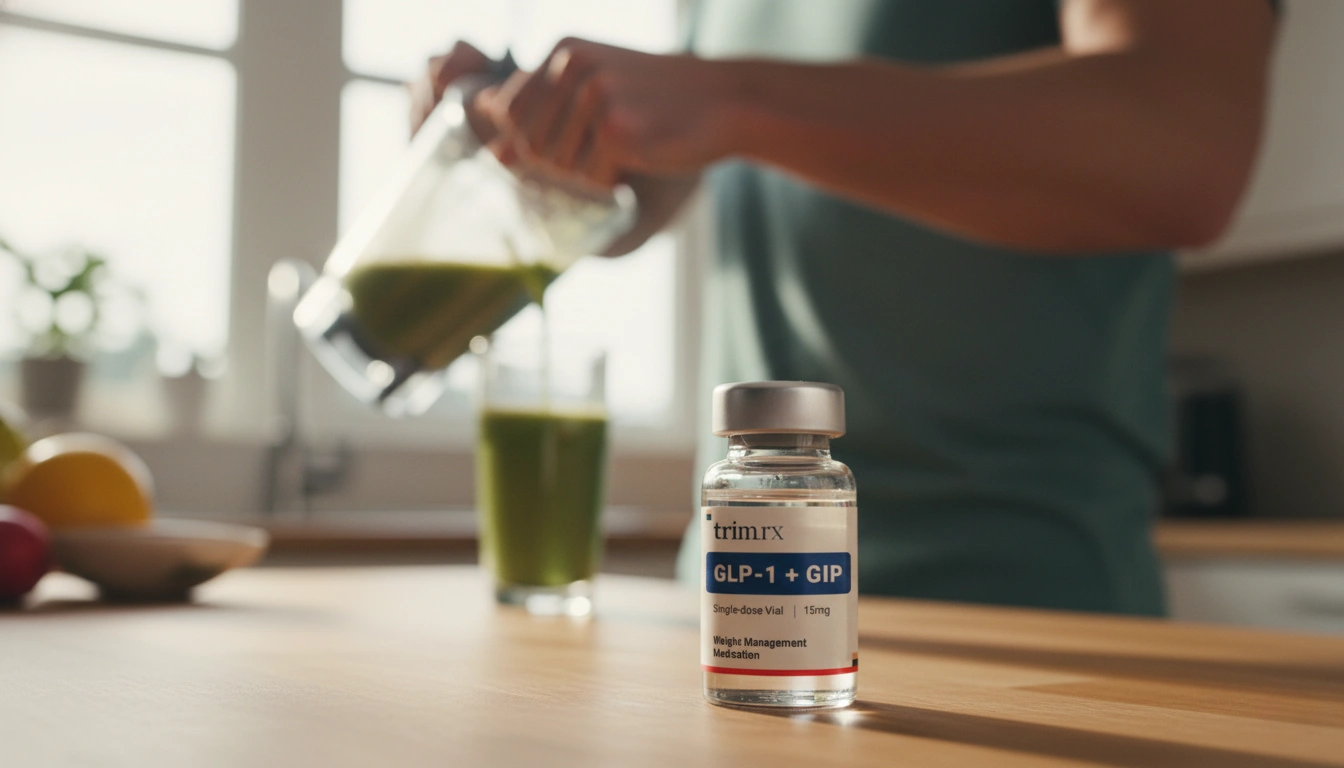
Intermittent fasting has spent the better part of a decade as one of the more popular dietary strategies for weight loss, and for good reason. It’s flexible, doesn’t require calorie counting, and works with human hunger biology in ways that many people find easier to sustain than traditional restriction. So when patients start GLP-1 medications and ask whether they can keep fasting, or whether adding fasting on top of medication makes sense, it’s a question worth answering carefully. The combination can work well. It can also backfire. Here’s how to think through it.
How Each Approach Works on Its Own
Intermittent fasting is an umbrella term for eating patterns that cycle between periods of eating and not eating. The most common versions are 16:8 (eating within an eight-hour window daily), 5:2 (eating normally five days per week and significantly restricting calories two days), and alternate-day fasting. The proposed mechanisms for weight loss include reduced overall caloric intake, improved insulin sensitivity during fasting periods, and metabolic shifts toward fat oxidation when glycogen stores deplete.
GLP-1 receptor agonists like semaglutide work by mimicking a gut hormone that signals fullness, slows gastric emptying, and regulates blood sugar. The result is reduced appetite, lower caloric intake, and improved metabolic function. Unlike intermittent fasting, GLP-1 medications don’t prescribe any particular eating window. They work by changing the hormonal environment around hunger and satiety regardless of when you eat.
Both strategies ultimately produce weight loss by reducing caloric intake. Both improve insulin sensitivity. Both shift the body toward more efficient fat metabolism. The overlap is real, which creates both synergies and potential pitfalls.
Where the Combination Works Well
For patients who were already practicing intermittent fasting before starting a GLP-1 medication, the transition is often smooth. The medication tends to make fasting windows easier to maintain because appetite suppression reduces the hunger that makes fasting feel difficult. Patients who previously struggled to get through a 16-hour fast without feeling miserable often find it becomes almost effortless on semaglutide.
For patients new to fasting who want to try it alongside GLP-1 treatment, a time-restricted eating approach (eating within a defined window without strict calorie counting) tends to complement medication well. It creates structure around meals without requiring precise tracking, and the medication’s appetite suppression handles most of the heavy lifting.
The combination is also appealing from a metabolic standpoint. A 2022 study in Cell Metabolism found that time-restricted eating produced improvements in insulin sensitivity, blood pressure, and oxidative stress markers in adults with metabolic syndrome, effects that are complementary to and potentially additive with those of GLP-1 medications (Wilkinson MJ et al., Cell Metabolism, 2022, https://www.cell.com/cell-metabolism/fulltext/S1550-4131(19)30611-4).
The Real Risks of Combining These Approaches
Here’s where the conversation needs to be direct. The combination of GLP-1-induced appetite suppression and intermittent fasting creates conditions where patients can easily undereat, sometimes severely.
Consider this scenario: a patient starts compounded semaglutide and finds their appetite drops dramatically. They’re also doing 16:8 fasting, so they’re only eating between noon and 8pm. Within that eight-hour window, they’re so full from the medication that they struggle to eat more than one small meal. Their total daily intake drops to 700 or 800 calories. Initially the scale moves fast, which feels validating. But within a few weeks they’re losing muscle alongside fat, feeling fatigued, and experiencing the cognitive slowing that comes with inadequate nutrition.
This scenario isn’t rare. The combination of medication-suppressed appetite and a compressed eating window requires deliberate attention to ensure adequate intake, particularly protein.
Muscle loss is the most significant concern. GLP-1 medications already carry some risk of lean mass loss during rapid weight loss. Fasting, if it produces insufficient protein intake, compounds this. Preserving muscle matters for metabolic rate, physical function, and long-term weight maintenance.
Nutrient deficiencies can develop faster than patients expect when both total intake and eating windows are restricted. Micronutrients like B12, iron, magnesium, and zinc are easy to shortchange when overall food volume is low.
Hypoglycemia risk is elevated for patients with diabetes or prediabetes who are on additional blood sugar-lowering medications. Combining fasting with GLP-1 treatment can push blood sugar lower than expected, particularly during extended fasting windows.
Practical Guidelines for Doing This Well
If you want to combine intermittent fasting with GLP-1 treatment, a few principles make a meaningful difference in outcomes.
Choose a moderate fasting window. A 14:10 or 16:8 approach is reasonable for most people. Extended fasting protocols (24-hour fasts, alternate-day fasting with very low calorie days) significantly increase the risk of inadequate intake when combined with medication-suppressed appetite. More aggressive fasting windows aren’t necessarily more effective and carry more downside.
Build meals around protein first. Within your eating window, prioritize protein at every meal before filling in with fats and carbohydrates. A general target of 25-40 grams of protein per meal helps preserve muscle mass and supports satiety in a way that prevents further appetite suppression from compounding the restriction. Patients on compounded tirzepatide, which tends to suppress appetite more strongly than semaglutide, need to be especially intentional about this.
Don’t skip the morning if you’re not hungry. One of the most common patterns on GLP-1 medications is waking up with essentially no appetite. If you’re also fasting until noon, you may find yourself not eating until 2pm or later because you’re still not hungry when your window opens. Pay attention to the clock as much as hunger cues during early treatment. Hunger signals are suppressed by the medication, not absent because your body doesn’t need fuel.
Track intake loosely, at least initially. You don’t need to log every calorie forever, but during the first few months of combining these approaches, a rough awareness of daily intake helps catch undershooting early. Anything below 1,200 calories for most adults warrants a conversation with your provider.
Timing Your GLP-1 Dose Around Fasting
For patients on weekly injectable semaglutide or tirzepatide, the timing of your injection relative to your fasting schedule doesn’t require much adjustment. The medication works continuously throughout the week. Some patients prefer to inject on a day and time when they’re less likely to be in a fasting window, simply to avoid stacking the post-injection appetite dip with an already-restricted eating period, but this is a personal preference rather than a medical requirement.
For patients curious about the early weeks of GLP-1 treatment and what to expect with appetite changes, the Wegovy first month results overview covers the week-by-week progression of appetite suppression in useful detail.
How This Compares to Keto as a Pairing
Intermittent fasting and ketogenic dieting are the two most common dietary approaches patients combine with GLP-1 medications. They’re not mutually exclusive, and some patients do all three simultaneously, but that level of restriction requires careful nutritional management. If you’re deciding between pairing your medication with fasting versus keto, the key distinction is structure versus macronutrient composition. Fasting gives you a time structure. Keto gives you a macronutrient structure. Neither is inherently superior when combined with GLP-1 treatment, and the right choice depends on your food preferences, lifestyle, and metabolic goals.
When to Reassess
If you’re combining GLP-1 treatment with intermittent fasting and experiencing persistent fatigue, significant hair loss, muscle weakness, or stalled weight loss after an initial fast drop, these are signals to reassess your intake. A provider can help determine whether your nutrition is adequate or whether adjustments to your fasting window, dose timing, or overall eating pattern would serve you better.
TrimRx works with patients to optimize their treatment approach, not just prescribe a medication and step back. Start your assessment here to see whether GLP-1 treatment is a fit for your situation.
This information is for educational purposes and is not medical advice. Consult with a healthcare provider before starting any medication. Individual results may vary.

Transforming Lives, One Step at a Time
Keep reading

Vegan and GLP-1: Meeting Your Protein Needs Without Animal Products
Going vegan while on a GLP-1 medication is entirely doable, but it requires more nutritional intentionality than either approach demands on its own. Semaglutide…

GLP-1 and Bodybuilding: How to Preserve Muscle Mass While Losing Fat
Bodybuilders and serious lifters approach weight loss differently than most people. Where a general patient might be satisfied losing 20 pounds regardless of composition,…

Chronic Fatigue and Weight: What GLP-1 Medications Can (and Can’t) Do
Fatigue is one of the most common complaints providers hear from patients carrying excess weight, and one of the most frustrating to address. It’s…


