GLP-1 for Men Over 50: Weight Loss Considerations
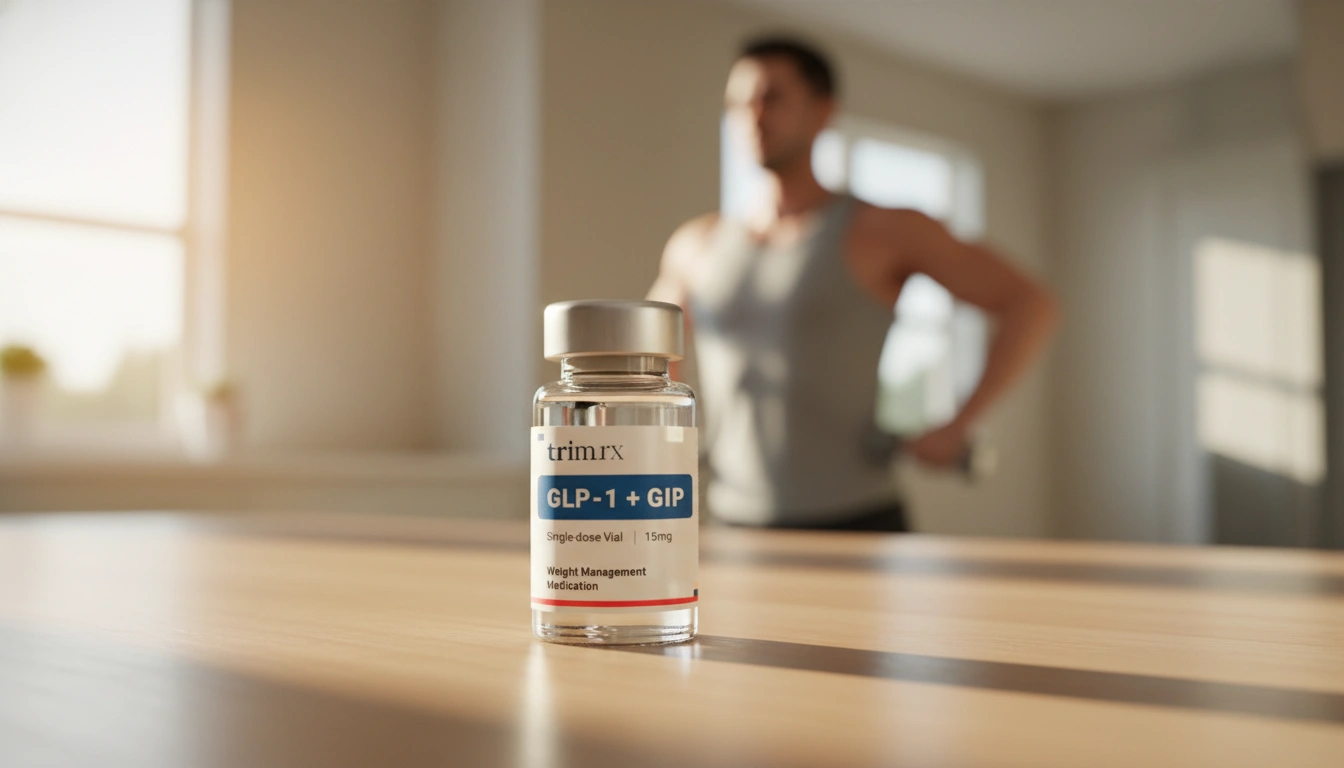
Losing weight after 50 is harder than it was at 35. That’s not a perception problem; it reflects real physiological changes that accumulate with age. Muscle mass declines, testosterone drops, metabolism slows, and fat distribution shifts toward the visceral compartment. GLP-1 medications are proving effective across age groups, but men over 50 bring a specific set of considerations to the table that are worth understanding before starting treatment.
What Changes After 50 That Affects Weight
Several overlapping processes make weight management more difficult for men in their 50s and beyond.
Sarcopenia is the age-related loss of muscle mass and strength. It begins gradually in the 30s and accelerates after 50. Because muscle tissue is metabolically active, losing it reduces resting calorie burn. A man who weighed the same at 55 as he did at 35 is likely burning fewer calories at rest simply because his muscle-to-fat ratio has shifted.
Declining testosterone compounds this. Testosterone supports muscle protein synthesis, fat metabolism, and energy levels. Natural testosterone decline accelerates in the 40s and 50s, and for men who are also carrying excess weight, the aromatase-driven conversion of testosterone to estrogen makes the drop more pronounced. The relationship between testosterone and GLP-1 medications is covered in depth in testosterone and GLP-1, which is worth reading alongside this article.
Insulin resistance tends to worsen with age, particularly in men with central adiposity. This makes the metabolic case for GLP-1 treatment stronger, not weaker, as men get older.
Sleep disruption is more common after 50 and independently drives weight gain through hormonal changes, including elevated cortisol and reduced growth hormone secretion during disrupted sleep cycles.
How GLP-1 Medications Work in Older Men
The core mechanisms of semaglutide and tirzepatide don’t change with age. GLP-1 receptor agonists still slow gastric emptying, reduce appetite, improve insulin sensitivity, and support weight loss through reduced caloric intake. What changes is the physiological context in which those mechanisms operate.
Older men may find that appetite suppression feels more pronounced than in younger patients, partly because baseline appetite regulation may already be altered with age. This can be an advantage in terms of adherence, but it also increases the importance of monitoring nutritional quality when overall intake drops.
Consider this scenario: a 57-year-old man with a BMI of 35, borderline type 2 diabetes, and a history of failed dietary interventions starts compounded semaglutide at a low dose. Within six weeks, his appetite decreases substantially, and he’s eating roughly 30% fewer calories than before. The weight loss is real, but his protein intake has also dropped. Without deliberate attention to dietary composition, muscle loss accelerates alongside fat loss, and his long-term metabolic health doesn’t improve as much as the scale suggests.
This scenario plays out often enough in clinical practice that it’s worth addressing head-on before treatment begins.
The Muscle Preservation Priority
For men over 50 on GLP-1 medications, preserving muscle mass isn’t optional. It’s the variable that determines whether weight loss translates into better metabolic health and functional capacity, or just a lower number on the scale with a worsened muscle-to-fat ratio.
Several strategies matter here:
Resistance training. This is the most important intervention for preserving lean mass during GLP-1-assisted weight loss. Men over 50 should aim for two to four sessions per week targeting major muscle groups. The anabolic response to resistance training is somewhat blunted with age, which means consistency and progressive overload matter more, not less.
Protein intake. The general recommendation for adults is 0.8 grams of protein per kilogram of body weight daily. For older men losing weight on GLP-1 medications, most sports medicine and geriatric nutrition guidelines suggest going higher, in the range of 1.2 to 1.6 grams per kilogram, to offset age-related reductions in muscle protein synthesis efficiency.
Meal timing. Some research suggests older adults benefit from distributing protein intake across meals rather than concentrating it in one or two sittings. When GLP-1 medications reduce meal frequency, this can be a challenge worth planning around.
Results Men Over 50 Can Realistically Expect
Men over 50 do lose weight on GLP-1 medications. The clinical evidence includes participants across a wide age range, and older patients consistently show meaningful results. The STEP trials included participants up to age 75, and weight loss outcomes were significant across age groups.
What may differ from younger patients:
The rate of loss may be somewhat slower due to lower baseline metabolic rate and reduced hormonal support for fat mobilization. The proportion of weight lost as fat versus lean mass may be less favorable without deliberate muscle preservation strategies. The metabolic benefits (improved insulin sensitivity, blood pressure, and lipid profiles) are often substantial and may be more clinically significant than the weight loss numbers alone.
For men over 50 with metabolic comorbidities, the cardiovascular and glycemic benefits of GLP-1 treatment may be the most meaningful outcomes, independent of how much weight is lost. The SELECT trial demonstrated significant cardiovascular risk reduction with semaglutide in patients with existing cardiovascular disease, a population that skews older and includes many men in this age group.
Tirzepatide as an Option for Older Men
Tirzepatide acts on both GLP-1 and GIP receptors, producing larger average weight loss than semaglutide alone in head-to-head comparisons. For men over 50 who have more weight to lose or stronger metabolic indications, tirzepatide may be worth considering.
The Mounjaro three month results breakdown gives a practical sense of what tirzepatide produces in the early months of treatment, which can help set realistic expectations.
Compounded tirzepatide is available at lower cost than brand-name Mounjaro or Zepbound, making it more accessible for patients managing out-of-pocket expenses. The tirzepatide product page has current pricing and program details.
Medication Interactions to Be Aware Of
Men over 50 are more likely to be on other medications, and GLP-1 treatment can affect how some of those medications work. The most clinically relevant interaction is with oral medications that require consistent absorption timing, since semaglutide slows gastric emptying and can alter how quickly other drugs reach the bloodstream.
This is particularly relevant for men taking oral medications for blood pressure, thyroid conditions, or diabetes. A provider review of your full medication list before starting is standard practice and worth taking seriously, not just as a formality.
Monitoring During Treatment
Men over 50 on GLP-1 medications benefit from more active monitoring than younger patients in some respects. Useful baseline assessments include:
A standard metabolic panel and lipid profile to track metabolic improvements over time. Testosterone levels, particularly if symptoms of low testosterone are present. Body composition measurement if available, since scale weight alone doesn’t capture muscle versus fat changes. Blood pressure, especially if on antihypertensive medications that may need dose adjustment as weight drops.
These aren’t barriers to starting treatment. They’re tools for getting the most out of it.
Getting Started
GLP-1 medications are a legitimate and well-supported option for men over 50 who are dealing with excess weight and related metabolic conditions. The key differences from younger patients aren’t reasons to avoid treatment; they’re reasons to approach it with a clear plan around muscle preservation, nutritional quality, and appropriate monitoring.
TrimRx provides telehealth-based access to compounded semaglutide and tirzepatide without requiring in-person visits or insurance. If you’re ready to find out whether GLP-1 treatment is appropriate for your situation, start your assessment to connect with a provider.
This information is for educational purposes and is not medical advice. Consult with a healthcare provider before starting any medication. Individual results may vary.

Transforming Lives, One Step at a Time
Keep reading

How to Get GLP-1 Medications Without Insurance
The retail price of brand-name GLP-1 medications is genuinely prohibitive for most people paying out of pocket. Wegovy lists at around $1,300 per month….

Testosterone and GLP-1: What Men Should Know
Low testosterone and excess body weight have a complicated relationship, and it runs in both directions. Carrying extra weight suppresses testosterone production. Lower testosterone…

GLP-1 vs Traditional Dieting: Effectiveness Comparison
If willpower were enough, the diet industry wouldn’t be worth hundreds of billions of dollars. Most people who lose weight through calorie restriction alone…


