GLP-1 Medications and Bowel Changes: What’s Normal
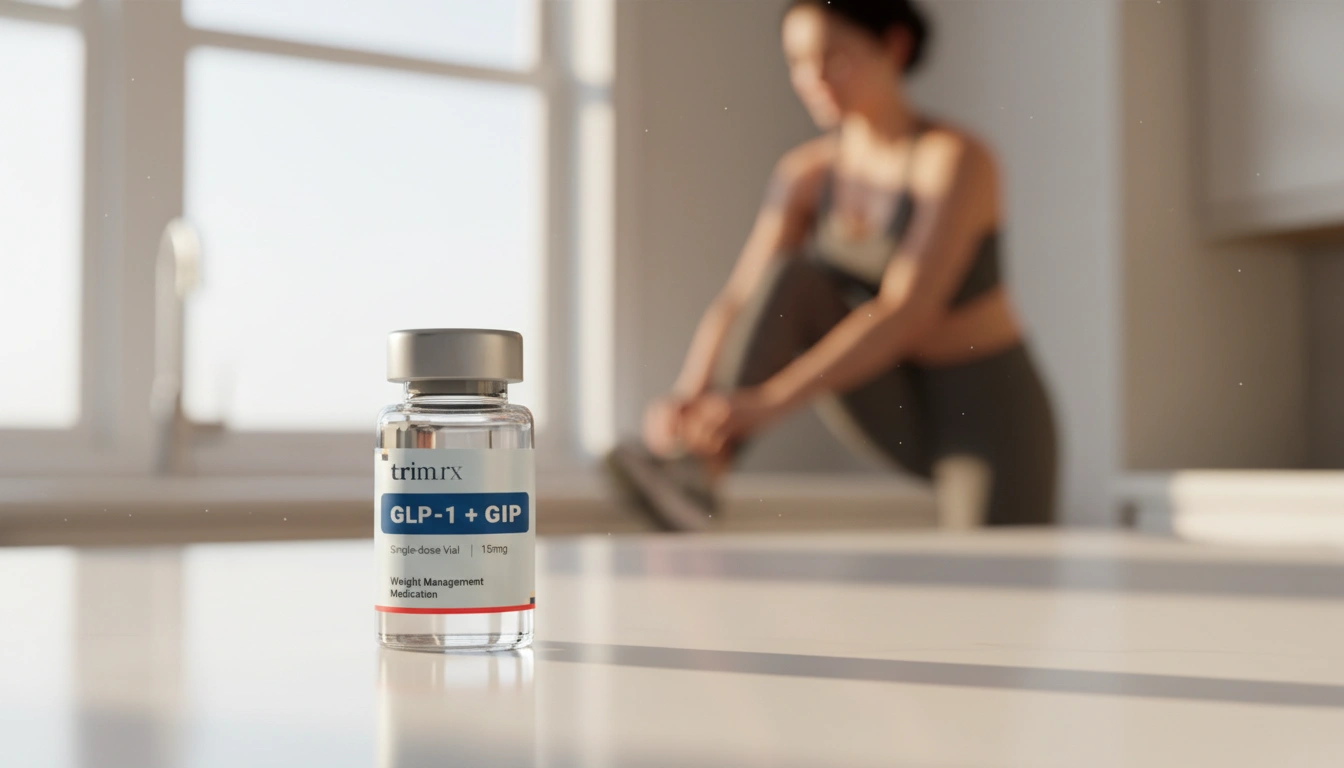
Bowel changes are among the most commonly reported digestive side effects of GLP-1 medications, yet they’re also among the least discussed openly. Whether you’re dealing with constipation, looser stools, or something in between, understanding what’s driving these changes and what falls within the normal range makes the adjustment period significantly easier to navigate.
How GLP-1 Medications Affect Digestion
To understand bowel changes on semaglutide or tirzepatide, it helps to understand what these medications actually do to the digestive system. GLP-1 receptor agonists slow gastric emptying, meaning food moves from the stomach into the small intestine more slowly than it did before. This is one of the primary mechanisms behind the prolonged fullness and appetite suppression that makes these medications effective for weight loss.
That slowed motility doesn’t stop at the stomach. It affects the entire gastrointestinal tract to varying degrees. The colon, which is responsible for forming and moving stool toward elimination, is also influenced by GLP-1 receptor activity. Depending on how your individual gut responds to that change in motility, you might experience constipation, diarrhea, or an unpredictable alternation between the two, particularly in the early weeks.
Constipation on GLP-1 Medications
Constipation is the more commonly reported bowel change, particularly among patients on semaglutide. Several factors contribute simultaneously.
Slowed gut motility is the primary driver. When everything moves more slowly through the digestive tract, stool spends more time in the colon, where water is reabsorbed. The longer stool sits, the drier and harder it becomes, making it more difficult to pass.
Reduced food intake compounds the problem. Bowel movements depend partly on volume. When you’re eating significantly less than before, there’s simply less material moving through the gut, which means fewer and less predictable bowel movements.
Inadequate hydration makes it worse. On GLP-1 medications, thirst signals are blunted alongside hunger. Patients who aren’t actively monitoring their fluid intake often find themselves mildly dehydrated without realizing it, and dehydration directly contributes to hard, difficult-to-pass stools.
Consider this scenario: a patient two weeks into semaglutide treatment hasn’t had a bowel movement in four days. They’ve been eating about half their usual intake and drinking less than normal because they simply don’t feel hungry or thirsty. Once they increase water intake, add a daily fiber supplement, and eat a small amount of fruit each morning, regularity returns within a week.
Managing Constipation on Ozempic
Staying consistently hydrated is the single most impactful change most patients can make. Aim for at least 64 ounces of water daily, more if you’re active or in a warm climate.
Dietary fiber supports bowel regularity by adding bulk to stool and feeding the gut bacteria that support healthy motility. Soluble fiber from oats, flaxseed, and psyllium husk tends to be gentler on the gut than insoluble fiber from raw vegetables, particularly when digestion is already slowed. Start with a modest amount and increase gradually to avoid adding gas and bloating on top of constipation.
Physical movement helps. Even a short daily walk stimulates gut motility meaningfully. Patients who are largely sedentary tend to experience more pronounced constipation on GLP-1 medications than those who stay active.
If dietary and lifestyle adjustments aren’t enough, over-the-counter options like MiraLAX (polyethylene glycol) are generally considered safe for short-term use alongside semaglutide. Stimulant laxatives are a last resort and not appropriate for regular use. Always discuss ongoing constipation management with your provider.
Diarrhea on GLP-1 Medications
Diarrhea is less common than constipation but does affect a meaningful subset of patients, particularly with tirzepatide. When it occurs, it tends to be most pronounced in the first few weeks of treatment or following dose increases and typically improves as the body adjusts.
The mechanism here is less about slowed motility and more about the gut’s response to altered digestive patterns. Changes in bile acid secretion, shifts in gut bacteria composition, and the increased fat content in stool that can result from altered fat absorption all contribute to looser stools in some patients.
Dietary fat is a relevant factor. High-fat meals on a GLP-1 medication can trigger loose stools because fat digestion is particularly sensitive to the changes in gastric emptying and bile acid dynamics. Patients who notice diarrhea specifically after fatty meals may benefit from temporarily reducing dietary fat intake.
Managing Diarrhea on Ozempic or Tirzepatide
Staying hydrated is equally important here as with constipation, but for the opposite reason. Diarrhea causes fluid and electrolyte loss, and on a medication that already blunts thirst signals, it’s easy to fall behind on fluid replacement without noticing.
Temporarily pulling back on high-fat foods, spicy foods, and large quantities of sugar alcohols (commonly found in low-calorie protein bars and snacks) can reduce the frequency of loose stools. Eating smaller, more frequent meals rather than larger ones also helps keep the gut from being overwhelmed at any one time.
If diarrhea is frequent, severe, or accompanied by significant cramping, contact your provider. Persistent diarrhea beyond the first few weeks of treatment isn’t something to attribute automatically to medication adjustment.
The Alternating Pattern
Some patients experience neither consistent constipation nor consistent diarrhea but instead an unpredictable alternation between the two. This can feel particularly disorienting because adjusting for one seems to trigger the other.
This pattern is most common during the dose escalation phase, when the gut is repeatedly adapting to new levels of GLP-1 receptor stimulation. A consistent diet, adequate hydration, and gradual dose increases tend to smooth this out over time. Keeping a brief symptom log during this period helps identify whether specific foods or eating patterns are triggering the shifts.
What Isn’t Normal
Most bowel changes on GLP-1 medications are manageable and temporary. The following patterns fall outside the normal adjustment range and warrant a conversation with your provider.
Blood in the stool is never a normal side effect of GLP-1 medications and should be evaluated promptly. Severe abdominal pain alongside bowel changes, particularly if the pain is concentrated in the upper abdomen and radiates to the back, needs urgent evaluation. Bowel changes that are worsening rather than improving after two to three months of treatment also warrant provider review.
How Long Do Bowel Changes Last?
For most patients, the most significant bowel disruption occurs in the first six to eight weeks of treatment. As the gut adapts to altered motility and patients find a consistent dietary pattern, bowel habits typically stabilize. Many patients report that by the three-month mark, their digestion feels more predictable and manageable than it did in the early weeks.
Dose increases can temporarily reset this adjustment clock, bringing a brief return of symptoms before the gut adapts again at the new dose level.
For patients managing GI side effects alongside their GLP-1 treatment, the TrimRx clinical team can provide personalized guidance on dietary adjustments and symptom management strategies. And if you’re just beginning to explore whether GLP-1 treatment is right for your situation, the intake assessment is a practical first step toward getting individualized recommendations.
This information is for educational purposes and is not medical advice. Consult with a healthcare provider before starting any medication. Individual results may vary.

Transforming Lives, One Step at a Time
Keep reading

GLP-1 Medications and Heart Palpitations: What to Know
If you’ve started a GLP-1 medication and noticed your heart beating faster or harder than usual, you’re not alone. Heart palpitations are reported across…
How to Get GLP-1 Medications Without Insurance
The retail price of brand-name GLP-1 medications is genuinely prohibitive for most people paying out of pocket. Wegovy lists at around $1,300 per month….
GLP-1 for Men Over 50: Weight Loss Considerations
Losing weight after 50 is harder than it was at 35. That’s not a perception problem; it reflects real physiological changes that accumulate with…


