GLP-1 Medications for Severe Obesity: What to Expect With a BMI Over 40
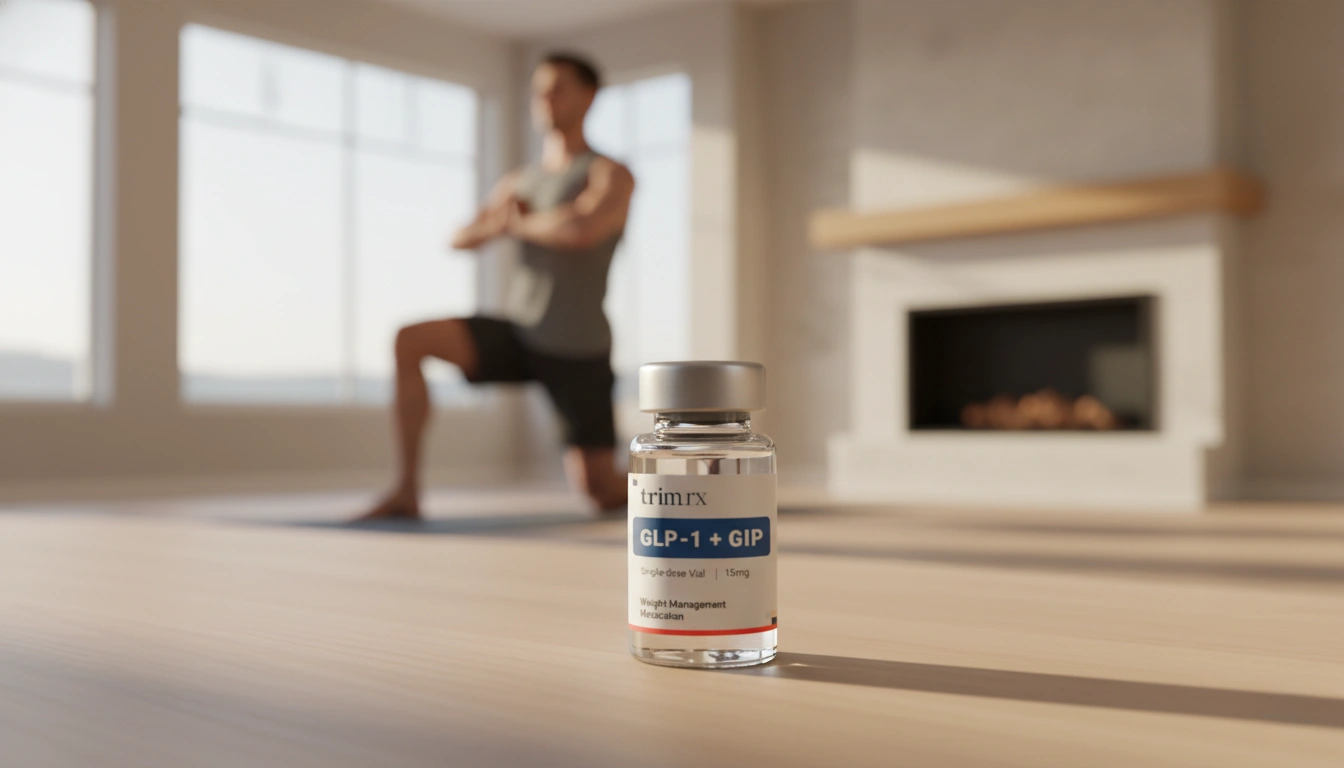
If your BMI is above 40, GLP-1 medications are among the most effective non-surgical tools available for weight loss. Clinical trials for both semaglutide and tirzepatide included patients with severe obesity, and the results were substantial: average losses of 15 to 22% of body weight, with some patients losing significantly more. For someone weighing 280 pounds, that’s 42 to 60 pounds on average. This guide covers what the data actually shows for high-BMI patients, how results differ from lower-BMI users, and what to realistically expect over the first year.
What “Severe Obesity” Means Clinically
BMI classifications matter for eligibility and treatment planning. A BMI of 30 to 34.9 is classified as Class I obesity. BMI 35 to 39.9 is Class II. BMI 40 and above is Class III obesity, sometimes called severe or morbid obesity.
This distinction matters for GLP-1 treatment because eligibility thresholds and expected outcomes differ. Most GLP-1 prescribing guidelines approve treatment at BMI 30 or above (or 27 with a weight-related condition). Patients at BMI 40 and above are well within eligibility and often see the strongest absolute weight loss in pounds, even when percentage losses are similar to lower-BMI patients.
What the Clinical Trials Show for High-BMI Patients
The STEP 1 trial for semaglutide (Wegovy) enrolled participants with a mean BMI around 38, and the average weight loss was 14.9% of body weight over 68 weeks. The SURMOUNT-1 trial for tirzepatide included participants with a mean BMI of approximately 38 as well, with average losses ranging from 15% to 20.9% depending on dose.
Both trials included patients at BMI 40 and above, and this subgroup consistently showed strong responses. Larger starting body weight means more absolute pounds lost even at similar percentages, which is why high-BMI patients often report some of the most dramatic transformations in raw numbers.
A 2022 analysis published in Nature Medicine examining the SURMOUNT-1 trial data confirmed that tirzepatide at the 15mg dose produced average weight loss of 22.5% in participants with obesity, with a meaningful portion of participants achieving losses above 25% (Jastreboff et al., Nature Medicine, 2022, https://pubmed.ncbi.nlm.nih.gov/35927557/).
Semaglutide vs. Tirzepatide: Does It Matter at Higher BMIs?
For patients with severe obesity, tirzepatide tends to produce larger average weight loss than semaglutide. This likely comes down to mechanism: tirzepatide activates both GLP-1 and GIP receptors, while semaglutide targets GLP-1 alone. The dual action appears to produce stronger appetite suppression and greater metabolic effects, particularly at higher body weights where metabolic resistance can be more entrenched.
That said, semaglutide still produces clinically meaningful results at BMI 40 and above, and it remains a strong option, especially for patients managing type 2 diabetes alongside obesity. The right choice depends on your health history, any existing conditions, and what your provider recommends.
You can review both options directly: compounded semaglutide and compounded tirzepatide are both available through TrimRx at significantly lower costs than brand-name versions.
How Results Unfold Over Time at BMI 40+
Months 1 to 3
Early results at higher body weights can feel slower in percentage terms but faster in raw pounds. A patient starting at 320 pounds losing 1% of body weight per month is losing over 3 pounds monthly even before dose escalation kicks in fully. Appetite suppression typically begins within the first two weeks, and most patients notice reduced hunger and smaller portion tolerance before the scale moves dramatically.
Months 3 to 6
This is often the most active loss phase. Dose escalation is underway, the medication is at or near therapeutic levels, and the body is responding. Patients with BMI 40 and above frequently report losing 20 to 35 pounds by the six-month mark, though individual variation is wide. You can see a detailed breakdown of what this phase looks like in the tirzepatide results timeline.
Months 6 to 12
Weight loss typically continues but at a slower pace as the body adjusts. Plateaus are common around months 4 to 6 and again around months 9 to 12. For high-BMI patients, this is also when secondary health improvements become more pronounced: blood pressure, blood sugar, sleep apnea symptoms, and joint pain often improve significantly as weight comes off.
Beyond 12 Months
Long-term data from the STEP and SURMOUNT trials shows continued weight loss or maintenance through two years of treatment. Patients with severe obesity who continue treatment typically do not regain weight while on the medication, though stopping without lifestyle support usually leads to partial regain.
Will You Need Surgery Instead?
GLP-1 medications are not a replacement for bariatric surgery in every case, but for many patients with BMI 40 and above, they offer a meaningful alternative, especially for those who aren’t surgical candidates or prefer to avoid surgery.
Some providers use GLP-1 medications as a pre-surgical weight loss tool, reducing surgical risk by bringing BMI down before a procedure. Others use them as the primary treatment, particularly when comorbidities like diabetes respond well to GLP-1 therapy.
The key difference is speed. Bariatric surgery typically produces larger initial losses faster. GLP-1 medications work more gradually but with a much lower risk profile. For patients who don’t want surgery or can’t access it, the results from GLP-1 treatment at high BMIs are clinically significant on their own terms.
Practical Considerations for High-BMI Patients
A few factors matter more at higher starting weights.
Protein intake becomes especially important. Rapid weight loss increases the risk of losing muscle alongside fat. Prioritizing protein, typically 100 grams or more daily, helps preserve lean mass. The article on how much protein you need on Ozempic or semaglutide covers this in detail.
Exercise adds meaningful results. Even low-impact movement like walking improves insulin sensitivity and helps preserve muscle. Patients with joint issues from carrying excess weight often find that early weight loss makes exercise more accessible over time, creating a positive cycle.
Side effect management. Nausea and GI symptoms are common early on, and some patients at higher body weights find that slower dose escalation reduces side effects without sacrificing long-term results. This is worth discussing with your provider before starting.
Getting Started
If your BMI is above 40, you’re a strong candidate for GLP-1 treatment and likely eligible for the higher doses that produce the most significant results. Take the intake quiz to assess your eligibility and find out which medication and dose might be right for your situation.
This information is for educational purposes and is not medical advice. Consult with a healthcare provider before starting any medication. Individual results may vary.

Transforming Lives, One Step at a Time
Keep reading
NASH and GLP-1 Medications: Can They Reverse Liver Damage
NASH, or nonalcoholic steatohepatitis, is one of the few serious progressive liver conditions where a medication taken for a different primary purpose, weight loss,…

GLP-1 Medications and Cholesterol: What to Expect in Your Labs
GLP-1 medications improve cholesterol, and the changes show up in ways that matter clinically. Patients on semaglutide and tirzepatide consistently see reductions in triglycerides,…

High Triglycerides and GLP-1 Medications: What to Know
GLP-1 medications consistently lower triglycerides in clinical trials, often substantially, making them a particularly relevant treatment option for patients with elevated triglycerides alongside obesity…


