Using GLP-1 to Cut Back Drinking: What Trials Show
Introduction
People on GLP-1 medications keep reporting the same surprising thing: they just do not want to drink as much. For years that was anecdote. Now early trials, including a randomized study published in 2025, are beginning to confirm that semaglutide can reduce alcohol craving and heavy drinking. The science is young but genuinely promising.
This effect was not what these drugs were designed for. They target appetite and blood sugar through the GLP-1 receptor. But that same receptor sits in brain regions that govern reward and craving, which appears to explain why the appetite for food and the appetite for alcohol both seem to fall.
This guide covers what the trials actually show, the proposed mechanism, the important limits of the evidence, and how to think about using a GLP-1 to cut back on drinking responsibly. The honest summary is that the signal is real, the data is early, and this is not a replacement for established addiction treatment.
At TrimRx, we believe understanding the real state of the evidence is the first step toward good decisions. If you want to see whether a personalized program fits you, the free assessment quiz is an easy place to start.
At TrimRx, we believe that understanding your options is the first step toward a more manageable health journey. You can take the free assessment quiz if you’re ready to see whether a personalized program is a fit for you.
Do GLP-1 Drugs Reduce Alcohol Cravings?
Early evidence suggests GLP-1 drugs can reduce alcohol cravings and consumption, and a growing body of patient reports and animal studies points the same way. A 2025 randomized trial found semaglutide lowered alcohol craving and heavy drinking days in people with alcohol use disorder.
Quick Answer: Many people on GLP-1 medications report wanting alcohol less, and early trials are starting to back up these reports.
The pattern started with observation. Doctors and patients noticed that people on semaglutide or tirzepatide for weight or diabetes often spontaneously drank less, sometimes losing interest in alcohol entirely. Large database analyses then found lower rates of alcohol-related problems among GLP-1 users, which is suggestive but not proof, since those studies cannot fully control for other factors.
The randomized trial is what elevated this from anecdote toward science. In a controlled setting, semaglutide outperformed placebo on measures of drinking. That is the kind of evidence that justifies taking the effect seriously, while still recognizing it as an early finding in need of larger confirmation.
What Did the Semaglutide Alcohol Trial Find?
A 2025 randomized controlled trial led by Klausen and colleagues, published in JAMA Psychiatry, found that semaglutide reduced alcohol craving and the amount people drank on heavy-drinking days compared with placebo in adults with alcohol use disorder. It was a relatively small but well-designed study.
The participants had alcohol use disorder and were given low-dose semaglutide or placebo over a couple of months. Those on semaglutide showed reduced craving and drank less when they did drink, with the clearest effect on heavy-drinking episodes. The doses used were lower than typical weight-loss doses, which matters for interpreting the result.
It is worth being precise about scope. This was a single trial of modest size, focused on craving and drinking quantity over a short period. It is strong enough to be meaningful and to justify larger studies, but not strong enough to call the question settled. Treat it as an encouraging first randomized result, not a final verdict.
How Might a GLP-1 Affect Drinking?
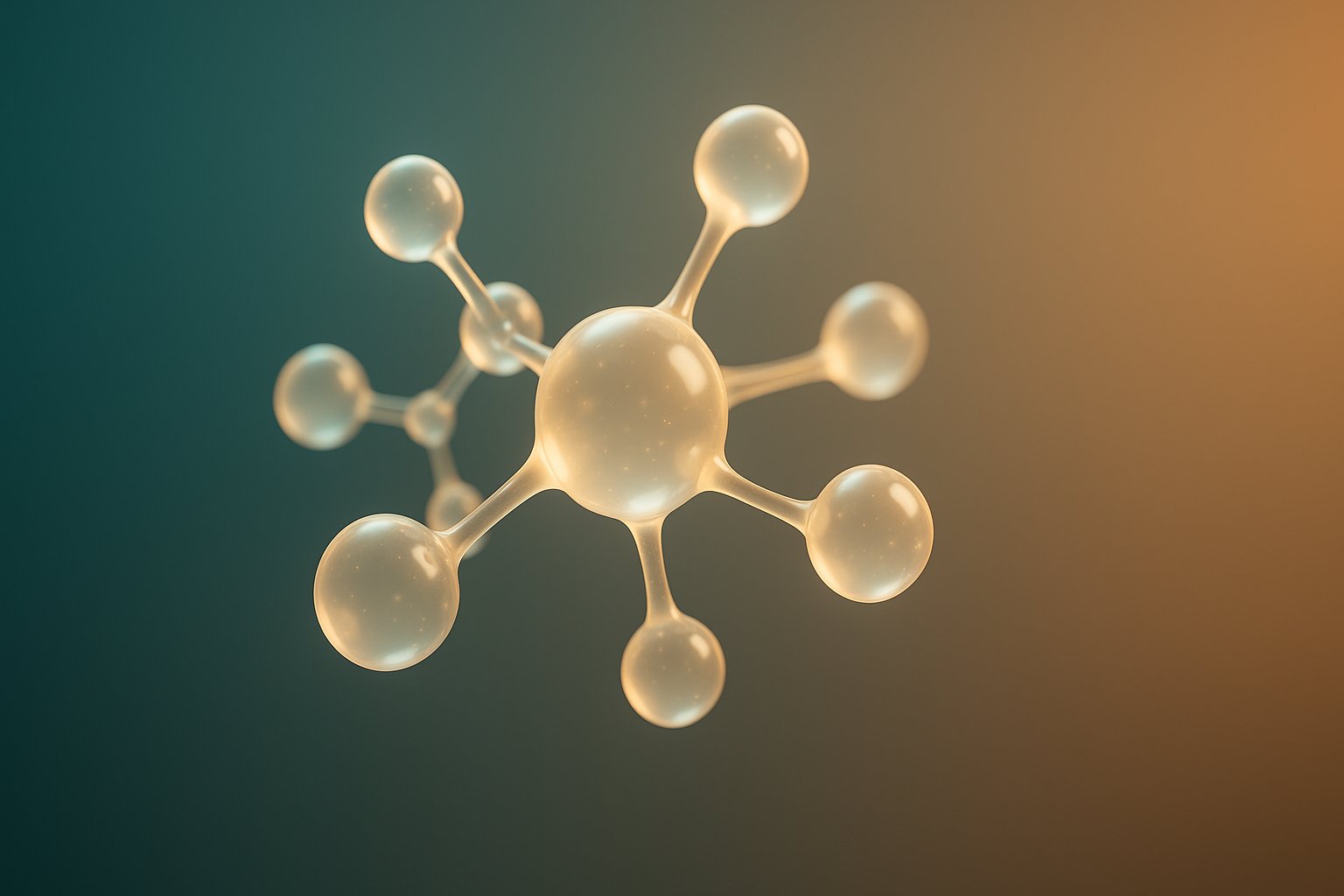
The leading explanation is that GLP-1 receptors in the brain’s reward circuitry dampen the dopamine response to alcohol, reducing the pleasure and craving that drive drinking. The same pathway likely explains why these drugs reduce cravings for food and possibly other substances.
Reward and craving run largely through dopamine signaling in regions like the nucleus accumbens. Animal studies show that activating GLP-1 receptors reduces the dopamine surge from alcohol and lowers alcohol intake in rodents. If alcohol triggers less of a reward hit, the urge to keep drinking weakens.
This reward-circuit effect is probably the unifying thread. It would explain the food cravings dropping, the alcohol interest fading, and the early hints that GLP-1 drugs might affect nicotine and other compulsive behaviors. The brain’s reward system is shared across these urges, and a drug that quiets it could touch all of them. That breadth is intriguing and still being mapped.
Are GLP-1 Drugs Approved for Alcohol Use Disorder?
No. GLP-1 drugs are not FDA approved for alcohol use disorder or for reducing drinking. Any such use is off-label and investigational, meaning a clinician may prescribe it based on judgment, but it has not been formally vetted and approved for this purpose.
Approved medications for alcohol use disorder already exist, including naltrexone, acamprosate, and disulfiram, each with established trial support. GLP-1 drugs are not in that category yet. The randomized evidence is too early, and larger trials are needed before any regulator would approve them for drinking.
That status carries real implications. Off-label use means less certainty about dosing, duration, and who benefits, and insurance generally will not cover a GLP-1 prescribed for drinking. Anyone considering this should understand they are in investigational territory and should have that conversation explicitly with a clinician.
Key Takeaway: The likely mechanism is that GLP-1 receptors influence the brain’s reward circuitry, dampening the dopamine response to alcohol.
Who Might This Help, and WHO Should Be Cautious?
This may help people who want to moderate their drinking and are already candidates for a GLP-1, since the effect can come alongside weight or metabolic treatment. People with serious alcohol use disorder should be cautious about relying on it instead of proven addiction care.
The clearest fit is the person with overweight or type 2 diabetes who also drinks more than they would like. For them, a GLP-1 prescribed for its approved use may bring a welcome reduction in drinking as a secondary effect. That is a reasonable place for the current evidence to be applied.
The caution is for those with established, severe alcohol use disorder, especially with physical dependence. Alcohol withdrawal can be dangerous, and an unsupervised attempt to cut back is risky. These individuals need dedicated treatment, which may include approved medications, counseling, and medical supervision. A GLP-1, if used at all, is an adjunct in that setting, not a do-it-yourself solution.
What Are the Limits and Unknowns?
The main limits are that the evidence is early, the trials are small, and we do not yet know the right dose, who responds, or whether the effect lasts. GLP-1 drugs also do not address the psychological and social drivers of problem drinking.
We have essentially one solid randomized trial plus observational data and animal studies. That is a promising start, not a mature body of evidence. Larger and longer trials are underway, and they will clarify the dose, the durability of the effect, and which patients benefit most. Until then, claims should stay modest.
There is also a conceptual limit. Even if a GLP-1 reduces craving, problem drinking is bound up with stress, habit, mental health, and environment. A medication that dampens the urge does not resolve those drivers. Lasting change usually needs behavioral support alongside any biological help. Our broader content on the brain effects of GLP-1 drugs touches on this craving theme.
The Path Forward with TrimRx
Using a GLP-1 to cut back on drinking sits at an exciting but early stage. A 2025 randomized trial supports a real effect on craving and heavy drinking, the mechanism makes sense, and patient reports are widespread. But it is off-label, investigational, and not a substitute for proven addiction treatment.
TrimRX offers compounded semaglutide at 199 dollars per month and tirzepatide at 349 dollars per month with provider oversight, focused on weight and metabolic health rather than on treating alcohol use disorder. If you are a candidate for a GLP-1 and also want to drink less, the free assessment quiz is a starting point, and serious alcohol concerns should be raised directly with a clinician or addiction specialist.
Bottom line: These medications do not replace proven addiction treatments, and anyone with a serious alcohol problem should seek dedicated care alongside any GLP-1 use.
FAQ
Can Semaglutide Help Me Drink Less Alcohol?
Early evidence suggests it can. A 2025 randomized trial published in JAMA Psychiatry found semaglutide reduced alcohol craving and heavy-drinking days in people with alcohol use disorder, and many patients report wanting alcohol less. But this use is off-label and investigational, not an approved treatment.
How Does a GLP-1 Reduce Alcohol Cravings?
The leading explanation is that GLP-1 receptors in the brain’s reward circuitry dampen the dopamine response to alcohol, making it less pleasurable and reducing craving. This is likely the same pathway that reduces food cravings and may explain early hints of effects on other compulsive behaviors.
Is a GLP-1 Approved to Treat Alcohol Use Disorder?
No. GLP-1 drugs are not FDA approved for alcohol use disorder, so any use for drinking is off-label and investigational. Approved options like naltrexone, acamprosate, and disulfiram have established evidence. GLP-1 drugs need larger trials before any regulator would approve them for this purpose.
Can a GLP-1 Replace Addiction Treatment?
No. GLP-1 drugs do not address the psychological, social, and habitual drivers of problem drinking, and the evidence is still early. People with serious alcohol use disorder need dedicated care, which may include approved medications, counseling, and medical supervision, especially because alcohol withdrawal can be dangerous.
What Dose of Semaglutide Affects Drinking?
The 2025 trial used relatively low doses, lower than typical weight-loss doses, but the right dose for reducing drinking is not established. This is one of the open questions larger trials need to answer, which is part of why the use remains investigational rather than standardized.
Will a GLP-1 Also Affect Other Cravings, Like Smoking?
Possibly. Because the proposed mechanism involves the brain’s shared reward circuitry, there are early hints that GLP-1 drugs might reduce nicotine and other compulsive urges. The evidence here is even earlier than for alcohol, so this remains a promising but unproven area of research.
Disclaimer: This content is for informational purposes only and does not constitute medical advice. It is not intended to diagnose, treat, cure, or prevent any disease or condition. Individual results may vary. Always consult a qualified healthcare professional before starting any weight loss program or medication.

Transforming Lives, One Step at a Time
Keep reading
A History of Disordered Eating and Starting a GLP-1: Building Support
The honest answer to what you should watch for is that self-monitoring is not the right tool here, and this article is not going…
What Labs Should Your Doctor Run Now That You’re on a GLP-1?
There is no universal panel, and anyone handing you a fixed list is guessing about your situation. What gets checked depends on what conditions…
Can’t Eat Enough Protein on a GLP-1? Why It Matters and What Helps
This is one of the most common difficulties on these medications, and the tension in your question is real: protein is the thing most…


