GLP-1 with Limited Kitchen Access: Hotel and Dorm Eating
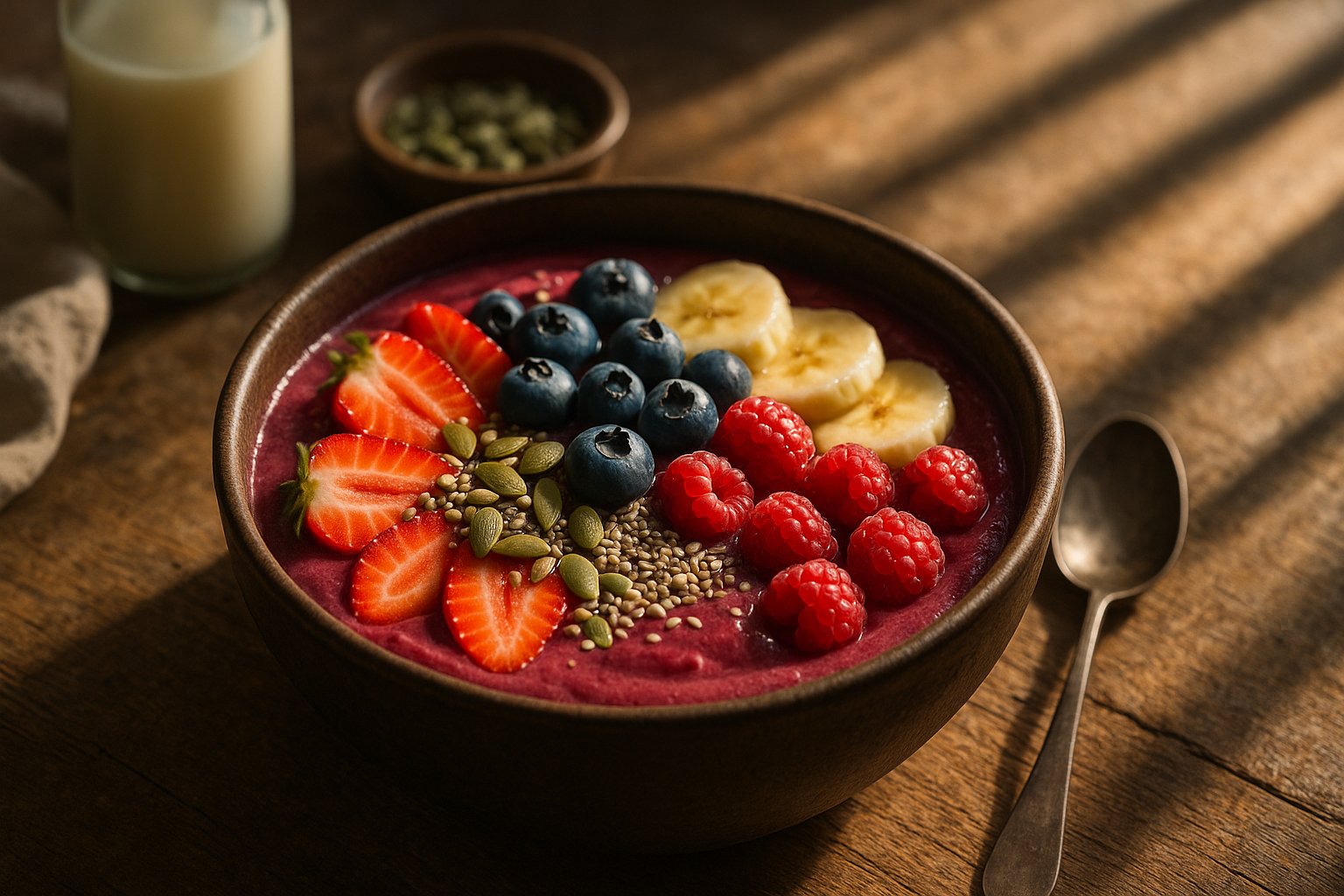
Introduction
GLP-1 treatment with limited kitchen access (a hotel month, a dorm year, a corporate apartment, a renovation summer) fails in one specific, predictable place: protein. The medication keeps working anywhere; appetite suppression doesn’t care about your floor plan. But when the default food environment becomes vending machines, takeout, and a dining hall, and your appetite only has room for 1,200 to 1,500 calories anyway, every low-protein convenience meal displaces the muscle protection your weight loss depends on. Trial substudies put roughly 39% of unguarded GLP-1 weight loss as lean mass; kitchenless living is exactly where guarding slips.
The fix costs about $60 and a shopping list, not a kitchen. A microwave and mini-fridge (standard in most hotels and dorms) support a genuinely good GLP-1 diet once you stock for it, and buffet-style venues like dining halls are quietly ideal for small, protein-first appetites.
This guide is the complete kitchenless system: the staples shelf, the no-cook meal rotation, dining hall and hotel strategy, and the medication storage logistics.
At TrimRx, we believe treatment should work in a dorm room as well as a chef’s kitchen. The free assessment quiz takes five minutes wherever you’re living.
At TrimRx, we believe that understanding your options is the first step toward a more manageable health journey. You can take the free assessment quiz if you’re ready to see whether a personalized program is a fit for you.
What Actually Goes Wrong with No Kitchen, and What’s the Target?
The failure pattern is consistent: appetite shrinks, convenience food fills the small space available, protein craters to 40 to 60 g a day, and over months that produces the bad version of weight loss (muscle going with the fat, energy sliding, strength dropping). Meanwhile nausea-prone weeks make greasy takeout actively repellent, so meals start getting skipped entirely, and under-eating brings its own fatigue and rebound-snacking problems.
Quick Answer: No kitchen doesn’t break GLP-1 treatment; it breaks the default protein supply, and that’s replaceable with a microwave, a mini-fridge, and a smart shelf of staples.
The targets that prevent all of it:
- Protein: 1.2 to 1.6 g per kg of body weight daily (a 180-pound person needs roughly 100 to 130 g), split into 25 to 40 g doses, eaten first at every meal.
- A real meal structure: three eating occasions on a roughly consistent schedule, because on a suppressed appetite, unscheduled eating becomes no eating.
- Fluids on purpose: smaller food volume cuts the water food normally supplies (about a fifth of daily intake), so a water bottle habit matters more here.
- Fiber where you can get it: fruit, baby carrots, microwavable frozen vegetables, to keep digestion moving (constipation is a common GLP-1 complaint that convenience eating worsens).
Hit those four with whatever equipment exists, and the kitchen’s absence becomes cosmetic.
What Belongs on the Kitchenless Staples Shelf?
The shelf-plus-fridge list that carries the whole system. Fridge (mini-fridge is plenty):
- Greek yogurt (15 to 20 g protein per cup, the kitchenless MVP)
- Cottage cheese (25 g per cup)
- Rotisserie chicken (bought weekly, stripped into a container, 3 to 4 meals of 30+ g)
- Milk or fortified soy milk (8 to 9 g per cup, drinkable on nausea days)
- Pre-cooked eggs (store-bought hard-boiled, or microwave-scrambled in a mug in 90 seconds)
- String cheese, deli turkey
Shelf:
- Protein powder plus a shaker bottle (25 g per scoop, the schedule-saver)
- Canned tuna, salmon, and chicken (20+ g per can, no cooking, infinite shelf life)
- Jerky (10 g per ounce, survives a backpack)
- Protein bars (chosen for 15 to 20 g protein and tolerable fiber)
- Microwave rice cups, instant oatmeal, nut butter, nuts
- Tuna pouches with flavoring (no drain, no smell fight with roommates)
That’s roughly $50 to $70 to stock and $40 a week to maintain, comparable to or cheaper than the takeout it replaces. The one upgrade worth its $25 if you’re settling in for a semester: an electric kettle (legal in most dorms; check your housing rules), which adds oatmeal, instant soups, and tea on queasy days to the menu.
What Does a Week of Hotel-or-dorm Meals Look Like?
A rotation built entirely on microwave, fridge, and shops within walking distance:
Breakfasts (pick daily): Greek yogurt with granola; mug-scrambled eggs with cheese; protein shake plus a banana; cottage cheese with fruit. Each delivers 20 to 35 g protein in under three minutes, sized for a morning GLP-1 appetite.
Lunches: tuna pouch over a microwave rice cup; rotisserie chicken with baby carrots and hummus; deli turkey roll-ups with string cheese; a dining-hall or grocery salad bar plate built protein-first.
Dinners: the second rotisserie portion with a microwaved frozen vegetable bag; canned chicken quesadilla (tortilla, cheese, 60 seconds); grocery hot-bar protein and vegetables; soup plus cottage cheese on rough-stomach nights.
The floaters: one shake or protein bar slotted wherever a meal came up short, and milk as the nightcap that quietly adds 8 g.
Tally check: that rotation runs 95 to 130 g of protein daily without a stove, which is the entire assignment. Notice also what it’s free of: cooking smells in shared spaces, dish piles in communal sinks, and the heavy, greasy preparations that GLP-1 stomachs punish anyway. Kitchenless eating and medication-friendly eating overlap more than either resembles the old default.
How Do You Work a Dining Hall or Hotel Breakfast on a GLP-1?
Buffet-style venues are a hidden advantage: total portion freedom, protein always present, and nobody auditing a small plate. The plays:
- Protein-first plate building, always: eggs, grilled chicken, fish, beans, cheese, yogurt before anything else goes on. Your first ten minutes of appetite are the protein window; spend them on the right macros.
- Small plate, one trip. The buffet’s danger (for anyone) is laps; the GLP-1 advantage is that you genuinely don’t want laps. Take the salad-size plate, build it once, sit down.
- Hotel breakfast is the day’s anchor. Eggs plus yogurt plus fruit at the included breakfast can bank 35 to 40 g of protein before the day’s chaos starts, taking pressure off every later meal.
- Dining hall hacks for students: the grill station’s plain chicken breast goes on everything; the salad bar’s eggs, beans, and cheese stack a 30 g plate; soft-serve machines are not your enemy, just a two-bite item now.
- To-go culture is your friend: most dining halls allow a takeaway piece of fruit or yogurt, which becomes the afternoon protein floater.
- On nausea days, buffets shine: broth, plain rice, yogurt, fruit, all available without committing to a full entree.
One social note for dorm life: nobody at the table is tracking your plate as closely as you fear. “I ate earlier” and “big lunch” have covered small dinners since dorms existed.
Key Takeaway: The kitchenless protein all-stars: Greek yogurt, cottage cheese, rotisserie chicken, canned fish, jerky, protein shakes, milk, and microwave eggs, all achievable with hotel-room or dorm equipment.
How Do You Store and Manage the Medication Itself?
One real requirement: reliable cold storage. The solutions by scenario:
- Hotels: the in-room minibar fridge works for pens and vials. If the room lacks one, request a fridge (hotels stock them for medical needs, usually free when you say “refrigerated medication”), or ask the front desk about secure refrigeration. Verify the fridge actually runs cold (some minibars are coolers, not fridges; a $5 fridge thermometer settles it).
- Dorms: a standard dorm mini-fridge is fine. Worried about roommates and curiosity? An opaque container or small locking medicine box inside the fridge handles privacy; the medication itself is legal, prescribed, and nobody’s business.
- Transit days: an insulated pouch with a cold pack covers the trip (these medications tolerate limited room-temperature time per their labeling, but heat is the killer; never a hot car, never checked luggage on flights).
- Sharps and supplies: a small sharps container lives in your room (pharmacies sell them for a few dollars), and campus health centers and hotel housekeeping should never be improvised disposal.
- Refills without a home base: telehealth programs ship to wherever you are, which is the structural advantage of that model for students and long-stay travelers. TrimRx ships monthly to your current address with the provider check-ins handled remotely, so a semester or a project assignment never interrupts the prescription.
The Path Forward
Stock the shelf, learn the five-meal rotation, build every plate protein-first, keep the shake as the schedule’s safety net, and solve cold storage once. That’s the entire adaptation: about $60, one shopping trip, and a week of habit-forming before kitchenless GLP-1 living feels like the normal version rather than the workaround.
And let the program structure do the logistics it’s built for: TrimRx programs ($199 a month for compounded semaglutide, $349 for tirzepatide) ship to dorms, hotels, and wherever the next move lands, with provider access included for the dose questions a hectic season raises. The free assessment quiz takes five minutes, no kitchen required.
Bottom line: Medication logistics need one solve: a working fridge (in-room minibar fridges and dorm mini-fridges both work) and a travel cold pack for transit days.
FAQ
How Do I Get Enough Protein on a GLP-1 with No Kitchen?
Build on no-cook anchors: Greek yogurt (15 to 20 g per cup), cottage cheese (25 g), rotisserie chicken (30+ g per portion), canned fish (20+ g), protein shakes (25 g per scoop), and jerky. Three protein-first meals plus one shake reaches 100 to 130 g daily with nothing but a fridge and microwave.
Can I Keep Semaglutide in a Dorm Mini-fridge?
Yes, a standard mini-fridge holds proper refrigeration temperature for pens and vials. Use an opaque container inside it for privacy if you share the room, keep a small sharps container for used needles, and use an insulated pouch with a cold pack for travel days. Never store doses in a hot car or checked luggage.
What Should I Eat at the Dining Hall on a GLP-1?
Protein first, one small plate, one trip: grill-station chicken, eggs, beans, cheese, and yogurt form the base, with vegetables alongside and everything else in taste-size portions. Buffet venues suit small appetites well because portions are entirely yours to set, and nausea days can run on broth, rice, and yogurt.
Is Constant Takeout Okay While I’m Living in a Hotel?
It works occasionally, but as the default it under-delivers protein and over-delivers grease that GLP-1 stomachs handle poorly. The mini-fridge-and-microwave system (rotisserie chicken, yogurt, tuna, shakes) is cheaper, gentler, and hits your targets; save takeout for the meals where it’s genuinely the best option.
How Do I Handle GLP-1 Nausea Days with Only a Microwave?
Stock the bland-and-liquid bench in advance: instant oatmeal, microwave rice, broth or instant soup, Greek yogurt, milk, and protein shakes. Small, cold, and liquid options go down easiest. Protect the protein floor with sips and spoonfuls rather than forcing full meals, and flag multi-day eating trouble to your provider as a dose conversation.
Can I Get My GLP-1 Refills Shipped to a Dorm or Hotel?
Through telehealth programs, yes: they ship monthly to your current address and handle provider check-ins remotely, which makes them the practical structure for students and long-stay travelers. Update the shipping address before each cycle, and make sure someone can receive and refrigerate the package on delivery day.
Disclaimer: This content is for informational purposes only and does not constitute medical advice. It is not intended to diagnose, treat, cure, or prevent any disease or condition. Individual results may vary. Always consult a qualified healthcare professional before starting any weight loss program or medication.

Transforming Lives, One Step at a Time
Keep reading
A History of Disordered Eating and Starting a GLP-1: Building Support
The honest answer to what you should watch for is that self-monitoring is not the right tool here, and this article is not going…
What Labs Should Your Doctor Run Now That You’re on a GLP-1?
There is no universal panel, and anyone handing you a fixed list is guessing about your situation. What gets checked depends on what conditions…
Can’t Eat Enough Protein on a GLP-1? Why It Matters and What Helps
This is one of the most common difficulties on these medications, and the tension in your question is real: protein is the thing most…


