Can You Use GLP-1 to Maintain Weight After a Diet?
Introduction
Yes. GLP-1 medications can be used to prevent weight regain after a successful diet, and the clinical data supports this use. The STEP 5 trial (Garvey et al. 2022 Nature Medicine) showed semaglutide 2.4 mg maintained an average 15.2% weight loss at 104 weeks, while the placebo group regained substantially.
The biological reason matters here. After significant weight loss, the body up-regulates ghrelin and down-regulates leptin, creating powerful drive to regain. GLP-1s counteract this by suppressing appetite at the receptor level, which is why people who stop the medication typically regain about two-thirds of lost weight within a year.
Maintenance dosing is often lower than weight loss dosing. Some patients hold at 1.0 or 1.7 mg semaglutide rather than 2.4 mg, or step down to 5 mg tirzepatide.
At TrimRx, we believe that understanding your options is the first step toward a more manageable health journey. You can take the free assessment quiz if you’re ready to see whether a personalized program is a fit for you.
Does GLP-1 Actually Prevent Weight Regain?
Yes, when continued. The STEP 4 trial (Rubino et al. 2021 JAMA) is the strongest evidence. Participants who reached week 20 on semaglutide 2.4 mg were randomized to continue or switch to placebo. The continuation group lost an additional 7.9% of body weight over the next 48 weeks. The placebo-switch group regained 6.9%.
Quick Answer: STEP 5 showed semaglutide maintained 15.2% loss at 104 weeks vs regain on placebo
That’s a 14.8 percentage point swing based solely on whether the medication continued. The mechanism is consistent with appetite biology: stopping the drug removes the suppression of hunger signals, and physiological drives to regain take over.
For most people, the practical implication is that GLP-1 weight management is open-ended unless something else (bariatric surgery, durable lifestyle change, or another medication) takes over the maintenance role.
What Dose Is Best for Maintenance?
There isn’t a single official maintenance dose. The FDA-approved dose for chronic weight management is 2.4 mg weekly for semaglutide and up to 15 mg weekly for tirzepatide. But clinical practice often allows step-down dosing once the target weight is achieved.
Many patients find they can maintain on 1.0-1.7 mg semaglutide or 5-7.5 mg tirzepatide. Going below the lowest effective maintenance dose typically results in slow regain over 6-12 months.
The right dose is the lowest one that holds your weight steady. Working with a clinician to titrate down carefully and watch for early regain signals is the most reliable approach. TrimRx offers a personalized treatment plan that adjusts dosing during maintenance phases.
How Long Should You Stay on GLP-1 for Maintenance?
Indefinitely, if you want to keep the weight off. This is the same model used for blood pressure or cholesterol medications. Obesity is a chronic, relapsing disease, and the medications treat the condition, not cure it.
This framing has been validated repeatedly. STEP 1 extension, STEP 4, and SURMOUNT-4 all show that stopping the medication leads to predictable regain regardless of how long someone has been on it.
Some patients do stop after 1-2 years and use intensive lifestyle changes to maintain. A subset succeeds long-term. But the modal outcome of discontinuation is partial regain.
Can You Cycle GLP-1 on and Off?
You can, but the evidence supporting cycling is weak. Most observational data shows weight regain begins within weeks of stopping and continues steadily for 6-12 months. Restarting brings the weight back down, but each cycle adds metabolic stress and inconsistency.
A planned, slow taper with concurrent lifestyle intensification is a reasonable strategy for some people. Abrupt cessation followed by hoping the diet sticks usually doesn’t work.
If cost or side effects make continuous use untenable, a step-down to the lowest effective dose is usually better than full cessation.
Does Maintenance Dosing Have Fewer Side Effects?
Often, yes. Most GLP-1 side effects (nausea, constipation, fatigue) occur during titration and the first few months at the target dose. By the time someone is in maintenance phase, GI tolerability has usually adapted significantly.
If you can step down to a lower maintenance dose, side effects often decrease further. Maintenance is generally well-tolerated for the long term.
The cardiovascular and metabolic benefits also persist during maintenance. SELECT (Lincoff et al. 2023 NEJM) and FLOW (Perkovic et al. 2024 NEJM) ran for multiple years and showed sustained MACE and renal protection.
Key Takeaway: Maintenance dosing can often be lower than active-loss dosing
Should You Change Diet During Maintenance?
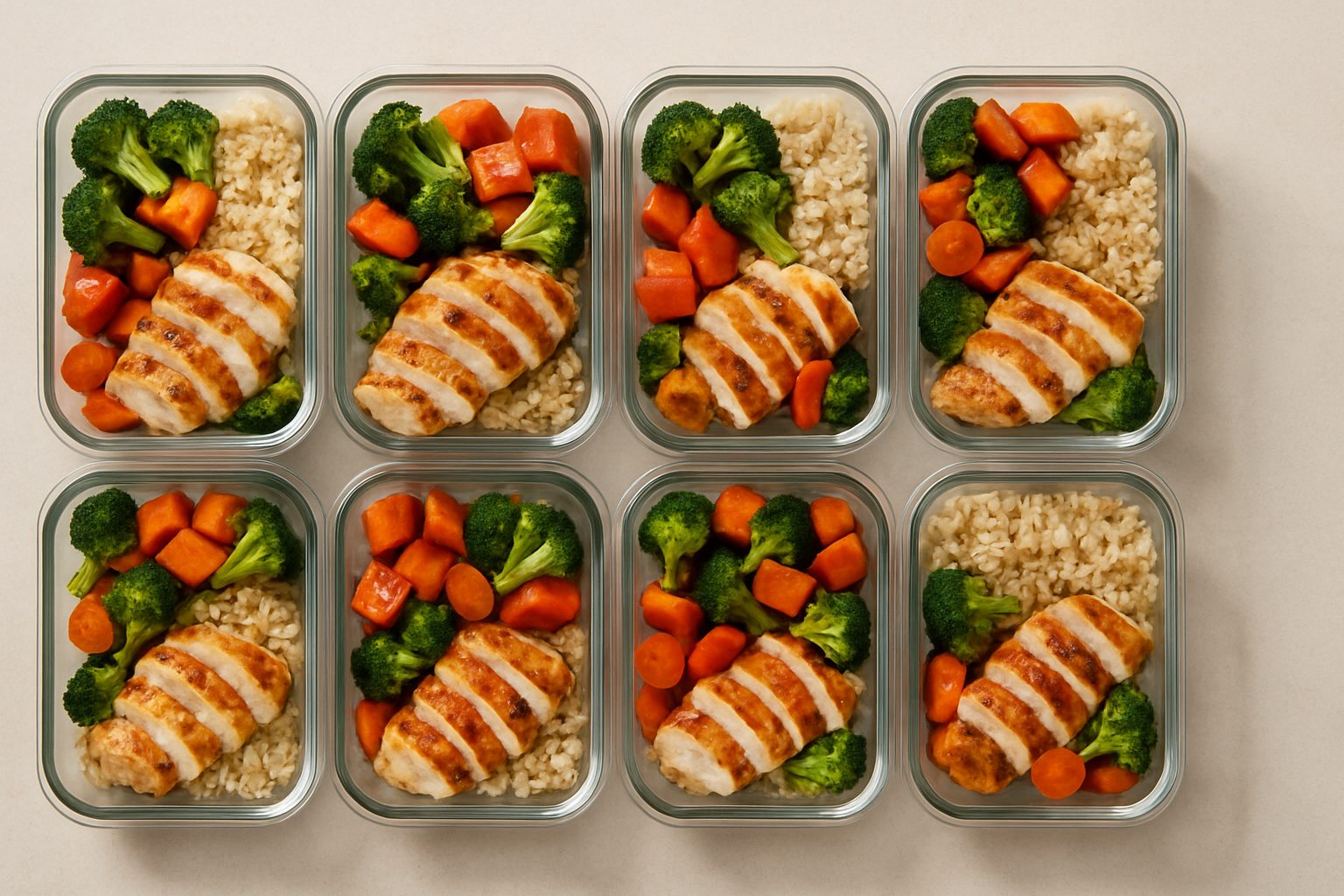
Yes. The diet that worked to lose weight is often too restrictive for long-term maintenance. Most people increase calories modestly during maintenance, focused on adequate protein (1.2-1.6 g per kg body weight) and resistance training to preserve lean mass.
Reducing the caloric deficit while maintaining appetite suppression is the central skill of GLP-1 maintenance. Eating just enough to maintain weight without triggering hunger is harder than it sounds.
A reasonable framework: track weight weekly, adjust intake up or down by 100-200 calories per day based on 4-week trends, prioritize protein, and keep at least 2 strength sessions per week.
What If You Used a Non-medication Diet First?
Using GLP-1 as a maintenance tool after a diet-driven loss is a reasonable strategy and increasingly common in practice. The biological pressure to regain after any meaningful weight loss is similar regardless of how the loss was achieved.
A patient who lost 50 pounds on a low-carb diet faces the same ghrelin and leptin changes as one who lost 50 pounds on semaglutide. Starting a GLP-1 at maintenance dose (often the lower end) to suppress regain is medically reasonable.
This off-label use isn’t FDA-labeled the same way, but the indication is similar: chronic weight management with BMI thresholds met.
Is Long-term GLP-1 Safe?
Available data through 4-5 years on semaglutide and 2-3 years on tirzepatide shows acceptable safety profiles. The SELECT trial followed patients on semaglutide for over 3 years with no new safety signals. Pancreatitis rates remain low (under 0.5%), and the early concerns about thyroid C-cell tumors haven’t been confirmed in human data.
Bone density and muscle mass deserve monitoring, particularly in older adults. Some loss of lean mass occurs with any weight loss, and maintenance dosing slows but doesn’t fully prevent ongoing sarcopenia risk.
Long-term (10+ year) safety data is still accumulating, but the picture so far is reassuring.
Bottom line: Combining maintenance dosing with strength training preserves long-term outcomes
FAQ
Do I Need to Stay on GLP-1 Forever to Keep Weight Off?
For most people, yes, or you’ll regain a significant portion. About one-third manage long-term maintenance after stopping with intensive lifestyle changes.
Can You Switch From Tirzepatide to Semaglutide for Maintenance?
Yes. Some patients switch to a less aggressive medication for maintenance. Talk to your clinician about cross-titration to avoid a gap.
What Is the Lowest Effective Maintenance Dose?
It varies. Some maintain on 0.5 mg semaglutide; others need 1.7 mg or more. Trial and error with weight monitoring is the way to find your personal floor.
Does Insurance Cover Maintenance Dosing?
Coverage varies by plan. Many plans cover ongoing therapy as long as weight stays below the original threshold and the indication is documented.
Is Intermittent Dosing (Every 2-3 Weeks) Effective for Maintenance?
Some patients try this. Anecdotal results are mixed. There is no strong trial data supporting it over standard weekly dosing.
Disclaimer: This content is for informational purposes only and does not constitute medical advice. It is not intended to diagnose, treat, cure, or prevent any disease or condition. Individual results may vary. Always consult a qualified healthcare professional before starting any weight loss program or medication.

Transforming Lives, One Step at a Time
Keep reading

Obesity and Low Testosterone
**Can obesity cause low testosterone?** Yes. Obesity can lower testosterone, and the relationship often runs in both directions.

Top 6 Best Weight Loss Medications in 2026
Prescription weight loss medication has gone mainstream. What was once a quiet corner of obesity medicine is now one of the most talked-about categories…

Top 8 Best Telehealth for Weight Loss in 2026
Finding the best telehealth for weight loss used to be a time-consuming process that involved hours of research, murky pricing pages, and a fair…


