Religious Fasting Beyond Ramadan on GLP-1: Lent and More

Introduction
Religious fasting and GLP-1 medication can almost always coexist, but “fasting” covers everything from skipping meat on Fridays to 25 hours without food or water, and the medical guidance changes with the format. The injection itself isn’t the issue. Weekly semaglutide or tirzepatide doesn’t need food timing, and an injection doesn’t break the fast in the mainstream rulings of any major tradition. The issues are hydration, blood sugar, and how a suppressed appetite behaves when eating windows shrink.
Ramadan gets most of the attention in GLP-1 fasting guides (we have a dedicated one), but it’s far from the only practice that matters. Yom Kippur and Tisha B’Av are total fasts including water. Orthodox Christianity has roughly 180 to 200 fasting days a year in its strictest form. Catholic Lent involves fasting and abstinence rules. Ethiopian Orthodox, Coptic, Hindu, Buddhist, Baha’i, and LDS practices each have their own formats.
This guide sorts them by medical risk profile and gives you a plan for each, plus the conversation to have with both your prescriber and your clergy.
At TrimRx, we believe your treatment should fit your whole life, faith included. If you’re weighing a program, the free assessment quiz is a quick first step, and fasting practices are exactly the kind of thing to mention during your provider consultation.
At TrimRx, we believe that understanding your options is the first step toward a more manageable health journey. You can take the free assessment quiz if you’re ready to see whether a personalized program is a fit for you.
Does a GLP-1 Injection Break a Religious Fast?
In mainstream rulings across the major traditions, no. Fasting laws govern eating and drinking by mouth. A subcutaneous injection delivers no nutrition and nothing through the digestive tract. Jewish authorities permit necessary injections on fast days including Yom Kippur. The majority position among Islamic scholars permits non-nutritive injections while fasting. Christian fasting practices, which are generally less formalized, raise no objection to medication.
Quick Answer: Most religious fasts are compatible with GLP-1 treatment, but the safety math differs enormously between a meatless Friday in Lent and a 25-hour total fast like Yom Kippur.
Two caveats. First, some stricter Islamic opinions distinguish nutritive from non-nutritive injections, and a GLP-1 is clearly non-nutritive, but ask your imam if you want certainty. Second, oral GLP-1 tablets like Rybelsus® are swallowed with water, which does break total fasts; tablet users need a timing plan (dose during the eating window) or a conversation about switching forms.
When in doubt, the question for your clergy is one sentence: “Does a non-nutritional medical injection break this fast?” The answer is almost always no.
Total Fasts: Yom Kippur, Tisha B’Av, and 24-Hour Fasts
These are the highest-stakes category because they exclude water. Yom Kippur runs about 25 hours, and a GLP-1 user starts that window with two disadvantages: reduced thirst signaling (many users drink less without noticing) and, for some, ongoing GI fluid losses from side effects.
The plan: hydrate aggressively for 48 hours beforehand, targeting pale-yellow urine, and front-load electrolytes at the pre-fast meal. Eat that meal protein-forward but moderate; overeating before a fast on a slow stomach invites misery, not endurance. Skip alcohol entirely the day before.
During the fast, reduce exertion and stay cool. Afterward, break the fast gently: fluids first, then a small protein-containing meal, not a feast. Vomiting, dizziness, or confusion during a fast means the fast ends, full stop. Jewish law itself commands breaking the fast when health is endangered (pikuach nefesh), and every rabbi will tell you the same.
If you also take insulin or a sulfonylurea, a 25-hour fast requires an explicit physician plan. Hypoglycemia risk is real in that combination, and dose adjustments beforehand are standard practice.
One scheduling tip: don’t take your weekly injection the day before a total fast. Put it 3 to 4 days out so peak side effects don’t land mid-fast.
Lent: Fasting Days, Abstinence, and the GLP-1 Advantage
Catholic Lenten practice asks for fasting on Ash Wednesday and Good Friday (one full meal plus two smaller ones that together don’t equal a full meal) and meatless Fridays through the season. Medically, this format is gentle: water isn’t restricted, and the structure looks a lot like how many GLP-1 users already eat.
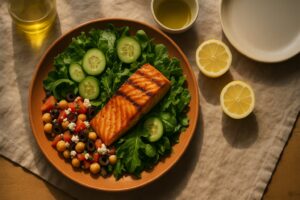
Honestly, the medication makes traditional Lenten fasting easier than it’s been in years for most people. The challenge flips: instead of fighting hunger on fast days, watch that you don’t under-eat. One real meal plus two small collations should still reach roughly 1,000 to 1,200 calories with adequate protein. Fish on Fridays is friendly to a GLP-1 stomach; go easy on the fried versions, which trigger more nausea than any other Lenten staple.
If you’ve given something up for Lent (sweets, alcohol, snacking), the medication is a strong ally. Many users report cravings for exactly those categories drop sharply, which some patients describe as making the discipline feel almost too easy. That’s between you and your conscience; medically there’s no issue.
Orthodox Christian and Coptic Fasting Seasons
Eastern Orthodox and Coptic practice involves long vegan-leaning seasons: Great Lent, the Nativity Fast, the Apostles’ Fast, and more, totaling up to 200 days a year of abstaining from meat, dairy, eggs, and sometimes fish and oil. Water and meals aren’t restricted; the restriction is on food types.
The GLP-1 concern here is protein. A vegan pattern on a suppressed appetite makes hitting 60 to 90 g of protein a day genuinely hard, and weeks of low protein during active weight loss costs muscle. Lean on legumes, lentils, tofu, tahini, and (where your tradition’s rules allow) shellfish, which several Orthodox fasting rules permit. A plant protein powder mixed into food is worth discussing with your priest; most treat it as clearly within the fast.
Track your protein for the first week of a fasting season. If you can’t clear roughly 60 g daily, talk to your provider about whether to adjust anything, and to your priest about the economia (flexibility) that Orthodox practice explicitly extends to those with medical needs.
Key Takeaway: The two real risks during total fasts: dehydration (GLP-1 users already run dry) and hypoglycemia for anyone also taking insulin or sulfonylureas.
Hindu, Buddhist, Baha’i, and LDS Fasting Practices
Hindu vrat fasts vary widely: some are single-day grain-free fasts (Ekadashi), some allow fruit and milk, some are stricter. The fruit-and-milk formats suit GLP-1 users fine; fully dry fasts (nirjala) carry the same dehydration warnings as Yom Kippur. The Baha’i fast runs 19 days each March, sunrise to sunset without food or water, functionally similar to Ramadan; the same playbook applies, and the Baha’i writings exempt the ill explicitly.
LDS fast Sundays involve two meals skipped (roughly 24 hours) monthly, typically with water guidance varying by personal practice; keeping water makes this an easy fast on a GLP-1. Buddhist observance days often mean no food after noon, which many GLP-1 users find matches their natural appetite curve anyway.
Across all of these, the same three rules: keep water wherever your practice allows it, don’t schedule injections within 48 hours before a strict fast, and break any fast that produces dizziness, confusion, or vomiting.
Who Should Not Fast on a GLP-1?
A few groups should use their tradition’s medical exemption rather than push through. Anyone combining a GLP-1 with insulin or a sulfonylurea faces genuine hypoglycemia risk during long fasts. Anyone actively struggling with vomiting, dehydration, or rapid weight loss should not add a fast on top. Pregnant and nursing women are exempted by every major tradition anyway, and GLP-1s aren’t used in pregnancy at all. People with a history of kidney stones or kidney impairment should be especially careful with dry fasts, since GLP-1-related fluid losses plus zero intake is exactly the scenario that concentrates urine.
Every major faith builds the exemption in. Judaism commands eating when health requires it. Islam excuses the ill and travelers with makeup days or fidya. Christian traditions universally exempt the sick. Using the exemption honors the tradition; it doesn’t betray it.
The Path Forward
Match the plan to the fast: gentle formats like Lent or Orthodox seasons mostly need protein attention, while total fasts need hydration strategy, injection timing 3 to 4 days clear, and a low threshold for stopping. Tell your prescriber which fasts you keep and when; it changes dose-timing advice and sometimes titration scheduling. And tell your clergy you’re on a medical treatment; you’ll usually find more flexibility than you expected.
TrimRx providers work with patients across many faith traditions, and fasting schedules are a routine topic in consultations. If you’re considering a program, take the free assessment quiz and bring your religious calendar to the first visit. Treatment plans bend; they’re supposed to.
Bottom line: Most traditions explicitly exempt people with medical conditions from fasting obligations. Using that exemption is not failure; every major faith says health comes first.
FAQ
Can I Take Semaglutide or Tirzepatide During a Fast?
Yes. The injection delivers no nutrition and doesn’t break the fast under mainstream rulings in Judaism, Islam, and Christianity. Schedule weekly doses 3 to 4 days before strict fasts so peak side effects don’t coincide with the fast itself. Oral GLP-1 tablets are different, since they’re swallowed with water; time them inside eating windows.
Is Fasting Dangerous on a GLP-1 If I Don’t Have Diabetes?
For food-only fasts with water allowed, generally no; GLP-1 monotherapy carries low hypoglycemia risk. The main hazard is dehydration during dry fasts, because the medication blunts thirst and some users have GI fluid losses. Pre-hydrate for 48 hours, limit exertion, and break the fast if you feel dizzy or confused.
Should I Skip My Injection the Week of a Major Fast?
No, keep the weekly schedule. Skipping restores appetite within days and makes the fast harder, not easier. Just position the injection day so the 24-to-48-hour peak side effect window lands before the fast begins, not during it.
Does Fasting Speed up Weight Loss on a GLP-1?
Marginally at best, and it’s not the point. A fast day creates a one-day deficit, but the medication already maintains a steady deficit. Studies on intermittent fasting layered onto calorie restriction show little added benefit beyond the calories themselves. Fast for the religious purpose; let the medication handle the weight loss.
What Should I Eat to Break a Long Fast on a GLP-1?
Fluids first, then a modest protein-forward plate: think soup, eggs, yogurt, or fish, around 400 to 600 calories. Traditional break-fast feasts hit a slowed stomach hard and commonly cause nausea or reflux. Eat slowly, wait 20 minutes, and add more only if genuinely hungry.
My Tradition Exempts the Sick From Fasting. Does Taking a GLP-1 Count?
That’s a clergy question, but context helps: obesity treated with prescription medication is a medical condition under care, and most authorities weigh active treatment, side effects, and comorbidities seriously. Many patients fast anyway without issue; many others are told to use the exemption. Ask, honestly described.
Disclaimer: This content is for informational purposes only and does not constitute medical advice. It is not intended to diagnose, treat, cure, or prevent any disease or condition. Individual results may vary. Always consult a qualified healthcare professional before starting any weight loss program or medication.

Transforming Lives, One Step at a Time
Keep reading

Construction Work in Summer on a GLP-1
Summer on a job site means early starts, heavy physical work, direct sun or hot interiors, and lunch from a cooler or the back…

Colonoscopy Prep on a GLP-1
If you are on a GLP-1 and have a colonoscopy, upper endoscopy, or any procedure with sedation coming up, the single most important step…
Clergy and Community Meals on a GLP-1
For pastors, priests, rabbis, imams, chaplains, and other community leaders, food is part of the work. Potlucks, fellowship dinners, holiday meals, funeral receptions, and…


