GLP-1 and Super Bowl Sunday: Game Day Eating Strategies
Introduction
Super Bowl Sunday is the second-largest US food consumption day after Thanksgiving. Americans eat approximately 1.45 billion chicken wings on this single day, plus pizzas, chips, dips, beer, and assorted snacks. For GLP-1 users, this is one of the more challenging single-day eating environments of the year.
The good news is that GLP-1 medications make casual all-day grazing harder than it would be otherwise. The bad news is that game day food culture is built around continuous snacking from kickoff to final whistle, which works against natural meal structure.
This guide covers realistic game day strategies, what to eat at parties, how alcohol interacts with GLP-1 during long viewing events, and the post-game recovery framework.
At TrimRx, we believe that understanding your options is the first step toward a more manageable health journey. You can take the free assessment quiz if you’re ready to see whether a personalized program is a fit for you.
What’s the Food Math of Super Bowl Sunday?
Average unrestricted eating during a Super Bowl party runs 4,000 to 8,000 calories across the day. The structure that produces this:
Quick Answer: Super Bowl Sunday consumption averages about 6,000 calories for unrestricted eaters
Brunch or lunch (often heavy already): 800 to 1,500 calories.
Pre-game appetizers (chips, dips, wings): 1,000 to 2,000 calories.
Main party food (pizza, sandwiches, more wings): 1,500 to 3,000 calories.
Beer and cocktails: 500 to 1,500 calories.
Halftime and second-half grazing: 500 to 1,000 calories.
This is why one game day can produce 2 to 4 lb of overnight weight gain (mostly water and gut content, not all fat).
GLP-1 medications typically cap how much someone wants to eat at any sitting, so total intake on game day often runs 1,500 to 3,500 calories instead of the unrestricted range. Still high, but much lower than the pre-medication pattern.
How Does GLP-1 Change the Game Day Experience?
Several specific effects:
Appetite caps grazing. The “I’ll just have another wing” loop is broken when you actually don’t want another wing.
Heavy/fried foods produce GI symptoms. Most GLP-1 users naturally reduce intake of wings, pizza, and fried snacks because they don’t feel good after.
Alcohol tolerance is reduced. The “drink steadily through the game” pattern is hard to maintain on GLP-1 because alcohol effects are amplified.
Energy stays steadier. The post-meal carb crash that knocks people out at halftime is less pronounced.
Net effect: Super Bowl on GLP-1 looks more like normal eating with one heavier meal, rather than 4 to 5 hours of continuous consumption.
What’s the Pre-game Eating Strategy?
Eat a real meal before the party. The hungry person at a party of snack food makes worse decisions than the moderately-full person.
Pre-game meal structure:
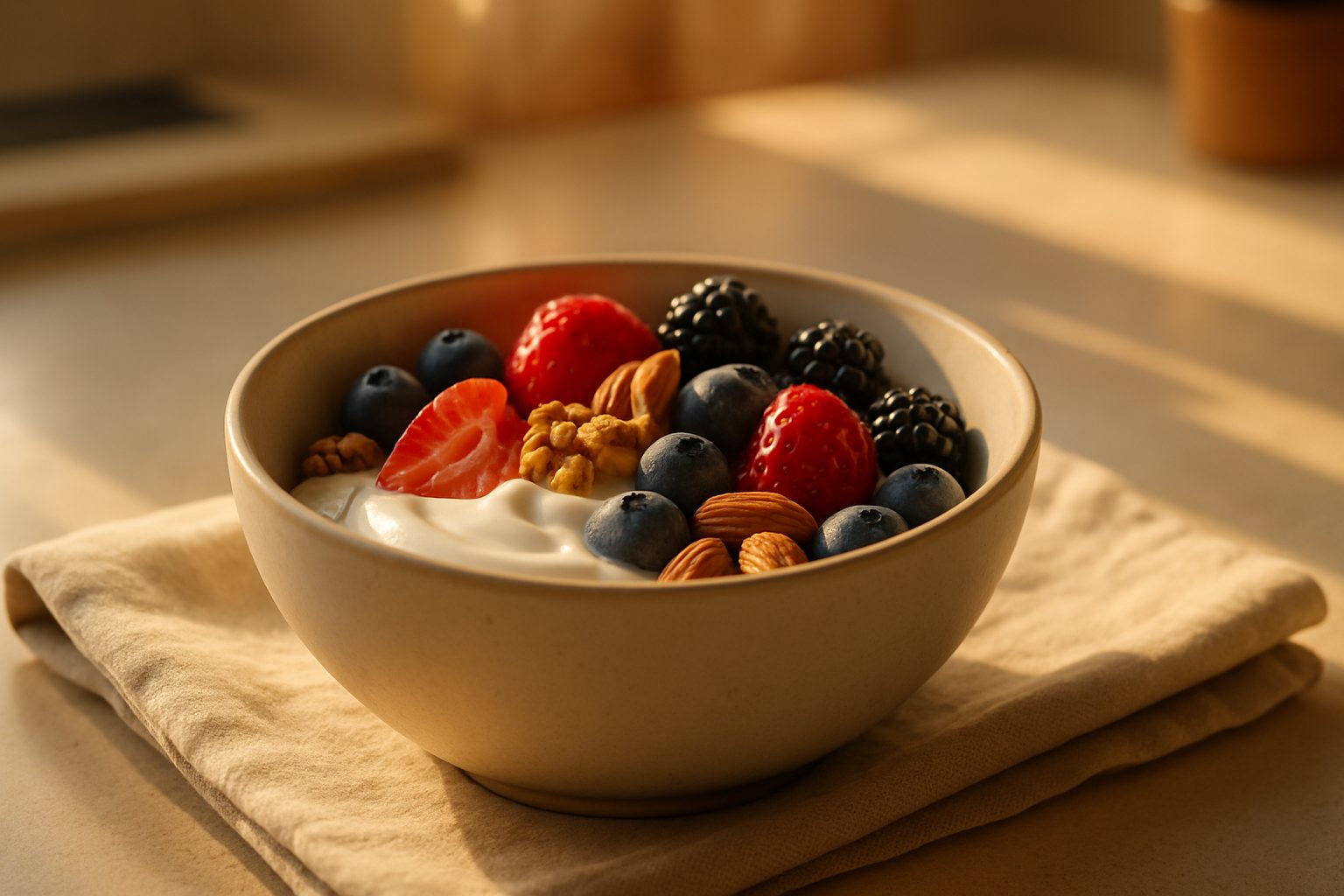
30 to 40 g of protein. Grilled chicken, eggs, lean beef, Greek yogurt all work.
Vegetables for fiber and satiety.
Moderate carbohydrate if your appetite includes it.
Eat 60 to 90 minutes before the party. This puts you at the food spread with managed hunger rather than starving anticipation.
If you skip the pre-game meal because “I’ll just eat at the party,” you’ll typically eat more total calories than if you’d eaten a normal meal first.
What Should You Actually Eat at a Super Bowl Party?
Pick 2 to 3 things you actually want and eat reasonable portions of each. Trying to moderate every single offering creates more stress than choosing.
Reasonable choices on a typical spread:
Wings: 4 to 6 wings (about 400 to 600 calories). Pick a flavor you enjoy rather than sampling everything.
Chili: a small bowl, especially if it’s protein-forward chili.
Vegetables and dip: protein-forward options (Greek yogurt-based dips, hummus) work well.
Cheese or charcuterie: small portion, protein-rich.
Less ideal:
Chips and dip in large volumes (easy to overeat passively).
Pizza if you’re already eating wings and other items.
Multiple desserts.
How Does Alcohol Interact with GLP-1 on Game Day?
GLP-1 medications typically reduce alcohol tolerance. Most patients find:
Effects come on with less alcohol than pre-medication.
Hangovers are more pronounced.
Cravings for alcohol may be reduced.
GI symptoms (reflux, nausea) can be triggered by drinks that previously wouldn’t have caused issues.
This typically means GLP-1 users drink less during long social events, including Super Bowl parties. Pacing matters:
Alternate alcoholic drinks with water.
Start with lower-alcohol options (beer, light cocktails) rather than shots.
Stop when you notice symptoms; pushing through with more alcohol on GLP-1 produces severe outcomes.
Many patients find game day drinking naturally drops to 2 to 4 drinks across the entire viewing rather than 6 to 10 they might have done pre-medication.
What About the Carb-heavy Snack Foods?
Chips, pretzels, and similar passive-eating items are designed for unconscious continuous consumption. GLP-1 appetite suppression helps but doesn’t fully solve this.
The structural approaches:
Pre-portion snacks rather than eating from the bag. Put a single serving on a plate; eat from there.
Sit away from the snack bowls. Distance reduces grazing.
Choose snacks that take effort to eat. Wings (with bones), shrimp, edamame all require active engagement.
Drink water between food bites.
Key Takeaway: Pre-game protein meal blunts the urge to overeat snack food
Is One Big Eating Day Going to Derail Weight Loss?
Not really, for most patients. Single-day intake doesn’t translate directly to single-day fat gain. A 6,000-calorie Super Bowl Sunday produces maybe 1 to 2 lb of actual fat gain if it happens in isolation, with most of the immediate weight gain being water and gut content.
The problem arises when one event extends:
Tuesday wing leftovers prolong the eating pattern.
Subsequent weekend events stack on top.
The mental “I already broke my diet” pattern leads to weeks of poor choices.
The framework that works: enjoy game day reasonably, return to normal eating Monday morning, accept any temporary weight bump will resolve in 3 to 7 days.
What About People Hosting Versus Attending?
Hosts have more food control and can structure the menu to support their goals. Worth doing:
Include protein-forward options (wings, meat platters, chili).
Have vegetable and salad components.
Limit calorie-dense passive-eating items to a few specific choices.
Have water and unsweetened beverages prominent.
Use smaller plates that make portions look fuller.
Guests have less control but can:
Eat before going.
Bring a healthier dish they can rely on.
Choose 2 to 3 things to eat from what’s available.
Position themselves away from the food when not actively eating.
How Do You Handle the Multi-hour Duration?
Super Bowl viewing typically runs 3 to 5 hours including pre-game and post-game coverage. The eating culture is continuous rather than meal-structured.
The framework that works:
Define an eating window (say, kickoff to halftime) and stop consuming after that.
Switch to water or unsweetened beverages for the second half.
Don’t take seconds; one round of food.
Stay engaged with the game rather than grazing while watching.
This is harder than it sounds because of the social pressure to keep eating, but it’s the structural change that actually preserves weight management.
What’s the Monday Morning Plan?
The post-game recovery framework:
Don’t fast or skip meals to “make up” for Sunday. This usually backfires into overeating later.
Return to normal protein-forward eating Monday morning.
Drink plenty of water; gut content from Sunday flushes faster with hydration.
Don’t weigh yourself Monday morning. The 2 to 3 lb water shift will produce false discouragement. Wait until Wednesday or Thursday.
Resume normal training without trying to add “punishment” cardio.
Most patients see weight return to pre-Sunday levels by Wednesday or Thursday after returning to normal eating.
Bottom line: One indulgent day rarely affects weight trajectory if eating returns to normal Monday
FAQ
Will I Gain 5 Lb From One Super Bowl?
Probably not actual fat gain. The scale may show 2 to 5 lb up Monday morning, but most is water and gut content. Real fat gain from one day is typically under 1 lb.
Can I Have a Few Beers?
Most GLP-1 patients can drink moderately, but with reduced tolerance. 2 to 3 drinks across 4+ hours is typically manageable. Heavier drinking often produces GI symptoms.
What If My Host Serves Food I’d Rather Avoid?
Eat the closest-to-protein options available, eat smaller portions, and don’t apologize. Most hosts don’t track who’s eating what. Plan to eat appropriately at home before or after the event.
How Do I Handle Teammates’ or Friends’ Food Pressure?
A simple “no thanks, I’m good” repeated as needed handles most pressure. Don’t explain or justify; explanations invite debate.
Will I Sleep Poorly After a Super Bowl Party?
Possibly. Late evening, alcohol, and heavy food all impair sleep. GLP-1 may worsen this through GI symptoms. Eat lighter and stop drinking 2+ hours before bed.
Can I Just Skip the Party?
Sure, that’s an option. Some patients find that avoiding the highest-risk events serves them better than trying to moderate within them. Others find that social participation matters more than perfect food control.
Should I Take an Extra GLP-1 Dose for Game Day?
No. The medication doesn’t work that way; an extra dose increases side effects without producing more appetite suppression. Stay on your regular dosing schedule.
What About Super Bowl Food for the Family While I Moderate?
Make the dishes you’d normally make. Eat smaller portions of each. Don’t try to make special “diet” versions while everyone else eats normally; that’s exhausting and unsustainable.
Disclaimer: This content is for informational purposes only and does not constitute medical advice. It is not intended to diagnose, treat, cure, or prevent any disease or condition. Individual results may vary. Always consult a qualified healthcare professional before starting any weight loss program or medication.

Transforming Lives, One Step at a Time
Keep reading
Does Dramamine Help With GLP-1 Nausea?
Probably not very well, and it is worth asking your provider or pharmacist before trying it. Dramamine contains dimenhydrinate, an antihistamine that works primarily…

I Can’t Remember If I Already Injected This Week
If you cannot confirm that you did not inject, do not inject. That is the safe default and it is not a close call….
How to Figure Out Your Next Injection Day After Skipping a Week
The default is simple: resume on your normal weekly day at your normal dose, and do not take anything extra to make up for…


