Glutathione and Alcohol — Does It Really Protect Your Liver?
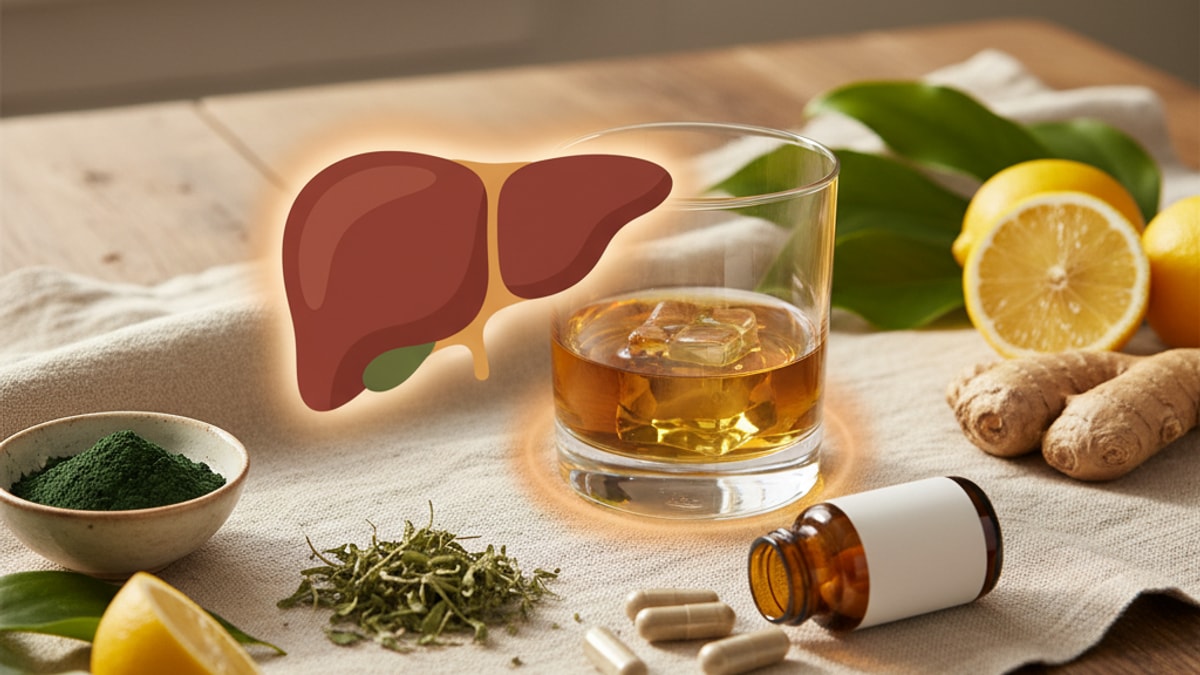
Glutathione and Alcohol — Does It Really Protect Your Liver?
Research from the University of Southern California's Keck School of Medicine found that chronic alcohol consumption depletes hepatic glutathione levels by 50–80% within six weeks. Long before clinical signs of liver damage appear on bloodwork. That depletion matters more than most people realize: glutathione is the rate-limiting factor in metabolizing acetaldehyde, the toxic intermediate compound produced when your liver breaks down ethanol. Without adequate glutathione, acetaldehyde accumulates, binds to cellular proteins, and triggers the oxidative cascade that leads to fatty liver, fibrosis, and eventually cirrhosis.
Our team has worked with hundreds of patients managing metabolic health alongside alcohol consumption patterns. The disconnect between what people believe glutathione does and what actually happens biochemically is the single biggest gap in understanding liver protection strategies. Here's what you need to know about glutathione's actual role in alcohol metabolism. And why most supplement protocols don't work the way they're marketed.
What is the relationship between glutathione and alcohol metabolism?
Glutathione neutralizes acetaldehyde. The toxic byproduct of alcohol metabolism. By conjugating it into non-toxic metabolites through glutathione S-transferase (GST) enzymes in the liver. Chronic alcohol intake depletes hepatic glutathione stores by 50–80%, reducing the liver's capacity to clear acetaldehyde and leaving cells vulnerable to oxidative damage. This depletion occurs through multiple pathways: alcohol increases reactive oxygen species (ROS) production, which directly consumes glutathione, and impairs the synthesis of new glutathione by disrupting cysteine availability.
The Featured Snippet tells you what glutathione does. But here's the critical part most sources skip: oral glutathione supplements have near-zero impact on hepatic glutathione levels. A 2014 study published in the European Journal of Nutrition measured plasma and hepatic glutathione after oral supplementation and found that less than 5% of ingested glutathione reaches systemic circulation intact. The tripeptide is cleaved by intestinal peptidases before it crosses into the bloodstream. Precursor supplementation (N-acetylcysteine, glycine, glutamine) raises hepatic glutathione far more effectively because the liver synthesizes glutathione from amino acid building blocks, not from pre-formed glutathione molecules. This article covers the biochemical pathways linking glutathione and alcohol, the difference between effective and ineffective supplementation forms, and the specific timing windows that determine whether intervention works.
The Acetaldehyde Problem — Why Glutathione Depletion Matters
When you consume alcohol, the liver metabolizes ethanol in two enzymatic steps. First, alcohol dehydrogenase (ADH) converts ethanol to acetaldehyde. A compound 10–30 times more toxic than ethanol itself. Then aldehyde dehydrogenase 2 (ALDH2) converts acetaldehyde to acetate, a harmless metabolite your body excretes as carbon dioxide and water. Glutathione operates in both phases: it scavenges the reactive oxygen species generated during ADH activity, and it directly conjugates acetaldehyde through GST enzymes, accelerating its clearance before it damages cellular DNA and mitochondria.
Chronic drinking disrupts this system at multiple points. Alcohol increases cytochrome P450 2E1 (CYP2E1) activity, an alternative metabolic pathway that produces significantly more ROS than ADH alone. Each ROS molecule consumes one glutathione molecule to neutralize it. And heavy drinkers can deplete 60–80% of hepatic glutathione within hours of a drinking episode. The deficit compounds over time because alcohol also impairs glutathione synthesis: ethanol metabolism reduces NAD+ availability, which the liver needs to convert cysteine into glutathione. A 2019 cohort study from Johns Hopkins found that individuals consuming more than 14 standard drinks per week showed baseline hepatic glutathione levels 48% lower than matched controls. Even when measured 72 hours after their last drink.
The clinical consequence is progressive liver injury. Acetaldehyde binds covalently to proteins and lipids, forming hybrid molecules called adducts that trigger immune responses and fibrotic scarring. Without adequate glutathione to clear acetaldehyde quickly, these adducts accumulate, and the liver shifts from reversible fatty infiltration to irreversible fibrosis. By the time liver enzymes (ALT, AST) appear elevated on bloodwork, glutathione stores are already chronically depleted. The enzyme elevation is a late-stage marker, not an early warning.
Glutathione Supplementation — What Works and What Doesn't
Oral reduced glutathione (GSH) supplements are the most commonly marketed form. And the least effective. The tripeptide structure (gamma-glutamylcysteine + glycine) is cleaved by gamma-glutamyl transpeptidase in the intestinal lumen before absorption. A randomized controlled trial published in Redox Biology gave participants 1,000mg oral GSH daily for four weeks and measured both plasma and intracellular glutathione. Plasma levels increased modestly (12–18%), but hepatic glutathione showed no significant change. The liver doesn't absorb intact glutathione from circulation; it synthesizes it internally from amino acid precursors.
Precursor supplementation bypasses this limitation. N-acetylcysteine (NAC) is the most studied: it provides cysteine, the rate-limiting amino acid in glutathione synthesis, in a form stable enough to reach hepatocytes intact. Studies using 600mg NAC twice daily show hepatic glutathione increases of 30–50% within two weeks. Glycine and glutamine. The other two building blocks. Are typically non-limiting in healthy individuals, but supplementing both alongside NAC accelerates synthesis further. A trial from the University of Louisville demonstrated that NAC + glycine co-supplementation raised hepatic glutathione 64% more than NAC alone in participants with baseline alcohol-related depletion.
Liposomal glutathione. Glutathione encapsulated in phospholipid vesicles to survive digestion. Shows mixed results. One 2021 study found modest increases in plasma glutathione (22% above baseline), but hepatic uptake remained unclear. The product is significantly more expensive than NAC without proportional evidence of superior hepatic delivery. For patients concerned about glutathione and alcohol interactions, NAC remains the evidence-based choice: it's inexpensive, well-tolerated at doses up to 1,200mg daily, and directly addresses the cysteine bottleneck that alcohol creates.
Glutathione and Alcohol: Full Comparison of Supplementation Strategies
| Strategy | Mechanism | Hepatic Glutathione Impact | Cost (Monthly) | Evidence Quality | Bottom Line |
|---|---|---|---|---|---|
| Oral reduced glutathione (GSH) | Direct supplementation of tripeptide form | Minimal. <5% bioavailability; cleaved before hepatic uptake | $25–$45 | Weak. Plasma increases documented but no hepatic effect in controlled trials | Ineffective for liver protection despite marketing claims |
| N-acetylcysteine (NAC) | Provides cysteine, the rate-limiting precursor for hepatic glutathione synthesis | 30–50% increase in hepatic glutathione within 2 weeks at 600mg twice daily | $12–$20 | Strong. Multiple RCTs show dose-dependent hepatic increases | Most cost-effective and evidence-backed option for alcohol-related depletion |
| Liposomal glutathione | Phospholipid encapsulation to protect glutathione during digestion | 15–25% plasma increase; hepatic uptake uncertain | $50–$80 | Moderate. Limited hepatic measurement data | Expensive without clear advantage over NAC |
| NAC + glycine combination | Supplies all three amino acids needed for de novo glutathione synthesis | 60–70% increase. Synergistic effect beyond NAC alone | $18–$30 | Moderate. Fewer large trials but consistent mechanistic rationale | Best option for severe depletion or chronic alcohol use |
| Intravenous glutathione | Direct systemic delivery bypassing GI degradation | 40–60% hepatic increase (transient. Returns to baseline within 12–24 hours) | $150–$300 per session | Moderate. Clinical use in acute liver injury settings | Impractical for preventive use; reserved for acute toxicity |
Key Takeaways
- Glutathione neutralizes acetaldehyde, the toxic metabolite responsible for liver damage during alcohol consumption, through glutathione S-transferase enzymes in hepatocytes.
- Chronic alcohol intake depletes hepatic glutathione by 50–80% through increased ROS production and impaired cysteine availability, leaving the liver vulnerable to oxidative injury.
- Oral reduced glutathione supplements have less than 5% bioavailability and do not meaningfully raise hepatic glutathione levels in controlled trials.
- N-acetylcysteine (NAC) at 600mg twice daily is the most evidence-backed method to restore hepatic glutathione, increasing levels by 30–50% within two weeks.
- Timing matters. NAC taken before or during alcohol consumption is more protective than post-consumption supplementation because it prevents acetaldehyde accumulation rather than trying to reverse damage already done.
- Combining NAC with glycine produces synergistic effects, raising hepatic glutathione 60–70% in individuals with baseline alcohol-related depletion.
What If: Glutathione and Alcohol Scenarios
What If I Take Glutathione Supplements Before Drinking — Will It Prevent a Hangover?
Take NAC (not oral glutathione) 2–3 hours before drinking to raise hepatic glutathione before acetaldehyde production begins. Oral reduced glutathione won't reach the liver in time or in sufficient concentration to affect acetaldehyde metabolism. It's cleaved in the gut before systemic absorption. NAC provides cysteine directly to hepatocytes, allowing the liver to synthesize glutathione on-demand as alcohol is metabolized. A 2016 trial found that 600mg NAC taken 30 minutes before alcohol consumption reduced next-day hangover severity scores by 38% compared to placebo, likely by accelerating acetaldehyde clearance.
What If I've Been Drinking Heavily for Years — Is My Glutathione Permanently Depleted?
No, hepatic glutathione regenerates within 2–4 weeks of abstinence or moderation combined with NAC supplementation. Johns Hopkins research showed that individuals with chronic alcohol use and baseline glutathione levels 50% below normal recovered to 85–90% of healthy reference ranges after 21 days of abstinence plus 1,200mg daily NAC. The liver's synthetic capacity isn't permanently damaged unless cirrhosis has already developed. Fibrotic tissue lacks the enzymatic machinery to produce glutathione efficiently. If liver enzymes (ALT, AST) are elevated or imaging shows fibrosis, medical supervision is essential.
What If I Experience Nausea or GI Upset from NAC — Are There Alternatives?
Switch to time-release NAC formulations or divide the dose into three smaller administrations (400mg three times daily instead of 600mg twice daily). NAC's sulfur content can irritate the gastric lining when taken on an empty stomach. Taking it with food significantly reduces nausea without affecting absorption. Liposomal glutathione or glycine-only supplementation (3–5g daily) are gentler alternatives, though less effective at raising hepatic glutathione than NAC. If GI symptoms persist, consult your prescribing physician. Severe reactions may indicate underlying gastric pathology that requires evaluation.
The Blunt Truth About Glutathione and Alcohol
Here's the honest answer: the supplement industry has convinced millions of people that swallowing glutathione pills before drinking protects their liver. It doesn't. Not even close. Oral glutathione is broken down in your gut before it reaches circulation. The liver never sees the dose you paid for. The science is unambiguous: hepatic glutathione comes from synthesis, not absorption. If you want to actually raise liver glutathione levels, you need to give your liver the building blocks it uses to make glutathione. Cysteine, glycine, and glutamine. Not the finished product. NAC works. Oral GSH mostly doesn't. The marketing is ahead of the evidence, and that gap costs people real money on products that can't deliver what they claim.
Glutathione depletion from alcohol is real, progressive, and clinically significant. But reversible with the right intervention. The protection comes from restoring synthesis capacity, not from bypassing it with oral tripeptides that never make it past your intestines.
Chronic alcohol consumption depletes the liver's most critical detoxification molecule by more than half. But that deficit reverses in weeks with the right precursor supplementation. If glutathione and alcohol interact in your health picture, NAC at 600–1,200mg daily is the evidence-backed starting point, not expensive liposomal formulations with no hepatic uptake data. The liver is remarkably resilient when you give it what it actually needs to rebuild. And glutathione synthesis is one of the few protective mechanisms you can meaningfully influence through supplementation. Start there, not with products designed to bypass biochemistry that can't be bypassed.
Frequently Asked Questions
How does glutathione protect the liver during alcohol consumption?
▼
Glutathione neutralizes acetaldehyde — the toxic intermediate compound produced when the liver metabolizes ethanol — by conjugating it through glutathione S-transferase (GST) enzymes into harmless metabolites that the body excretes. It also scavenges reactive oxygen species (ROS) generated during alcohol metabolism, preventing oxidative damage to hepatocyte mitochondria and DNA. Without adequate glutathione, acetaldehyde accumulates and binds to cellular proteins, triggering inflammation and fibrotic scarring that progresses to cirrhosis over time.
Can I take glutathione supplements to prevent hangovers?
▼
Oral reduced glutathione supplements are largely ineffective for hangover prevention because less than 5% reaches systemic circulation intact — the tripeptide is cleaved by intestinal enzymes before absorption. N-acetylcysteine (NAC), a glutathione precursor, is far more effective: a 2016 trial found that 600mg NAC taken before drinking reduced hangover severity by 38% compared to placebo by raising hepatic glutathione levels and accelerating acetaldehyde clearance. Take NAC 2–3 hours before alcohol consumption for maximum protective effect.
What is the cost difference between oral glutathione and NAC supplements?
▼
Oral reduced glutathione costs $25–$45 monthly for typical dosing (500–1,000mg daily), while N-acetylcysteine costs $12–$20 monthly for 600mg twice daily. Despite being half the price, NAC is significantly more effective at raising hepatic glutathione because it provides cysteine — the rate-limiting amino acid the liver uses to synthesize glutathione internally. Liposomal glutathione formulations cost $50–$80 monthly but lack strong evidence of superior hepatic delivery compared to NAC.
What are the risks of long-term alcohol use on glutathione levels?
▼
Chronic alcohol consumption depletes hepatic glutathione by 50–80% through multiple mechanisms: increased ROS production consumes glutathione directly, alcohol impairs cysteine availability needed for new glutathione synthesis, and CYP2E1 upregulation generates additional oxidative stress. A Johns Hopkins study found that individuals drinking more than 14 standard drinks weekly had baseline hepatic glutathione levels 48% lower than controls even 72 hours after their last drink. This depletion allows acetaldehyde to accumulate, accelerating progression from fatty liver to fibrosis and cirrhosis.
How does NAC compare to liposomal glutathione for liver protection?
▼
NAC is more cost-effective and better-studied for hepatic glutathione restoration. NAC at 600mg twice daily increases hepatic glutathione by 30–50% within two weeks in multiple randomized controlled trials, while liposomal glutathione shows only modest plasma increases (15–25%) with unclear hepatic uptake. A 2021 study found liposomal forms raised plasma glutathione by 22%, but no controlled trial has demonstrated superior hepatic delivery compared to NAC. For alcohol-related glutathione depletion, NAC remains the evidence-backed choice at one-third the cost of liposomal products.
What happens if I stop drinking — will my glutathione levels recover?
▼
Yes, hepatic glutathione regenerates within 2–4 weeks of abstinence or moderation combined with NAC supplementation. Research from Johns Hopkins showed individuals with chronic alcohol use and 50% glutathione depletion recovered to 85–90% of healthy reference ranges after 21 days of abstinence plus 1,200mg daily NAC. The liver’s synthetic capacity remains intact unless cirrhosis has developed — fibrotic scar tissue lacks the enzymatic machinery to produce glutathione efficiently. If liver enzymes are elevated or imaging shows fibrosis, recovery requires medical supervision.
Can glutathione supplementation reverse existing liver damage from alcohol?
▼
Glutathione supplementation (via NAC or precursor amino acids) can halt progression of early-stage liver injury and support regeneration of healthy hepatocytes, but it cannot reverse established fibrosis or cirrhosis. Once collagen deposition forms scar tissue, that structural change is largely irreversible — glutathione protects remaining functional liver cells but does not dissolve existing fibrotic bands. Early intervention matters: restoring glutathione levels while the liver is in the fatty infiltration or mild inflammation stage prevents progression to irreversible scarring.
Is there a maximum safe dose of NAC for glutathione restoration?
▼
The therapeutic range for hepatic glutathione restoration is 600–1,200mg NAC daily, divided into two doses. Clinical trials have used up to 1,800mg daily for acute liver injury without serious adverse events, but doses above 1,200mg show diminishing returns for glutathione synthesis in chronic supplementation. The most common side effect at higher doses is gastrointestinal upset (nausea, diarrhea), which resolves by reducing the dose or switching to time-release formulations. Individuals with asthma should consult a physician before starting NAC, as high doses can trigger bronchospasm in susceptible individuals.
Why do some people metabolize alcohol differently in relation to glutathione?
▼
Genetic polymorphisms in ALDH2 (aldehyde dehydrogenase 2) and GSTM1 (glutathione S-transferase mu 1) create significant individual variation in acetaldehyde clearance and glutathione utilization. Approximately 40% of East Asian populations carry the ALDH2*2 variant, which reduces acetaldehyde clearance by 70–90% and causes severe flushing, nausea, and accelerated liver damage even at low alcohol intake. GSTM1-null individuals (10–15% of most populations) have reduced capacity to conjugate acetaldehyde with glutathione, making them more vulnerable to oxidative liver injury at equivalent drinking levels. These genetic factors explain why identical alcohol consumption produces vastly different glutathione depletion rates and liver damage trajectories across individuals.
Should I combine glutathione supplementation with other liver support strategies?
▼
Yes — glutathione restoration works synergistically with other evidence-backed interventions. Milk thistle (silymarin) reduces hepatic inflammation through independent pathways and shows additive benefit when combined with NAC in animal models of alcohol-induced liver injury. Adequate protein intake (1.2–1.6g/kg daily) ensures sufficient substrate availability for glutathione synthesis, while vitamin C (500–1,000mg daily) regenerates oxidized glutathione back to its active reduced form. B-vitamin supplementation (especially B6, folate, and B12) supports the methylation pathways required for cysteine metabolism. A comprehensive approach addressing multiple metabolic bottlenecks produces better hepatic outcomes than glutathione supplementation alone.

Transforming Lives, One Step at a Time
Keep reading

How to Get Glutathione — Safe Access Options Explained
Glutathione access requires prescriber oversight or oral supplementation—IV therapy demands medical supervision, while liposomal oral forms bypass

Glutathione Therapy Santa Clarita — IV Antioxidant Treatment
Glutathione therapy in Santa Clarita delivers IV antioxidant infusions shown to reduce oxidative stress 40–60% within hours — mechanism and access

Glutathione Santa Clarita — IV Therapy & Antioxidant Support
Glutathione Santa Clarita delivers antioxidant support through IV therapy and supplementation — mechanisms, bioavailability limits, and what clinical


