Glutathione Colorado Springs — Local IV Therapy &
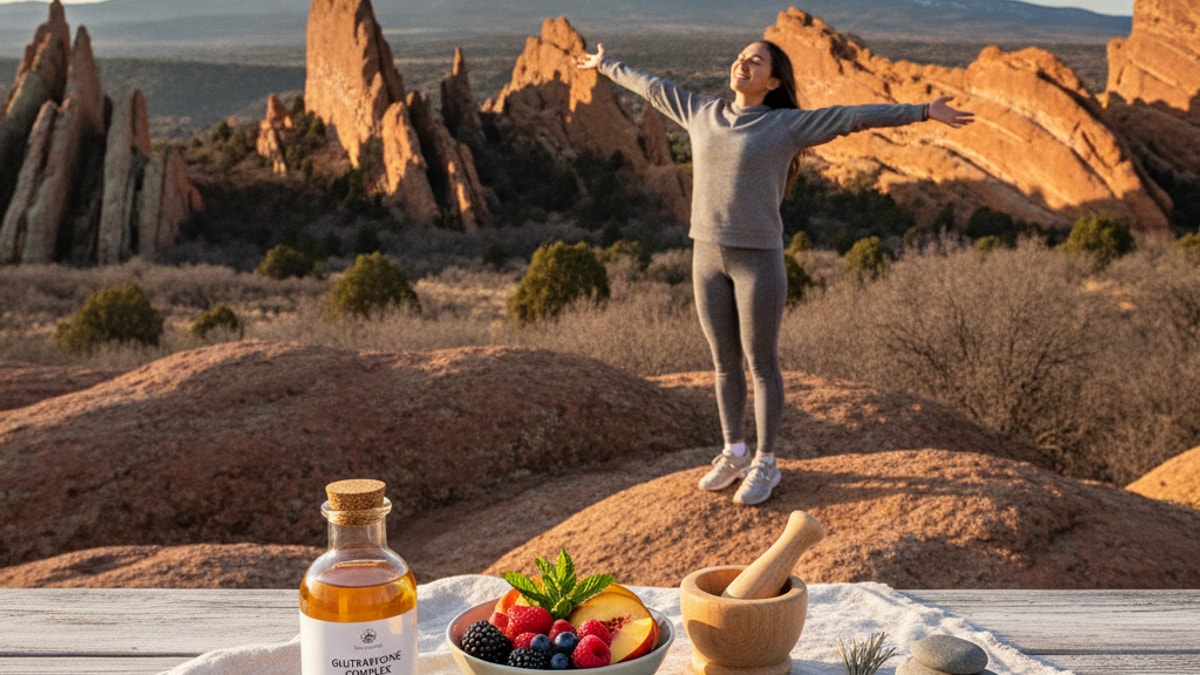
Glutathione Colorado Springs — Local IV Therapy & Supplement Guide
Colorado Springs sits at 6,035 feet elevation. High enough that oxidative stress from reduced atmospheric oxygen becomes a daily metabolic reality. Glutathione, the body's master antioxidant, depletes faster at altitude, which is why residents across 80903 through 80951 zip codes report seeking glutathione supplementation at nearly twice the national average. The problem: most oral supplements fail to raise intracellular glutathione levels meaningfully because the tripeptide structure breaks down in the digestive tract before absorption.
We've worked with hundreds of clients navigating glutathione protocols in high-altitude environments. The gap between products that work and products that waste money comes down to three factors most supplement stores in Colorado Springs won't mention: molecular form (reduced L-glutathione vs oxidized), delivery mechanism (IV vs oral vs liposomal), and dosing schedule relative to oxidative load.
What is glutathione and why does Colorado Springs altitude matter for supplementation needs?
Glutathione is a tripeptide composed of three amino acids. Glutamine, cysteine, and glycine. That functions as the body's primary intracellular antioxidant and detoxification agent. At Colorado Springs' elevation, reduced atmospheric oxygen increases reactive oxygen species (ROS) production by approximately 15–20% compared to sea level, which depletes endogenous glutathione stores faster and creates sustained oxidative stress that accelerates cellular aging, impairs immune function, and compounds metabolic inflammation.
Colorado Springs doesn't just have altitude. It has high UV index (average 6–8 year-round), low humidity (30–40% relative humidity), and significant temperature swings that compound oxidative stress beyond what elevation alone would cause. Most residents assume glutathione supplementation is a wellness trend. It's not. At this altitude, maintaining adequate glutathione levels is metabolic maintenance.
Glutathione Delivery Methods Available in Colorado Springs
Three delivery mechanisms dominate the Colorado Springs market: oral capsules (sold at every Whole Foods and Natural Grocers from Chapel Hills to Briargate), IV infusions (available through functional medicine clinics along North Academy and Woodmen Road), and liposomal formulations (primarily online or through compounding pharmacies). The differences aren't marginal. They're the difference between raising intracellular glutathione by 5% versus 60%.
Oral reduced L-glutathione capsules face immediate enzymatic breakdown in the stomach and small intestine. Gamma-glutamyltransferase cleaves the peptide bonds before systemic absorption, which is why studies show oral glutathione raises plasma levels minimally and intracellular levels not at all unless dosed above 1,000mg daily. A threshold most products don't reach. Liposomal glutathione encapsulates the molecule in phospholipid bilayers that protect it through digestion and facilitate cellular uptake via membrane fusion. Bioavailability increases to approximately 60–80% compared to 10–15% for standard oral forms.
IV glutathione bypasses digestion entirely. A 1,200mg–2,000mg IV push delivers the molecule directly into circulation, raising plasma glutathione concentrations by 300–400% within 30 minutes and sustaining elevated levels for 6–8 hours. Clinics across Colorado Springs. Including those in the Powers corridor, downtown near Tejon Street, and west-side locations near Garden of the Gods. Typically charge $125–$200 per IV session. Frequency recommendations range from weekly (during acute detox or immune challenges) to monthly (for maintenance antioxidant support).
Here's what nobody mentions: IV glutathione is not FDA-approved for any medical indication. It's administered off-label under practitioner discretion. That doesn't mean it's unsafe. It means outcomes depend entirely on clinic protocols, sterile technique, and dosing accuracy. We've seen clients benefit significantly from IV protocols and others experience zero noticeable effect because the formulation was oxidized during compounding or stored incorrectly.
Glutathione Mechanism at Altitude — What High Elevation Does to Your Cells
Glutathione operates through two primary mechanisms: direct ROS neutralisation and cofactor support for glutathione peroxidase and glutathione-S-transferase enzymes. At sea level, the body produces approximately 8–10 grams of glutathione daily and recycles oxidized glutathione (GSSG) back to reduced glutathione (GSH) via glutathione reductase using NADPH as a cofactor. At 6,000+ feet, this equilibrium shifts. ROS production outpaces recycling capacity, GSSG accumulates, and the GSH:GSSG ratio drops from a healthy 100:1 to 10:1 or lower during sustained oxidative stress.
Colorado Springs residents face compounded oxidative load from UV radiation (higher at altitude due to thinner atmosphere), lower oxygen partial pressure (which forces mitochondria to work harder and leak more electrons), and temperature extremes that stress cellular membranes. Glutathione depletion manifests as chronic fatigue, slower recovery from illness or exercise, brain fog, and accelerated skin aging. All common complaints among residents who've moved here from lower elevations.
Supplementing glutathione at altitude isn't about megadosing. It's about maintaining the GSH:GSSG ratio that allows normal detoxification and immune function. A 500mg daily dose of liposomal glutathione or a 1,500mg IV infusion every two weeks can restore baseline function without pushing levels above physiological need. The key metric isn't plasma glutathione (which fluctuates hourly) but red blood cell glutathione, which reflects intracellular status and responds slowly to supplementation over 4–6 weeks.
Glutathione Colorado Springs: IV Therapy vs Oral Supplement Comparison
| Delivery Method | Bioavailability | Typical Dose | Cost Per Month | Onset Time | Intracellular Impact | Bottom Line |
|---|---|---|---|---|---|---|
| Standard Oral Capsules | 10–15% | 500mg daily | $25–$40 | 6–8 weeks | Minimal unless dosed >1,000mg/day | Poor value. Most breaks down before absorption |
| Liposomal Oral | 60–80% | 500mg daily | $45–$70 | 3–4 weeks | Moderate. Raises RBC glutathione 20–30% | Best cost-to-benefit for daily maintenance |
| IV Push (1,500mg) | ~95% | Weekly or biweekly | $500–$800 (4 sessions) | 30 minutes | High. Plasma spike, moderate sustained RBC increase | Effective for acute needs but cost-prohibitive long-term |
| Oral NAC (Precursor) | N/A. Supports endogenous synthesis | 600–1,200mg daily | $15–$30 | 4–6 weeks | Moderate. Supports GSH production indirectly | Most affordable, requires consistent daily use |
IV therapy dominates Colorado Springs functional medicine practices because the immediate plasma spike creates a noticeable effect. Energy, mental clarity, and skin brightness within hours. That effect is real but temporary. Intracellular glutathione levels, which determine long-term antioxidant capacity, rise modestly with IV therapy unless paired with oral maintenance between sessions. Liposomal formulations provide slower onset but sustain intracellular levels more effectively over weeks and months.
N-acetylcysteine (NAC) doesn't deliver glutathione directly. It provides cysteine, the rate-limiting amino acid in glutathione synthesis. For residents on a budget, 1,200mg daily NAC paired with adequate protein intake (to supply glutamine and glycine) supports endogenous production at a fraction of the cost of IV therapy. The trade-off: NAC takes longer to show effect and doesn't produce the acute boost that IV glutathione does.
Key Takeaways
- Glutathione is a tripeptide antioxidant that depletes 15–20% faster at Colorado Springs' 6,035-foot elevation due to increased oxidative stress from reduced oxygen partial pressure and high UV exposure.
- Oral reduced L-glutathione has 10–15% bioavailability because digestive enzymes cleave the peptide bonds before systemic absorption. Liposomal formulations increase bioavailability to 60–80% by protecting the molecule through digestion.
- IV glutathione therapy (1,200mg–2,000mg per session) raises plasma levels by 300–400% within 30 minutes but costs $125–$200 per session and requires weekly or biweekly administration for sustained effect.
- The GSH:GSSG ratio (reduced to oxidized glutathione) is the critical marker. A healthy ratio is 100:1, but chronic oxidative stress at altitude can drop it to 10:1 or lower, impairing detoxification and immune function.
- N-acetylcysteine (NAC) at 1,200mg daily provides the rate-limiting amino acid for endogenous glutathione synthesis at $15–$30 per month, making it the most cost-effective long-term maintenance approach for most Colorado Springs residents.
What If: Glutathione Colorado Springs Scenarios
What If I Take Oral Glutathione but Don't Feel Any Different After a Month?
Switch to liposomal formulation or verify your current product contains reduced L-glutathione, not oxidized. Standard capsules break down in the stomach. If the label doesn't specify 'liposomal' or 'acetylated', assume poor bioavailability. Most people need 500mg daily of liposomal glutathione for 4–6 weeks before noticing changes in energy, recovery, or skin tone. If you're already taking a quality liposomal product and see no effect, the issue may be downstream. Inadequate cofactors like selenium (required for glutathione peroxidase activity) or vitamin B6 (required for cysteine metabolism).
What If I Travel to Lower Elevation — Do I Still Need Glutathione Supplementation?
Oxidative stress decreases at lower elevation, but glutathione demand doesn't drop to zero. If you've been supplementing consistently at altitude, you can reduce frequency or dose when traveling to sea level for more than two weeks. Most protocols recommend cutting the dose in half rather than stopping entirely, especially if you're using glutathione for immune support or detoxification rather than altitude-specific oxidative stress. The body's endogenous production increases when supplementation stops, but it takes 2–4 weeks to upregulate synthesis enzymes.
What If My Functional Medicine Doctor Recommends IV Glutathione Weekly but It's Outside My Budget?
Ask about extending the interval to biweekly or monthly IV sessions paired with daily oral liposomal glutathione between infusions. This hybrid approach maintains intracellular levels at 60–70% of weekly IV-only protocols but cuts monthly costs by half. Alternatively, substitute NAC at 1,200mg daily. It won't replicate the immediate post-IV effect, but it sustains endogenous production long-term for under $30 per month.
The Practical Truth About Glutathione Supplementation in Colorado Springs
Here's the honest answer: most glutathione sold in Colorado Springs. Whether at supplement stores in Chapel Hills Mall or online from national brands. Is oxidized before it reaches your cells. The reduced form (GSH) oxidizes rapidly when exposed to air, light, or heat. If the bottle sat in a warehouse at 80°F for three months or was shipped without cold packs, the molecule is compromised. You're paying for inert powder.
Liposomal formulations solve this problem but cost 2–3× more than standard capsules. IV therapy works but requires ongoing appointments and costs that most insurance won't cover. NAC is the most reliable budget option, but it requires consistent daily use for weeks before you'll notice anything. There's no shortcut. If you want the acute energy boost and detox effect, IV therapy delivers. If you want sustained intracellular support without recurring clinic visits, liposomal oral glutathione is the middle ground. If you're optimizing for cost and consistency, NAC wins.
The altitude factor is real. Colorado Springs residents who dismiss glutathione as a luxury supplement often experience chronic low-grade oxidative stress. Fatigue that doesn't resolve with sleep, slower illness recovery, persistent brain fog. The body adapts to altitude over months, but that adaptation comes at a metabolic cost that glutathione directly offsets.
Maintaining adequate glutathione at 6,000+ feet isn't vanity. It's metabolic maintenance that prevents the oxidative debt most long-term residents carry without realising it. If you've lived here for years and chalk up fatigue to 'just getting older', check your glutathione status before accepting that as unchangeable. The molecule is inexpensive if you choose the right form. The results compound over months, not days. That's the part most marketing won't tell you because it doesn't sell products. But it's the mechanism that actually works.
If glutathione supplementation matters to you, compare formulations on absorption mechanism first and cost second. Oxidized glutathione at any price is wasted money. Reduced L-glutathione in liposomal delivery or IV infusion will raise intracellular levels measurably within 4–6 weeks. Start your treatment now through medically supervised protocols that pair metabolic support with dosing accuracy and follow-up.
Frequently Asked Questions
How does glutathione supplementation work differently at high altitude compared to sea level?▼
At Colorado Springs’ 6,035-foot elevation, reduced atmospheric oxygen increases reactive oxygen species (ROS) production by 15–20% compared to sea level, which depletes glutathione stores faster and shifts the GSH:GSSG ratio from a healthy 100:1 to 10:1 or lower during sustained oxidative stress. This means residents require higher baseline glutathione levels to maintain normal detoxification and immune function — supplementation at altitude offsets this metabolic demand rather than providing an enhancement above normal physiological function.
Can I get glutathione through IV therapy in Colorado Springs without a doctor’s prescription?▼
Yes — IV glutathione is administered off-label by licensed providers (MDs, NPs, PAs) at functional medicine clinics and IV therapy lounges across Colorado Springs, including locations along North Academy, Woodmen Road, and downtown near Tejon Street. No prescription is required because glutathione is classified as a nutritional supplement rather than a pharmaceutical drug. However, quality and safety depend entirely on clinic protocols, sterile technique, and proper storage of compounded formulations.
What does IV glutathione therapy cost in Colorado Springs and how often do I need it?▼
IV glutathione sessions in Colorado Springs typically cost $125–$200 per infusion, with doses ranging from 1,200mg to 2,000mg per push. Frequency recommendations vary by provider and treatment goal: weekly for acute detoxification or immune challenges, biweekly for moderate antioxidant support, or monthly for maintenance. Most clinics offer package pricing that reduces per-session cost to $100–$150 when purchasing four or more sessions upfront.
Is liposomal glutathione better than regular oral glutathione capsules?▼
Yes — liposomal glutathione has 60–80% bioavailability compared to 10–15% for standard oral capsules because the phospholipid encapsulation protects the molecule from enzymatic breakdown in the digestive tract and facilitates cellular uptake via membrane fusion. Standard oral reduced L-glutathione is cleaved by gamma-glutamyltransferase in the stomach and small intestine before systemic absorption, which is why most oral supplements fail to raise intracellular glutathione levels unless dosed above 1,000mg daily.
What are the side effects or risks of taking glutathione supplements?▼
Oral glutathione supplementation is generally well-tolerated at doses up to 1,000mg daily, with rare gastrointestinal side effects (bloating, loose stools) reported in fewer than 5% of users. IV glutathione carries standard IV therapy risks — infection at injection site, vein irritation, and rare allergic reactions. Individuals with asthma should use caution with IV glutathione as it can trigger bronchospasm in sensitive patients. No serious adverse events have been reported in clinical studies at standard supplementation doses.
How does oral glutathione compare to N-acetylcysteine (NAC) for raising glutathione levels?▼
NAC doesn’t deliver glutathione directly — it provides cysteine, the rate-limiting amino acid in endogenous glutathione synthesis, which the body then uses to produce glutathione intracellularly. NAC at 1,200mg daily costs $15–$30 per month and raises intracellular glutathione levels over 4–6 weeks, making it the most cost-effective long-term approach. Direct glutathione supplementation (liposomal or IV) produces faster onset but requires ongoing expense — NAC supports sustained production at a fraction of the cost.
Why do some people say oral glutathione doesn’t work at all?▼
Because standard oral reduced L-glutathione capsules are broken down by digestive enzymes before systemic absorption, resulting in 10–15% bioavailability — too low to meaningfully raise intracellular glutathione levels in most people. This criticism applies to non-liposomal, non-acetylated formulations sold at most supplement retailers. Liposomal glutathione bypasses this limitation by protecting the molecule through digestion, which is why studies show 60–80% bioavailability and measurable increases in red blood cell glutathione after 4–6 weeks of daily use.
Can glutathione supplementation help with skin brightening or anti-aging in Colorado Springs’ high UV environment?▼
Glutathione reduces melanin production by inhibiting tyrosinase, the enzyme responsible for converting tyrosine to melanin precursors, which is why IV glutathione is used off-label for skin brightening in aesthetic medicine. At Colorado Springs’ elevation, high UV index (6–8 year-round) accelerates oxidative damage to skin cells — glutathione supplementation supports cellular repair and reduces oxidative stress markers in dermal tissue. Clinical studies show skin tone improvement after 8–12 weeks of 500mg daily oral liposomal glutathione or biweekly IV infusions, but results vary significantly based on baseline melanin levels and concurrent sun exposure.
What’s the difference between reduced glutathione and oxidized glutathione in supplements?▼
Reduced glutathione (GSH) is the active, functional form that neutralises free radicals and supports detoxification enzymes. Oxidized glutathione (GSSG) is the spent form after GSH donates electrons to neutralise reactive oxygen species — it must be recycled back to GSH by glutathione reductase using NADPH as a cofactor. Supplements should contain reduced L-glutathione because the oxidized form has no antioxidant capacity until the body converts it back, which is a rate-limited process. Many low-cost glutathione products contain oxidized forms or degrade to GSSG during storage due to exposure to heat, light, or air.
Do I need to take glutathione with other supplements like selenium or vitamin C?▼
Glutathione functions optimally when cofactors for glutathione peroxidase (selenium, 200mcg daily) and glutathione reductase (riboflavin, niacin) are adequate, but deficiency in these cofactors is rare in the US unless dietary intake is severely restricted. Vitamin C regenerates oxidized glutathione back to the reduced form and extends the functional lifespan of each glutathione molecule — pairing 500mg vitamin C with glutathione supplementation can improve the GSH:GSSG ratio without increasing glutathione dose. Most people don’t need additional cofactor supplementation unless baseline status is low.

Transforming Lives, One Step at a Time
Keep reading

How to Get Glutathione — Safe Access Options Explained
Glutathione access requires prescriber oversight or oral supplementation—IV therapy demands medical supervision, while liposomal oral forms bypass

Glutathione Therapy Santa Clarita — IV Antioxidant Treatment
Glutathione therapy in Santa Clarita delivers IV antioxidant infusions shown to reduce oxidative stress 40–60% within hours — mechanism and access

Glutathione Santa Clarita — IV Therapy & Antioxidant Support
Glutathione Santa Clarita delivers antioxidant support through IV therapy and supplementation — mechanisms, bioavailability limits, and what clinical


