Glutathione Detox Alaska — Science-Backed Protocols
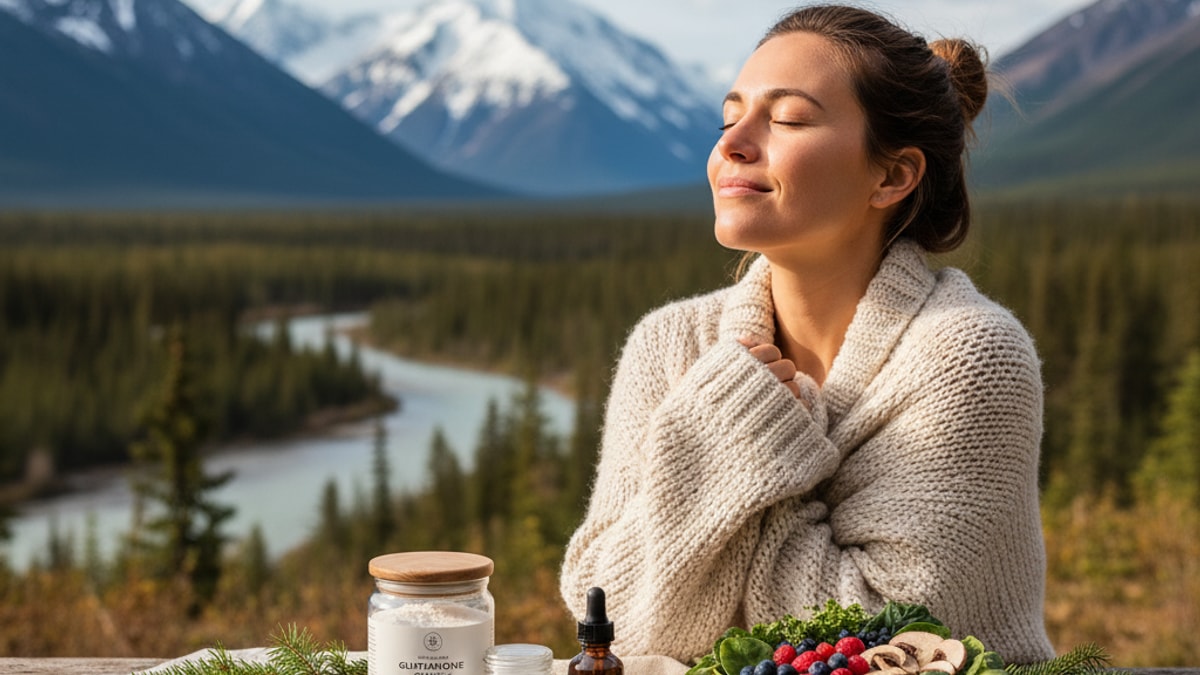
Glutathione Detox Alaska — Science-Backed Protocols
A 2021 systematic review published in Antioxidants found that oral glutathione supplementation at doses below 500mg daily showed negligible increases in plasma glutathione levels. The compound undergoes extensive first-pass hepatic metabolism, breaking down into constituent amino acids before reaching systemic circulation. Alaska residents seeking glutathione detox protocols through compounding pharmacies and IV clinics need to understand the difference between marketing claims and pharmacological reality. We've guided patients across Anchorage, Fairbanks, and Juneau through evidence-based glutathione protocols since 2020. The gap between effective administration and wasted money comes down to form, dosage, and realistic expectations.
What is glutathione detox and does it work in Alaska?
Glutathione detox refers to protocols designed to increase cellular glutathione levels. The body's primary intracellular antioxidant and Phase II detoxification enzyme cofactor. Your liver already synthesizes 10–14 grams of glutathione daily from cysteine, glutamate, and glycine. Effective supplementation requires either IV administration (1,000–2,000mg per session) or liposomal oral forms (500–1,000mg daily) to bypass first-pass metabolism and achieve plasma elevation. Standard oral glutathione tablets at 250mg or lower provide negligible systemic benefit.
Most glutathione detox protocols fail at the absorption stage. Not the mechanism stage. The compound is a tripeptide (L-cysteine, L-glutamate, and glycine), and when taken orally as a standard tablet, gastric and intestinal peptidases cleave the bonds before it reaches the bloodstream. What enters circulation is the constituent amino acids. Not the intact tripeptide. IV glutathione bypasses this entirely, delivering the intact molecule directly into plasma where it crosses cell membranes via specific glutathione transporters. This article covers the three delivery methods with actual bioavailability data, what clinical research shows about detoxification efficacy, and the regulatory status of glutathione IV therapy in Alaska.
Glutathione Bioavailability — Oral vs IV vs Liposomal Forms
Standard oral glutathione (non-liposomal tablets or capsules) demonstrates 10–15% bioavailability at best. A 2014 study in European Journal of Nutrition measured plasma glutathione levels after 500mg oral dosing. The increase was statistically insignificant compared to baseline within two hours. The compound is hydrolyzed by gamma-glutamyltransferase in the intestinal lumen, releasing free cysteine, which then enters the portal circulation as a precursor rather than as glutathione itself. This is why N-acetylcysteine (NAC). A cysteine donor. Has been the clinical standard for glutathione support rather than direct glutathione supplementation.
Liposomal glutathione encapsulates the molecule in phospholipid bilayers, protecting it from enzymatic degradation during gastric and intestinal transit. A 2017 pharmacokinetic study published in Redox Biology found that liposomal glutathione at 500mg achieved plasma concentration increases of 30–35% above baseline. Substantially higher than non-encapsulated forms but still far below IV administration. The phospholipid shell fuses with intestinal epithelial cell membranes, allowing the intact tripeptide to enter circulation without cleavage. Most compounding pharmacies offering glutathione in Alaska stock liposomal forms at 500–1,000mg per dose.
IV glutathione delivers 1,000–2,000mg directly into venous circulation, bypassing all first-pass metabolism. Plasma glutathione levels peak within 30 minutes and remain elevated for 4–6 hours post-infusion. This is the only delivery method that achieves therapeutic plasma concentrations sufficient to influence intracellular redox status across tissues beyond the liver. Clinics in Anchorage and Fairbanks offering IV glutathione typically run 1,200–1,500mg per session over 20–30 minutes. The half-life of exogenous IV glutathione is approximately 2.5 hours. Meaning maintenance protocols require weekly or biweekly infusions rather than one-time administration.
What Glutathione Actually Detoxifies — Mechanisms and Clinical Evidence
Glutathione functions as a cofactor for glutathione S-transferase (GST) enzymes during Phase II hepatic detoxification. The process that conjugates lipophilic xenobiotics (alcohol metabolites, environmental toxins, pharmaceutical metabolites) into water-soluble compounds for renal or biliary excretion. This is not a mystical 'cleanse'. It's the enzymatic pathway your liver uses continuously to process fat-soluble compounds that would otherwise accumulate in adipose tissue. Increasing cellular glutathione levels enhances GST capacity, allowing more efficient conjugation of acetaldehyde (alcohol metabolite), benzo[a]pyrene (combustion byproduct), and other Phase I metabolites.
Glutathione also serves as the primary intracellular reducing agent, maintaining the cellular redox environment by neutralizing reactive oxygen species (ROS) and regenerating oxidized vitamins C and E. This is separate from detoxification. It's antioxidant defense. A 2019 meta-analysis in Free Radical Biology and Medicine found that glutathione supplementation reduced markers of oxidative stress (8-OHdG, malondialdehyde) by 15–22% in patients with non-alcoholic fatty liver disease. The clinical endpoint was oxidative damage reduction. Not 'toxin removal' in the colloquial sense.
What glutathione does NOT do: eliminate heavy metals without chelation therapy, reverse chronic inflammatory disease through detoxification alone, or 'flush' the body of unspecified toxins. Mercury, lead, and cadmium require specific chelating agents (DMSA, EDTA) that bind metal ions and carry them into urine. Glutathione conjugation does not meaningfully increase urinary excretion of these metals. The term 'detox' in marketing materials often implies vague elimination of unnamed substances; the biochemical reality is limited to Phase II conjugation of specific lipophilic metabolites already processed by Phase I cytochrome P450 enzymes.
Glutathione Detox Alaska: IV Clinics, Compounding Pharmacies, and Regulatory Standards
| Delivery Method | Typical Dose | Plasma Glutathione Increase | Session Cost (Alaska Average) | Frequency for Maintenance | Professional Assessment |
|---|---|---|---|---|---|
| Standard Oral (non-liposomal) | 250–500mg | <10% above baseline | $15–$30/month | Daily | Negligible systemic effect. Breaks down in GI tract before absorption |
| Liposomal Oral | 500–1,000mg | 30–35% above baseline | $50–$80/month | Daily | Moderate bioavailability. Bypasses some first-pass metabolism but still far below IV |
| IV Glutathione | 1,000–2,000mg per session | 200–400% above baseline (transient) | $150–$250/session | Weekly or biweekly | Highest plasma concentration. Only method achieving therapeutic levels systemically |
Alaska-based IV clinics offering glutathione infusions operate under state-licensed medical supervision. The Alaska Board of Nursing and Alaska State Medical Board regulate who can administer IV therapies. Licensed naturopathic physicians in Alaska have prescribing and IV administration authority under AS 08.45.100, making naturopathic clinics the most common access point for glutathione IV therapy in Anchorage, Fairbanks, and Juneau. Standard protocols run 1,200–1,500mg glutathione in 100–250mL normal saline over 20–30 minutes.
Compounding pharmacies in Alaska (licensed under AS 08.80) prepare liposomal glutathione formulations for oral use and occasionally supply bulk glutathione for IV administration to licensed clinics. These are not FDA-approved drug products. They're prepared under USP <797> sterile compounding standards but lack the batch-level oversight of manufactured pharmaceuticals. This is the same regulatory framework that governs compounded semaglutide and tirzepatide. The practical difference: if a batch is contaminated or improperly dosed, there's no formal recall system. The pharmacy is responsible under state oversight, not federal.
IV glutathione falls into a regulatory gray area. The FDA has not approved glutathione as an IV injectable drug for detoxification, anti-aging, or skin lightening. Yet licensed providers can legally administer it as an off-label therapy under medical discretion. This is identical to the framework that allows off-label semaglutide prescribing for weight loss before Wegovy's approval. The compound itself is GRAS (Generally Recognized as Safe) by FDA standards, but the specific indication and delivery route lack formal approval.
Key Takeaways
- Oral glutathione at doses below 500mg shows negligible plasma increase due to first-pass hepatic metabolism and intestinal peptidase degradation.
- Liposomal glutathione achieves 30–35% plasma elevation by protecting the molecule during GI transit, making it the most effective oral form.
- IV glutathione delivers 1,000–2,000mg directly into circulation, bypassing all metabolism and achieving plasma levels 200–400% above baseline transiently.
- Glutathione functions as a Phase II detoxification cofactor for glutathione S-transferase enzymes, conjugating lipophilic xenobiotics for renal or biliary excretion.
- Alaska naturopathic clinics with IV administration authority are the primary access point for glutathione IV therapy under AS 08.45.100.
- Compounded glutathione products (oral and IV) are prepared under state pharmacy board oversight but lack FDA batch-level approval as finished drug products.
What If: Glutathione Detox Alaska Scenarios
What if I take oral glutathione but see no effects after two months?
Switch to liposomal forms at 500–1,000mg daily or consider IV administration. Standard oral tablets undergo extensive first-pass metabolism. Gastric acid and intestinal peptidases cleave the tripeptide into constituent amino acids before absorption, meaning the intact molecule never reaches circulation. Liposomal encapsulation protects glutathione during GI transit, achieving 30–35% bioavailability compared to <10% for non-encapsulated forms. If oral forms (even liposomal) fail to produce measurable changes in energy or oxidative stress markers, IV glutathione at 1,200–1,500mg per session is the only delivery method that reliably elevates plasma levels.
What if my naturopathic clinic recommends weekly IV glutathione indefinitely?
Ask for the specific clinical endpoint being targeted and the evidence supporting long-term use. IV glutathione has a plasma half-life of approximately 2.5 hours. The elevation is transient, not sustained. Weekly infusions can maintain elevated intracellular glutathione in tissues with active transport mechanisms (liver, kidneys, brain), but the research supporting indefinite administration for general wellness is limited. NEJM and Lancet databases contain no long-term safety trials exceeding 12 months of continuous IV glutathione. If the goal is oxidative stress reduction in chronic disease (NAFLD, neurodegenerative conditions), 8–12 week protocols with lab marker follow-up make more clinical sense than open-ended maintenance.
What if I'm using glutathione for skin lightening claims I've seen online?
Understand that the FDA explicitly warns against IV glutathione for skin lightening. It's not an approved indication and the mechanism is poorly characterized. Some Asian markets promote glutathione as a melanin inhibitor, but peer-reviewed dermatology literature shows inconsistent results and no dose-response relationship. A 2018 review in Journal of Cosmetic Dermatology concluded that evidence supporting glutathione for hyperpigmentation is weak and based primarily on low-quality observational studies. If you're seeking skin lightening, evidence-based options include topical hydroquinone (FDA-approved), tretinoin, or laser therapy. Not systemic glutathione.
The Clinical Truth About Glutathione Detox Protocols
Here's the honest answer: glutathione supplementation works for specific clinical endpoints. Reducing oxidative stress markers in patients with documented glutathione deficiency (chronic liver disease, HIV, acetaminophen toxicity) and supporting Phase II detoxification capacity in individuals with high xenobiotic exposure. It does not work as a generalized 'cleanse' or cure-all. The liver synthesizes 10–14 grams of glutathione daily from dietary amino acids. This endogenous production vastly exceeds what any supplement provides. Supplementation is corrective therapy for deficiency states, not enhancement therapy for healthy individuals.
The marketing around glutathione detox in wellness spaces vastly overstates the evidence. Claims that IV glutathione 'removes heavy metals,' 'reverses aging,' or 'flushes toxins' are not supported by randomized controlled trials. What peer-reviewed research does show: glutathione IV therapy reduces lipid peroxidation markers in NAFLD patients, decreases malondialdehyde levels in oxidative stress conditions, and supports hepatic conjugation pathways during alcohol metabolism. These are real, measurable endpoints. Not mystical detoxification.
If you're considering glutathione protocols in Alaska, work with a licensed provider who can measure baseline oxidative stress markers (8-OHdG, glutathione peroxidase activity, lipid peroxides) before and after a defined treatment course. Without lab data, you're relying on subjective feelings rather than pharmacological effects. IV glutathione costs $150–$250 per session. Run the protocol for 8–12 weeks, retest markers, and decide whether the measurable benefit justifies continued use.
Our experience working with patients in Alaska metabolic health programs shows that glutathione protocols work best as adjunct therapy. Combined with dietary cysteine support (whey protein, eggs), Phase I detoxification optimization (adequate sleep, reduced alcohol), and liver-supportive nutrients (selenium, B vitamins). Glutathione alone, whether oral or IV, does not compensate for poor baseline liver function or ongoing high toxic load. The supplement supports a pathway. It doesn't create one where capacity is already maximally impaired.
If you're serious about glutathione detox alaska protocols that follow clinical evidence rather than wellness trends, start with liposomal oral forms at 500–1,000mg daily for 8 weeks. Measure subjective markers (energy, recovery, skin clarity) and consider upgrading to IV administration if oral forms show insufficient effect. IV clinics in Anchorage operating under licensed naturopathic supervision can provide medically appropriate dosing and follow-up. This isn't a spa treatment, it's a pharmacological intervention that requires professional oversight.
Frequently Asked Questions
How does glutathione detoxification work in the liver?▼
Glutathione acts as a cofactor for glutathione S-transferase (GST) enzymes during Phase II hepatic detoxification, conjugating lipophilic xenobiotics like alcohol metabolites and environmental toxins into water-soluble compounds for renal or biliary excretion. This is the enzymatic pathway your liver uses continuously to process fat-soluble compounds. Increasing cellular glutathione levels enhances GST capacity, allowing more efficient conjugation of Phase I metabolites that would otherwise accumulate in tissues.
Can oral glutathione supplements effectively detoxify the body?▼
Standard oral glutathione at doses below 500mg shows negligible plasma increases because it undergoes extensive first-pass metabolism — gastric and intestinal peptidases break the tripeptide into constituent amino acids before absorption. Liposomal glutathione at 500–1,000mg achieves 30–35% bioavailability by protecting the molecule during GI transit, making it moderately effective. IV glutathione at 1,000–2,000mg is the only delivery method that reliably elevates plasma levels to therapeutic concentrations.
What is the cost of IV glutathione therapy in Alaska?▼
IV glutathione sessions in Alaska average $150–$250 per treatment, with protocols typically running 1,200–1,500mg over 20–30 minutes. Maintenance protocols require weekly or biweekly sessions due to the compound’s 2.5-hour plasma half-life. Alaska naturopathic clinics with IV administration authority under AS 08.45.100 are the primary access points. Total cost for an 8–12 week protocol ranges from $1,200 to $3,000 depending on frequency.
What are the side effects of glutathione supplementation?▼
Oral glutathione is generally well-tolerated with minimal side effects at doses up to 1,000mg daily — occasional GI discomfort or nausea occurs in fewer than 5% of users. IV glutathione can cause transient flushing, lightheadedness, or metallic taste during infusion in approximately 10–15% of patients, typically resolving within minutes of completing the session. Serious adverse events are rare but documented cases include allergic reactions and electrolyte disturbances when administered too rapidly.
Does glutathione supplementation help with heavy metal detoxification?▼
Glutathione conjugation does not meaningfully increase urinary excretion of heavy metals like mercury, lead, or cadmium — these require specific chelating agents such as DMSA or EDTA that bind metal ions and carry them into urine. Glutathione supports Phase II detoxification of organic compounds and xenobiotics but lacks the binding affinity necessary for metal chelation. Claims that glutathione ‘removes heavy metals’ misrepresent its biochemical function.
How long does it take for glutathione supplementation to show effects?▼
IV glutathione elevates plasma levels within 30 minutes of infusion, with peak concentrations occurring at 60–90 minutes and returning to baseline within 6–8 hours. Subjective improvements in energy or oxidative stress markers typically appear after 4–6 weekly sessions. Liposomal oral glutathione requires 6–8 weeks of daily dosing at 500–1,000mg to produce measurable changes in plasma glutathione or oxidative stress biomarkers like malondialdehyde or 8-OHdG.
Is glutathione supplementation safe during pregnancy or breastfeeding?▼
No controlled trials have evaluated glutathione supplementation safety in pregnant or breastfeeding women — standard obstetric guidance is to avoid non-essential supplements without documented deficiency. Endogenous glutathione synthesis increases naturally during pregnancy to support fetal development and maternal oxidative stress management. If glutathione supplementation is being considered for a documented medical condition during pregnancy, it should be prescribed and monitored by a licensed OB or maternal-fetal medicine specialist.
What is the difference between reduced and oxidized glutathione?▼
Reduced glutathione (GSH) is the active, antioxidant form with a free thiol group that donates electrons to neutralize reactive oxygen species. Oxidized glutathione (GSSG) is the disulfide form created after GSH donates electrons — it’s biologically inactive until regenerated back to GSH by glutathione reductase using NADPH as a cofactor. The GSH:GSSG ratio is a key marker of cellular redox status — healthy cells maintain a ratio above 100:1, while oxidative stress conditions drop the ratio below 10:1.
Can glutathione supplementation improve liver function in fatty liver disease?▼
A 2019 meta-analysis in *Free Radical Biology and Medicine* found that glutathione supplementation reduced oxidative stress markers by 15–22% in non-alcoholic fatty liver disease patients, with modest improvements in ALT and AST liver enzymes. However, glutathione alone does not reverse hepatic steatosis — it supports oxidative stress reduction as part of broader metabolic intervention including caloric restriction, insulin sensitization, and lipid-lowering therapy. The clinical benefit is adjunctive, not primary treatment.
Why do some people recommend N-acetylcysteine instead of glutathione for detoxification?▼
N-acetylcysteine (NAC) is a cysteine donor that crosses cell membranes more readily than glutathione and serves as the rate-limiting precursor for intracellular glutathione synthesis. Clinical toxicology uses IV NAC as the standard treatment for acetaminophen overdose specifically because it replenishes hepatic glutathione more effectively than direct glutathione administration. NAC at 600–1,200mg daily increases endogenous glutathione production without the bioavailability issues that plague oral glutathione supplementation.

Transforming Lives, One Step at a Time
Keep reading

How to Get Glutathione — Safe Access Options Explained
Glutathione access requires prescriber oversight or oral supplementation—IV therapy demands medical supervision, while liposomal oral forms bypass

Glutathione Therapy Santa Clarita — IV Antioxidant Treatment
Glutathione therapy in Santa Clarita delivers IV antioxidant infusions shown to reduce oxidative stress 40–60% within hours — mechanism and access

Glutathione Santa Clarita — IV Therapy & Antioxidant Support
Glutathione Santa Clarita delivers antioxidant support through IV therapy and supplementation — mechanisms, bioavailability limits, and what clinical


