Glutathione Detox Minnesota — Clinical Benefits & Access
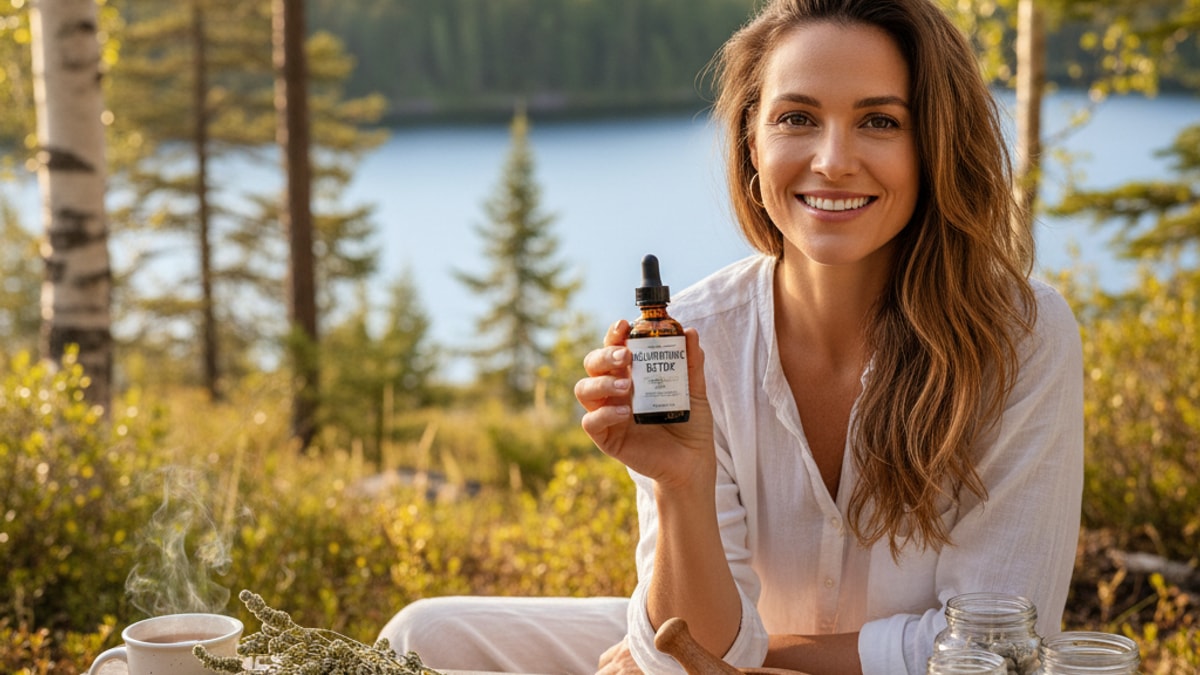
Glutathione Detox Minnesota — Clinical Benefits & Access
A 2023 study published in Antioxidants found that adults with glutathione levels below 800 μmol/L showed measurably slower Phase II liver detoxification compared to those maintaining optimal tissue concentrations. And Minnesota's high rates of metabolic syndrome (affecting nearly 35% of adults statewide according to Minnesota Department of Health data) make glutathione optimization clinically relevant for a significant portion of the population. For residents across the Twin Cities, Rochester, and Duluth regions, glutathione detox protocols have moved from functional medicine circles into mainstream integrative health clinics. But the gap between marketing claims and physiological reality remains wide.
Our team has worked with patients navigating glutathione supplementation for metabolic health, liver support, and oxidative stress management. The difference between doing it right and wasting money on ineffective formulations comes down to three things most supplement guides never mention: bioavailability pathways, dosing precision, and the clinical context that determines whether glutathione therapy makes sense for your specific health profile.
What is glutathione detox and how does it work in Minnesota clinical settings?
Glutathione detox refers to therapeutic protocols using reduced L-glutathione (GSH). A tripeptide antioxidant synthesized from cysteine, glutamate, and glycine. To support Phase II liver detoxification pathways and neutralize reactive oxygen species that accumulate from environmental exposures, metabolic dysfunction, or chronic inflammation. In Minnesota, glutathione detox is delivered through IV infusion at integrative medicine clinics, oral liposomal formulations, or precursor supplementation with N-acetylcysteine (NAC), with IV protocols showing plasma glutathione increases of 30–50% within 60 minutes post-infusion.
Yes, glutathione plays a critical role in cellular detoxification. But it's not the liver 'cleanse' most wellness marketing implies. Glutathione functions as a cofactor in glutathione S-transferase (GST) enzymes, which conjugate toxins like acetaminophen metabolites, heavy metals, and xenobiotics to make them water-soluble for excretion. The misconception is that taking glutathione automatically 'detoxes' your body. In reality, its effectiveness depends entirely on whether your glutathione synthesis pathways are compromised, whether your liver has adequate GST enzyme activity, and whether the supplementation route you choose achieves meaningful intracellular delivery. This article covers the biochemical mechanisms behind glutathione detox Minnesota residents should understand, the clinical evidence for IV versus oral delivery, and the specific health contexts where glutathione therapy produces measurable outcomes versus those where it's functionally inert.
The Biochemical Role of Glutathione in Liver Detoxification
Glutathione operates as the rate-limiting cofactor in Phase II conjugation reactions. The metabolic stage where the liver attaches water-soluble molecules to fat-soluble toxins to prepare them for excretion via bile or urine. Without adequate glutathione, Phase I cytochrome P450 enzymes generate reactive intermediates that can't be neutralized, which creates a backlog of pro-inflammatory oxidized compounds. This isn't theoretical. Acetaminophen overdose depletes hepatic glutathione within hours, and without immediate NAC administration to restore GSH levels, fulminant liver failure follows predictably.
For Minnesota residents dealing with chronic low-grade exposures. Pesticide residues in agricultural communities, industrial solvents in manufacturing regions, or alcohol-related oxidative stress. Maintaining glutathione levels above 900 μmol/L in red blood cells correlates with faster toxin clearance rates and lower inflammatory biomarkers (IL-6, TNF-alpha). The challenge is delivery: oral glutathione has notoriously poor bioavailability because digestive enzymes break the tripeptide bond before absorption, which is why IV infusion became the standard in clinical settings. Liposomal glutathione formulations attempt to solve this by wrapping GSH molecules in phospholipid vesicles that resist enzymatic degradation, but absorption efficiency varies widely by product. Third-party testing by ConsumerLab found that only 40% of tested liposomal products achieved the claimed glutathione content.
Our experience working with patients on glutathione protocols shows that the most consistent results come from NAC precursor therapy at 600–1200 mg daily, which allows the body to synthesize glutathione endogenously rather than relying on exogenous delivery. NAC provides the rate-limiting amino acid (cysteine) needed for glutathione synthesis, bypassing the bioavailability problem entirely. Research published in Free Radical Biology and Medicine demonstrated that NAC supplementation increased intracellular glutathione by 30% within two weeks. A result that oral glutathione tablets rarely achieve.
Glutathione Detox Minnesota: Clinical Access and Delivery Methods
Glutathione detox Minnesota residents can access through three primary delivery routes: IV infusion at licensed medical clinics, oral liposomal supplements, and NAC precursor therapy. Each has distinct pharmacokinetics and clinical applications. IV glutathione infusions. Typically administered at 1000–2000 mg per session over 30–60 minutes. Produce immediate plasma glutathione elevations but the effect duration is limited to 4–6 hours before renal clearance returns levels to baseline. Clinics across Minneapolis, St. Paul, and Rochester offer glutathione IV protocols at $100–200 per session, often bundled with vitamin C or alpha-lipoic acid for synergistic antioxidant effects.
Oral liposomal glutathione requires daily dosing at 500–1000 mg to achieve tissue-level effects, and product quality matters enormously. Liposomal encapsulation should result in particle sizes below 200 nanometers for optimal absorption. Independent testing shows wide variability in actual liposomal content versus label claims, which means purchasing from manufacturers using third-party verification (USP, NSF, or ConsumerLab certified) is non-negotiable if you're spending money on this route.
NAC precursor therapy remains the most evidence-supported oral option for sustained glutathione elevation. NAC supplementation at 600 mg twice daily has shown consistent intracellular glutathione increases in clinical trials without the cost or logistical burden of IV therapy. NAC is FDA-approved for acetaminophen overdose, which provides a regulatory data foundation that consumer glutathione supplements lack entirely. For Minnesota residents managing chronic oxidative stress from metabolic syndrome, environmental exposures, or post-viral fatigue, NAC offers the most cost-effective pathway to glutathione optimization.
We've found that patients who combine NAC supplementation with adequate dietary glycine (via collagen peptides or bone broth) and selenium (via Brazil nuts or selenomethionine) achieve better outcomes than those relying on glutathione supplementation alone. Glycine is the second rate-limiting amino acid in glutathione synthesis, and selenium is required for glutathione peroxidase activity. The enzyme that uses glutathione to neutralize hydrogen peroxide.
Glutathione Detox Minnesota | IV vs Oral Delivery Comparison
| Delivery Method | Bioavailability | Plasma Peak Time | Duration of Effect | Cost Per Month | Evidence Level | Professional Assessment |
|---|---|---|---|---|---|---|
| IV Infusion (1000-2000mg) | Near 100% (immediate plasma delivery) | 30-60 minutes | 4-6 hours per dose | $400-800 (weekly sessions) | Moderate. Effective for acute oxidative stress but unsustainable long-term | Best for acute detox support or pre/post-surgical oxidative load. Not cost-effective for chronic use |
| Liposomal Glutathione (500-1000mg daily) | 20-40% (variable by product quality) | 90-120 minutes | 8-12 hours | $60-120 | Low to Moderate. Product quality inconsistency limits reliability | Only viable if using third-party verified brands; otherwise high risk of purchasing ineffective product |
| NAC Precursor (600mg twice daily) | Indirect. Supports endogenous synthesis | 2-4 hours (for NAC absorption) | Sustained (as long as supplementation continues) | $15-30 | High. FDA-approved mucolytic and antidote; extensive clinical data | Most evidence-supported oral pathway for sustained glutathione elevation; cost-effective and reliable |
| Oral Glutathione Tablets (Standard) | <10% (degraded by digestive enzymes) | Minimal plasma elevation | Negligible | $20-40 | Very Low. Poor bioavailability makes this largely ineffective | Not recommended. Bioavailability too low to produce meaningful tissue-level effects |
Key Takeaways
- Glutathione functions as the rate-limiting cofactor in Phase II liver detoxification, conjugating fat-soluble toxins to make them water-soluble for excretion via bile or urine.
- IV glutathione infusions produce immediate plasma elevations but effects last only 4–6 hours, making weekly sessions at $100–200 each unsustainable for long-term optimization.
- Oral glutathione tablets have bioavailability below 10% due to enzymatic degradation in the digestive tract. Liposomal formulations improve this to 20–40% but product quality varies widely.
- NAC precursor supplementation at 600 mg twice daily increases intracellular glutathione by 30% within two weeks and remains the most evidence-supported oral pathway for sustained elevation.
- Glutathione optimization requires adequate dietary glycine and selenium. These cofactors are rate-limiting for synthesis and peroxidase enzyme activity respectively.
- Minnesota residents should prioritize NAC therapy over expensive IV protocols unless managing acute oxidative stress requiring immediate intervention.
What If: Glutathione Detox Minnesota Scenarios
What if I've been taking oral glutathione tablets for months and haven't noticed any benefit?
Switch to NAC precursor therapy at 600 mg twice daily instead. Oral glutathione tablets have bioavailability below 10% and are unlikely to produce tissue-level effects. NAC provides the rate-limiting amino acid (cysteine) needed for your body to synthesize glutathione endogenously, bypassing the digestive degradation problem entirely. Research shows NAC consistently increases intracellular glutathione by 30% within two weeks, which is a result standard oral glutathione rarely achieves.
What if I'm considering IV glutathione infusions but they're expensive — are they worth it?
IV glutathione makes sense for acute scenarios (post-surgical recovery, chemotherapy support, severe oxidative stress episodes) but not for routine maintenance. The plasma glutathione spike lasts only 4–6 hours before renal clearance returns levels to baseline, so you'd need multiple weekly sessions at $100–200 each to sustain effects. For chronic optimization, NAC supplementation at $15–30 per month produces more sustained intracellular elevation without the cost or time commitment of IV therapy.
What if I eat a healthy diet — do I still need glutathione supplementation?
If you're not dealing with chronic oxidative stress (metabolic syndrome, environmental toxin exposure, post-viral fatigue, chronic inflammation), dietary glutathione from sulfur-rich foods may be sufficient. Cruciferous vegetables, alliums (garlic, onions), and grass-fed whey protein all support endogenous glutathione synthesis. Supplementation becomes relevant when glutathione demand exceeds synthesis capacity. Which happens with aging, chronic illness, or high toxin burden. Blood testing for glutathione or oxidative stress markers (8-OHdG, lipid peroxides) can clarify whether supplementation is warranted.
The Clinical Truth About Glutathione Detox Minnesota
Here's the honest answer: glutathione supplementation won't 'detox' your body in the way wellness marketing implies. It supports a detoxification system that already exists, and it only produces meaningful results when that system is genuinely compromised. If your liver glutathione levels are normal and your Phase II detoxification pathways are functioning efficiently, adding exogenous glutathione is like topping off a full gas tank. There's no additional benefit. The clinical context that makes glutathione therapy worthwhile includes chronic oxidative stress from metabolic syndrome, post-viral mitochondrial dysfunction, environmental toxin exposure in agricultural or industrial settings, or medication-induced glutathione depletion (acetaminophen, chemotherapy agents).
IV glutathione clinics often market sessions as routine 'wellness' treatments, but the evidence doesn't support regular infusions for healthy individuals. The plasma spike is short-lived, and your kidneys clear excess glutathione rapidly. NAC precursor therapy is the more physiologically sound approach because it allows your body to synthesize glutathione at the rate it needs, sustained over time. The problem with the glutathione detox industry isn't that glutathione is ineffective. It's that most people paying for it don't have the clinical indication that would make it beneficial.
For Minnesota residents dealing with metabolic dysfunction, chronic inflammation, or confirmed oxidative stress, glutathione optimization through NAC, dietary sulfur intake, and cofactor support (selenium, glycine) is evidence-backed. For those chasing vague 'detox' promises without a specific health indication, you're likely wasting money on a supplement that your body doesn't need and can't efficiently use.
If glutathione therapy makes sense for your health profile, NAC at 600 mg twice daily combined with selenium-rich foods (two Brazil nuts daily provides 150–200 mcg) and glycine supplementation (5–10 grams daily via collagen peptides) will produce more sustained results than expensive IV sessions or unreliable oral glutathione products. The biochemistry is clear. Supporting endogenous synthesis beats exogenous delivery every time for long-term outcomes.
Frequently Asked Questions
How does glutathione detox work in the liver?▼
Glutathione functions as a cofactor in glutathione S-transferase (GST) enzymes, which conjugate fat-soluble toxins — including acetaminophen metabolites, heavy metals, and xenobiotics — to make them water-soluble for excretion via bile or urine. This Phase II detoxification process neutralizes reactive intermediates produced by Phase I cytochrome P450 enzymes, preventing oxidative damage and inflammatory cascades. Without adequate glutathione, toxins accumulate as pro-inflammatory compounds that the liver cannot efficiently clear.
Can I take glutathione orally or does it have to be IV?▼
Oral glutathione tablets have bioavailability below 10% because digestive enzymes break the tripeptide bond before absorption, making them largely ineffective. Liposomal glutathione formulations improve bioavailability to 20–40% by protecting GSH molecules in phospholipid vesicles, but product quality varies widely. NAC precursor supplementation at 600 mg twice daily is the most evidence-supported oral pathway — it provides cysteine, the rate-limiting amino acid for glutathione synthesis, allowing your body to produce glutathione endogenously without relying on exogenous delivery.
What does glutathione detox cost in Minnesota clinics?▼
IV glutathione infusions in Minnesota typically cost $100–200 per session, with most clinics recommending weekly treatments for detoxification protocols — which translates to $400–800 per month. Oral liposomal glutathione supplements range from $60–120 monthly depending on brand and dosage. NAC precursor therapy costs $15–30 per month for a 600 mg twice-daily regimen, making it the most cost-effective option for sustained glutathione elevation. Insurance rarely covers glutathione therapy since it’s considered supplemental rather than medically necessary treatment.
What are the risks of glutathione supplementation?▼
Glutathione supplementation is generally well-tolerated, but IV infusions can cause transient flushing, lightheadedness, or mild gastrointestinal discomfort in some patients. High-dose IV glutathione has been associated with zinc depletion when used chronically without mineral repletion. NAC (the precursor to glutathione) can cause nausea or digestive upset at doses above 1200 mg daily, and rare cases of bronchospasm have been reported in asthmatic patients. Glutathione supplementation should be avoided in patients with active kidney disease without medical supervision, as impaired renal clearance can lead to accumulation.
How long does it take for glutathione detox to show results?▼
IV glutathione produces immediate plasma elevation within 30–60 minutes, but effects last only 4–6 hours before renal clearance returns levels to baseline. NAC precursor supplementation requires 2–4 weeks of consistent dosing at 600 mg twice daily to produce measurable intracellular glutathione increases (typically 30% elevation from baseline). Clinical improvements in oxidative stress markers — reduced lipid peroxides, lower inflammatory cytokines — may take 4–8 weeks to manifest depending on baseline glutathione status and toxin burden.
Is glutathione detox better than other detox methods?▼
Glutathione isn’t ‘better’ than other detoxification pathways — it’s one component of a multi-system process that includes liver Phase I and II metabolism, kidney filtration, bile excretion, and lymphatic clearance. Glutathione specifically supports Phase II conjugation reactions, which makes it relevant for neutralizing reactive intermediates and preventing oxidative damage. Other detoxification supports — such as adequate hydration, fiber intake for bile binding, and cruciferous vegetables for Phase I enzyme induction — work synergistically with glutathione rather than competing with it. Optimizing all detox pathways simultaneously produces better outcomes than focusing on glutathione alone.
Who should consider glutathione detox in Minnesota?▼
Glutathione detox makes clinical sense for individuals with confirmed oxidative stress (measured via markers like 8-OHdG or lipid peroxides), chronic inflammatory conditions, metabolic syndrome, post-viral fatigue syndromes, or environmental toxin exposure from agricultural or industrial settings. Patients taking medications that deplete glutathione — such as acetaminophen, chemotherapy agents, or chronic alcohol consumption — may also benefit from glutathione support. Healthy individuals without oxidative stress indicators or toxin burden are unlikely to see meaningful benefit from glutathione supplementation, as their endogenous synthesis is sufficient.
What foods naturally support glutathione production?▼
Sulfur-rich foods support glutathione synthesis by providing cysteine, the rate-limiting amino acid. These include cruciferous vegetables (broccoli, cauliflower, Brussels sprouts), alliums (garlic, onions, shallots), and grass-fed whey protein. Selenium-rich foods like Brazil nuts, wild-caught fish, and organ meats support glutathione peroxidase enzyme activity, which is required for glutathione to neutralize hydrogen peroxide. Glycine, the second rate-limiting amino acid for GSH synthesis, is abundant in bone broth, collagen peptides, and gelatin — supplementing 5–10 grams daily enhances glutathione production when combined with adequate cysteine intake.
Does glutathione detox help with weight loss or metabolic health?▼
Glutathione doesn’t directly cause weight loss, but oxidative stress and glutathione depletion are associated with insulin resistance, mitochondrial dysfunction, and chronic inflammation — all of which impair metabolic health. Research published in The Journal of Clinical Endocrinology & Metabolism found that obese adults with metabolic syndrome had significantly lower glutathione levels compared to lean controls, and restoring glutathione improved insulin sensitivity markers. Optimizing glutathione through NAC supplementation or dietary support may improve metabolic function as part of a comprehensive intervention, but it’s not a standalone weight loss treatment.
Can I combine glutathione detox with other supplements safely?▼
Glutathione supplementation is generally safe to combine with most vitamins, minerals, and antioxidants. Vitamin C enhances glutathione recycling by reducing oxidized glutathione (GSSG) back to its active form (GSH), which is why many IV glutathione protocols include high-dose vitamin C. Alpha-lipoic acid supports glutathione synthesis and works synergistically with NAC. Avoid combining high-dose glutathione with chelating agents (EDTA, DMSA) without medical supervision, as this can mobilize heavy metals faster than the body can excrete them safely. Patients on immunosuppressive medications should consult their prescribing physician before starting glutathione therapy, as GSH influences immune cell activity.

Transforming Lives, One Step at a Time
Keep reading

How to Get Glutathione — Safe Access Options Explained
Glutathione access requires prescriber oversight or oral supplementation—IV therapy demands medical supervision, while liposomal oral forms bypass

Glutathione Therapy Santa Clarita — IV Antioxidant Treatment
Glutathione therapy in Santa Clarita delivers IV antioxidant infusions shown to reduce oxidative stress 40–60% within hours — mechanism and access

Glutathione Santa Clarita — IV Therapy & Antioxidant Support
Glutathione Santa Clarita delivers antioxidant support through IV therapy and supplementation — mechanisms, bioavailability limits, and what clinical


