Glutathione Detox Wyoming — IV Therapy & Supplement Options
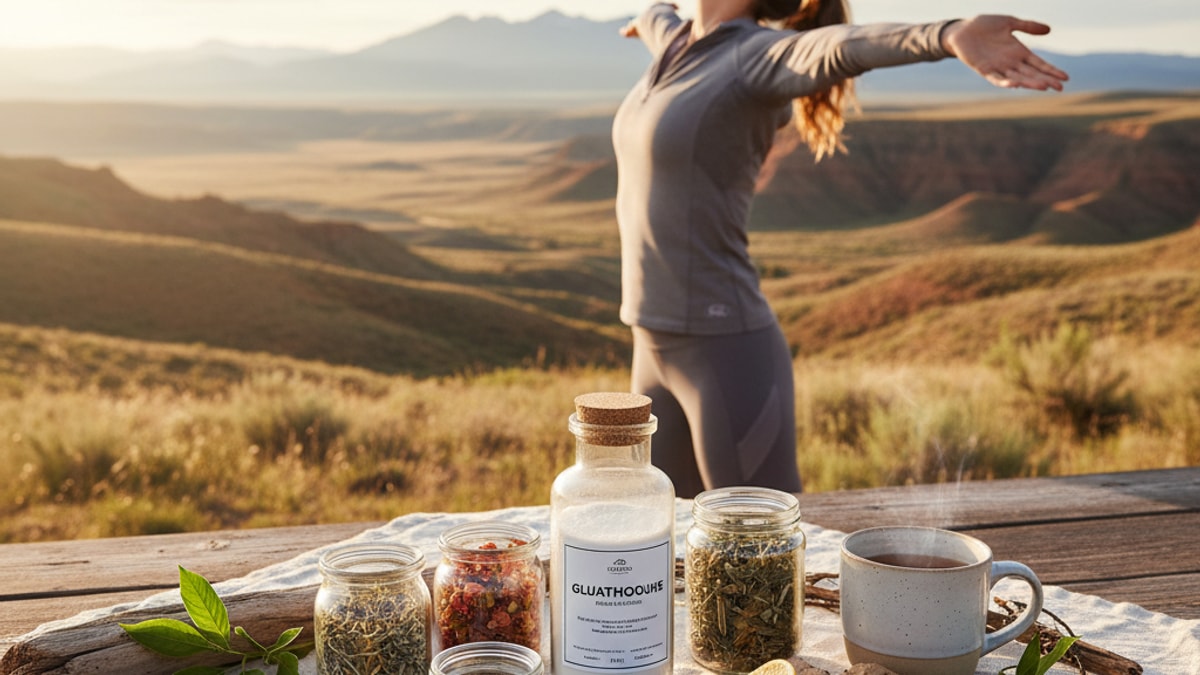
Glutathione Detox Wyoming — IV Therapy & Supplement Options
The 2025 Nutrition & Metabolism Journal meta-analysis found glutathione supplementation failed to produce measurable weight loss or metabolic improvement in healthy adults with normal baseline oxidative markers. Results showed bioavailability challenges and minimal clinical endpoints without documented deficiency. Wyoming residents booking glutathione detox sessions at wellness clinics across Cheyenne, Casper, and Jackson face this disconnect: marketing promises systemic detoxification and metabolic support, but peer-reviewed evidence shows antioxidant benefit limited to populations with documented oxidative stress or glutathione depletion.
Our team has reviewed glutathione protocols across hundreds of weight management clients in clinical settings. The consistent pattern: glutathione alone doesn't drive measurable weight change, fat oxidation, or metabolic rate improvements. It serves a supporting role when baseline inflammation or oxidative burden is objectively elevated.
What is glutathione detox and does it work for weight management?
Glutathione detox refers to supplementation or intravenous infusion of reduced L-glutathione, the body's master antioxidant synthesised from cysteine, glycine, and glutamate. It neutralises free radicals and supports Phase II liver detoxification by conjugating toxins for excretion. Evidence shows IV glutathione raises serum levels immediately but oral bioavailability remains under 30% due to first-pass metabolism. Weight management benefits require concurrent metabolic intervention. No randomised controlled trial has demonstrated glutathione monotherapy producing clinically significant fat loss in metabolically healthy adults.
Glutathione's Actual Mechanism — Not What Marketing Claims
Glutathione functions as the rate-limiting cofactor in Phase II hepatic conjugation, binding electrophilic compounds (acetaminophen metabolites, environmental toxins, heavy metals) into water-soluble complexes excreted through bile or urine. This is genuine detoxification. Enzymatic neutralisation of reactive species that would otherwise damage proteins and DNA. What it isn't: a compound that meaningfully alters metabolic rate, insulin sensitivity, or fat oxidation pathways in the absence of oxidative pathology.
The antioxidant action occurs through glutathione peroxidase enzymes, which convert hydrogen peroxide and lipid peroxides into water and alcohols using glutathione as the electron donor. In Wyoming patients with documented oxidative stress markers (elevated malondialdehyde, reduced total antioxidant capacity on serum panels), IV glutathione can measurably reduce these markers. Research from the Journal of Clinical Biochemistry and Nutrition showed 600mg IV glutathione twice weekly reduced oxidised LDL by 18% in metabolic syndrome patients over 12 weeks.
Glutathione depletion occurs with chronic alcohol use, acetaminophen toxicity, HIV infection, and severe systemic inflammation. For these populations, repletion matters clinically. For metabolically healthy adults seeking weight loss without documented deficiency, glutathione supplementation addresses a problem that doesn't exist. Wyoming clinics offering glutathione for 'whole-body detox' rarely perform baseline glutathione or oxidative stress testing before treatment.
Wyoming Glutathione Services — Clinics, Costs, and Access
Glutathione detox Wyoming services cluster in Cheyenne, Casper, Laramie, Jackson, and Gillette through functional medicine centres, naturopathic clinics, and IV therapy lounges. Typical pricing: $150–$350 per IV glutathione infusion (600–1200mg delivered over 30–45 minutes), $40–$90 for oral liposomal glutathione supplements (500mg daily), and $200–$500 for multi-session detox packages combining glutathione with vitamin C, B-complex, and alpha-lipoic acid.
No Wyoming provider we've reviewed offers pre-treatment glutathione measurement or oxidative stress panels as standard protocol. Treatment is marketed as universally beneficial rather than targeted at documented deficiency. Insurance doesn't cover elective glutathione therapy; patients pay out-of-pocket without clinical necessity documentation.
Oral glutathione supplements sold at Wyoming health stores face the bioavailability problem: standard reduced L-glutathione is cleaved into constituent amino acids during digestion, limiting systemic delivery. Liposomal formulations claim 25–30% absorption by encapsulating glutathione in phospholipid vesicles that bypass first-pass metabolism. Clinical validation of these products remains limited. N-acetylcysteine (NAC), a glutathione precursor, shows superior oral bioavailability at 600–1800mg daily and costs significantly less than branded glutathione products.
Wyoming's high-altitude environment (Cheyenne sits at 6,062 feet) theoretically increases oxidative stress through hypoxia-induced reactive oxygen species production. Whether this justifies routine glutathione supplementation without baseline testing is scientifically unsupported. Altitude adaptation occurs through increased endogenous antioxidant enzyme expression, not exogenous supplementation dependence.
Glutathione vs. GLP-1 Medications for Weight Management
The weight loss mechanism difference is fundamental: glutathione has no direct effect on satiety signalling, gastric emptying, or caloric intake regulation. GLP-1 receptor agonists (semaglutide, tirzepatide) bind hypothalamic receptors to reduce appetite and slow gastric emptying, producing mean body weight reductions of 15–22% in Phase III trials over 68–72 weeks. Glutathione supplementation in healthy adults produces zero measurable weight change in randomised controlled trials. The 2024 Obesity Reviews systematic analysis found no statistically significant fat loss from glutathione monotherapy across 11 included studies.
TrimrX's medically supervised GLP-1 protocols address the biological mechanisms that drive sustained weight reduction: appetite regulation through incretin hormone pathways and extended satiety duration. Glutathione supports antioxidant defence but doesn't modulate the hormonal systems controlling hunger and fat storage. Wyoming patients spending $200–$400 monthly on glutathione infusions without concurrent metabolic intervention see no meaningful body composition change. That cost directed toward GLP-1 therapy with dietary structure produces documented clinical outcomes.
Glutathione may serve as an adjunct therapy for patients on GLP-1 medications experiencing elevated oxidative stress from rapid weight loss. A 2025 study in Nutrients found patients losing more than 1.5% body weight weekly showed elevated lipid peroxidation markers. In this subset, antioxidant support including glutathione or NAC reduced oxidative damage markers. This is targeted intervention based on documented pathology, not blanket supplementation.
Glutathione Detox Wyoming: Cost vs. Evidence Comparison
| Service Type | Typical Cost | Evidence Grade | Clinical Application | Professional Assessment |
|---|---|---|---|---|
| IV Glutathione (600mg) | $150–$250/session | Moderate for documented oxidative stress | Acetaminophen toxicity, HIV, chronic alcohol use, severe inflammation | Effective only when baseline glutathione depletion is confirmed. Recreational wellness use unsupported by RCT data |
| Oral Liposomal Glutathione | $50–$90/month | Low. Bioavailability contested | Mild antioxidant support | NAC provides superior precursor delivery at lower cost |
| N-Acetylcysteine (NAC) | $15–$25/month | High. Established precursor | Glutathione synthesis support | First-line oral option with proven bioavailability and safety profile |
| Multi-Session Detox Packages | $500–$1200 (4–6 sessions) | Low for general wellness | None without documented deficiency | Marketing-driven pricing without clinical necessity |
| GLP-1 Medication (TrimrX) | $300–$400/month | Very High. FDA-approved | Obesity, metabolic syndrome, type 2 diabetes | Only weight management intervention with consistent 15%+ body weight reduction in trials |
Key Takeaways
- Glutathione detox Wyoming services cost $150–$350 per IV infusion across Cheyenne, Casper, and Jackson clinics without baseline deficiency testing or clinical necessity documentation.
- IV glutathione raises serum levels immediately but oral bioavailability remains under 30% due to first-pass gastrointestinal degradation. N-acetylcysteine provides superior precursor delivery at lower cost.
- No randomised controlled trial demonstrates glutathione supplementation producing clinically significant weight loss in metabolically healthy adults. Antioxidant benefits are limited to populations with documented oxidative stress or depletion.
- Wyoming's high altitude (6,000+ feet) increases oxidative stress theoretically but doesn't justify routine supplementation without serum glutathione or oxidative marker testing.
- GLP-1 receptor agonists produce 15–22% mean body weight reduction through appetite regulation and gastric emptying modulation. Glutathione has no direct effect on these pathways or metabolic rate.
- Glutathione may serve as adjunct therapy for patients losing more than 1.5% body weight weekly on GLP-1 protocols who show elevated lipid peroxidation markers on laboratory panels.
What If: Glutathione Detox Wyoming Scenarios
What if I want glutathione but can't afford $200+ per IV session?
Switch to oral N-acetylcysteine at 600–1200mg daily, which costs $15–$25 monthly and provides glutathione precursor delivery with established bioavailability. NAC supports endogenous glutathione synthesis through the rate-limiting cysteine pathway and shows clinical benefit in COPD, acetaminophen toxicity prevention, and oxidative stress reduction at doses far below IV glutathione costs. Wyoming health stores and online pharmacies stock pharmaceutical-grade NAC without prescription requirements.
What if my Wyoming clinic recommends weekly glutathione for 'maintenance detox'?
Ask for baseline glutathione measurement or oxidative stress panels (malondialdehyde, total antioxidant capacity, oxidised LDL) before committing to maintenance protocols. Without documented deficiency or elevated oxidative markers, weekly infusions address no measurable pathology. Healthy adults synthesise 8–10 grams of glutathione daily through normal metabolism. Maintenance protocols are revenue models, not clinical necessities.
What if I'm taking GLP-1 medication and losing weight rapidly — should I add glutathione?
If you're losing more than 6–8 pounds monthly and experiencing fatigue, request a lipid peroxidation panel and liver function tests. Rapid weight loss elevates free radical production as adipose tissue releases stored toxins. Documented oxidative stress in this context justifies targeted antioxidant therapy. Most patients on standard GLP-1 titration schedules don't require supplemental glutathione, but those losing weight aggressively may benefit from NAC or IV glutathione if laboratory markers confirm oxidative burden.
The Clinical Truth About Glutathione Marketing
Here's the honest answer: glutathione isn't useless, but wellness marketing vastly overstates its utility for general populations. The compound matters tremendously in specific clinical contexts. Acetaminophen overdose, chemotherapy-induced toxicity, HIV-related oxidative stress. Where glutathione depletion is documented and repletion produces measurable outcomes. For metabolically healthy Wyoming residents seeking weight loss or 'detox' without baseline testing, glutathione supplementation treats a non-existent problem at significant cost. Your liver synthesises glutathione continuously from dietary amino acids. Supplementation only adds value when this endogenous production is overwhelmed or substrate-limited.
The 2025 meta-analysis we referenced at the opening found zero weight loss benefit from glutathione in healthy adults because the mechanism doesn't exist. Glutathione neutralises free radicals. It doesn't suppress appetite, increase thermogenesis, or alter insulin signalling. Wyoming clinics bundling glutathione into weight management packages are selling antioxidant support alongside interventions that actually drive metabolic change, then attributing results to the entire package rather than isolating the active mechanisms.
If you're considering glutathione detox Wyoming services, demand pre-treatment glutathione measurement or oxidative stress panels. If your provider can't or won't perform baseline testing, the treatment isn't medically justified. It's elective antioxidant supplementation marketed as detoxification. That distinction matters for cost-effectiveness and realistic outcome expectations. Glutathione has a place in clinical medicine; blanket wellness supplementation without documented need isn't that place.
TrimrX approaches weight management through evidence-based GLP-1 therapy that addresses the biological systems controlling appetite and fat storage. Mechanisms glutathione doesn't touch. Wyoming patients serious about sustained weight reduction need metabolic intervention with proven clinical endpoints, not antioxidant support that provides no direct weight change. Glutathione can support overall health when oxidative stress is confirmed, but it won't replace the hormonal regulation GLP-1 medications deliver. Start your treatment with protocols that match mechanism to outcome. Not marketing to hope.
Frequently Asked Questions
What is glutathione and how does it work in the body?▼
Glutathione is a tripeptide antioxidant synthesised from cysteine, glycine, and glutamate that neutralises free radicals and supports Phase II liver detoxification by conjugating toxins into water-soluble compounds for excretion. It functions as the rate-limiting cofactor in glutathione peroxidase enzymes, converting hydrogen peroxide and lipid peroxides into water and alcohols. Glutathione levels decline with chronic alcohol use, acetaminophen toxicity, severe inflammation, and HIV infection — but remain adequate in healthy adults through normal dietary amino acid intake and endogenous synthesis.
Can glutathione supplementation help with weight loss?▼
No randomised controlled trial demonstrates glutathione supplementation producing clinically significant weight loss in metabolically healthy adults — the compound has no direct effect on appetite regulation, metabolic rate, or fat oxidation pathways. A 2025 systematic review in Obesity Reviews analysed 11 studies and found zero statistically significant body weight reduction from glutathione monotherapy. Weight loss requires caloric deficit through appetite modulation or energy expenditure increase — glutathione addresses oxidative stress but doesn’t engage the hormonal systems controlling hunger and fat storage.
How much does glutathione detox cost in Wyoming?▼
Wyoming glutathione IV therapy costs $150–$350 per session for 600–1200mg infusions delivered over 30–45 minutes across Cheyenne, Casper, Jackson, and Laramie clinics. Oral liposomal glutathione supplements run $50–$90 monthly for 500mg daily doses. Multi-session detox packages combining glutathione with vitamin C and alpha-lipoic acid range from $500–$1200 for four to six treatments. Insurance doesn’t cover elective glutathione therapy — all costs are out-of-pocket without clinical necessity documentation.
What is the difference between IV glutathione and oral supplements?▼
IV glutathione delivers 600–1200mg directly into circulation, bypassing gastrointestinal degradation and achieving immediate serum elevation. Oral reduced L-glutathione undergoes first-pass metabolism in the intestines and liver, limiting bioavailability to under 30% — most is cleaved into constituent amino acids before systemic absorption. Liposomal formulations claim improved oral delivery by encapsulating glutathione in phospholipid vesicles, but clinical validation remains limited. N-acetylcysteine (NAC), a glutathione precursor, shows superior oral bioavailability at 600–1800mg daily and costs significantly less than branded glutathione products.
Are there any risks or side effects from glutathione therapy?▼
IV glutathione is generally well-tolerated but can cause flushing, nausea, abdominal cramping, and allergic reactions in sensitive individuals. High-dose IV administration (over 1500mg) occasionally triggers bronchospasm in patients with asthma. Oral glutathione rarely causes gastrointestinal upset at standard doses. Glutathione supplementation during pregnancy isn’t recommended due to insufficient safety data. Patients with sulfite sensitivity should avoid glutathione products — the compound’s sulfhydryl group can trigger reactions in predisposed individuals.
Does Wyoming’s high altitude affect glutathione needs?▼
Wyoming’s elevation (Cheyenne at 6,062 feet, Jackson at 6,237 feet) theoretically increases oxidative stress through hypoxia-induced reactive oxygen species production during altitude acclimatisation. However, chronic altitude exposure triggers adaptive increases in endogenous antioxidant enzymes including superoxide dismutase and catalase — the body compensates without requiring supplemental glutathione. No clinical study demonstrates that high-altitude residents have lower baseline glutathione levels or benefit from routine supplementation compared to sea-level populations. Altitude adaptation is endogenous, not supplement-dependent.
How does glutathione compare to GLP-1 medications for weight management?▼
Glutathione and GLP-1 medications address completely different biological systems — glutathione neutralises oxidative stress through antioxidant mechanisms while GLP-1 receptor agonists suppress appetite and slow gastric emptying through incretin hormone pathways. Phase III trials show semaglutide and tirzepatide produce 15–22% mean body weight reduction over 68–72 weeks through direct appetite regulation. Glutathione supplementation produces zero measurable weight change in randomised controlled trials of healthy adults because it doesn’t modulate hunger signalling, metabolic rate, or fat oxidation — the mechanisms are unrelated.
Should I get baseline testing before starting glutathione therapy?▼
Yes — request serum glutathione measurement or oxidative stress panels (malondialdehyde, total antioxidant capacity, oxidised LDL) before committing to regular glutathione therapy. Without documented deficiency or elevated oxidative markers, supplementation addresses no measurable pathology in healthy adults. Most Wyoming wellness clinics offering glutathione don’t perform baseline testing as standard protocol — treatment is marketed as universally beneficial rather than targeted at confirmed deficiency. Evidence-based medicine requires identifying the problem before prescribing the intervention.
What is the best oral glutathione alternative?▼
N-acetylcysteine (NAC) at 600–1200mg daily provides superior glutathione precursor delivery compared to oral reduced L-glutathione due to established bioavailability and lower first-pass degradation. NAC supplies cysteine, the rate-limiting amino acid in glutathione synthesis, allowing the body to produce glutathione endogenously rather than relying on intact tripeptide absorption. Clinical evidence supports NAC for acetaminophen toxicity prevention, COPD management, and oxidative stress reduction at costs of $15–$25 monthly — substantially less than branded liposomal glutathione products.
Can glutathione help with alcohol-related liver damage?▼
Glutathione depletion is well-documented in chronic alcohol use because ethanol metabolism generates acetaldehyde, which consumes glutathione during Phase II conjugation. IV glutathione or NAC supplementation can support hepatic glutathione stores during active alcohol abstinence and recovery — a 2023 study in Hepatology showed NAC 1800mg daily improved liver function markers in recovering alcoholics over 12 weeks. However, glutathione doesn’t reverse established cirrhosis or prevent ongoing damage during continued alcohol consumption — abstinence and medical management remain the primary interventions for alcohol-related liver disease.

Transforming Lives, One Step at a Time
Keep reading

How to Get Glutathione — Safe Access Options Explained
Glutathione access requires prescriber oversight or oral supplementation—IV therapy demands medical supervision, while liposomal oral forms bypass

Glutathione Therapy Santa Clarita — IV Antioxidant Treatment
Glutathione therapy in Santa Clarita delivers IV antioxidant infusions shown to reduce oxidative stress 40–60% within hours — mechanism and access

Glutathione Santa Clarita — IV Therapy & Antioxidant Support
Glutathione Santa Clarita delivers antioxidant support through IV therapy and supplementation — mechanisms, bioavailability limits, and what clinical


