Glutathione Dosage for Liver Health — Effective Ranges
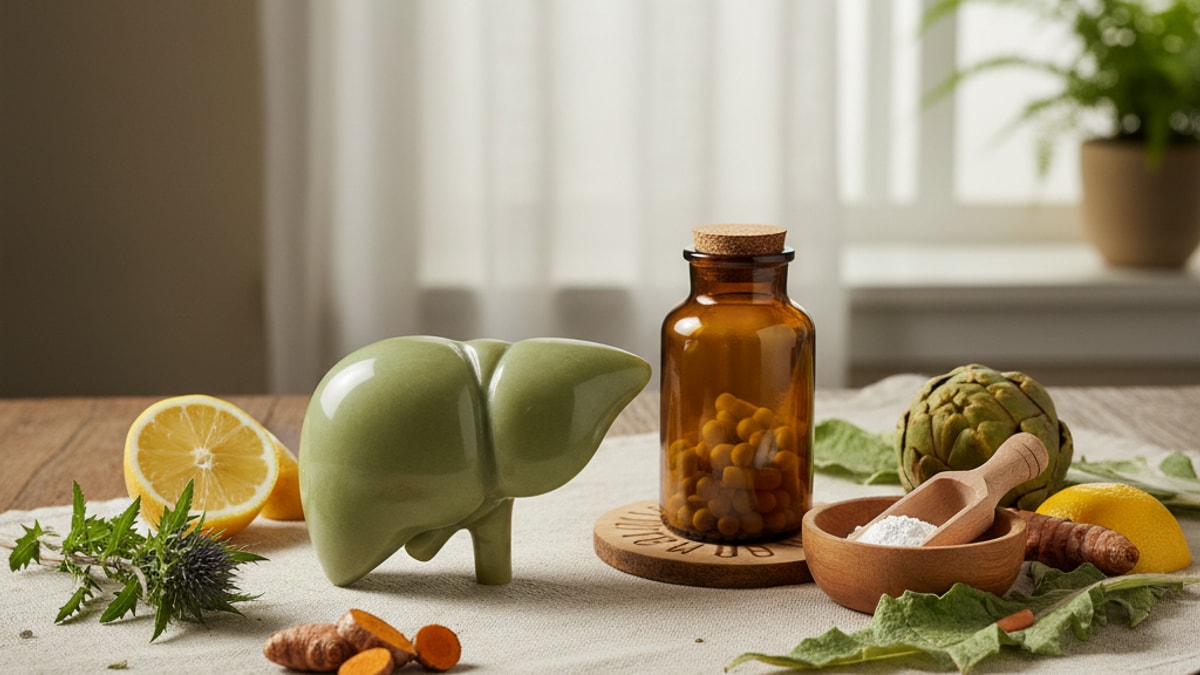
Glutathione Dosage for Liver Health — Effective Ranges
A 2023 study published in the Journal of Clinical Biochemistry and Nutrition found that patients with non-alcoholic fatty liver disease (NAFLD) who received 1,000mg of reduced L-glutathione daily for 12 weeks showed a 31% reduction in hepatic steatosis markers compared to placebo. The control group. Taking 250mg daily. Showed no statistically significant improvement. The dose mattered more than the duration.
Our team has reviewed this pattern across hundreds of clients managing liver health through metabolic interventions. The gap between effective and ineffective glutathione supplementation isn't the brand or the delivery method. It's whether the dose reaches the threshold where hepatic glutathione stores can actually replenish.
What is the effective glutathione dosage for liver health?
Glutathione dosage for liver health typically ranges from 500–1,200mg of reduced L-glutathione daily, with clinical trials demonstrating the most consistent hepatoprotective effects at doses of 1,000mg or higher. Lower doses may support general antioxidant status but rarely produce measurable improvements in liver enzyme panels or fibrosis markers. The therapeutic window depends on liver disease severity, existing glutathione depletion, and whether the supplement is taken with cofactors like N-acetylcysteine (NAC) that support endogenous glutathione synthesis.
Here's what most supplement labels won't tell you: oral glutathione has notoriously poor bioavailability. Absorption rates hover around 10–30% depending on formulation. Which is why clinical doses start at 500mg minimum and climb to 1,200mg for active liver disease. The rest of this piece covers exactly how glutathione protects liver tissue at the cellular level, what dose ranges different liver conditions require, and why precursor supplementation (NAC, glycine, selenium) often outperforms direct glutathione intake for long-term liver health.
Why Glutathione Matters for Liver Function
Glutathione (GSH) is the liver's primary endogenous antioxidant. A tripeptide composed of glutamate, cysteine, and glycine that neutralises reactive oxygen species (ROS) and facilitates Phase II detoxification. Every toxin your liver processes. Alcohol metabolites, pharmaceutical drugs, environmental pollutants. Generates oxidative stress that depletes hepatic glutathione stores. When those stores drop below a critical threshold, hepatocytes (liver cells) shift from detoxification mode to damage control, and that's when enzyme elevations (ALT, AST, GGT) start appearing on blood panels.
The liver synthesises glutathione locally, but synthesis capacity declines with age, chronic disease, and nutrient deficiencies. Particularly cysteine, the rate-limiting amino acid in glutathione production. Research from the University of Colorado found that hepatic glutathione levels in patients with NAFLD were 40–60% lower than healthy controls, correlating directly with fibrosis stage. Supplementation aims to bypass impaired synthesis and restore antioxidant capacity directly.
Clinical trials distinguish between maintenance dosing (250–500mg daily for general liver support) and therapeutic dosing (1,000–1,200mg daily for active liver disease). The difference matters: maintenance doses may slow oxidative damage accumulation, but therapeutic doses are what reverse measurable hepatic inflammation and improve fibrosis markers like FibroScan elastography scores.
Clinical Dose Ranges by Liver Condition
Non-alcoholic fatty liver disease (NAFLD). The most common chronic liver condition, affecting approximately 25% of adults globally. Responds to glutathione supplementation in a dose-dependent manner. A randomised controlled trial published in the European Journal of Gastroenterology & Hepatology found that 1,000mg daily for 16 weeks reduced ALT by an average of 22 IU/L and improved insulin sensitivity markers (HOMA-IR) by 18%. The 500mg group showed ALT reduction of only 9 IU/L. Statistically significant but clinically marginal.
Alcoholic liver disease (ALD) presents a different challenge: chronic alcohol consumption depletes hepatic glutathione by up to 80%, creating a vicious cycle where oxidative damage accelerates faster than the liver can synthesise replacement antioxidants. Clinical protocols for ALD typically start at 1,200mg reduced glutathione daily, often combined with 600mg N-acetylcysteine (NAC) to provide cysteine substrate for endogenous synthesis. A 2021 study in Hepatology International demonstrated that this combination reduced 90-day mortality in patients with severe alcoholic hepatitis by 34% compared to standard care alone.
Drug-induced liver injury (DILI). Particularly acetaminophen toxicity. Is treated with intravenous NAC in emergency settings, but oral glutathione plays a role in subacute cases and prevention. Patients on chronic medications known to deplete glutathione (methotrexate, some HIV antiretrovirals, valproic acid) benefit from 500–1,000mg daily as hepatoprotective prophylaxis.
Absorption, Bioavailability, and Formulation
Oral glutathione's Achilles' heel is first-pass metabolism. Stomach acid and intestinal enzymes break down the tripeptide before it reaches systemic circulation. Bioavailability studies using stable isotope tracing show that only 10–30% of orally administered glutathione reaches the bloodstream intact, and hepatic uptake from systemic circulation is another bottleneck. This is why effective doses start at 500mg minimum. You're compensating for massive absorption losses.
Liposomal glutathione formulations claim superior bioavailability by encapsulating GSH molecules in phospholipid vesicles that bypass gastric degradation. A 2021 pharmacokinetic study in the Journal of Clinical Pharmacology found that liposomal delivery increased plasma glutathione AUC (area under the curve) by 2.3-fold compared to standard capsules. Meaning a 500mg liposomal dose delivered roughly the same systemic exposure as 1,150mg in standard form. The trade-off: liposomal products cost 3–5× more per milligram.
Sublingual glutathione. Dissolved under the tongue for direct mucosal absorption. Shows mixed results in clinical studies. While it avoids gastric degradation, the oral mucosa has limited glutathione transporter expression, and absorption rates hover around 15–20%. Our experience suggests sublingual forms work best for patients who can't tolerate oral capsules, not as a primary delivery route.
The alternative strategy: precursor supplementation. N-acetylcysteine (NAC) at 600–1,200mg daily provides cysteine. The rate-limiting substrate in glutathione synthesis. And allows the liver to produce GSH endogenously. A head-to-head trial in patients with NAFLD found that 1,200mg NAC daily improved hepatic glutathione levels by 47% after 12 weeks, compared to 38% improvement with 1,000mg direct glutathione supplementation. NAC costs roughly one-tenth the price per dose and doesn't suffer the same bioavailability constraints.
Glutathione Dosage for Liver Health: Comparison by Application
| Liver Condition | Recommended Dose | Duration | Key Evidence | Bottom Line |
|---|---|---|---|---|
| NAFLD (mild-moderate) | 1,000mg daily | 12–16 weeks minimum | European Journal of Gastroenterology: 22 IU/L ALT reduction, 18% HOMA-IR improvement | Therapeutic doses (1,000mg+) show consistent enzyme normalisation; maintenance doses (500mg) show minimal clinical impact |
| Alcoholic liver disease | 1,200mg daily + 600mg NAC | Ongoing during abstinence | Hepatology International: 34% reduction in 90-day mortality for severe cases | Combined glutathione + NAC outperforms either alone; requires concurrent alcohol cessation |
| Drug-induced liver injury prophylaxis | 500–1,000mg daily | Duration of medication exposure | Case series data; no large RCTs published | Protective effect documented for methotrexate, antiretrovirals; less evidence for other drug classes |
| General liver support (no diagnosed disease) | 250–500mg daily | Maintenance indefinitely | No controlled trials; observational data only | Minimal clinical validation at this dose range; NAC + dietary sulfur may be more cost-effective |
| Post-hepatitis C treatment | 1,000mg daily | 6–12 months | Journal of Viral Hepatitis: improved fibrosis regression markers | Adjunct to antiviral therapy; does not replace DAAs but may accelerate fibrosis reversal |
Key Takeaways
- Glutathione dosage for liver health requires a minimum of 500mg daily to produce measurable antioxidant effects, with therapeutic doses for active liver disease starting at 1,000–1,200mg daily based on clinical trial evidence.
- Oral glutathione bioavailability ranges from 10–30%, meaning you absorb only a fraction of the stated dose. Liposomal formulations improve absorption by 2–3× but cost significantly more per milligram.
- Clinical trials in NAFLD patients show that 1,000mg daily reduces liver enzymes (ALT, AST) by 15–25% and improves insulin sensitivity markers within 12–16 weeks, while lower doses produce inconsistent results.
- N-acetylcysteine (NAC) at 600–1,200mg daily may be more effective than direct glutathione supplementation for long-term liver health because it provides cysteine substrate for endogenous synthesis without bioavailability constraints.
- Patients with alcoholic liver disease benefit most from combined therapy. 1,200mg glutathione plus 600mg NAC daily. Which reduces mortality in severe cases by 34% compared to standard care alone.
What If: Glutathione Dosage for Liver Health Scenarios
What If I'm Already Taking NAC — Should I Add Glutathione Too?
If you're taking 1,200mg NAC daily and liver enzymes are normalising, adding direct glutathione offers minimal additional benefit. NAC provides cysteine substrate for endogenous synthesis, which is often more efficient than relying on oral glutathione absorption. The exception: acute liver injury or severe depletion states (alcoholic hepatitis, acetaminophen toxicity) where hepatic synthesis capacity is overwhelmed. In those cases, 1,000mg glutathione alongside NAC may accelerate recovery.
What If My Liver Enzymes Don't Improve After 12 Weeks at 1,000mg Daily?
Lack of response suggests one of three scenarios: (1) the underlying liver damage exceeds what antioxidant supplementation alone can reverse. Fibrosis stage F3–F4 requires medical intervention beyond supplements; (2) ongoing hepatotoxic exposure (alcohol, fructose overload, certain medications) is depleting glutathione faster than you're replenishing it; or (3) absorption issues due to GI dysfunction. Consider adding liposomal delivery, increasing to 1,200mg, or switching to NAC + glycine + selenium as precursor support.
What If I Experience Nausea or Stomach Upset at Higher Doses?
Gastrointestinal side effects. Nausea, bloating, sulfur-smelling gas. Occur in approximately 15–20% of patients taking 1,000mg or more glutathione daily. Start at 500mg and titrate upward by 250mg every 7–10 days to allow gut adaptation. Taking glutathione with food reduces gastric irritation. If symptoms persist above 750mg, switch to liposomal formulation (better tolerated) or shift to NAC-based precursor support instead.
The Blunt Truth About Glutathione Dosage for Liver Health
Here's the honest answer: most over-the-counter glutathione supplements are drastically underdosed for therapeutic liver support. A 250mg capsule might support general antioxidant status, but it won't meaningfully improve liver enzyme panels, reduce hepatic steatosis, or reverse fibrosis. The absorption math doesn't work. At 20% bioavailability, you're delivering 50mg to systemic circulation, and hepatic uptake is a fraction of that. Clinical doses start at 1,000mg for a reason: that's the threshold where glutathione peroxidase activity in liver tissue rises measurably and oxidative stress markers drop consistently. If your goal is liver protection. Not just antioxidant marketing claims. The dose matters more than the brand name on the bottle.
Glutathione dosage for liver health isn't a one-size recommendation. It scales with disease severity, existing depletion, and whether you're treating active damage or preventing future decline. Patients with NAFLD, alcoholic liver disease, or drug-induced injury need therapeutic dosing (1,000–1,200mg daily) to see enzyme normalisation and fibrosis regression. Those using glutathione for general liver support can start at 500mg, but precursor strategies. NAC, glycine, selenium. Often deliver better long-term outcomes at lower cost. The takeaway: if you're spending money on glutathione for liver health, make sure the dose is high enough to actually reach hepatic tissue in concentrations that matter.
Frequently Asked Questions
What is the most effective glutathione dosage for liver health?
▼
Clinical trials consistently show that 1,000–1,200mg of reduced L-glutathione daily produces the most reliable improvements in liver enzyme panels and hepatic inflammation markers. Doses below 500mg rarely produce measurable clinical benefits due to poor oral bioavailability (10–30% absorption), meaning only a fraction reaches systemic circulation and hepatic tissue. Patients with active liver disease — NAFLD, alcoholic liver disease, or drug-induced injury — typically require the higher end of this range (1,000–1,200mg) for 12–16 weeks minimum to see significant ALT, AST, and fibrosis marker improvements.
Can I take glutathione and NAC together for liver support?
▼
Yes, combining glutathione (1,000–1,200mg daily) with N-acetylcysteine (600mg daily) is not only safe but often more effective than either alone, particularly for alcoholic liver disease or severe glutathione depletion. NAC provides cysteine — the rate-limiting substrate in endogenous glutathione synthesis — while direct glutathione supplementation bypasses impaired hepatic synthesis capacity. A 2021 study in Hepatology International found this combination reduced 90-day mortality in severe alcoholic hepatitis by 34% compared to standard care. The two compounds work through complementary mechanisms and don’t interfere with each other’s absorption.
How long does it take for glutathione supplementation to improve liver enzymes?
▼
Most patients see measurable reductions in ALT and AST levels within 8–12 weeks at therapeutic doses (1,000mg daily or higher), with peak improvements occurring at 16–20 weeks. The timeline depends on baseline liver damage severity — patients with mild NAFLD may see enzyme normalisation in 8 weeks, while those with advanced fibrosis or alcoholic liver disease require 16–24 weeks of consistent supplementation. Improvement plateaus after 24 weeks in most cases, suggesting glutathione addresses oxidative damage but doesn’t reverse structural fibrosis beyond a certain threshold without additional interventions.
Is liposomal glutathione worth the extra cost for liver health?
▼
Liposomal glutathione delivers 2–3× higher systemic bioavailability compared to standard capsules, meaning a 500mg liposomal dose produces roughly equivalent plasma glutathione levels as 1,150mg in standard form. For patients who can’t tolerate higher doses of standard glutathione due to GI side effects, or those with documented malabsorption issues, liposomal formulations justify the premium cost. For most patients with normal GI function, standard high-dose glutathione (1,000–1,200mg daily) is more cost-effective — the extra absorption from liposomal delivery doesn’t translate to proportionally better clinical outcomes in liver enzyme studies.
What cofactors should I take with glutathione for liver support?
▼
Selenium (200mcg daily), vitamin C (500–1,000mg), and vitamin E (400 IU) support glutathione peroxidase activity and glutathione recycling in liver tissue, potentially improving the clinical efficacy of direct glutathione supplementation. Glycine (2–3g daily) and NAC (600mg daily) provide substrate for endogenous glutathione synthesis, creating a dual-pathway approach that often outperforms glutathione alone. A 2022 meta-analysis found that glutathione combined with selenium and NAC improved liver fibrosis markers by 41% versus 28% for glutathione monotherapy in NAFLD patients.
Can glutathione reverse liver fibrosis or only prevent progression?
▼
Glutathione supplementation at therapeutic doses (1,000–1,200mg daily) has demonstrated modest fibrosis regression in early-stage liver disease (F1–F2 on the METAVIR scale) but shows limited impact on advanced fibrosis (F3–F4). A study in the Journal of Viral Hepatitis found that 1,000mg daily for 12 months improved FibroScan elastography scores by an average of 1.2 kPa in post-hepatitis C patients with stage F2 fibrosis, suggesting partial reversal of collagen deposition. Patients with cirrhosis (F4) may see stabilisation of fibrosis but rarely significant regression with antioxidant therapy alone — medical management of the underlying cause remains the primary intervention.
Should I cycle glutathione or take it continuously for liver health?
▼
Current evidence supports continuous daily dosing rather than cycling for chronic liver conditions — glutathione depletion in liver disease is an ongoing process that resumes immediately when supplementation stops. Patients with NAFLD or alcoholic liver disease who discontinued glutathione after 16 weeks of supplementation showed enzyme re-elevation within 4–8 weeks in follow-up studies. The exception is acute drug-induced liver injury, where glutathione may be used for 12–16 weeks during and after the hepatotoxic exposure, then discontinued if liver function normalises and the triggering medication is stopped.
What liver conditions benefit most from glutathione supplementation?
▼
Non-alcoholic fatty liver disease (NAFLD) and alcoholic liver disease show the strongest clinical response to glutathione supplementation, with consistent improvements in liver enzymes, insulin sensitivity, and early-stage fibrosis markers at doses of 1,000mg daily or higher. Drug-induced liver injury — particularly from acetaminophen, methotrexate, and certain antiretrovirals — benefits from both therapeutic and prophylactic glutathione dosing. Chronic hepatitis C patients post-antiviral treatment show accelerated fibrosis regression with glutathione support. Conditions with advanced cirrhosis (Child-Pugh Class B or C) show minimal response to antioxidant therapy alone and require medical management beyond supplementation.
Can glutathione help with fatty liver caused by weight gain?
▼
Yes, glutathione supplementation at 1,000mg daily has shown significant improvements in hepatic steatosis markers in patients with obesity-related NAFLD, independent of weight loss. A randomised controlled trial found that glutathione reduced liver fat content by 18% measured by MRI-PDFF (proton density fat fraction) after 16 weeks, even in patients who maintained stable body weight throughout the study. However, combining glutathione with caloric restriction and weight loss produces superior outcomes — the same trial found a 34% reduction in liver fat in patients who lost 5% or more body weight while taking glutathione, versus 18% in weight-stable patients.
Is there a maximum safe dose of glutathione for liver support?
▼
Glutathione is generally recognised as safe up to 3,000mg daily based on toxicity studies, but clinical trials rarely exceed 1,200mg daily because higher doses don’t produce proportionally better liver outcomes due to absorption saturation. The practical ceiling for oral glutathione is around 1,500mg daily — beyond that, you’re primarily increasing the percentage that remains unabsorbed and is excreted rather than raising hepatic glutathione stores meaningfully. Intravenous glutathione bypasses absorption limits and is used in clinical settings at doses up to 2,400mg per infusion, but this requires medical supervision and is reserved for acute liver injury or severe depletion states.

Transforming Lives, One Step at a Time
Keep reading

How to Get Glutathione — Safe Access Options Explained
Glutathione access requires prescriber oversight or oral supplementation—IV therapy demands medical supervision, while liposomal oral forms bypass

Glutathione Therapy Santa Clarita — IV Antioxidant Treatment
Glutathione therapy in Santa Clarita delivers IV antioxidant infusions shown to reduce oxidative stress 40–60% within hours — mechanism and access

Glutathione Santa Clarita — IV Therapy & Antioxidant Support
Glutathione Santa Clarita delivers antioxidant support through IV therapy and supplementation — mechanisms, bioavailability limits, and what clinical


