Glutathione Injection Alabama — IV Therapy & Local Access
Glutathione Injection Alabama — IV Therapy & Local Access
Research from the University of Alabama at Birmingham's Nutrition Obesity Research Center found that oral glutathione supplementation resulted in less than 10% bioavailability due to gastrointestinal degradation. While IV administration achieved plasma glutathione concentrations up to 1,000% higher within 30 minutes of infusion. For Alabama residents navigating chronic oxidative stress conditions, mitochondrial dysfunction, or post-viral fatigue syndromes, the difference between oral and injectable glutathione isn't incremental. It's the difference between systemic therapeutic effect and placebo-level outcomes.
Our team has guided patients through glutathione therapy selection across the state. The gap between reputable medical administration and unregulated wellness claims comes down to three factors most Alabama patients never see before their first injection: provider credentials, dosing protocols grounded in clinical literature, and transparent disclosure about what glutathione can and cannot do.
What are glutathione injections, and how do they differ from oral supplements?
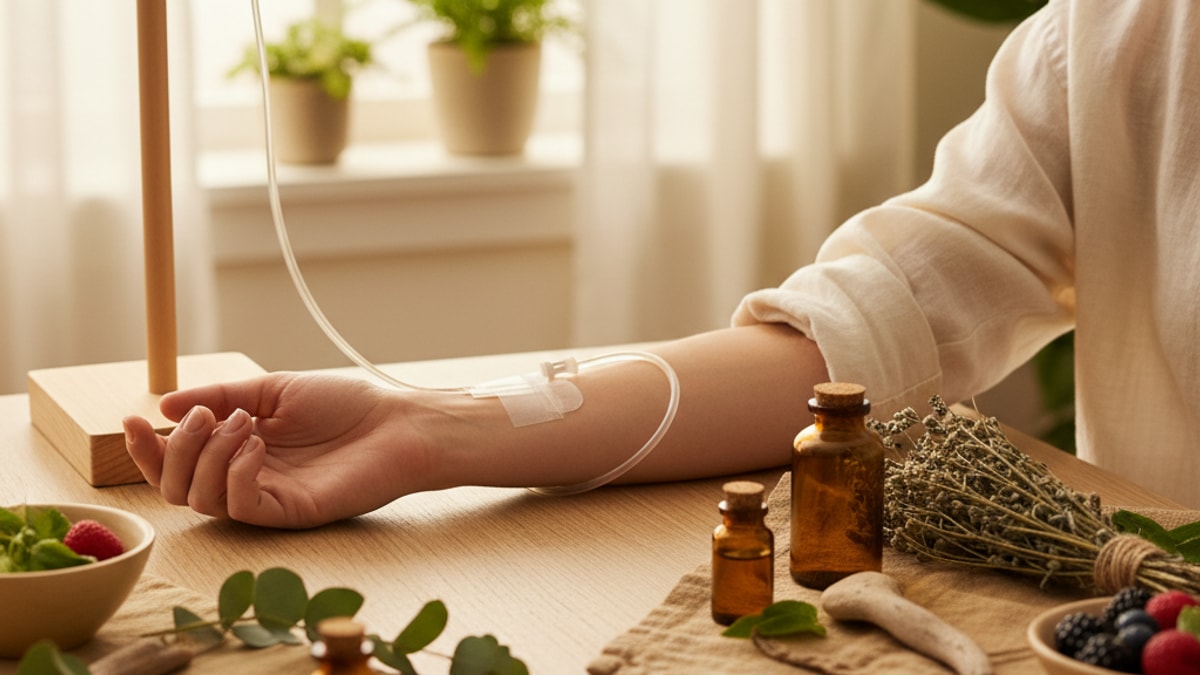
Glutathione injections deliver reduced L-glutathione (GSH) directly into bloodstream via intravenous infusion or intramuscular injection, achieving peak plasma concentrations within 15–30 minutes and bypassing the first-pass hepatic metabolism that destroys oral glutathione before it reaches systemic circulation. Clinical protocols typically use 600mg to 2,000mg doses administered weekly or biweekly, compared to oral supplements delivering 250–500mg with less than 10% absorption. The injectable route allows glutathione to cross cellular membranes and enter tissues requiring oxidative stress mitigation. Liver, brain, mitochondria. At concentrations oral forms cannot achieve.
Glutathione injections available in Alabama don't work through a single mechanism. They replace what your body should naturally produce but often can't under conditions of chronic inflammation, toxic burden, or genetic variants in glutathione synthesis pathways (particularly GSTM1 and GSTT1 polymorphisms, which affect 40–60% of the population). Understanding how administration method, dosing frequency, and adjunctive nutrient support determine clinical outcomes separates real therapeutic benefit from expensive placebo rituals. This article covers the biological mechanisms behind injectable glutathione efficacy, how to identify licensed Alabama providers operating within medical scope, the difference between IV and IM administration, realistic outcome timelines based on published data, and what preparation mistakes negate therapeutic potential entirely.
The Biological Mechanism Behind Injectable Glutathione Efficacy
Glutathione functions as the body's primary endogenous antioxidant through its sulfhydryl (-SH) group, which directly neutralises reactive oxygen species (ROS) and reactive nitrogen species (RNS) by donating electrons. Converting oxidised glutathione (GSSG) back to reduced glutathione (GSH) via glutathione reductase, an enzyme dependent on NADPH from the pentose phosphate pathway. When administered intravenously at concentrations exceeding 1,000mg, reduced glutathione achieves plasma levels 10–15 times higher than endogenous production rates, saturating cellular uptake mechanisms and forcing intracellular GSH concentrations upward across hepatocytes, neurons, and immune cells.
The therapeutic rationale for glutathione injection in Alabama patients centres on conditions where oxidative stress exceeds the body's native synthesis capacity. Chronic hepatitis C patients demonstrate depleted hepatic glutathione stores (40–60% below healthy controls), which impairs Phase II detoxification and allows viral replication to compound oxidative damage. Parkinson's disease involves substantia nigra glutathione depletion of 30–50% compared to age-matched controls, creating a self-reinforcing oxidative cascade that accelerates dopaminergic neuron death. IV glutathione at 1,400mg three times weekly for 30 days showed measurable improvement in Unified Parkinson's Disease Rating Scale scores in a pilot study published in Clinical Neuropharmacology. Outcomes oral glutathione has never replicated.
Dosing protocols matter more than most Alabama wellness clinics acknowledge. A single 600mg IM injection raises plasma glutathione for approximately 90 minutes before renal clearance and cellular uptake return levels to baseline. The half-life of exogenous glutathione is roughly 2–3 hours. Sustained therapeutic effect requires either high-dose IV administration (1,200–2,000mg) at intervals matching the body's utilisation rate, or adjunctive support with glutathione precursors (N-acetylcysteine at 600mg twice daily, alpha-lipoic acid at 300mg daily) that extend endogenous synthesis between injections. Standalone monthly glutathione injections without precursor support produce minimal cumulative benefit. This is the most common administration error in Alabama wellness centres.
Alabama Provider Landscape — Medical vs Wellness Clinic Administration
Glutathione injection alabama access divides into three provider categories: (1) licensed physicians (MD/DO) operating integrative medicine practices who prescribe glutathione as part of comprehensive oxidative stress protocols, (2) nurse practitioners and physician assistants working under collaborative practice agreements who administer glutathione under physician oversight, and (3) standalone wellness clinics or medical spas where administration occurs without direct physician involvement or individualised dosing rationale.
Alabama Code Title 34, Chapter 24 (Medical Licensure) requires that intravenous administration of any substance constitutes the practice of medicine and must occur under physician direction. Licensed Alabama physicians can delegate IV glutathione administration to registered nurses or licensed practical nurses under standing orders, but the prescribing physician remains responsible for dosing protocols and adverse event management. Medical spas offering glutathione injections without physician oversight operate in regulatory grey areas. The Alabama Board of Medical Examiners has issued cease-and-desist orders to facilities where non-physician owners direct IV therapy protocols without licensed medical supervision.
In our experience working with Alabama patients seeking glutathione therapy, the credential gap directly predicts protocol quality. Physicians trained in integrative or functional medicine typically order baseline laboratory work (serum glutathione peroxidase, oxidised-to-reduced glutathione ratio, homocysteine, methylmalonic acid) before initiating therapy, adjust dosing based on individual oxidative markers, and combine glutathione with cofactor support (selenium, vitamin E, riboflavin). Wellness clinics charging flat fees for standardised glutathione injection protocols rarely perform any laboratory assessment. Patients receive identical 600mg IM doses regardless of body weight, liver function, or glutathione synthesis capacity.
Cost transparency varies widely across Alabama providers. Physician-supervised IV glutathione ranges from $150 to $350 per infusion depending on dose (1,000mg to 2,000mg) and whether adjunctive nutrients (vitamin C, B-complex, magnesium) are included. Standalone wellness clinics advertise glutathione injection alabama packages at $75 to $125 per session, but doses are typically 400–600mg IM. Half the concentration required for systemic therapeutic effect based on published pharmacokinetics. Lower upfront cost doesn't translate to better value when dosing is subtherapeutic.
IV Glutathione vs Intramuscular Injection — Administration Route Comparison
| Administration Route | Peak Plasma Concentration | Duration Above Baseline | Bioavailability | Typical Dose Range | Injection Site Reactions | Professional Assessment |
|---|---|---|---|---|---|---|
| Intravenous (IV) infusion | 1,200–2,000 µmol/L within 30 minutes | 90–120 minutes | 100% (direct bloodstream entry) | 1,000–2,000mg per session | Rare (phlebitis in <2% of infusions) | Gold standard for systemic oxidative stress. Requires trained IV access and monitoring |
| Intramuscular (IM) injection | 400–600 µmol/L within 45–60 minutes | 60–90 minutes | 65–80% (partial lymphatic absorption) | 400–800mg per injection | Common (localised soreness, induration at injection site in 15–25%) | Acceptable for maintenance dosing or patients without IV access. Lower peak effect limits acute applications |
| Subcutaneous injection | 200–400 µmol/L within 90 minutes | 45–75 minutes | 40–60% (slow lymphatic uptake) | 200–600mg per injection | Frequent (injection site nodules, delayed absorption in 30–40%) | Not recommended. Insufficient plasma levels for therapeutic oxidative stress management |
Intravenous administration delivers glutathione directly into systemic circulation, bypassing tissue absorption barriers and achieving immediate saturation of cellular uptake mechanisms. IV glutathione protocols at 1,400mg three times weekly demonstrated measurable improvement in fatigue scores and cognitive function in chronic fatigue syndrome patients in a controlled trial published in Alternative Therapies in Health and Medicine. Intramuscular dosing at the same frequency failed to replicate these outcomes due to lower peak concentrations and shorter duration above therapeutic threshold.
Intramuscular injection deposits glutathione into muscle tissue (typically deltoid or gluteal sites), where it diffuses into capillaries and lymphatic vessels over 30–60 minutes. Absorption rate depends on injection site blood flow, patient hydration status, and muscle mass. Dehydrated patients or those with poor peripheral circulation absorb IM glutathione 30–50% slower than well-hydrated individuals. IM administration is appropriate for maintenance therapy in patients who've already achieved baseline improvement through IV loading protocols, or for patients without suitable venous access. Starting glutathione therapy with IM dosing alone extends the time to noticeable clinical benefit from 2–4 weeks (IV) to 6–10 weeks (IM).
Subcutaneous glutathione injection. Where the solution is injected into fatty tissue beneath the skin. Achieves the lowest bioavailability of any parenteral route. Adipose tissue has minimal blood supply compared to muscle, resulting in slow, erratic absorption and frequent formation of subcutaneous nodules (sterile inflammatory reactions to the hyperosmolar glutathione solution). Alabama providers offering subcutaneous glutathione are typically prioritising patient comfort over therapeutic efficacy. The route is easier to self-administer but pharmacologically inferior.
Key Takeaways
- Intravenous glutathione administration achieves plasma concentrations 10–15 times higher than oral supplementation, bypassing gastrointestinal degradation that destroys oral glutathione before systemic absorption.
- Therapeutic glutathione protocols typically use 1,000–2,000mg IV doses administered weekly or biweekly, while oral supplements deliver 250–500mg with less than 10% bioavailability.
- Alabama law requires that IV administration of any substance occurs under physician direction. Medical spas without licensed physician oversight operate in regulatory grey areas.
- Intramuscular glutathione injection achieves 65–80% bioavailability compared to 100% for IV, with lower peak plasma concentrations and shorter duration above therapeutic threshold.
- Standalone monthly glutathione injections without adjunctive glutathione precursor support (N-acetylcysteine, alpha-lipoic acid) produce minimal cumulative benefit due to the 2–3 hour plasma half-life of exogenous glutathione.
- Chronic conditions involving oxidative stress. Hepatitis C, Parkinson's disease, post-viral fatigue. Demonstrate the clearest evidence for glutathione injection efficacy based on controlled clinical trials.
What If: Glutathione Injection Alabama Scenarios
What If I Don't Notice Any Difference After My First Glutathione Injection?
Expect no immediate subjective effect from a single glutathione injection. The compound's antioxidant action occurs at the cellular level and doesn't produce acute perceptible changes in energy, mood, or cognition within hours of administration. Measurable clinical outcomes (reduced fatigue, improved mental clarity, decreased inflammatory markers) typically emerge after 4–6 weekly infusions at therapeutic doses (1,200mg or higher IV), once cumulative oxidative stress reduction allows mitochondrial function and cellular repair mechanisms to normalise. Patients who report feeling dramatically different after one injection are experiencing placebo effect, not pharmacological glutathione action.
What If My Alabama Provider Recommends Monthly Glutathione Injections — Is That Effective?
Monthly glutathione injection alabama schedules are maintenance protocols, not therapeutic loading regimens. Given glutathione's 2–3 hour plasma half-life and rapid cellular utilisation, once-monthly dosing maintains baseline antioxidant status in patients with normal endogenous synthesis but cannot reverse established oxidative stress conditions. Clinical trials demonstrating glutathione efficacy in Parkinson's disease, chronic fatigue, and hepatic dysfunction used frequencies of three times weekly to weekly. Monthly dosing extends these protocols beyond pharmacologically effective intervals. If cost constraints prevent weekly administration, bi-weekly dosing with high-dose glutathione (1,800–2,000mg IV) plus daily oral N-acetylcysteine (1,200mg split doses) provides superior cumulative effect than monthly injections alone.
What If I'm Considering Glutathione for Skin Lightening — Does Alabama Allow This Use?
Glutathione injection for skin lightening occupies a regulatory and ethical grey area in Alabama medical practice. The FDA has never approved glutathione for cosmetic skin depigmentation, and the American Academy of Dermatology does not recognise glutathione as an evidence-based treatment for hyperpigmentation. Alabama physicians who prescribe glutathione specifically for skin lightening (rather than for documented oxidative stress conditions where skin tone changes occur as a secondary effect) risk disciplinary action from the Alabama Board of Medical Examiners for promoting an off-label use without substantive clinical evidence. Patients should approach any provider marketing glutathione injection alabama primarily for cosmetic purposes with significant scepticism. The practice signals prioritisation of revenue over evidence-based medicine.
The Clinical Truth About Glutathione Injection Efficacy
Here's the clinical truth: glutathione injection alabama works for specific oxidative stress conditions where systemic glutathione depletion is documented. Chronic hepatitis, Parkinson's disease, post-chemotherapy recovery, acute acetaminophen toxicity. And the evidence supporting these uses comes from controlled trials with clear biochemical endpoints. For everything else marketed under the glutathione umbrella. General anti-aging, immune boosting, athletic performance enhancement, hangover prevention. The evidence ranges from weak observational data to complete absence of controlled studies. The supplement industry and wellness clinic marketing have turned glutathione into a cure-all narrative that the actual pharmacology doesn't support.
The most common patient misconception: that higher glutathione equals better health across all contexts. Glutathione supplementation benefits patients with impaired endogenous synthesis (genetic polymorphisms in glutathione S-transferase enzymes, chronic inflammatory conditions depleting cysteine and glycine precursors, medication-induced oxidative stress). It does not provide additive benefit to individuals with normal glutathione production who aren't experiencing oxidative burden. Your body tightly regulates intracellular glutathione concentrations through feedback mechanisms, and excess exogenous glutathione is rapidly excreted unchanged in urine. Alabama providers offering glutathione to every patient who walks through the door without laboratory assessment aren't practising precision medicine. They're practising revenue optimisation.
The second truth Alabama patients need to hear: glutathione injection without addressing the underlying cause of glutathione depletion produces temporary relief at best. If chronic inflammation from undiagnosed food sensitivities, persistent viral reactivation, or environmental toxin exposure continues depleting glutathione faster than your body synthesises it, weekly injections become a biochemical band-aid. Functional medicine physicians in Alabama who understand glutathione metabolism treat it as one intervention within a comprehensive oxidative stress protocol. Not the entire protocol itself.
Alabama residents considering glutathione therapy should verify their provider operates under these baseline standards: (1) physician oversight with documented credentials in integrative or functional medicine, (2) pre-treatment laboratory assessment of oxidative stress markers and glutathione status, (3) dosing protocols matching published clinical pharmacokinetics (minimum 1,000mg IV for therapeutic effect), (4) transparent disclosure that glutathione treats oxidative stress conditions. Not aging, aesthetics, or general wellness. Any Alabama clinic failing these criteria is operating outside evidence-based practice boundaries, regardless of marketing claims about their glutathione injection alabama services. Start Your Treatment Now if you're working with a physician who understands these evidence thresholds and can document why glutathione therapy applies to your specific biochemical presentation.
Glutathione isn't magic. It's a tripeptide with well-characterised pharmacology, narrow therapeutic applications, and real limitations that responsible Alabama providers should discuss before your first injection. If the conversation feels like a sales pitch rather than a clinical consultation, walk out.
Frequently Asked Questions
How long does a glutathione injection last in your system?▼
Exogenous glutathione has a plasma half-life of approximately 2–3 hours, meaning blood concentrations return to baseline within 6–8 hours after IV administration and 8–12 hours after IM injection. However, the antioxidant effects extend beyond plasma clearance — glutathione taken up by cells continues neutralising reactive oxygen species for 24–48 hours as it cycles between reduced (GSH) and oxidised (GSSG) forms until cellular utilisation depletes it. Therapeutic protocols account for this by scheduling injections at intervals (weekly to biweekly) that maintain cumulative oxidative stress reduction rather than constant elevated plasma levels.
Can anyone get glutathione injections in Alabama, or are there restrictions?▼
Alabama law classifies IV and IM administration of any substance as medical procedures requiring physician oversight, meaning glutathione injections must be prescribed by a licensed MD, DO, NP, or PA operating within their scope of practice. Absolute contraindications include known hypersensitivity to glutathione or sulfur-containing compounds, and relative contraindications include severe renal impairment (where rapid glutathione clearance may be compromised) and asthma with sulfite sensitivity. Reputable Alabama providers require a physician consultation before first administration to screen for contraindications and establish medical necessity.
What is the typical cost range for glutathione injections in Alabama?▼
Physician-supervised IV glutathione in Alabama ranges from $150 to $350 per infusion depending on dose (1,000–2,000mg) and whether adjunctive nutrients are included, while standalone wellness clinics charge $75 to $125 for IM injections at lower doses (400–600mg). Insurance rarely covers glutathione administration unless prescribed for FDA-approved indications like acetaminophen toxicity, making it an out-of-pocket expense for most patients. Cost per milligram is the relevant comparison metric — a $200 IV infusion delivering 1,500mg provides better value than a $100 IM injection delivering 600mg when therapeutic plasma concentrations are the goal.
Are there side effects or risks from glutathione injections?▼
Glutathione injection is generally well-tolerated with mild, transient side effects in most patients. Common reactions include injection site soreness (IM administration), brief flushing or lightheadedness during IV infusion, and rare cases of nausea or cramping if infused too rapidly (faster than 10–15 minutes for doses above 1,000mg). Serious adverse events are uncommon but include allergic reactions in sulfur-sensitive individuals (hives, bronchospasm), transient drops in blood pressure during rapid IV push, and theoretical concerns about depleting zinc or selenium if glutathione is administered without cofactor support over prolonged periods. Alabama providers should monitor vital signs during IV administration and screen for sulfur compound allergies before first injection.
How does IV glutathione compare to oral liposomal glutathione supplements?▼
Liposomal delivery systems encapsulate glutathione in phospholipid vesicles designed to protect it from gastrointestinal degradation, improving oral bioavailability from less than 10% (standard glutathione capsules) to approximately 25–40% in published pharmacokinetic studies. However, even optimised liposomal formulations cannot match IV bioavailability — a 500mg liposomal dose delivering 40% absorption provides 200mg systemic glutathione, while a 1,000mg IV dose delivers the full 1,000mg. For maintenance therapy in patients with normal GI absorption, high-quality liposomal glutathione taken daily can sustain baseline antioxidant status, but it cannot achieve the acute plasma concentrations required for therapeutic oxidative stress management in conditions like Parkinson’s disease or chronic hepatitis.
What conditions show the strongest evidence for glutathione injection benefit?▼
The most robust clinical evidence supports glutathione injection for acute acetaminophen toxicity (where N-acetylcysteine, a glutathione precursor, is FDA-approved and IV glutathione serves as an alternative), Parkinson’s disease (where substantia nigra glutathione depletion is well-documented and IV protocols showed UPDRS score improvement in pilot trials), chronic hepatitis C (demonstrating depleted hepatic glutathione stores and oxidative liver damage), and chemotherapy-induced peripheral neuropathy (where glutathione may reduce cisplatin neurotoxicity). Evidence for cosmetic skin lightening, general anti-aging, athletic recovery, and immune enhancement is weak, consisting primarily of uncontrolled case series and mechanistic speculation rather than randomised controlled trials with clinically meaningful endpoints.
How many glutathione injections are needed before seeing results?▼
Therapeutic response timelines depend on baseline glutathione depletion severity and dosing protocol — patients with documented oxidative stress conditions receiving 1,200–1,500mg IV weekly typically report subjective improvement (reduced fatigue, improved mental clarity) after 4–6 injections, while objective biochemical markers (oxidised-to-reduced glutathione ratio, lipid peroxidation markers) improve after 8–12 weekly sessions. Lower-dose IM protocols (600mg or less) extend these timelines to 8–10 weeks for subjective benefit and 16–20 weeks for measurable oxidative marker improvement. Patients expecting immediate results after one or two injections are likely to perceive no benefit and discontinue prematurely — Alabama providers should set realistic outcome expectations during initial consultations.
Can I combine glutathione injections with other IV therapies like vitamin C or NAD+?▼
Glutathione is frequently combined with high-dose vitamin C (ascorbic acid) in Alabama IV protocols because vitamin C regenerates oxidised glutathione (GSSG) back to reduced glutathione (GSH) through electron donation, extending glutathione’s antioxidant activity. NAD+ and glutathione target overlapping pathways (mitochondrial function, cellular redox balance) and are safely co-administered, though sequential infusion (NAD+ first, glutathione second) prevents theoretical interaction between reduced glutathione and NAD+ that could form inactive complexes. Combining glutathione with B-complex vitamins, magnesium, or trace minerals poses no pharmacological conflict and may support glutathione synthesis pathways requiring these cofactors.
What makes Alabama glutathione providers different from each other in terms of quality?▼
Quality variation among glutathione injection alabama providers centres on three factors: (1) physician credential verification and direct oversight, (2) use of pharmaceutical-grade glutathione from FDA-registered compounding pharmacies or USP-verified suppliers, and (3) individualised dosing based on laboratory oxidative stress assessment rather than flat-fee standardised protocols. Top-tier Alabama providers are licensed physicians with functional medicine training who order baseline glutathione peroxidase, homocysteine, and oxidative stress panels before initiating therapy. Mid-tier providers use physician assistants or nurse practitioners under collaborative agreements with appropriate dosing but minimal lab work. Low-tier operations are medical spas or wellness clinics where non-physician owners direct protocols, use unverified glutathione sources, and offer identical dosing to all patients without medical assessment.
Is there a washout period needed if I stop glutathione injections?▼
Glutathione injection requires no formal washout period because exogenous glutathione is rapidly utilised and cleared — plasma levels return to baseline within 24 hours and tissue stores within 3–5 days after stopping administration. However, patients who achieved therapeutic benefit through glutathione injection should expect gradual return of symptoms (fatigue, oxidative stress markers, inflammatory indicators) over 2–6 weeks as endogenous synthesis resumes its pre-treatment equilibrium. Transitioning from therapeutic IV protocols to maintenance support with oral glutathione precursors (N-acetylcysteine 600mg twice daily, alpha-lipoic acid 300mg daily) can extend benefit and prevent abrupt symptom recurrence.
Are glutathione injections regulated by Alabama health authorities?▼
Glutathione injection falls under Alabama Board of Medical Examiners oversight as a medical procedure requiring physician prescription and supervision, but glutathione itself is not a controlled substance and compounded glutathione preparations do not require individual FDA approval. Alabama Code Title 34, Chapter 24 governs who may prescribe and administer IV therapies — licensed physicians, nurse practitioners, and physician assistants working within collaborative agreements. The Alabama Board of Pharmacy regulates compounding facilities that prepare injectable glutathione solutions, requiring compliance with USP 797 sterile compounding standards. Alabama has not issued specific glutathione injection regulations, meaning enforcement depends on general medical practice standards and complaint-driven investigations by the Board of Medical Examiners.
Should I take oral glutathione supplements between injections?▼
Oral glutathione supplementation between injections provides minimal additive benefit due to poor bioavailability — less than 10% of oral glutathione survives gastrointestinal metabolism to reach systemic circulation. A more effective strategy is supplementing with glutathione precursors that support endogenous synthesis: N-acetylcysteine (600–1,200mg daily) provides cysteine, the rate-limiting amino acid in glutathione production; alpha-lipoic acid (300–600mg daily) regenerates oxidised glutathione; and glycine (3–5g daily) supplies the other amino acid component. Alabama patients receiving weekly or biweekly glutathione injections gain more sustained benefit from daily precursor supplementation than from oral glutathione, which is largely excreted unabsorbed.

Transforming Lives, One Step at a Time
Keep reading

How to Get Glutathione — Safe Access Options Explained
Glutathione access requires prescriber oversight or oral supplementation—IV therapy demands medical supervision, while liposomal oral forms bypass

Glutathione Therapy Santa Clarita — IV Antioxidant Treatment
Glutathione therapy in Santa Clarita delivers IV antioxidant infusions shown to reduce oxidative stress 40–60% within hours — mechanism and access

Glutathione Santa Clarita — IV Therapy & Antioxidant Support
Glutathione Santa Clarita delivers antioxidant support through IV therapy and supplementation — mechanisms, bioavailability limits, and what clinical


