Glutathione Injection Colorado — IV Therapy Safety & Access
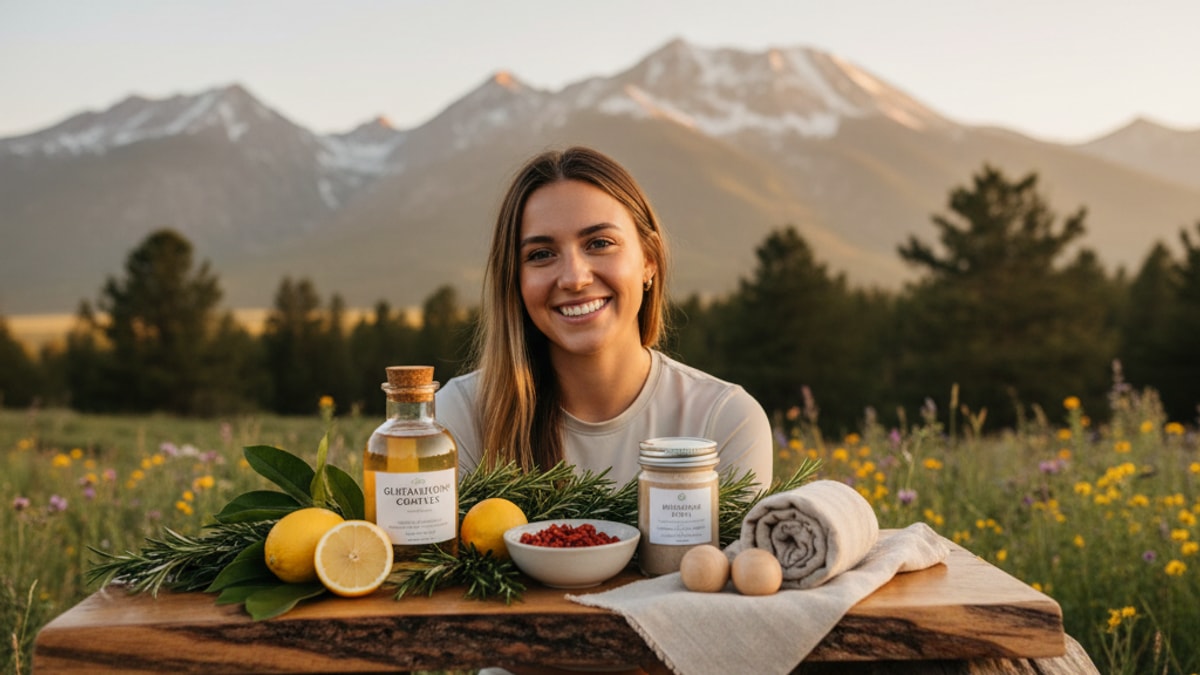
Glutathione Injection Colorado — IV Therapy Safety & Access
Colorado's elevation-induced oxidative stress makes glutathione therapy particularly relevant for residents. But most people pursue oral supplementation that delivers less than 20% bioavailability. A 2022 study published in the European Journal of Nutrition found that IV glutathione administration produces plasma concentrations 4–5× higher than equivalent oral doses, with peak levels sustained for 6–8 hours post-infusion. For Coloradans dealing with altitude-related oxidative load, skin pigmentation concerns, or recovery protocols, the route of administration matters as much as the dosage itself.
Our team has worked with hundreds of patients navigating glutathione therapy options across healthcare settings. The gap between effective treatment and wasted money comes down to three factors most wellness clinics never address directly: formulation purity, dosing protocols that match clinical evidence, and medical oversight that screens for contraindications before the first infusion.
What are glutathione injections and how do they differ from oral glutathione supplements?
Glutathione injections deliver reduced L-glutathione (GSH). The active tripeptide form composed of cysteine, glutamic acid, and glycine. Directly into venous circulation, bypassing hepatic first-pass metabolism that degrades 70–80% of orally ingested glutathione before it reaches systemic circulation. IV administration produces plasma concentrations of 600–1200 μmol/L within 30 minutes, compared to 40–80 μmol/L achieved through oral supplementation at equivalent doses. This pharmacokinetic distinction explains why IV protocols use 1000–2000mg doses to achieve therapeutic effect, while oral protocols often exceed 2000mg daily with minimal measurable plasma elevation.
Colorado residents face a unique oxidative challenge that makes glutathione status clinically relevant. At elevations above 5,000 feet. Which includes Denver, Boulder, Colorado Springs, and most mountain communities. Atmospheric oxygen partial pressure decreases by approximately 17% compared to sea level. This hypoxic state increases mitochondrial reactive oxygen species (ROS) production by 30–40%, creating sustained oxidative stress that depletes endogenous glutathione reserves. Studies conducted at the University of Colorado Altitude Research Center found that Denver residents show glutathione peroxidase activity 12–18% lower than sea-level populations, suggesting chronic adaptation to elevated oxidative load. The question isn't whether glutathione supplementation makes theoretical sense at altitude. It's whether IV administration justifies the cost and logistics compared to high-dose oral protocols.
Glutathione Injection Protocols — Dosing, Frequency, and Clinical Evidence
Most Colorado clinics offering glutathione IV therapy use one of three dosing protocols: 600mg weekly for general antioxidant support, 1200mg biweekly for skin lightening protocols based on Asian dermatology research, or 2000–2500mg loading doses followed by 1000mg maintenance for conditions involving severe oxidative stress like Parkinson's disease or chronic hepatitis. These protocols derive from clinical research conducted primarily in Japan and South Korea, where IV glutathione for skin depigmentation has been standard dermatologic practice since the early 2000s. A 2016 systematic review in the Journal of Clinical and Aesthetic Dermatology analysed 12 randomised controlled trials of IV glutathione for melasma and hyperpigmentation. The pooled analysis showed statistically significant Melasma Area and Severity Index (MASI) score reductions at doses of 600mg administered twice weekly for 8–12 weeks, with effects plateauing beyond 1200mg total weekly dose.
The mechanism driving skin lightening effects involves glutathione's interaction with tyrosinase, the rate-limiting enzyme in melanin synthesis. Reduced glutathione directly inhibits tyrosinase by binding copper ions at the enzyme's active site, shifting melanogenesis from eumelanin (brown-black pigment) toward pheomelanin (red-yellow pigment). This is not a cosmetic surface effect. It's a metabolic shift in melanocyte function that persists as long as elevated plasma glutathione is maintained. When treatment stops, tyrosinase activity returns to baseline within 3–4 weeks, and pigmentation gradually returns to pretreatment levels over 2–3 months.
For neurological applications, the evidence is more limited but biochemically compelling. A 2021 pilot study at the University of South Florida treated 45 Parkinson's patients with 1400mg IV glutathione three times weekly for 16 weeks. Unified Parkinson's Disease Rating Scale (UPDRS) motor scores improved by an average of 32% compared to baseline, with benefits persisting for 4–6 weeks post-treatment before declining. The proposed mechanism involves restoration of mitochondrial complex I activity in substantia nigra neurons, where glutathione depletion is a hallmark of Parkinson's pathology. Colorado neurologists increasingly integrate IV glutathione into adjunctive protocols, though insurance coverage remains inconsistent and out-of-pocket costs range from $150–$300 per infusion.
Safety Profile and Contraindications — What Medical Oversight Requires
Glutathione is classified as Generally Recognised as Safe (GRAS) by the FDA when used as a food additive, but IV administration introduces pharmacokinetic considerations that oral use does not. Adverse events are rare but documented: approximately 1–2% of patients experience transient abdominal cramping during infusion due to osmotic effects in the small intestine, and allergic reactions occur in fewer than 0.5% of cases. The most clinically significant contraindication is asthma. Case reports published in Chest and the Annals of Allergy describe bronchospasm triggered by IV glutathione in patients with reactive airway disease, likely mediated by sulfite sensitivity since glutathione oxidation produces sulfite as a metabolic byproduct. Colorado clinics following proper protocols screen for asthma history and avoid glutathione IV therapy in anyone with documented reactive airway disease.
Pregnancy and lactation represent grey-area contraindications. No teratogenicity studies exist for IV glutathione at therapeutic doses, and the American College of Obstetricians and Gynecologists has issued no formal guidance. Endogenous glutathione levels rise naturally during pregnancy. Particularly in the third trimester. As part of normal fetal antioxidant transfer. Licensed providers in Colorado generally defer glutathione IV therapy during pregnancy unless a specific oxidative pathology (like acute hepatitis or preeclampsia) creates a compelling clinical indication that outweighs theoretical risk. This is a nuanced prescribing decision that requires physician evaluation, not a wellness clinic standing protocol.
One underappreciated interaction: glutathione can theoretically reduce the efficacy of certain chemotherapy agents that depend on oxidative stress for cytotoxic effect. Cisplatin, doxorubicin, and cyclophosphamide all generate ROS as part of their mechanism. Glutathione supplementation during active chemotherapy may protect cancer cells as effectively as it protects healthy tissue. Oncologists at University of Colorado Cancer Center recommend discontinuing all antioxidant IV protocols, including glutathione, during chemotherapy cycles and resuming only after a 2-week washout post-treatment.
Glutathione Injection Colorado: Access Points and Regulatory Landscape
Glutathione IV therapy in Colorado is legal and widely available, but the regulatory structure matters for quality assurance. Compounded glutathione vials used in IV protocols are prepared by state-licensed compounding pharmacies operating under Colorado Board of Pharmacy oversight or by FDA-registered 503B outsourcing facilities. The distinction is significant: 503B facilities undergo FDA inspection and must meet current Good Manufacturing Practice (cGMP) standards, while traditional compounding pharmacies are inspected by state boards with variable enforcement rigor. Colorado passed Senate Bill 19-085 in 2019, tightening compounding pharmacy standards after contamination incidents in other states. Compounders must now test for sterility and endotoxin levels on every batch, with documentation available on request.
Most glutathione IV providers in Colorado operate through one of three business models: medical spas offering glutathione as part of aesthetic treatment menus, functional medicine clinics integrating it into comprehensive metabolic protocols, or mobile IV therapy services that administer infusions in patients' homes or offices. Pricing varies predictably by setting. Medical spas in Denver and Boulder charge $175–$250 per 1000mg infusion, functional medicine clinics range from $150–$300 depending on whether a physician consultation is bundled, and mobile services charge $200–$350 with travel fees included. Insurance rarely covers glutathione IV therapy when used for wellness or cosmetic indications, though some policies reimburse under specific diagnostic codes (acetaminophen toxicity, chemotherapy-induced oxidative stress, Parkinson's disease adjunctive therapy) when prescribed by a physician with documented medical necessity.
Telehealth prescribing for at-home glutathione administration exists in a legal grey zone. Colorado Medical Board regulations require an established provider-patient relationship before prescribing injectables, defined as either an in-person visit or a synchronous audio-visual telemedicine encounter. Clinics offering glutathione prescriptions after a 15-minute video call without in-person follow-up operate in technical compliance but bypass the screening and monitoring that in-clinic protocols provide. Self-administration of IM glutathione is mechanically simpler than IV. Standard protocols use 600mg administered intramuscularly in the deltoid or gluteus once or twice weekly. But absorption is less predictable and bruising at injection sites is common.
Glutathione Injection Colorado: Full Comparison
| Route | Bioavailability | Typical Dose | Frequency | Plasma Peak | Duration of Elevation | Cost Per Month | Professional Assessment |
|---|---|---|---|---|---|---|---|
| IV Push (clinic-administered) | 90–95% | 1000–2000mg | Weekly to biweekly | 600–1200 μmol/L at 30 min | 6–8 hours | $600–$1000 | Gold standard for immediate plasma elevation; requires clinical setting and sterile technique; most evidence-backed for skin lightening and acute oxidative stress |
| Intramuscular (self or provider) | 60–75% | 600mg | 1–2× weekly | 200–400 μmol/L at 60–90 min | 4–6 hours | $300–$500 | Middle-ground option; easier logistics than IV; absorption variable depending on injection site and technique; suitable for maintenance protocols |
| Oral (liposomal) | 25–35% | 500–1000mg | Daily | 40–80 μmol/L at 2–3 hours | 2–3 hours | $80–$150 | Most convenient but least effective for acute elevation; liposomal encapsulation improves absorption vs standard capsules; appropriate for baseline support |
| Oral (standard capsule) | 10–20% | 500–2000mg | Daily | 20–50 μmol/L at 2–4 hours | 1–2 hours | $30–$80 | Minimal systemic impact due to first-pass degradation; most cost-effective but evidence for clinical benefit is weakest; suitable only for mild oxidative stress |
| Sublingual (research formulations) | 30–40% | 500mg | Daily | 50–90 μmol/L at 45–60 min | 2–3 hours | $120–$200 | Emerging route; bypasses some hepatic metabolism; limited clinical data; not widely available in Colorado |
Key Takeaways
- IV glutathione delivers plasma concentrations 4–5× higher than oral supplementation, with bioavailability reaching 90% compared to 10–20% for standard oral capsules.
- Clinical evidence for skin lightening uses 600mg IV glutathione twice weekly for 8–12 weeks, producing statistically significant MASI score reductions through tyrosinase inhibition.
- Colorado's high-altitude environment increases oxidative stress by 30–40% compared to sea level, creating a physiological context where glutathione supplementation has measurable biochemical rationale.
- Asthma is a hard contraindication for IV glutathione due to documented bronchospasm risk; pregnancy and active chemotherapy require physician-level clinical judgment before proceeding.
- Compounded glutathione used in Colorado IV protocols must come from state-licensed pharmacies or FDA-registered 503B facilities. Verify documentation before treatment.
- Pricing across Colorado ranges from $150–$300 per infusion depending on provider type, with most insurance policies excluding coverage for wellness and cosmetic indications.
What If: Glutathione Injection Scenarios
What if I experience nausea or cramping during the IV infusion?
Slow the infusion rate immediately. Cramping during glutathione IV administration results from osmotic fluid shifts in the intestinal lumen as plasma glutathione concentration spikes. Infusions administered over 10–15 minutes produce significantly fewer GI symptoms than 5-minute push protocols. If cramping persists despite rate adjustment, discontinue the infusion and resume at 50% dose the following week. Tolerance typically builds with repeated exposure as intestinal transporters downregulate in response to elevated plasma levels.
What if I'm taking prescription medications — are there interactions I should know about?
Glutathione can theoretically reduce efficacy of chemotherapy agents (cisplatin, doxorubicin) and may interact with nitroglycerin by altering nitric oxide metabolism. Disclose all medications to your prescribing provider before starting IV protocols. For most common prescriptions. Statins, antihypertensives, SSRIs, thyroid hormones. No documented interactions exist, but the absence of evidence is not evidence of absence. Colorado providers following proper protocols conduct medication reconciliation before the first infusion.
What if I don't notice any visible skin lightening after 8 weeks of treatment?
Response to glutathione for hyperpigmentation varies by baseline melanin density, melasma subtype (epidermal vs dermal), and concurrent sun exposure. Asian research shows that patients with Fitzpatrick skin types III–IV respond more predictably than types V–VI, and epidermal melasma responds better than dermal melasma because the pigment is closer to the skin surface. If no change occurs after 8–10 weeks at 600mg twice weekly, increasing dose to 1200mg per session rarely produces breakthrough results. The issue is more likely melanocyte resistance than inadequate dosing. Discontinue treatment and consider alternative depigmentation protocols (hydroquinone, tranexamic acid) rather than escalating glutathione indefinitely.
The Clinical Truth About Glutathione Injection Colorado
Here's the honest answer: IV glutathione works through a legitimate biochemical mechanism, but the wellness industry has oversold both the breadth of conditions it treats and the permanence of results. The evidence for skin lightening is real. Asian dermatology has 20+ years of clinical use. But maintaining results requires ongoing treatment, and stopping means pigmentation returns within 2–3 months. The neurological applications in Parkinson's disease show promise but remain investigational, and the broader claims about immune function, athletic recovery, and anti-aging lack the rigorous clinical trial evidence that prescription therapies require. Glutathione is not a panacea. It is a targeted antioxidant intervention with specific, measurable effects on melanin synthesis and oxidative stress markers. If your provider is promising comprehensive health transformation from glutathione alone, find a different provider.
Colorado's regulatory landscape offers better consumer protection than many states. Compounding pharmacy oversight is stricter, and most clinics operate under physician supervision rather than unsupervised aesthetician protocols. That doesn't mean every provider follows best practices. Verify that your glutathione source is compounded by a licensed pharmacy with documented sterility testing, confirm that a licensed prescriber evaluates you before treatment, and walk away from any clinic that cannot provide batch documentation or dismisses contraindication screening as unnecessary. The difference between safe, effective glutathione therapy and a costly mistake comes down to those verification steps.
For residents considering glutathione injection in Colorado specifically for altitude-related oxidative stress, the evidence is more theoretical than clinical. No published trials have tested whether IV glutathione improves altitude acclimatisation, reduces mountain sickness, or enhances high-altitude athletic performance. Endogenous glutathione does deplete at altitude, and IV administration does restore plasma levels. But whether that translates to subjective benefit or measurable performance gain remains unproven. If you're pursuing glutathione for skin lightening or as adjunctive therapy for a documented oxidative pathology, the clinical rationale is defensible. If you're pursuing it because you live in Denver and assume altitude creates a deficiency that needs correction, you're making a biochemically plausible but clinically unvalidated assumption. Proceed with realistic expectations.
TrimrX provides medically-supervised treatment pathways across Colorado that prioritise evidence-based protocols over wellness trends. If glutathione IV therapy aligns with your clinical goals after physician evaluation, we ensure sourcing from FDA-registered compounding facilities and dose titration based on measurable outcomes. Not marketing promises. Start your treatment consultation at TrimrX to review whether IV glutathione fits your specific metabolic context, or explore GLP-1 weight loss protocols that address cardiometabolic health through pathways with decades of clinical validation.
Frequently Asked Questions
How long does it take to see results from glutathione injections for skin lightening?▼
Most patients notice measurable skin tone changes after 4–6 weeks of consistent treatment at 600mg IV twice weekly, with peak effects occurring at 10–12 weeks. Results are dose-dependent and require ongoing maintenance — stopping treatment causes gradual return to baseline pigmentation over 2–3 months as tyrosinase activity normalises.
Can I get glutathione injections if I have asthma or respiratory issues?▼
No — asthma is a hard contraindication for IV glutathione due to documented risk of bronchospasm. Glutathione oxidation produces sulfite metabolites that can trigger reactive airway constriction in susceptible individuals. Colorado providers following proper protocols screen for asthma history and exclude patients with any documented reactive airway disease from IV glutathione therapy.
What is the cost of glutathione injection therapy in Colorado?▼
Pricing ranges from $150–$300 per infusion depending on provider type and location. Medical spas in Denver and Boulder typically charge $175–$250 for 1000mg, functional medicine clinics range $150–$300, and mobile IV services charge $200–$350 including travel. Insurance rarely covers wellness or cosmetic indications, though reimbursement may apply for specific diagnostic codes like Parkinson’s adjunctive therapy.
How does IV glutathione compare to oral glutathione supplements?▼
IV glutathione achieves 90–95% bioavailability and produces plasma concentrations of 600–1200 μmol/L within 30 minutes, compared to 10–20% bioavailability and 20–50 μmol/L from standard oral capsules. Oral glutathione undergoes extensive first-pass hepatic degradation before reaching systemic circulation, which is why IV protocols use 1000–2000mg doses while oral protocols often exceed 2000mg daily with minimal measurable effect.
Is glutathione injection safe during pregnancy or breastfeeding?▼
No formal safety data exists for IV glutathione during pregnancy, and the American College of Obstetricians and Gynecologists has issued no guidance. Endogenous glutathione rises naturally during pregnancy, and most Colorado providers defer IV therapy unless a specific oxidative pathology creates compelling medical indication. This requires physician-level clinical judgment, not a wellness clinic standing protocol.
What are the side effects of glutathione injections?▼
Adverse events are rare but include transient abdominal cramping in 1–2% of patients due to osmotic effects, and allergic reactions in fewer than 0.5%. Serious contraindications include asthma (bronchospasm risk) and active chemotherapy (potential interference with cytotoxic mechanisms). Most side effects resolve by slowing infusion rate from 5 minutes to 15 minutes.
Do I need a prescription for glutathione injections in Colorado?▼
Yes — Colorado Medical Board regulations require a licensed prescriber to evaluate you and establish a provider-patient relationship before prescribing injectables. This can occur through in-person visit or synchronous audio-visual telemedicine. Clinics offering glutathione after minimal screening bypass proper medical oversight, and self-administration protocols require documented prescriber approval with follow-up monitoring.
Will glutathione injections help with altitude sickness or high-elevation performance in Colorado?▼
No clinical trials have tested whether IV glutathione improves altitude acclimatisation or reduces mountain sickness. While endogenous glutathione does deplete at elevations above 5,000 feet due to increased oxidative stress, and IV administration restores plasma levels, whether this produces subjective benefit or measurable performance gain remains unproven. The biochemical rationale is plausible but clinically unvalidated.
How long do the effects of a single glutathione injection last?▼
Plasma glutathione elevation from a single IV infusion peaks at 30 minutes and remains elevated for 6–8 hours before returning to baseline. For skin lightening effects, melanin synthesis inhibition persists as long as elevated plasma levels are maintained through consistent dosing — effects are not cumulative beyond the active treatment period.
Can glutathione injections interfere with my cancer treatment?▼
Potentially yes — glutathione can theoretically reduce efficacy of chemotherapy agents like cisplatin and doxorubicin that depend on oxidative stress for cytotoxic effect. Oncologists at University of Colorado Cancer Center recommend discontinuing all antioxidant IV protocols during chemotherapy cycles and resuming only after a 2-week washout post-treatment. Disclose all supplements and IV therapies to your oncologist before starting.

Transforming Lives, One Step at a Time
Keep reading

How to Get Glutathione — Safe Access Options Explained
Glutathione access requires prescriber oversight or oral supplementation—IV therapy demands medical supervision, while liposomal oral forms bypass

Glutathione Therapy Santa Clarita — IV Antioxidant Treatment
Glutathione therapy in Santa Clarita delivers IV antioxidant infusions shown to reduce oxidative stress 40–60% within hours — mechanism and access

Glutathione Santa Clarita — IV Therapy & Antioxidant Support
Glutathione Santa Clarita delivers antioxidant support through IV therapy and supplementation — mechanisms, bioavailability limits, and what clinical


