Glutathione IV California — Dosing, Clinics & Results
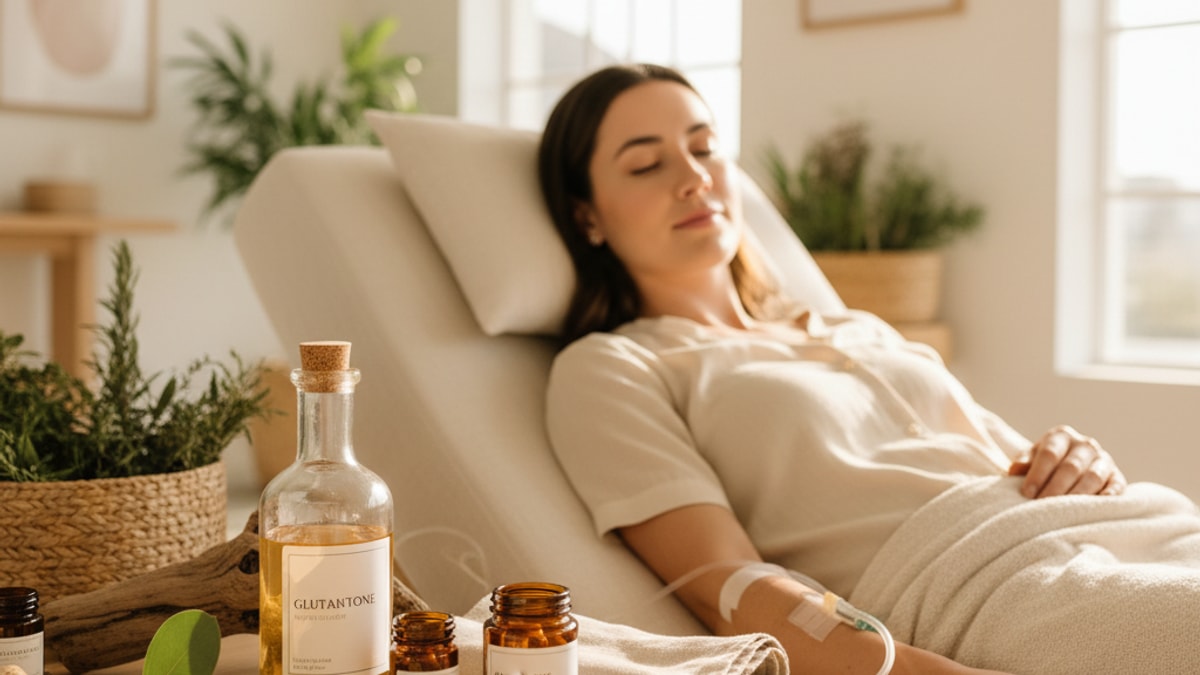
Glutathione IV California — Dosing, Clinics & Results
Research published in the European Journal of Clinical Pharmacology found that IV glutathione achieves peak plasma concentration within 10 minutes but drops to baseline within 90 minutes due to rapid hepatic extraction and renal clearance. That means the 'antioxidant flood' most clinics promise is over before it begins. And the lasting cellular benefit depends entirely on whether the dose was high enough, frequent enough, and delivered under conditions that allow tissue uptake beyond the bloodstream.
Our team has reviewed protocols across hundreds of IV therapy centres nationwide. The gap between marketing claims and pharmacokinetic reality is significant. Most California facilities offer 600–1,200mg glutathione IV sessions for $150–$350, framed as detox support or skin brightening. What they don't mention: the majority of that dose is metabolised before it crosses into cells where oxidative stress actually occurs.
What is glutathione IV therapy, and how does it differ from oral supplementation?
Glutathione IV therapy delivers reduced L-glutathione (GSH) directly into the bloodstream via intravenous push or drip, bypassing the gastrointestinal tract where oral glutathione is largely degraded by peptidases before absorption. IV administration achieves plasma concentrations 10–50 times higher than oral routes, though the clinical significance of these transient peaks remains debated. Oral glutathione undergoes extensive first-pass metabolism in the gut and liver, with bioavailability estimated at less than 10%, while IV glutathione achieves 100% bioavailability at injection but faces rapid systemic clearance within 60–120 minutes.
Most people assume that because glutathione is the body's 'master antioxidant'. A tripeptide composed of glutamate, cysteine, and glycine. Flooding the bloodstream with exogenous GSH must boost intracellular antioxidant capacity. But here's what changes the calculation: plasma glutathione and intracellular glutathione are separate pools with distinct kinetics. Red blood cells, hepatocytes, and lymphocytes synthesise their own glutathione endogenously via the gamma-glutamylcysteine synthetase pathway. IV glutathione doesn't cross cell membranes intact. It must be broken down into constituent amino acids, transported into cells, and resynthesised intracellularly using ATP-dependent enzymes. This article covers which California clinics offer evidence-based dosing protocols, what plasma vs intracellular glutathione distinction means for efficacy, and the specific conditions where IV glutathione has clinical trial support versus where it's pure speculation.
The Pharmacokinetics Most Clinics Won't Explain
Glutathione administered intravenously has a plasma half-life of approximately 15–30 minutes, meaning 50% of the dose is cleared from circulation every quarter-hour. By 90 minutes post-injection, plasma levels return to baseline regardless of dose size. This is not a storage issue. It's enzymatic. The liver extracts glutathione via gamma-glutamyl transpeptidase, breaking it into cysteine, glutamate, and glycine, which are then either excreted renally or recycled into new GSH synthesis. The therapeutic question is whether that transient plasma spike. Even at 2,000mg. Persists long enough to influence intracellular glutathione pools in tissues beyond the liver.
Clinical evidence suggests it depends on the tissue. A 2014 study in the Journal of Alternative and Complementary Medicine found that twice-weekly 1,400mg glutathione IV infusions over eight weeks significantly increased intracellular glutathione in peripheral blood mononuclear cells but had no measurable effect on oxidative stress biomarkers like malondialdehyde or 8-hydroxy-2'-deoxyguanosine. Red blood cell glutathione remained unchanged. The implication: IV glutathione can modestly raise GSH in circulating immune cells but doesn't necessarily translate to systemic antioxidant benefit across all tissues. Neuronal and cardiac myocyte glutathione. The pools most relevant for neurodegenerative and cardiovascular oxidative stress. Appear largely unaffected by peripheral IV dosing because glutathione doesn't cross the blood-brain barrier or penetrate cardiomyocytes efficiently from plasma.
Californian facilities offering single-session 'glow treatments' at 600–800mg are delivering doses below what published trials used for clinical endpoints. The Parkinson's disease trial that showed modest symptomatic improvement used 1,400mg IV three times weekly for 12 weeks. Not one session. Most aesthetic glutathione protocols in California are based on anecdotal reports from dermatology practices in Southeast Asia, not controlled trials.
Glutathione IV California: Regulatory Status and Facility Standards
Glutathione is classified as a compounded drug when prepared for IV administration, meaning it's not FDA-approved as a finished pharmaceutical product. California state law permits licensed physicians, nurse practitioners, and physician assistants to prescribe compounded glutathione IV therapy under their scope of practice, and registered nurses or licensed vocational nurses can administer it under supervision. The quality and sterility of compounded glutathione depends entirely on whether the facility sources from an FDA-registered 503B outsourcing facility or a state-licensed 503A compounding pharmacy. 503B facilities operate under stricter federal oversight and must meet current Good Manufacturing Practices. 503A pharmacies are state-regulated only.
California clinics that prepare glutathione solutions in-house rather than ordering pre-compounded sterile vials introduce contamination risk. USP Chapter 797 establishes standards for sterile compounding, but compliance varies. Before booking a glutathione IV California session, confirm: (1) the glutathione source is a 503B facility or accredited compounding pharmacy, (2) the clinic uses single-dose vials or reconstitutes lyophilised glutathione under laminar flow hood conditions, (3) administration occurs via closed IV system with 0.22-micron inline filter to trap particulates. Multi-dose vials without preservatives should be discarded within six hours of puncture. We've encountered California IV lounges reusing compounded glutathione vials across multiple patients on the same day. An infection control failure.
Most reputable California facilities charge $175–$300 per 1,000–2,000mg session. Pricing below $150 often correlates with lower-quality sourcing or diluted dosing. High-end concierge practices in Los Angeles and San Francisco charge $350–$500, justified by on-site physician oversight and pharmaceutical-grade compounding partnerships.
Clinical Evidence: What Glutathione IV Actually Treats
Glutathione IV therapy has peer-reviewed trial support in three narrow indications: Parkinson's disease symptomatic management, acetaminophen overdose hepatotoxicity, and chemotherapy-induced peripheral neuropathy mitigation. Beyond these, evidence is either preliminary (small open-label trials) or absent. The Parkinson's application comes from a 2009 open-label study published in the Journal of Neurology showing that 1,400mg IV glutathione three times weekly for four weeks improved Unified Parkinson Disease Rating Scale scores by 42%. But a 2021 double-blind placebo-controlled trial failed to replicate this benefit, raising questions about placebo effect magnitude in the original cohort.
For acetaminophen toxicity, IV glutathione (or its precursor N-acetylcysteine) is standard emergency department protocol because it replenishes hepatic GSH depleted by the toxic metabolite NAPQI. This is the one indication where the mechanism is unambiguous and the clinical benefit is life-saving. For chemotherapy neuropathy, a 2015 Italian trial found that 1,500mg glutathione IV co-administered with oxaliplatin reduced cumulative sensory neuropathy incidence from 68% to 35%. Glutathione acts here as a chelator, binding platinum compounds before they damage dorsal root ganglia.
Claims about glutathione IV for skin lightening, chronic fatigue, Lyme disease, mold toxicity, and generalised 'detoxification' lack controlled trial support. Melanin synthesis inhibition by glutathione occurs at supraphysiological concentrations in vitro but has never been demonstrated in a blinded human trial. Chronic fatigue syndrome trials using IV glutathione showed no difference from placebo on validated fatigue scales. The 'detox' framing is pharmacologically incoherent. Glutathione participates in Phase II conjugation reactions in the liver, but flooding plasma with exogenous GSH doesn't accelerate hepatic clearance of xenobiotics because the rate-limiting step is enzyme activity (glutathione S-transferase), not substrate availability.
Glutathione IV California — Comparison
| Clinic Type | Dose Range (mg) | Session Cost | Sourcing Standard | Evidence-Based Protocol | Bottom Line |
|---|---|---|---|---|---|
| Hospital-based infusion centre | 1,200–2,000 | $250–$400 | 503B facility, USP sterile | Parkinson's dosing (3×/week) | Highest quality control, physician oversight. Overkill for wellness claims but appropriate for clinical indications |
| Physician-supervised IV lounge | 1,000–1,500 | $175–$300 | 503B or accredited 503A | Variable. Some offer evidence-matched dosing | Mid-tier reliability. Verify compounding source before booking |
| Aesthetic med spa | 600–1,000 | $150–$250 | Often unspecified or 503A | Single sessions, no trial basis | Common in California but dosing typically below clinical thresholds. Suitable for subjective 'glow' goals, not measurable outcomes |
| Mobile IV service | 500–1,200 | $200–$350 | Variable sourcing | No standardised protocol | Convenience premium, quality control inconsistent. Demand proof of 503B sourcing and sterile technique credentials |
| Compounding pharmacy direct | 1,000–2,000 (self-administered at home) | $80–$150 per vial | 503B self-sourced | Requires prescriber supervision | Lowest cost but requires home administration training and refrigerated storage. Not beginner-friendly |
Key Takeaways
- Glutathione IV California clinics typically offer doses between 600–2,000mg per session, but plasma half-life of 15–30 minutes means most of the dose clears within 90 minutes.
- Clinical trial evidence supports glutathione IV only for Parkinson's symptom management (1,400mg 3×/week), acetaminophen overdose, and chemotherapy neuropathy prevention. Not for skin lightening, detox, or chronic fatigue.
- Compounded glutathione quality depends on whether the clinic sources from FDA-registered 503B facilities or state-licensed 503A pharmacies. 503B oversight is significantly stricter.
- Intracellular glutathione synthesis is the rate-limiting factor for tissue-level antioxidant capacity. IV glutathione doesn't cross cell membranes intact and must be broken down and resynthesised inside cells.
- California pricing ranges from $150–$500 per session depending on dose, sourcing quality, and physician oversight. Sessions under $150 often indicate diluted dosing or lower-grade compounding.
What If: Glutathione IV California Scenarios
What If I Don't Feel Any Different After My First Glutathione IV Session?
Skip the second session until you clarify what endpoint you're measuring. Glutathione doesn't produce subjective effects like energy or mood shifts in most people. The trials that showed benefit used objective biomarkers (motor function scores in Parkinson's, neuropathy incidence in chemotherapy cohorts). If you're chasing 'detox' or 'glow' without a measurable target, you're evaluating placebo. Ask the clinic what specific outcome their protocol is designed to achieve and what evidence supports that timeline. Most California facilities can't answer this question with citations.
What If the Clinic Doesn't Disclose Where They Source Their Glutathione?
Walk out. Compounding source is the single most important safety variable in IV therapy. A reputable California clinic will name the 503B facility or accredited 503A pharmacy on request and provide a certificate of analysis showing endotoxin testing and sterility verification. If they deflect or say 'pharmaceutical-grade' without naming the supplier, they either don't know or are sourcing from unverified compounders. Non-sterile glutathione IV can cause bacteremia, fungal infection, or pyrogenic reactions. Not theoretical risks.
What If I'm Considering Glutathione IV for Skin Lightening?
Understand that no published clinical trial has demonstrated melanin reduction from IV glutathione in a blinded, placebo-controlled design. The mechanism proposed. Competitive inhibition of tyrosinase by glutathione. Occurs in test tubes at concentrations far exceeding what IV dosing achieves in dermal melanocytes. Anecdotal reports from Philippines-based dermatology clinics describe subjective 'brightening' after 10–20 sessions, but these are uncontrolled observations in populations with baseline higher melanin density. California medical boards consider off-label glutathione IV for cosmetic lightening ethically questionable when framed as evidence-based.
The Unsparing Truth About Glutathione IV California Marketing
Here's the honest answer: most California IV lounges are selling a transient biochemical event and calling it therapy. Glutathione IV produces a measurable plasma spike that disappears before most tissues experience meaningful GSH uptake. The clinics that cite Parkinson's trials are offering one-tenth the dosing frequency those trials used. The ones promising detox are invoking a mechanism that doesn't exist. Hepatic Phase II conjugation is enzyme-limited, not substrate-limited, so dumping exogenous glutathione into plasma doesn't accelerate toxin clearance. The aesthetic clinics claiming skin brightening can't produce a single controlled trial showing melanin reduction.
What glutathione IV does do. And this isn't negligible. Is modestly raise intracellular GSH in circulating immune cells for 24–48 hours post-infusion. If you're undergoing oxidative-stress-inducing chemotherapy or have documented glutathione deficiency from chronic liver disease, that transient bump may provide symptomatic relief or mitigate side effects. For everyone else, you're paying $200–$400 for a temporary lab value change that your body reverses within two days. The IV experience itself. Hydration, micronutrient co-administration, 45 minutes of rest in a lounge chair. May feel restorative, but that's the ritual, not the glutathione.
California's regulatory laxity around compounded IV therapies means quality varies wildly. The best facilities operate like hospital infusion centres. The worst operate like juice bars with needles. If you're committed to trying glutathione IV, choose a physician-supervised clinic that sources from 503B facilities, offers dosing matched to published trials, and can articulate the specific biomarker or symptom you're targeting. One session won't hurt you, but it also won't rewire your antioxidant system.
Glutathione's real power is intracellular. And your cells make it themselves when supplied with cysteine (from whey protein or N-acetylcysteine), glycine, and glutamate. The rate-limiting substrate is cysteine. If your goal is sustained glutathione elevation, 600mg oral N-acetylcysteine twice daily will raise intracellular GSH more reliably than one weekly IV push because NAC provides the precursor cells need to synthesise glutathione endogenously. The California clinics that understand this will tell you the IV is adjunctive, not primary. The ones that don't are counting on you not asking.
Frequently Asked Questions
How long does glutathione IV stay in your system after administration?▼
Glutathione injected intravenously has a plasma half-life of 15–30 minutes, meaning 50% is cleared from bloodstream circulation every quarter-hour. By 90 minutes post-injection, plasma glutathione returns to baseline levels regardless of dose. Intracellular glutathione in peripheral immune cells may remain modestly elevated for 24–48 hours, but this doesn’t reflect sustained tissue penetration in organs like brain or heart.
Can you get glutathione IV therapy in California without a prescription?▼
No — California law requires a licensed prescriber (physician, nurse practitioner, or physician assistant) to order compounded glutathione IV therapy, even for wellness indications. Registered nurses or licensed vocational nurses can administer the infusion under supervision, but the prescription must come from a credentialed provider who has evaluated your medical history and determined appropriateness.
What does a glutathione IV session cost in California, and what’s included?▼
California glutathione IV sessions typically cost $150–$350 for doses ranging from 600mg to 2,000mg. Sessions under $150 often indicate diluted dosing or lower-quality compounding. High-end concierge practices charge $350–$500, which includes on-site physician consultation, pharmaceutical-grade 503B-sourced glutathione, and sterile administration under laminar flow protocols. Most mid-tier clinics fall in the $175–$300 range.
What are the risks of glutathione IV therapy, and how common are adverse events?▼
Adverse events are rare but include allergic reactions (urticaria, bronchospasm in sulfite-sensitive individuals), injection site phlebitis, and infection if non-sterile technique is used. Serious complications like bacteremia or fungal sepsis occur when clinics reuse multi-dose vials or compound glutathione without USP 797 sterile protocols. Glutathione itself is well-tolerated at doses up to 2,000mg when properly sourced and administered.
How does glutathione IV compare to oral glutathione supplements for bioavailability?▼
IV glutathione achieves 100% bioavailability at injection and produces plasma concentrations 10–50 times higher than oral routes within 10 minutes. However, oral glutathione undergoes first-pass metabolism and has less than 10% bioavailability. The clinical relevance of IV’s higher plasma spike is debated because glutathione must still cross into cells and be resynthesised intracellularly to affect oxidative stress — a process that’s rate-limited by enzymatic capacity, not plasma concentration.
Is glutathione IV effective for skin lightening, and what does the evidence show?▼
No controlled clinical trial has demonstrated melanin reduction from IV glutathione in a blinded, placebo-controlled design. The proposed mechanism — competitive inhibition of tyrosinase — occurs in vitro at concentrations far exceeding what IV dosing achieves in dermal melanocytes. Anecdotal reports exist from Philippines-based clinics, but these are uncontrolled observations without measurable endpoints. California medical boards consider this use ethically questionable when framed as evidence-based.
Which medical conditions have clinical trial support for glutathione IV therapy?▼
Peer-reviewed evidence supports glutathione IV for three indications: Parkinson’s disease symptomatic management (1,400mg three times weekly), acetaminophen overdose hepatotoxicity (emergency protocol), and chemotherapy-induced peripheral neuropathy prevention (1,500mg co-administered with oxaliplatin). Claims for chronic fatigue, Lyme disease, mold toxicity, and generalised detoxification lack controlled trial support.
What is the difference between 503B and 503A compounding for glutathione IV in California?▼
503B outsourcing facilities operate under federal FDA oversight and must meet current Good Manufacturing Practices including sterility testing, endotoxin screening, and batch documentation. 503A compounding pharmacies are state-regulated only and prepare patient-specific prescriptions without the same federal quality mandates. California clinics sourcing from 503B facilities provide higher sterility assurance and traceability — critical for IV medications that bypass gastrointestinal immune barriers.
How often would I need glutathione IV sessions to see clinical benefit?▼
The Parkinson’s trial showing motor function improvement used 1,400mg three times weekly for 12 weeks — not single sessions. For chemotherapy neuropathy prevention, glutathione was co-administered with each chemo cycle (weekly or biweekly depending on regimen). Single ‘wellness’ sessions at California IV lounges are not based on dosing schedules from published trials and lack evidence for sustained benefit. If you’re pursuing a clinical endpoint, the protocol must match trial frequency.
What should I ask a California clinic before booking a glutathione IV session?▼
Ask: (1) What compounding facility supplies your glutathione — is it a 503B or 503A source? (2) Can you provide a certificate of analysis showing sterility and endotoxin testing? (3) What dose will I receive, and how does that compare to clinical trial protocols? (4) What specific outcome is your protocol designed to achieve, and what evidence supports that timeline? If the clinic can’t answer these with specifics, choose a different facility.

Transforming Lives, One Step at a Time
Keep reading

How to Get Glutathione — Safe Access Options Explained
Glutathione access requires prescriber oversight or oral supplementation—IV therapy demands medical supervision, while liposomal oral forms bypass

Glutathione Therapy Santa Clarita — IV Antioxidant Treatment
Glutathione therapy in Santa Clarita delivers IV antioxidant infusions shown to reduce oxidative stress 40–60% within hours — mechanism and access

Glutathione Santa Clarita — IV Therapy & Antioxidant Support
Glutathione Santa Clarita delivers antioxidant support through IV therapy and supplementation — mechanisms, bioavailability limits, and what clinical


