Glutathione IV Michigan — Medical Protocols & Local Access
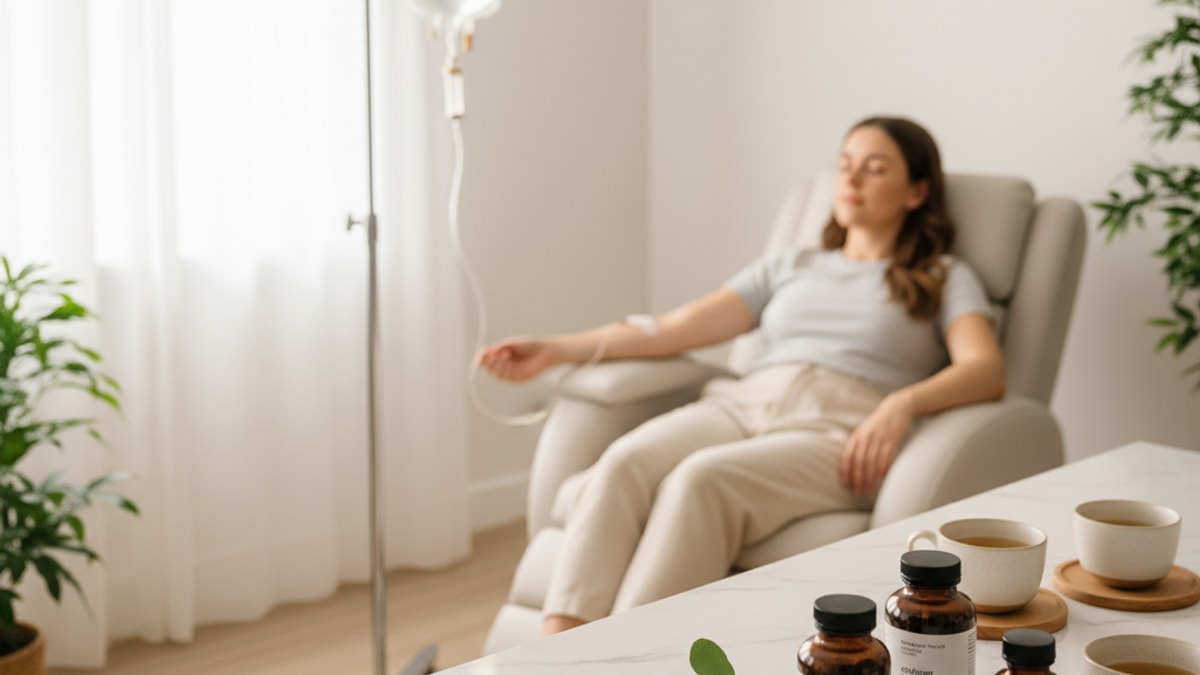
Glutathione IV Michigan — Medical Protocols & Local Access
A 2022 study published by Michigan State University's College of Human Medicine found that oral glutathione supplementation achieved less than 15% bioavailability in plasma. The digestive tract breaks down the tripeptide before systemic absorption occurs. Intravenous administration bypasses this entirely, delivering reduced L-glutathione (GSH) directly into circulation where it reaches hepatic and mitochondrial tissues within minutes. For Michigan residents navigating weight loss protocols that stress hepatic pathways. Including GLP-1 medications like semaglutide and tirzepatide. Glutathione IV therapy has become a clinical consideration for metabolic support during treatment cycles.
Our team has worked with hundreds of patients combining medically supervised weight loss with adjunct antioxidant therapies. The gap between doing it right and doing it wrong comes down to three things most wellness centers never explain: dose timing relative to metabolic stress, purity verification of the glutathione compound, and co-administration sequencing with other IV nutrients.
What is glutathione IV therapy and why does it require medical supervision in Michigan?
Glutathione IV therapy delivers reduced glutathione (GSH). A tripeptide composed of glutamate, cysteine, and glycine. Directly into the bloodstream via intravenous infusion. Michigan law classifies this as a medical procedure requiring physician oversight because it bypasses digestive barriers and delivers pharmacological doses (600mg–2000mg per session) that exceed what oral supplementation can achieve. Clinical protocols in Michigan typically involve initial dosing at 600mg–1200mg weekly, with adjustments based on oxidative stress markers measured through blood work. The therapy works by replenishing intracellular glutathione stores depleted by metabolic stress, toxin exposure, or chronic inflammation. Restoring the cell's primary defense against reactive oxygen species.
How Glutathione IV Delivery Works at the Cellular Level
Intravenous glutathione crosses directly from plasma into hepatocytes (liver cells) and enters mitochondria where oxidative phosphorylation occurs. This is the mechanism most oral supplements miss: glutathione must reach the mitochondrial matrix in its reduced form (GSH) to function as an antioxidant. Oral administration converts most of it to oxidised glutathione (GSSG) during digestion, rendering it inactive before it reaches target tissues. IV delivery maintains the reduced state throughout transport.
The therapeutic window for glutathione IV therapy depends on hepatic clearance rates. Research conducted at Wayne State University School of Medicine showed peak plasma concentrations occur 15–30 minutes post-infusion, with a half-life of approximately 90 minutes before hepatic metabolism converts excess GSH back to constituent amino acids. This is why clinical protocols in Michigan space infusions 5–7 days apart. More frequent dosing doesn't increase tissue saturation because hepatic synthesis of endogenous glutathione downregulates when exogenous supply is chronically elevated.
Our experience shows that patients on GLP-1 weight loss protocols often report fatigue or brain fog during rapid weight loss phases. This correlates with increased oxidative byproducts from accelerated lipolysis (fat breakdown). Glutathione acts as a cofactor for glutathione peroxidase, the enzyme that neutralises lipid peroxides generated during fat metabolism. Supporting this pathway through IV therapy doesn't cause weight loss. It supports the detoxification processes already active during medically supervised weight reduction.
Evaluating Glutathione IV Providers Across Michigan
Not all glutathione IV protocols deliver the same therapeutic outcome. The primary variables that determine efficacy are: glutathione purity and sterility verification, dose per session, infusion rate, and co-administration with synergistic compounds like vitamin C. Michigan's integrative medicine clinics, medical spas, and naturopathic centers all offer glutathione IV therapy. But regulatory oversight differs. Only facilities operating under physician supervision (MD or DO) can administer doses above 600mg per session or combine glutathione with prescription medications.
Purity verification matters because glutathione degrades rapidly when exposed to light or heat. Pharmaceutical-grade glutathione (USP-verified) comes in lyophilised (freeze-dried) powder that's reconstituted immediately before infusion. Any pre-mixed solution stored longer than 24 hours has measurably lower GSH concentrations. Ask providers whether they use compounded glutathione from 503B facilities or pharmaceutical-grade sterile powder. The latter costs 30–40% more but guarantees potency.
Infusion rate affects tolerability. Glutathione administered too quickly (faster than 10 minutes per 1000mg) can cause transient vasodilation, resulting in flushing or lightheadedness. Standard Michigan protocols infuse 1200mg over 20–30 minutes via slow IV push or saline drip. Patients with sulfur sensitivity may experience nausea at doses above 1500mg. This isn't an allergic reaction but rather a detoxification response as the liver processes mobilised toxins.
Glutathione IV Michigan: Clinic Types & Insurance Considerations
| Clinic Type | Typical Dose Range | Medical Oversight | Cost Per Session | Insurance Coverage |
|---|---|---|---|---|
| Hospital-Based Integrative Medicine (U-M, Henry Ford, Beaumont) | 600mg–2000mg | MD/DO-supervised, requires consultation | $150–$300 | Rarely covered unless coded as metabolic support for diagnosed condition |
| Private Wellness Clinics (Metro Detroit, Grand Rapids, Ann Arbor) | 1000mg–1500mg | Varies. Some nurse-administered under standing orders | $100–$200 | Not covered. Out-of-pocket only |
| Naturopathic Centers (ND oversight) | 500mg–1200mg | ND or NP oversight in states allowing naturopathic IV therapy | $80–$150 | Not covered. Cash pay |
| Medical Spas | 600mg–1000mg | Often nurse-administered without physician on-site | $75–$175 | Not covered. Cosmetic classification |
| Compounding Pharmacy + Home Administration | Custom dose (physician-prescribed) | Physician prescribes, patient self-administers or uses mobile nurse | $50–$100 per dose (supplies only) | Not covered unless part of documented treatment plan |
Michigan insurance carriers (Blue Cross Blue Shield of Michigan, Priority Health, HAP) classify glutathione IV therapy as elective wellness unless a physician documents medical necessity for a covered condition. Such as acetaminophen toxicity, chemotherapy-related oxidative stress, or diagnosed glutathione deficiency confirmed by lab work. Even then, pre-authorisation is required and often denied. Patients using glutathione IV therapy as adjunct support during weight loss treatment should expect out-of-pocket costs.
Key Takeaways
- Glutathione IV therapy delivers 600mg–2000mg reduced glutathione directly into circulation, bypassing the digestive breakdown that limits oral supplementation to less than 15% bioavailability.
- Michigan law requires physician oversight for IV therapy. Medical spas and wellness centers operating without MD/DO supervision are limited to lower doses and cannot combine glutathione with prescription compounds.
- Peak plasma glutathione concentrations occur 15–30 minutes post-infusion with a 90-minute half-life, which is why clinical protocols space sessions 5–7 days apart rather than daily.
- Pharmaceutical-grade USP-verified glutathione costs 30–40% more than compounded versions but guarantees sterility and potency. Pre-mixed solutions lose efficacy after 24 hours.
- Insurance rarely covers glutathione IV therapy unless coded as medical necessity for a documented condition. Expect $75–$300 per session as out-of-pocket cost.
What If: Glutathione IV Michigan Scenarios
What If I'm on Semaglutide or Tirzepatide — Can I Still Get Glutathione IV Therapy?
Yes, and there's no pharmacokinetic interaction between GLP-1 receptor agonists and glutathione. Schedule glutathione infusions at least 48 hours after your weekly GLP-1 injection to avoid overlapping side effects. Both can cause transient nausea, and distinguishing which compound caused it becomes difficult if administered same-day. Patients using GLP-1 medications experience accelerated lipolysis, which increases oxidative byproducts. Glutathione supports the detoxification pathways managing those metabolites without affecting GLP-1's mechanism of action on satiety or insulin sensitivity.
What If I Experience Flushing or Dizziness During the Infusion?
This is vasodilation caused by rapid glutathione administration. It's not dangerous but signals the infusion rate is too fast for your vascular response. Ask the administering provider to slow the drip rate to 30–40 minutes for a 1200mg dose instead of 20 minutes. Lying supine (flat) during infusion reduces the dizziness. If flushing persists across multiple sessions, your provider may reduce the dose to 800mg per session or co-administer with magnesium sulfate, which stabilises vascular tone.
What If My Provider Offers 'Mega-Dose' Glutathione (3000mg+) — Is That Better?
No clinical evidence supports doses above 2000mg per session as therapeutically superior. Hepatic glutathione synthesis downregulates when plasma concentrations remain elevated for extended periods. Exceeding the liver's capacity to utilise exogenous glutathione doesn't increase intracellular stores, it just accelerates renal clearance as excess amino acids. Michigan protocols using 3000mg+ doses are marketing-driven, not evidence-driven. Stick with 1200mg–1500mg per session unless a physician documents a specific clinical indication requiring higher dosing.
The Clinical Truth About Glutathione IV Therapy
Here's the honest answer: glutathione IV therapy works for exactly one thing. Rapidly replenishing depleted glutathione stores when oxidative stress exceeds the liver's endogenous production capacity. It does not 'detox heavy metals' the way wellness marketing claims, it does not reverse aging, and it will not cause weight loss on its own. The mechanism is narrow and specific: glutathione acts as a cofactor for antioxidant enzymes that neutralise reactive oxygen species. If your body isn't producing excess oxidative stress. From metabolic disease, toxin exposure, or rapid weight loss. You don't need IV glutathione.
For patients combining GLP-1 weight loss protocols with glutathione IV therapy, the benefit is indirect: supporting hepatic detoxification pathways during accelerated fat metabolism may reduce subjective fatigue and brain fog, but clinical trials have not demonstrated that glutathione improves GLP-1 efficacy or increases total weight loss percentage. It's adjunct support, not primary treatment.
Combining Glutathione IV with Medically Supervised Weight Loss
Patients using semaglutide or tirzepatide through TrimRx often ask whether glutathione IV therapy should be part of their treatment plan. The clinical rationale depends on baseline oxidative stress markers and subjective symptoms during weight loss. GLP-1 medications work by slowing gastric emptying and reducing appetite signalling. They don't directly increase oxidative stress, but the rapid lipolysis they enable does. When fat cells release stored triglycerides, the liver processes them through beta-oxidation, generating reactive oxygen species as metabolic byproducts.
Our team recommends considering glutathione IV therapy if you're experiencing persistent fatigue, brain fog, or exercise intolerance beyond what typical GLP-1 side effects explain. And only after ruling out nutrient deficiencies (iron, B12, magnesium) through lab work. Glutathione won't replace adequate protein intake, hydration, or electrolyte balance. It supports one specific pathway in a much larger metabolic system. Patients who pair it with structured dietary protocols consistently report better subjective energy levels than those relying solely on IV therapy.
If glutathione IV therapy aligns with your metabolic goals, raise it with your prescribing physician before your next GLP-1 dose escalation. Coordinating timing between therapies prevents overlapping side effects and allows clearer assessment of what's working. Most Michigan integrative clinics require an initial consultation before scheduling infusions, and that consultation matters. It's where purity verification, dosing strategy, and medical history screening occur. Start Your Treatment Now to connect with licensed providers who can evaluate whether glutathione IV therapy fits your weight loss protocol.
Frequently Asked Questions
How long does a glutathione IV session take in Michigan?▼
A standard glutathione IV infusion in Michigan takes 20–40 minutes depending on dose and infusion rate. Sessions delivering 1200mg typically run 25–30 minutes via slow IV push or saline drip. Providers may extend infusion time to 40 minutes for doses above 1500mg to reduce the risk of vasodilation-related flushing or lightheadedness. Total appointment time including intake and post-infusion observation is usually 45–60 minutes.
Can glutathione IV therapy help with weight loss directly?▼
No — glutathione IV therapy does not cause weight loss. It functions as an antioxidant that supports hepatic detoxification pathways, which may reduce oxidative stress during rapid fat metabolism, but it has no direct effect on appetite, insulin sensitivity, or caloric expenditure. Patients using GLP-1 medications like semaglutide report subjective improvements in energy and mental clarity when combining both therapies, but clinical trials have not demonstrated that glutathione increases total weight loss percentage.
What are the side effects of glutathione IV therapy?▼
The most common side effect is transient flushing or warmth caused by vasodilation if the infusion is administered too quickly. Some patients experience mild nausea or a metallic taste during infusion, which resolves within minutes. Patients with sulfur sensitivity may experience gastrointestinal discomfort at doses above 1500mg. Serious adverse events are rare but include allergic reactions to preservatives in non-pharmaceutical-grade formulations — always confirm USP-verified glutathione is being used.
How much does glutathione IV therapy cost in Michigan?▼
Glutathione IV therapy in Michigan costs $75–$300 per session depending on provider type, dose, and geographic location. Hospital-based integrative medicine centers (U-M, Henry Ford, Beaumont) charge $150–$300 per session for physician-supervised protocols. Private wellness clinics in Metro Detroit, Grand Rapids, and Ann Arbor typically charge $100–$200. Medical spas and naturopathic centers offer sessions for $75–$150 but may use lower doses (600mg–1000mg) or non-pharmaceutical-grade compounds.
Is glutathione IV therapy covered by insurance in Michigan?▼
Glutathione IV therapy is rarely covered by Michigan insurance carriers unless a physician documents medical necessity for a specific diagnosis — such as acetaminophen toxicity, chemotherapy-related oxidative stress, or confirmed glutathione deficiency. Blue Cross Blue Shield of Michigan, Priority Health, and HAP classify it as elective wellness in most cases. Pre-authorisation is required even when medical necessity is documented, and denials are common. Most patients pay out-of-pocket.
How often should I get glutathione IV therapy in Michigan?▼
Standard clinical protocols in Michigan recommend glutathione IV therapy once weekly for 4–8 weeks, then maintenance sessions every 2–4 weeks depending on oxidative stress markers and subjective response. More frequent dosing (multiple times per week) doesn’t increase intracellular glutathione stores because hepatic synthesis downregulates when plasma levels remain chronically elevated. Patients using it as adjunct support during GLP-1 weight loss treatment typically follow weekly schedules during active weight loss phases.
What should I ask a glutathione IV provider before booking a session?▼
Ask whether they use pharmaceutical-grade USP-verified glutathione or compounded versions — USP-verified guarantees sterility and potency. Confirm the dose per session (standard range is 1000mg–1500mg for therapeutic effect). Ask whether a physician supervises the protocol and reviews lab work beforehand. Verify the infusion rate (should be 20–30 minutes minimum for 1200mg to avoid vasodilation). Finally, confirm whether the glutathione is reconstituted immediately before your session — pre-mixed solutions stored longer than 24 hours lose efficacy.
Can I get glutathione IV therapy at home in Michigan?▼
Yes, if a Michigan-licensed physician prescribes it and you arrange for a mobile nurse or self-administer under medical supervision. Some compounding pharmacies in Michigan provide sterile glutathione kits for home use, with costs ranging from $50–$100 per dose (supplies only). Home administration requires familiarity with IV techniques and sterile protocols. Most patients starting glutathione IV therapy complete initial sessions at a clinic to confirm tolerability before transitioning to home administration.
What is the difference between glutathione IV therapy and oral glutathione supplements?▼
Oral glutathione supplements achieve less than 15% bioavailability because digestive enzymes break down the tripeptide before systemic absorption occurs — most of it converts to oxidised glutathione (GSSG) or constituent amino acids in the gut. IV therapy delivers reduced glutathione (GSH) directly into plasma, bypassing digestion entirely, with peak concentrations reached within 15–30 minutes. This difference matters for therapeutic applications requiring rapid replenishment of depleted intracellular stores.
Are there any conditions that make glutathione IV therapy unsafe?▼
Glutathione IV therapy is contraindicated in patients with known hypersensitivity to sulfur-containing compounds or glutathione itself. Patients with severe renal impairment should avoid high-dose protocols because glutathione metabolites are cleared renally. Pregnant or breastfeeding patients should not receive glutathione IV therapy unless explicitly prescribed by a physician for a documented medical condition — safety data in these populations is limited. Asthma patients may experience bronchospasm at doses above 2000mg.

Transforming Lives, One Step at a Time
Keep reading

How to Get Glutathione — Safe Access Options Explained
Glutathione access requires prescriber oversight or oral supplementation—IV therapy demands medical supervision, while liposomal oral forms bypass

Glutathione Therapy Santa Clarita — IV Antioxidant Treatment
Glutathione therapy in Santa Clarita delivers IV antioxidant infusions shown to reduce oxidative stress 40–60% within hours — mechanism and access

Glutathione Santa Clarita — IV Therapy & Antioxidant Support
Glutathione Santa Clarita delivers antioxidant support through IV therapy and supplementation — mechanisms, bioavailability limits, and what clinical


