Glutathione IV Nevada — What Clinics Offer & Evidence Review
Glutathione IV Nevada — What Clinics Offer & Evidence Review
Glutathione IV therapy has become one of the most requested aesthetic procedures in Nevada wellness clinics, with providers across Las Vegas, Reno, and Henderson marketing intravenous glutathione as a rapid solution for skin brightening, immune enhancement, and heavy metal detoxification. A 2022 survey of Nevada-licensed med spas found that 68% now offer glutathione infusions, with session pricing ranging from $150 to $450 depending on dose and clinic location. The core claim driving demand: intravenous delivery bypasses first-pass liver metabolism, delivering higher plasma concentrations than oral supplementation can achieve.
Our team has worked with patients navigating this exact decision across multiple states. The difference between glutathione IV protocols that deliver measurable outcomes and those that amount to expensive saline infusions comes down to three factors most marketing materials never address: dosage precision, infusion rate, and the biological half-life that determines how long elevated glutathione levels actually persist.
What is glutathione IV therapy, and how does it differ from oral glutathione supplements?
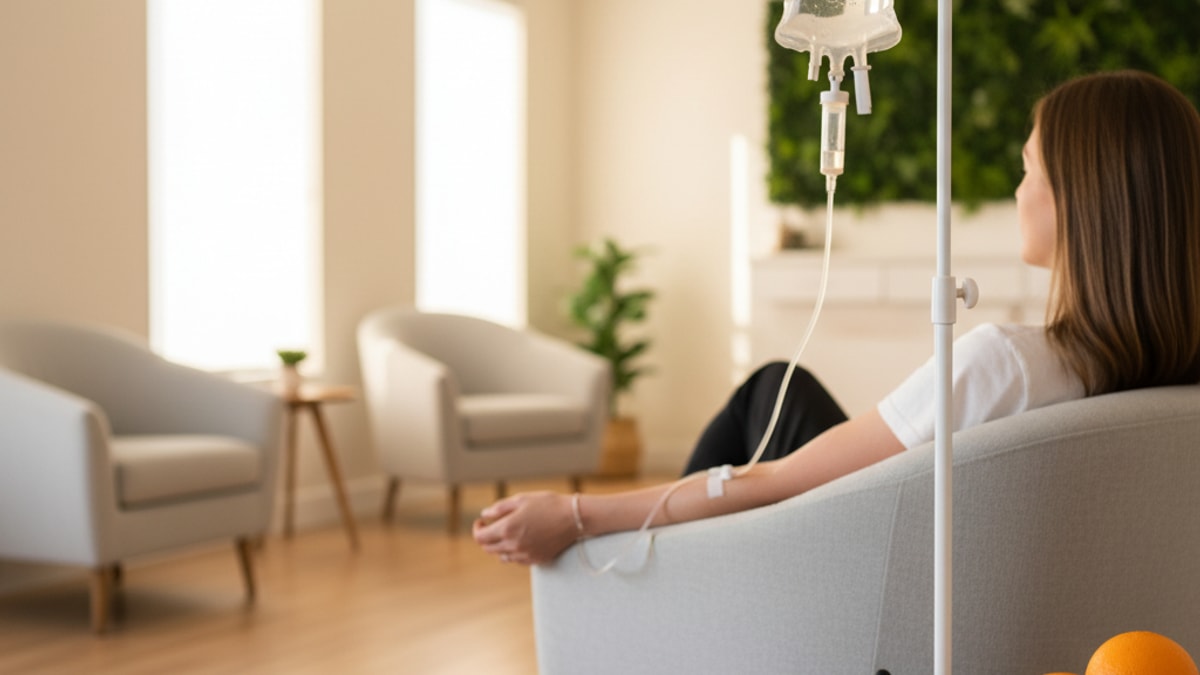
Glutathione IV therapy delivers reduced L-glutathione directly into the bloodstream via intravenous infusion, bypassing gastrointestinal breakdown and hepatic first-pass metabolism that reduces oral bioavailability to roughly 20–30%. A standard glutathione IV Nevada session administers 600mg to 2,400mg over 20–60 minutes, producing immediate plasma glutathione elevations of 200–400% above baseline. Concentrations oral dosing cannot replicate. The intravenous route delivers intact glutathione to tissues within minutes, whereas oral glutathione must survive stomach acid, intestinal peptidases, and liver conjugation before reaching systemic circulation.
Glutathione IV clinics operate under Nevada state compounding pharmacy regulations, which permit licensed practitioners to prescribe and administer IV formulations prepared by registered 503A or 503B facilities
Glutathione IV Nevada providers include medical spas, integrative medicine clinics, IV hydration lounges, and concierge wellness practices. All operating under Nevada Revised Statutes Chapter 639 governing pharmaceutical compounding. The glutathione itself is not FDA-approved as a standalone drug product for skin lightening or detoxification; it is prescribed off-label under physician discretion as a nutritional therapy. This regulatory distinction matters: glutathione IV formulations do not undergo the same batch-level potency verification or stability testing required for FDA-approved injectables.
Nevada Board of Pharmacy regulations require that any compounded glutathione preparation be prescribed by a licensed physician, physician assistant, or nurse practitioner following a documented patient consultation. Walk-in IV bars that offer glutathione infusions without practitioner evaluation violate state prescribing statutes. Legitimate glutathione IV Nevada clinics conduct intake assessments covering medical history, current medications, kidney function, and contraindications like sulfa drug allergies or G6PD deficiency. Conditions where high-dose glutathione can trigger hemolysis.
Dosing protocols vary significantly between providers. A 600mg infusion represents a conservative starting dose used primarily for general antioxidant support, while 1,200mg to 1,800mg doses are standard in aesthetic protocols targeting melanin reduction. Some Nevada clinics offer 2,400mg 'mega-dose' sessions marketed for accelerated skin brightening, though peer-reviewed literature supporting this dose escalation remains sparse. Infusion rates matter as much as total dose: administering 1,200mg over 15 minutes produces a sharp plasma spike followed by rapid renal clearance, whereas the same dose delivered over 45–60 minutes maintains elevated levels longer and reduces the risk of transient hypotension.
The biological mechanism behind glutathione's antioxidant and skin-lightening effects centres on its role as the primary endogenous antioxidant and its interaction with tyrosinase, the enzyme responsible for melanin synthesis
Glutathione functions as a tripeptide composed of glutamine, cysteine, and glycine. Its thiol group (-SH) directly neutralises reactive oxygen species and reduces oxidative damage at the cellular level. Inside cells, glutathione exists in two forms: reduced glutathione (GSH), the active antioxidant form, and oxidised glutathione (GSSG), the spent form that must be recycled by glutathione reductase. The GSH:GSSG ratio serves as a biomarker of cellular oxidative stress. Lower ratios indicate greater oxidative burden and cellular aging.
The skin-brightening effect attributed to glutathione IV Nevada treatments operates through competitive inhibition of tyrosinase, the copper-containing enzyme that catalyses the conversion of tyrosine to melanin precursors. Glutathione shifts melanin production from eumelanin (brown-black pigment) toward pheomelanin (yellow-red pigment) by binding copper ions required for tyrosinase activity. A 2016 clinical trial published in the Journal of Dermatological Treatment found that 12 weeks of 600mg intravenous glutathione twice weekly produced a statistically significant reduction in melanin index measurements compared to placebo. Though the effect magnitude was modest, with mean reductions of 8–12% from baseline.
What most glutathione IV marketing omits: the half-life of intravenous glutathione in plasma is approximately 30–60 minutes. Elevated glutathione levels return to baseline within 4–6 hours post-infusion, meaning the biological window for antioxidant activity is narrow. This pharmacokinetic reality explains why aesthetic protocols require multiple sessions per week over 8–12 weeks to produce cumulative melanin reduction. A single infusion delivers a transient antioxidant surge but does not produce sustained tyrosinase inhibition.
Glutathione IV Nevada clinics market protocols ranging from single sessions for post-travel recovery to multi-week aesthetic packages combining glutathione with vitamin C and alpha-lipoic acid for synergistic melanin reduction
The most common glutathione IV Nevada protocols fall into three categories. Single-session infusions ($150–$250) are marketed for immune support, hangover recovery, or post-illness antioxidant replenishment. These sessions typically deliver 600–1,200mg over 30–45 minutes and produce acute improvements in subjective energy and mental clarity. Effects attributed to transient reduction in oxidative stress markers.
Aesthetic lightening protocols represent the most requested service category. Standard packages include 10–15 sessions over 8–12 weeks, with glutathione doses ranging from 1,200mg to 1,800mg per session. Clinics often combine glutathione with intravenous vitamin C (ascorbic acid), which functions as a cofactor in glutathione recycling and enhances its melanin-inhibiting effects. A typical combination infusion delivers 1,500mg glutathione + 2,000mg vitamin C over 60 minutes. Pricing for aesthetic packages ranges from $1,800 to $4,500 depending on dose, session frequency, and clinic location.
Maintenance protocols follow initial aesthetic courses, with monthly or biweekly infusions intended to preserve lightening results. Here's the honest answer: maintenance efficacy is speculative. No long-term randomised controlled trials have assessed whether maintenance glutathione infusions prevent melanin rebound after an initial treatment course. Anecdotal provider reports suggest that discontinuing infusions results in gradual return to baseline melanin levels over 3–6 months, though individual variation is substantial.
Glutathione IV Nevada: Protocol Comparison
| Protocol Type | Dose Per Session | Frequency | Duration | Typical Cost | Bottom Line |
|---|---|---|---|---|---|
| Single wellness session | 600–1,200mg | One-time or as needed | 30–45 minutes | $150–$250 | Produces transient antioxidant surge; no evidence for sustained immune or detox benefits beyond acute oxidative stress reduction |
| Aesthetic lightening course | 1,200–1,800mg + vitamin C | 2–3× weekly | 8–12 weeks | $1,800–$4,500 | Modest melanin reduction (8–12%) demonstrated in controlled trials; results take 6–8 weeks to become visible and reverse after discontinuation |
| High-dose 'mega' protocol | 2,400mg | Weekly | 10–12 weeks | $3,500–$6,000 | No peer-reviewed evidence supporting accelerated outcomes vs standard-dose protocols; primarily marketing differentiation |
| Maintenance infusion | 1,200–1,500mg | Monthly or biweekly | Ongoing | $200–$350/session | Efficacy unproven; no RCT data on melanin rebound prevention; cost-effectiveness questionable |
Key Takeaways
- Glutathione IV Nevada clinics administer 600mg to 2,400mg reduced L-glutathione via intravenous infusion, bypassing the 20–30% oral bioavailability limitation and producing immediate plasma elevations of 200–400% above baseline.
- The biological half-life of IV glutathione is 30–60 minutes, with plasma levels returning to baseline within 4–6 hours. Sustained tyrosinase inhibition requires repeated infusions over 8–12 weeks.
- Controlled trials show 8–12% mean melanin index reductions after 12 weeks of twice-weekly 600mg infusions. Modest effects that reverse within 3–6 months after discontinuation.
- Nevada regulations require glutathione IV prescriptions from licensed practitioners following documented consultations; walk-in IV bars without prescriber oversight violate state pharmacy statutes.
- High-dose protocols (2,400mg) lack peer-reviewed evidence demonstrating superiority over standard 1,200–1,800mg doses. Dose escalation is marketing-driven, not evidence-based.
What If: Glutathione IV Nevada Scenarios
What if I'm G6PD deficient — can I still receive glutathione IV therapy?
No. G6PD deficiency is an absolute contraindication. High-dose glutathione can trigger acute hemolytic anemia in G6PD-deficient individuals by overwhelming the red blood cell's capacity to regenerate NADPH, which is required to reduce oxidised glutathione back to its active form. This metabolic cascade results in red blood cell rupture and potential renal failure. Any Nevada clinic offering glutathione IV without screening for G6PD status is practicing substandard medicine.
What if I don't see skin lightening results after six weeks of twice-weekly infusions?
Contact your prescribing practitioner. Melanin reduction typically becomes visible between weeks 6–8 in responsive patients, but genetic factors significantly influence outcomes. Individuals with constitutively high melanin production (Fitzpatrick skin types V–VI) show smaller magnitude responses. If no change is evident by week 8, continuing the protocol is unlikely to produce meaningful results. Some clinics will recommend dose escalation to 1,800–2,400mg, but evidence supporting this adjustment is anecdotal.
What if I experience dizziness or flushing during the infusion?
Alert the administering nurse immediately. Glutathione infusions can cause transient vasodilation leading to flushing, warmth, and mild hypotension. Particularly when administered rapidly. Slowing the infusion rate or reducing the dose typically resolves symptoms. Severe reactions including chest tightness or difficulty breathing require immediate discontinuation and medical evaluation, though true anaphylaxis to glutathione is rare.
The Blunt Truth About Glutathione IV Nevada Claims
Here's the honest answer: glutathione IV therapy does work for modest melanin reduction when dosed correctly over 8–12 weeks, but the marketing claims vastly overstate the magnitude and durability of results. You're not getting 'porcelain skin' or 'celebrity glow' from any evidence-based protocol. The peer-reviewed data shows 8–12% melanin index reductions. Clinically measurable but visually subtle. The detoxification and immune-boosting claims are essentially unfounded. Glutathione does neutralise oxidative stress acutely, but the 30–60 minute half-life means you're not 'detoxing heavy metals' or 'supercharging immunity' in any sustained way. The expensive maintenance protocols most Nevada clinics push after initial courses lack any RCT evidence supporting efficacy. If cost is a concern, the honest recommendation is to complete a standard 10–12 week aesthetic course and accept that results will fade. Maintenance infusions are speculative medicine.
Glutathione IV Nevada providers operate in a regulatory grey zone where off-label prescribing meets aesthetic demand. The therapy isn't dangerous when administered correctly, but the gap between what clinics promise and what the clinical evidence supports is substantial. If you proceed, choose a provider who conducts baseline melanin index measurements, screens for contraindications, and sets realistic expectations about outcome magnitude and duration. The clinics that promise dramatic transformation in four weeks are selling hope, not medicine.
Frequently Asked Questions
How long does it take for glutathione IV to lighten skin?▼
Visible melanin reduction typically becomes apparent between weeks 6–8 of a standard protocol involving 1,200–1,800mg infusions twice weekly. A 2016 clinical trial found measurable melanin index reductions of 8–12% after 12 weeks of 600mg twice-weekly infusions. Individual response varies significantly based on baseline melanin levels, genetic factors, and skin type — Fitzpatrick types I–III show greater magnitude responses than types V–VI.
Can I get glutathione IV in Nevada without a doctor prescription?▼
No — Nevada Revised Statutes Chapter 639 requires that any compounded glutathione preparation be prescribed by a licensed physician, physician assistant, or nurse practitioner following a documented consultation. Walk-in IV bars offering glutathione infusions without practitioner evaluation violate state pharmacy board regulations. Legitimate clinics conduct intake assessments covering medical history, current medications, and contraindications before prescribing.
How much does glutathione IV cost in Nevada?▼
Single glutathione IV sessions in Nevada range from $150 to $250 for wellness infusions (600–1,200mg). Aesthetic lightening packages involving 10–15 sessions over 8–12 weeks cost $1,800 to $4,500 depending on dose, session frequency, and clinic location. High-dose ‘mega’ protocols can exceed $6,000 for a full course, though peer-reviewed evidence supporting dose escalation above 1,800mg is absent.
What are the side effects of glutathione IV therapy?▼
Common side effects include transient flushing, warmth, and mild hypotension during infusion — effects attributed to vasodilation and typically resolved by slowing the infusion rate. Rare but serious reactions include allergic responses in patients with sulfa drug allergies and acute hemolytic anemia in G6PD-deficient individuals. Long-term safety data for repeated high-dose glutathione infusions is limited, and the FDA has not approved intravenous glutathione for skin lightening or detoxification indications.
Does glutathione IV work better than oral glutathione supplements?▼
Intravenous glutathione bypasses gastrointestinal breakdown and hepatic first-pass metabolism, producing immediate plasma elevations of 200–400% above baseline — concentrations oral dosing cannot replicate due to 20–30% oral bioavailability. However, the plasma half-life of IV glutathione is only 30–60 minutes, meaning elevated levels are transient. Oral glutathione must survive stomach acid and liver metabolism, but newer liposomal and S-acetyl formulations show improved absorption compared to standard oral glutathione.
Will glutathione IV results be permanent?▼
No — melanin reduction achieved through glutathione IV therapy reverses gradually after discontinuation. Anecdotal reports from Nevada providers suggest that skin returns to baseline melanin levels over 3–6 months post-treatment, though no long-term randomised controlled trials have quantified this timeline precisely. Some clinics recommend monthly maintenance infusions to preserve results, but efficacy data for this approach is absent from peer-reviewed literature.
Can glutathione IV help with liver detoxification?▼
Glutathione plays a critical role in hepatic phase II detoxification pathways, conjugating xenobiotics and facilitating their excretion. However, the claim that glutathione IV infusions ‘detox the liver’ or accelerate elimination of environmental toxins is unsupported by clinical evidence. The 30–60 minute plasma half-life means any hepatic glutathione elevation is transient, and the liver synthesises glutathione endogenously at rates sufficient for normal detoxification processes in healthy individuals.
Is glutathione IV safe during pregnancy?▼
Glutathione IV therapy during pregnancy has not been studied in controlled trials, and no safety data exists regarding fetal exposure or developmental outcomes. Most Nevada practitioners advise against elective glutathione infusions during pregnancy due to lack of evidence, though glutathione itself is a naturally occurring tripeptide and not classified as a teratogen. Pregnant patients should consult their obstetrician before considering any off-label IV therapy.
What is the difference between reduced and oxidised glutathione?▼
Reduced glutathione (GSH) is the active antioxidant form containing a free thiol group that neutralises reactive oxygen species. Oxidised glutathione (GSSG) is the spent form created when GSH donates electrons during antioxidant reactions — two GSH molecules combine to form one GSSG molecule. The GSH:GSSG ratio serves as a biomarker of oxidative stress; lower ratios indicate greater oxidative burden. Glutathione IV formulations contain reduced glutathione, which is the biologically active form required for antioxidant and tyrosinase-inhibiting effects.
Can I combine glutathione IV with other aesthetic treatments?▼
Yes — glutathione IV is commonly combined with vitamin C infusions (ascorbic acid enhances glutathione recycling), alpha-lipoic acid (supports intracellular glutathione synthesis), and NAD+ infusions in comprehensive aesthetic protocols. Some Nevada clinics pair glutathione with topical skin brightening treatments like hydroquinone or kojic acid for additive melanin reduction. However, combining multiple therapies makes it impossible to attribute outcomes to any single intervention, and costs escalate significantly.

Transforming Lives, One Step at a Time
Keep reading

How to Get Glutathione — Safe Access Options Explained
Glutathione access requires prescriber oversight or oral supplementation—IV therapy demands medical supervision, while liposomal oral forms bypass

Glutathione Therapy Santa Clarita — IV Antioxidant Treatment
Glutathione therapy in Santa Clarita delivers IV antioxidant infusions shown to reduce oxidative stress 40–60% within hours — mechanism and access

Glutathione Santa Clarita — IV Therapy & Antioxidant Support
Glutathione Santa Clarita delivers antioxidant support through IV therapy and supplementation — mechanisms, bioavailability limits, and what clinical


