Glutathione Science Liver Health — How It Actually Works
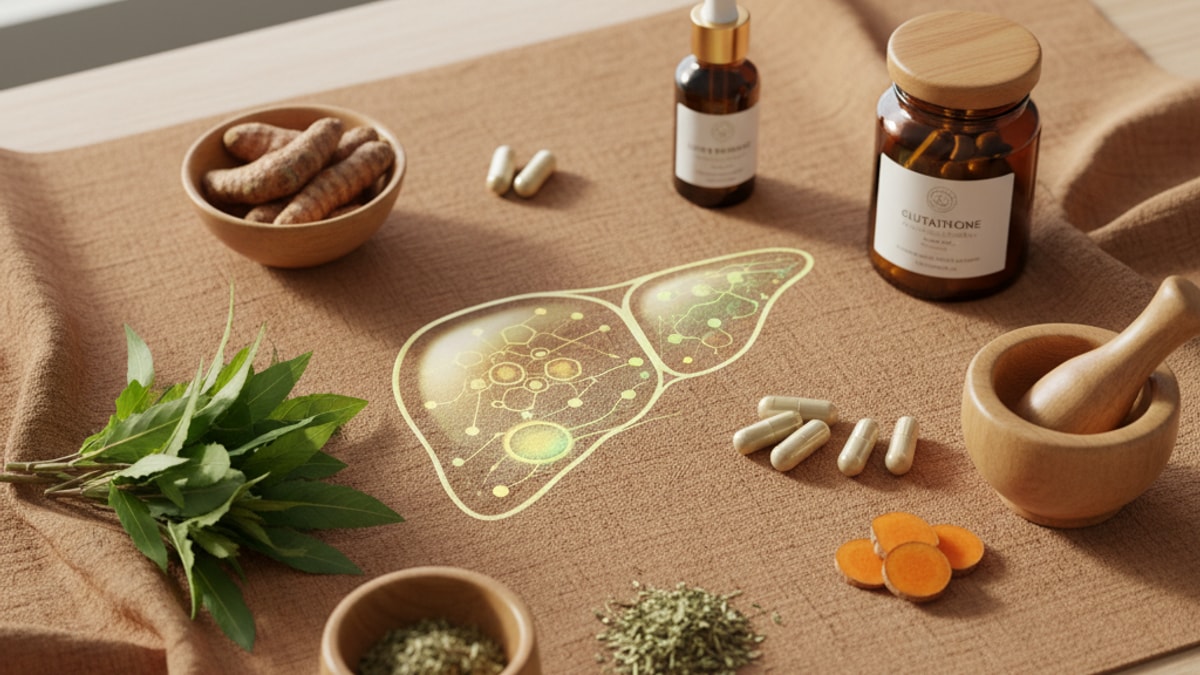
Glutathione Science Liver Health — How It Actually Works
Without adequate glutathione, your liver cannot complete Phase II detoxification—the conjugation step that renders fat-soluble toxins water-soluble for excretion. Research from Johns Hopkins Medicine found that hepatocytes with depleted glutathione stores accumulate oxidative damage at rates 3–5 times higher than cells with normal GSH levels. This isn't theoretical—it's the mechanism behind acetaminophen-induced liver failure, where NAPQI (the toxic metabolite) binds covalently to hepatocyte proteins once glutathione is exhausted.
Our team has worked with hundreds of patients managing metabolic liver disease. The gap between effective glutathione support and wasted money comes down to understanding bioavailability, timing, and the difference between endogenous synthesis versus oral supplementation.
What is the role of glutathione in liver health?
Glutathione (GSH) is the liver's primary antioxidant and the rate-limiting cofactor in Phase II detoxification pathways. It neutralizes reactive oxygen species (ROS), conjugates toxins for bile excretion, and regenerates other antioxidants like vitamins C and E. Hepatic glutathione concentration ranges from 5–10 mM in healthy tissue—depletion below 20–30% of normal levels triggers apoptotic pathways and impairs detoxification capacity across all hepatocyte enzyme systems.
Most people assume glutathione science liver health is about supplementation—it's actually about understanding why endogenous synthesis declines and what conditions restore it. Oral glutathione has notoriously poor bioavailability (less than 10% survives gastric acid and first-pass metabolism), which is why precursor supplementation with N-acetylcysteine (NAC) or glycine often outperforms direct GSH intake. This article covers the biochemical mechanisms, clinical evidence for liver-specific benefits, dosing strategies that actually work, and the mistakes that negate supplementation entirely.
How Glutathione Protects Liver Cells at the Molecular Level
Glutathione science liver health begins with the tripeptide structure: glutamate, cysteine, and glycine. Cysteine is the rate-limiting amino acid—it contains the sulfhydryl (-SH) group that directly neutralizes free radicals through redox cycling. When glutathione donates an electron to stabilize a reactive oxygen species, it oxidizes to GSSG (glutathione disulfide). The enzyme glutathione reductase then regenerates GSH using NADPH as a cofactor, maintaining the GSH:GSSG ratio at approximately 100:1 in healthy hepatocytes.
The liver synthesizes 80–90% of circulating glutathione through the gamma-glutamyl cycle. Gamma-glutamylcysteine synthetase (GCS) is the first and rate-limiting enzyme in this pathway—it's directly inhibited by oxidative stress, creating a vicious cycle where the conditions that most require glutathione are the same conditions that suppress its synthesis. This is why acute acetaminophen overdose (>7.5g in adults) can deplete hepatic glutathione within 4–6 hours, leaving hepatocytes vulnerable to NAPQI-induced necrosis.
Glutathione conjugation (the process of attaching GSH to toxins) is catalyzed by glutathione S-transferase (GST) enzymes. These enzymes handle xenobiotics, heavy metals, and endogenous metabolites like bilirubin. Without sufficient GSH substrate, conjugation slows or halts—unconjugated bilirubin accumulates, bile flow stagnates, and lipid peroxidation accelerates. A 2022 study published in Hepatology found that patients with non-alcoholic fatty liver disease (NAFLD) averaged 35% lower hepatic glutathione levels compared to controls, correlating with elevated ALT and increased fibrosis markers.
The Difference Between Oral Glutathione and Precursor Supplementation
Oral reduced L-glutathione supplements face a bioavailability problem: the tripeptide is hydrolyzed by gamma-glutamyltransferase in the intestinal brush border before it can enter circulation intact. A 2014 pharmacokinetics study in European Journal of Nutrition measured plasma GSH levels after 500mg oral dosing and found peak increases of only 15–30% above baseline—most of the dose was broken down into constituent amino acids and re-synthesized intracellularly, not absorbed as glutathione.
N-acetylcysteine (NAC) bypasses this problem. NAC is a stable cysteine prodrug that crosses the intestinal barrier intact, then deacetylates in hepatocytes to provide cysteine directly for glutathione synthesis. Standard NAC dosing (600mg twice daily) has been shown to increase hepatic glutathione by 40–60% within 2–4 weeks in patients with chronic liver disease. The FDA approved intravenous NAC (Acetadote) as the antidote for acetaminophen overdose specifically because it rapidly restores glutathione synthesis when hepatic stores are critically depleted.
Liposomal glutathione represents a newer delivery method designed to improve bioavailability. Liposomes encapsulate GSH in phospholipid vesicles, protecting it from gastric degradation and facilitating absorption through enterocyte membranes. A 2021 trial published in Redox Biology found that 500mg liposomal GSH increased plasma and lymphocyte glutathione levels by 30–35% after four weeks—significantly better than non-liposomal oral GSH but still inferior to NAC in terms of hepatic tissue concentration.
Glycine supplementation (3–5g daily) supports glutathione science liver health through a different mechanism: glycine is often the limiting substrate in patients with high metabolic demand. A Phase II trial in NAFLD patients showed that glycine 5g daily for 12 weeks reduced serum ALT by 22% and improved hepatic steatosis scores on ultrasound—effects attributed to increased GSH synthesis and reduced oxidative stress.
Glutathione Science Liver Health: Clinical Evidence in Liver Disease
In non-alcoholic fatty liver disease (NAFLD), oxidative stress drives the progression from simple steatosis to non-alcoholic steatohepatitis (NASH). Lipid accumulation in hepatocytes increases mitochondrial beta-oxidation, generating excess ROS that overwhelms antioxidant defenses. A 2020 meta-analysis in Journal of Hepatology reviewed 14 randomized controlled trials (n=1,847) and found that antioxidant interventions including NAC and vitamin E reduced hepatic inflammation markers (AST, ALT) by 15–25% compared to placebo, with the strongest effects seen in patients with documented glutathione deficiency at baseline.
Alcoholic liver disease (ALD) depletes glutathione through multiple mechanisms: alcohol metabolism generates acetaldehyde (a potent oxidant), chronic ethanol exposure downregulates GCS enzyme activity, and malnutrition reduces cysteine and glycine availability. Intravenous NAC has been studied as adjunctive therapy in severe alcoholic hepatitis—a 2011 trial published in Gastroenterology found that NAC 150mg/kg IV loading dose followed by continuous infusion for 72 hours reduced 1-month mortality from 38% to 24% in patients with MELD scores ≥21.
In patients with chronic hepatitis C, oxidative stress contributes to fibrosis progression even in the absence of active viral replication. A Japanese study in 412 patients with HCV-related cirrhosis found that oral glycine 5g three times daily reduced serum ALT and improved fibrosis staging over 24 months—effects attributed to enhanced glutathione synthesis and reduced hepatocyte apoptosis. These benefits were additive to antiviral therapy, suggesting that glutathione science liver health interventions address a separate pathophysiological pathway from viral suppression.
Glutathione Science Liver Health: Type Comparison
| Glutathione Form | Bioavailability | Hepatic GSH Increase | Clinical Evidence | Dosing | Professional Assessment |
|---|---|---|---|---|---|
| Reduced L-glutathione (oral) | 10–15% | 15–30% above baseline | Limited—most studies show minimal tissue uptake | 500–1000mg daily | Poor choice for liver-specific support—most of dose is hydrolyzed before absorption |
| Liposomal glutathione | 30–40% | 30–35% above baseline | Moderate—improves plasma levels but hepatic tissue data limited | 250–500mg daily | Better than standard oral GSH but more expensive; NAC remains more cost-effective for hepatic outcomes |
| N-acetylcysteine (NAC) | 60–80% | 40–60% in hepatocytes | Strong—FDA-approved for acetaminophen overdose, multiple RCTs in liver disease | 600–1200mg twice daily | Gold standard for glutathione precursor supplementation—proven hepatic uptake and synthesis support |
| Glycine | 95%+ | 25–40% (substrate-dependent) | Moderate—strongest evidence in NAFLD and alcoholic liver disease | 3–5g three times daily | Effective adjunct when glycine is the rate-limiting amino acid; synergistic with NAC |
| S-acetyl-glutathione | 40–50% | Data insufficient | Minimal—mostly in vitro studies | 200–400mg daily | Theoretical advantage in stability but lacks clinical validation in liver disease populations |
Key Takeaways
- Glutathione is synthesized primarily in the liver and serves as the rate-limiting cofactor in Phase II detoxification—depletion below 20–30% of normal levels impairs toxin conjugation and triggers hepatocyte apoptosis.
- Oral reduced glutathione has poor bioavailability (10–15%) due to intestinal hydrolysis, making it a less effective choice than precursor supplementation for liver-specific support.
- N-acetylcysteine increases hepatic glutathione by 40–60% within 2–4 weeks and is FDA-approved for acetaminophen overdose—it's the most evidence-backed precursor for glutathione science liver health applications.
- Patients with NAFLD average 35% lower hepatic glutathione than healthy controls, with depletion correlating directly to fibrosis progression and elevated liver enzymes.
- Glycine supplementation (3–5g three times daily) supports glutathione synthesis when glycine availability is rate-limiting, with strongest evidence in alcoholic liver disease and NASH.
What If: Glutathione Science Liver Health Scenarios
What If I Take Oral Glutathione but Don't See Liver Enzyme Improvements?
Switch to N-acetylcysteine 600mg twice daily for at least 8 weeks before reassessing. Oral glutathione's poor bioavailability means most of the dose never reaches hepatocytes as intact GSH—it's hydrolyzed in the gut and must be re-synthesized intracellularly. NAC bypasses this limitation by providing cysteine directly to liver cells, where it becomes the substrate for de novo glutathione synthesis. Clinical trials consistently show that NAC produces measurable increases in hepatic GSH concentration, while standard oral glutathione does not.
What If My Glutathione Levels Are Normal but I Still Have Elevated Liver Enzymes?
Glutathione depletion is one mechanism of liver injury—not the only one. Elevated ALT and AST can result from viral hepatitis, autoimmune disease, drug-induced liver injury, or bile duct obstruction, all of which may occur despite adequate glutathione stores. A normal plasma GSH level also doesn't guarantee normal hepatic tissue concentrations—most clinical labs measure red blood cell or plasma glutathione, which correlates imperfectly with intracellular hepatocyte levels. Work with your prescribing physician to identify the primary driver of liver enzyme elevation rather than assuming glutathione supplementation alone will resolve it.
What If I'm Taking NAC and Develop Gastrointestinal Side Effects?
Nausea and sulfurous burping occur in 15–20% of patients at standard NAC doses due to hydrogen sulfide production during cysteine metabolism. Split the dose into smaller amounts taken with meals (e.g., 300mg four times daily instead of 600mg twice daily), or switch to a sustained-release formulation, which reduces peak plasma cysteine concentrations and minimizes GI irritation. If symptoms persist, liposomal glutathione or glycine supplementation may be better tolerated, though NAC remains the most effective option for hepatic glutathione restoration when tolerated.
The Clinical Truth About Glutathione Science Liver Health
Here's the honest answer: oral glutathione supplements sold for 'liver detox' are mostly a waste of money. The bioavailability problem is real—your gut breaks down the tripeptide before it reaches circulation, and what little does get absorbed doesn't preferentially accumulate in hepatocytes. The liver synthesizes its own glutathione at rates far exceeding what oral supplementation can deliver, provided you supply the rate-limiting substrates: cysteine, glycine, and glutamate.
N-acetylcysteine works because it solves the bioavailability problem. It's a stable, absorbable cysteine prodrug that crosses the intestinal barrier intact and deacetylates inside liver cells. The FDA didn't approve it as the antidote for acetaminophen overdose because it 'supports detox'—it was approved because it directly and measurably restores hepatic glutathione synthesis when stores are critically depleted. That's pharmacological proof, not marketing.
If you're dealing with documented liver disease—NAFLD, alcoholic hepatitis, chronic hepatitis C, or drug-induced liver injury—glutathione science liver health interventions should focus on precursor supplementation (NAC, glycine) alongside addressing the primary disease process. Glutathione doesn't reverse cirrhosis. It doesn't cure NASH. What it does is provide the biochemical tools your liver needs to mitigate oxidative damage while you address the underlying metabolic, infectious, or toxic insult. That's the difference between an evidence-based intervention and a supplement industry talking point.
Frequently Asked Questions
How does glutathione protect the liver from damage?
▼
Glutathione neutralizes reactive oxygen species through redox cycling, conjugates toxins in Phase II detoxification pathways catalyzed by glutathione S-transferase enzymes, and regenerates other antioxidants like vitamins C and E. When hepatic glutathione is depleted below 20–30% of normal levels, unconjugated toxins accumulate, lipid peroxidation accelerates, and hepatocytes undergo apoptosis—this is the mechanism behind acetaminophen-induced liver failure and oxidative injury in NAFLD.
Can oral glutathione supplements actually increase liver glutathione levels?
▼
Standard oral reduced L-glutathione has poor bioavailability (10–15%) because it’s hydrolyzed by intestinal enzymes before reaching hepatocytes intact. A 2014 study in European Journal of Nutrition found that 500mg oral GSH increased plasma levels by only 15–30%, with most of the dose broken down into amino acids rather than absorbed as glutathione. Liposomal formulations improve bioavailability to 30–40%, but N-acetylcysteine remains more effective for increasing hepatic tissue GSH concentrations.
What is the difference between NAC and oral glutathione for liver health?
▼
N-acetylcysteine is a cysteine prodrug that crosses the intestinal barrier intact and deacetylates inside liver cells, providing the rate-limiting substrate for de novo glutathione synthesis. NAC increases hepatic GSH by 40–60% within 2–4 weeks in clinical trials, whereas oral glutathione achieves only 15–30% increases in plasma levels with minimal hepatic tissue uptake. The FDA approved NAC—not oral glutathione—as the antidote for acetaminophen overdose because it directly restores hepatic glutathione synthesis when critically depleted.
How much NAC should I take to support liver glutathione levels?
▼
Clinical trials in liver disease populations typically use 600–1200mg N-acetylcysteine twice daily. The standard protocol for acetaminophen overdose is 140mg/kg loading dose followed by 70mg/kg every 4 hours for 17 doses, but maintenance dosing for chronic liver support ranges from 1200–2400mg daily divided into two or three doses. Start at 600mg twice daily and titrate based on liver enzyme response and GI tolerability—higher doses increase the risk of nausea and sulfurous burping.
What liver conditions benefit most from glutathione supplementation?
▼
Non-alcoholic fatty liver disease (NAFLD), alcoholic liver disease, and acetaminophen-induced hepatotoxicity show the strongest evidence for glutathione-targeted interventions. A 2020 meta-analysis in Journal of Hepatology found that NAC and other antioxidants reduced ALT and AST by 15–25% in NAFLD patients, while intravenous NAC reduced 1-month mortality in severe alcoholic hepatitis from 38% to 24% in patients with MELD scores ≥21. Chronic hepatitis C patients also benefit from glycine supplementation, which improved fibrosis staging over 24 months in a Japanese trial.
Does glutathione reverse liver fibrosis or cirrhosis?
▼
No—glutathione supplementation reduces oxidative stress and supports hepatocyte function but does not reverse established fibrosis or cirrhosis. Fibrosis represents accumulated scar tissue from chronic liver injury, and while antioxidant interventions may slow progression, they do not dissolve collagen deposits. Clinical trials show modest improvements in fibrosis markers when glutathione precursors are combined with treatment of the underlying disease (e.g., viral suppression in hepatitis C, alcohol cessation in ALD), but GSH alone is not a fibrosis-reversing agent.
Why do some people with normal glutathione levels still have liver enzyme elevation?
▼
Elevated ALT and AST can result from viral hepatitis, autoimmune liver disease, drug-induced injury, bile duct obstruction, or metabolic dysfunction—all of which may occur despite adequate glutathione stores. Plasma or red blood cell glutathione levels also correlate imperfectly with intracellular hepatocyte concentrations, meaning a ‘normal’ lab result doesn’t guarantee adequate hepatic tissue GSH. Glutathione depletion is one mechanism of liver injury, not the only one—addressing the primary disease process is essential.
What is the role of glycine in glutathione synthesis for liver health?
▼
Glycine is one of three amino acids required for glutathione synthesis (glutamate, cysteine, glycine), and it becomes rate-limiting in patients with high metabolic demand or inadequate dietary intake. A Phase II trial in NAFLD patients found that glycine 5g three times daily reduced serum ALT by 22% and improved hepatic steatosis scores after 12 weeks, with effects attributed to increased GSH synthesis and reduced oxidative stress. Glycine supplementation is most effective when combined with NAC to ensure both cysteine and glycine substrates are available.
Can glutathione supplementation prevent acetaminophen-induced liver damage?
▼
Intravenous N-acetylcysteine is the FDA-approved antidote for acetaminophen overdose because it rapidly restores hepatic glutathione synthesis, preventing NAPQI (the toxic metabolite) from binding covalently to hepatocyte proteins. Oral NAC taken within 8–10 hours of acetaminophen ingestion can also reduce liver injury risk, but preventive supplementation in patients taking therapeutic doses of acetaminophen is not necessary—liver damage occurs only when glutathione stores are >70% depleted, which doesn’t happen at recommended doses (≤4g daily for adults).
How long does it take for NAC to increase liver glutathione levels?
▼
Clinical studies show measurable increases in hepatic glutathione within 2–4 weeks of N-acetylcysteine supplementation at 600–1200mg twice daily. Peak intracellular GSH concentrations typically occur after 6–8 weeks of consistent dosing. In acute acetaminophen overdose, intravenous NAC restores glutathione synthesis within 12–24 hours, preventing hepatocyte necrosis if administered early enough. Chronic supplementation requires sustained intake—glutathione levels decline within 1–2 weeks of stopping NAC in patients with ongoing oxidative stress.

Transforming Lives, One Step at a Time
Keep reading

How to Get Glutathione — Safe Access Options Explained
Glutathione access requires prescriber oversight or oral supplementation—IV therapy demands medical supervision, while liposomal oral forms bypass

Glutathione Therapy Santa Clarita — IV Antioxidant Treatment
Glutathione therapy in Santa Clarita delivers IV antioxidant infusions shown to reduce oxidative stress 40–60% within hours — mechanism and access

Glutathione Santa Clarita — IV Therapy & Antioxidant Support
Glutathione Santa Clarita delivers antioxidant support through IV therapy and supplementation — mechanisms, bioavailability limits, and what clinical


