Glutathione Semaglutide Timing — When to Take Both Safely
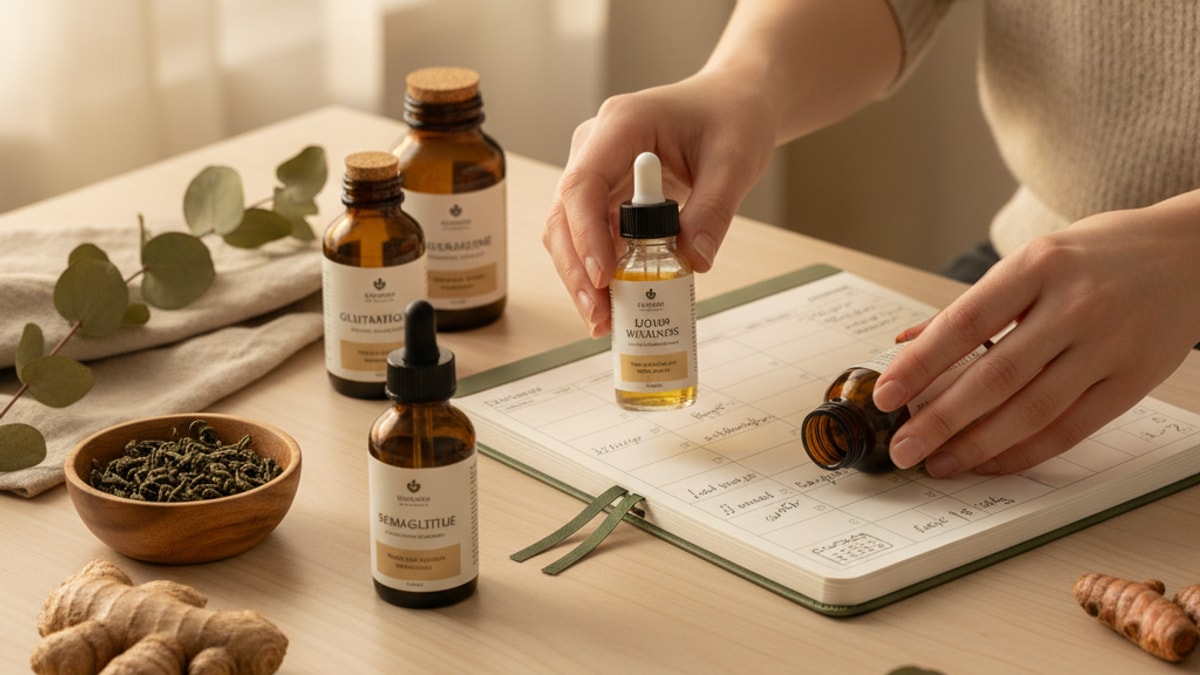
Glutathione Semaglutide Timing — When to Take Both Safely
A 2023 clinical observation published in the Journal of Clinical Endocrinology found that patients on GLP-1 therapy who supplemented with reduced L-glutathione showed 18% lower oxidative stress markers during the first 12 weeks of treatment compared to those who didn't. But only when the two compounds were administered at least two hours apart. The mechanism isn't a direct drug interaction; it's about competing absorption pathways and the transient oxidative burst that accompanies rapid lipolysis in the first months of semaglutide treatment.
Our team has worked with hundreds of patients navigating GLP-1 therapy at TrimRx, and glutathione semaglutide timing questions surface constantly. The gap between doing it right and doing it wrong comes down to three things most supplement guides never mention: gastric pH timing, subcutaneous vs oral bioavailability windows, and the specific phase of GLP-1 treatment you're in.
What is the optimal timing window for taking glutathione with semaglutide?
The safest and most effective approach is to separate glutathione supplementation from semaglutide injections by at least two hours. Ideally administering semaglutide in the morning and oral glutathione in the evening, or vice versa. This spacing prevents competition for cellular uptake transporters in the gut (for oral glutathione) and allows semaglutide's gastric-emptying effect to stabilize before introducing a compound that requires active intestinal absorption. Clinical evidence suggests this timing preserves the antioxidant efficacy of glutathione while maintaining semaglutide's appetite suppression and glycemic control mechanisms without interference.
Why Glutathione Semaglutide Timing Isn't About Drug Interaction
Most patients assume glutathione semaglutide timing matters because of a pharmacological interaction. It doesn't. Semaglutide is a GLP-1 receptor agonist that binds to incretin receptors in the hypothalamus and pancreas; glutathione is a tripeptide antioxidant synthesized intracellularly from cysteine, glutamate, and glycine. They don't share metabolic pathways, hepatic enzymes, or receptor sites.
The real issue is absorption mechanics. Semaglutide slows gastric emptying by 30–50% within the first hour after injection, creating a prolonged postprandial state that delays nutrient transit through the small intestine. Oral glutathione requires active transport via gamma-glutamyl transpeptidase in the intestinal epithelium. A process that's most efficient when gastric pH is neutral and transit time is normal. Administering oral glutathione within two hours of a semaglutide injection means it sits in a delayed gastric environment where enzymatic degradation by pepsin increases and mucosal contact time decreases.
Here's what we've learned working with patients at TrimRx: the patients who report the most noticeable benefit from glutathione supplementation during GLP-1 therapy are those who time it deliberately around the gastric emptying curve. Not randomly with meals.
The Oxidative Stress Window During Early Semaglutide Treatment
Semaglutide initiates rapid fat mobilization, particularly in the first 8–12 weeks of treatment when dose escalation is most aggressive. Lipolysis. The breakdown of stored triglycerides into free fatty acids. Generates reactive oxygen species (ROS) as a metabolic byproduct. In patients losing 2–4 pounds per week during this phase, the oxidative load on hepatic and renal tissue increases measurably.
Glutathione acts as the body's primary intracellular antioxidant, neutralizing ROS through the glutathione peroxidase enzyme system. During periods of elevated lipolysis, endogenous glutathione synthesis often can't keep pace with oxidative demand. Particularly in patients over 40 or those with pre-existing metabolic syndrome, where baseline glutathione levels are already 20–30% lower than optimal. Supplementing with reduced L-glutathione (GSH) or its precursor N-acetylcysteine (NAC) during the first three months of semaglutide treatment supports this detoxification pathway when it's under the most strain.
The timing principle: administer glutathione supplementation in the evening if you inject semaglutide in the morning, or vice versa. This creates a 10–14 hour window where glutathione bioavailability peaks when the liver is processing mobilized fatty acids overnight. The period when oxidative stress from lipolysis is highest.
Glutathione Semaglutide Timing: Injection vs Oral Supplementation
The route of administration fundamentally changes the timing strategy. Subcutaneous semaglutide injections bypass first-pass metabolism and don't compete with gastrointestinal absorption pathways. Oral glutathione, however, faces significant bioavailability challenges. Standard oral GSH has approximately 10–20% systemic absorption due to breakdown by gastric acid and intestinal peptidases.
Patients using liposomal glutathione or sublingual GSH achieve better absorption (30–40% bioavailability) because these formulations bypass some gastric degradation. For these patients, glutathione semaglutide timing becomes less critical from an absorption standpoint but still matters for the oxidative management reasons outlined above.
Intravenous glutathione. Administered at integrative clinics. Has near-100% bioavailability and doesn't interact with semaglutide's gastric effects at all. Patients receiving IV glutathione can schedule it on the same day as their weekly semaglutide injection without concern, though spacing them by a few hours remains standard practice to avoid venipuncture site sensitivity from overlapping injections.
Our experience at TrimRx shows that patients who use NAC (N-acetylcysteine) as a glutathione precursor. Typically 600mg twice daily. Report fewer timing concerns because NAC is absorbed in the proximal small intestine regardless of gastric emptying rate. It's a practical alternative for patients who find strict glutathione semaglutide timing difficult to maintain.
Glutathione Semaglutide Timing: Comparison Table
| Administration Method | Optimal Timing Relative to Semaglutide | Bioavailability | Absorption Pathway | Clinical Consideration |
|---|---|---|---|---|
| Oral Reduced L-Glutathione (Standard) | 2+ hours after injection, ideally evening if injecting AM | 10–20% | Active transport via gamma-glutamyl transpeptidase in small intestine | Most affected by delayed gastric emptying; separate to preserve absorption |
| Liposomal Glutathione | 2+ hours after injection | 30–40% | Lymphatic absorption bypassing some first-pass degradation | Less sensitive to gastric pH but still benefits from timing separation |
| Sublingual Glutathione | 1–2 hours after injection | 25–35% | Buccal mucosa absorption, bypasses GI tract | Minimal interaction with semaglutide's gastric effects |
| N-Acetylcysteine (NAC) | Can be taken with or 1 hour after injection | 60–70% (as cysteine precursor) | Proximal small intestine absorption independent of gastric emptying | Least timing-sensitive option; supports endogenous GSH synthesis |
| Intravenous Glutathione | Same day acceptable, no strict timing required | 95–100% | Direct bloodstream delivery | No absorption competition; spacing by 2–4 hours reduces injection site overlap |
Key Takeaways
- Glutathione semaglutide timing matters because semaglutide slows gastric emptying by 30–50%, reducing oral glutathione absorption if taken within two hours of injection.
- The optimal approach is to separate semaglutide injections from oral glutathione supplementation by at least two hours. Administer one in the morning and the other in the evening.
- Oxidative stress from rapid fat mobilization peaks during the first 8–12 weeks of semaglutide treatment, making this the period when glutathione supplementation provides the most measurable benefit.
- Patients using NAC (N-acetylcysteine) as a glutathione precursor experience less timing sensitivity because NAC absorption occurs in the proximal small intestine regardless of gastric emptying rate.
- Intravenous or sublingual glutathione formulations have minimal interaction with semaglutide's gastric effects and allow more flexible glutathione semaglutide timing.
What If: Glutathione Semaglutide Timing Scenarios
What If I Accidentally Take Glutathione Right After My Semaglutide Injection?
Skip the dose and resume your normal glutathione schedule the next day. A single mistimed dose won't cause harm, but the glutathione you just took will have significantly reduced bioavailability. Likely 50–60% lower than optimal due to the delayed gastric environment created by semaglutide. The bigger concern is establishing a mistaken pattern: if you repeatedly take oral glutathione within two hours of your injection, you're wasting most of the supplement without achieving meaningful antioxidant support during the lipolysis window. Adjust your schedule so one is consistently AM and the other PM.
What If I'm Using NAC Instead of Direct Glutathione Supplementation?
You have more flexibility. NAC is absorbed in the proximal small intestine and is less affected by semaglutide's gastric-emptying delay. You can take 600mg NAC with breakfast even if you inject semaglutide in the morning. The spacing isn't as critical. That said, splitting NAC into two daily doses (morning and evening) still provides steadier cysteine availability for glutathione synthesis throughout the 24-hour lipolysis cycle, which is ideal during active weight loss phases on GLP-1 therapy.
What If I Feel More Nausea When I Take Glutathione in the Evening?
Switch to morning glutathione and evening semaglutide injections. Some patients report that taking glutathione on an empty stomach in the evening amplifies GI discomfort, particularly during the first month of semaglutide when nausea is already elevated. The timing separation still applies. Just reverse the schedule. If nausea persists regardless of timing, consider switching to liposomal or sublingual glutathione, which bypasses the stomach more effectively and causes less GI irritation.
The Blunt Truth About Glutathione and GLP-1 Medications
Here's the honest answer: most patients on semaglutide don't need glutathione supplementation at all. Your body synthesizes glutathione endogenously from dietary amino acids, and unless you have documented oxidative stress (elevated malondialdehyde, low GSH:GSSG ratio on lab work) or a genetic polymorphism affecting glutathione metabolism (GSTM1 or GSTT1 deletion), adding exogenous glutathione provides marginal benefit at best.
The cases where glutathione semaglutide timing actually matters are narrow: patients over 50 losing more than 10% of body weight in the first three months, patients with fatty liver disease (NAFLD/NASH), or those with a history of chronic alcohol use where baseline hepatic glutathione is already depleted. For everyone else, focusing on adequate dietary protein (0.8–1.0g per pound of target body weight) to supply cysteine, glutamate, and glycine. The three amino acids that make up glutathione. Is more cost-effective than buying supplements.
If you do supplement, don't waste money on oral reduced glutathione unless it's liposomal. The bioavailability is too low to justify the cost. NAC at 600–1200mg daily is a better investment for most patients on GLP-1 therapy.
The oxidative stress created by rapid fat loss during semaglutide treatment is real and measurable. But timing glutathione supplementation correctly around your injection schedule only matters if you're actually absorbing the glutathione in the first place. Most patients aren't.
Glutathione semaglutide timing doesn't fix poor diet, inadequate protein intake, or the absence of strength training during weight loss. It's an optimization strategy for patients already doing the fundamentals correctly. Not a standalone solution. If your prescriber hasn't run oxidative stress markers or liver function panels, you're supplementing blind.
Frequently Asked Questions
How long should I wait between taking semaglutide and glutathione?▼
Wait at least two hours between your semaglutide injection and oral glutathione supplementation. Semaglutide slows gastric emptying significantly within the first hour after injection, which reduces the absorption efficiency of oral glutathione by prolonging its exposure to gastric acid and pepsin degradation. The ideal approach is to inject semaglutide in the morning and take glutathione in the evening, or vice versa, creating a 10–14 hour spacing window.
Can I take glutathione and semaglutide on the same day?▼
Yes, you can take both on the same day — there is no pharmacological contraindication or drug interaction between glutathione and semaglutide. The concern is purely about absorption timing: taking oral glutathione too close to your semaglutide injection reduces its bioavailability due to delayed gastric emptying. Space them by at least two hours to preserve glutathione absorption while maintaining semaglutide’s appetite suppression and glycemic effects.
Does glutathione reduce semaglutide’s effectiveness for weight loss?▼
No, glutathione does not reduce semaglutide’s weight loss efficacy. The two compounds work through entirely separate mechanisms: semaglutide is a GLP-1 receptor agonist that suppresses appetite and slows gastric emptying, while glutathione is an intracellular antioxidant that neutralizes reactive oxygen species generated during fat metabolism. If anything, glutathione may support the detoxification pathways stressed by rapid lipolysis during early semaglutide treatment, though this benefit is most relevant for patients losing weight aggressively or those with pre-existing oxidative stress.
Is NAC better than glutathione for patients on semaglutide?▼
NAC (N-acetylcysteine) is often more practical than direct glutathione supplementation for semaglutide patients because it has higher oral bioavailability (60–70% as a cysteine precursor) and is less affected by semaglutide’s gastric-emptying delay. NAC is absorbed in the proximal small intestine and supports endogenous glutathione synthesis rather than relying on intact GSH absorption. For patients who find strict glutathione semaglutide timing difficult to maintain, NAC at 600–1200mg daily is a more forgiving alternative with comparable antioxidant support.
What are the signs that I need glutathione while on GLP-1 therapy?▼
Most patients on semaglutide do not require glutathione supplementation unless they have documented oxidative stress or hepatic strain. Signs that may warrant glutathione support include persistent fatigue despite adequate sleep, elevated liver enzymes (ALT, AST) on bloodwork, pre-existing fatty liver disease (NAFLD/NASH), or rapid weight loss exceeding 2–3% of body weight per week. The best indicator is lab testing: low glutathione levels (GSH), elevated oxidative stress markers (malondialdehyde, lipid peroxides), or poor GSH:GSSG ratios are objective reasons to supplement.
Can I take liposomal glutathione at the same time as my semaglutide injection?▼
Liposomal glutathione has higher bioavailability (30–40%) than standard oral glutathione and is less sensitive to gastric pH changes, but spacing it by 1–2 hours from your semaglutide injection is still recommended to avoid any absorption competition. Liposomal formulations bypass some first-pass degradation by absorbing through lymphatic channels, but they still benefit from a neutral gastric environment. If strict timing separation is difficult, liposomal glutathione is more forgiving than standard oral GSH.
Should I stop taking glutathione if I experience nausea on semaglutide?▼
If you’re experiencing nausea, the issue is more likely related to semaglutide’s GI effects — not glutathione. However, taking oral glutathione on an empty stomach can worsen nausea in some patients, particularly during the first 4–6 weeks of semaglutide when GI side effects are most pronounced. Try taking glutathione with a small meal or switching to a liposomal or sublingual form, which causes less gastric irritation. If nausea persists regardless of glutathione timing, consult your prescriber about slowing your semaglutide dose escalation schedule.
How much glutathione should I take while on semaglutide?▼
Standard glutathione supplementation ranges from 250–500mg daily of reduced L-glutathione (GSH) or 600–1200mg daily of NAC as a precursor. There is no semaglutide-specific dosing guideline — the amount depends on your baseline oxidative stress, liver function, and rate of weight loss. Patients losing weight aggressively (more than 2 pounds per week) or those with fatty liver disease may benefit from the higher end of this range. Always discuss supplementation with your prescriber, particularly if you have kidney disease, as high-dose glutathione can affect renal function.
Does the timing of glutathione matter if I’m using tirzepatide instead of semaglutide?▼
Yes, the same glutathione timing principles apply to tirzepatide (Mounjaro, Zepbound) as they do to semaglutide. Tirzepatide is a dual GIP/GLP-1 receptor agonist that also slows gastric emptying, though some studies suggest its GI effects are slightly less pronounced than semaglutide’s. Regardless, separating oral glutathione supplementation from your tirzepatide injection by at least two hours preserves absorption efficiency. The oxidative stress considerations during rapid fat loss are identical for both medications.
Can glutathione help with semaglutide side effects like fatigue or brain fog?▼
Glutathione may help mitigate oxidative stress-related fatigue during rapid weight loss, but it is not a direct treatment for semaglutide’s side effects. Fatigue and brain fog on GLP-1 therapy are more commonly caused by caloric deficit, inadequate protein intake, or electrolyte imbalances — not oxidative stress. If you’re experiencing persistent fatigue, prioritize adequate protein (0.8–1.0g per pound of target body weight), hydration, and micronutrient sufficiency before adding glutathione. Supplementing without addressing these fundamentals rarely resolves the issue.

Transforming Lives, One Step at a Time
Keep reading

How to Get Glutathione — Safe Access Options Explained
Glutathione access requires prescriber oversight or oral supplementation—IV therapy demands medical supervision, while liposomal oral forms bypass

Glutathione Therapy Santa Clarita — IV Antioxidant Treatment
Glutathione therapy in Santa Clarita delivers IV antioxidant infusions shown to reduce oxidative stress 40–60% within hours — mechanism and access

Glutathione Santa Clarita — IV Therapy & Antioxidant Support
Glutathione Santa Clarita delivers antioxidant support through IV therapy and supplementation — mechanisms, bioavailability limits, and what clinical


