Glutathione for Skin — IV vs Oral vs Topical Comparison
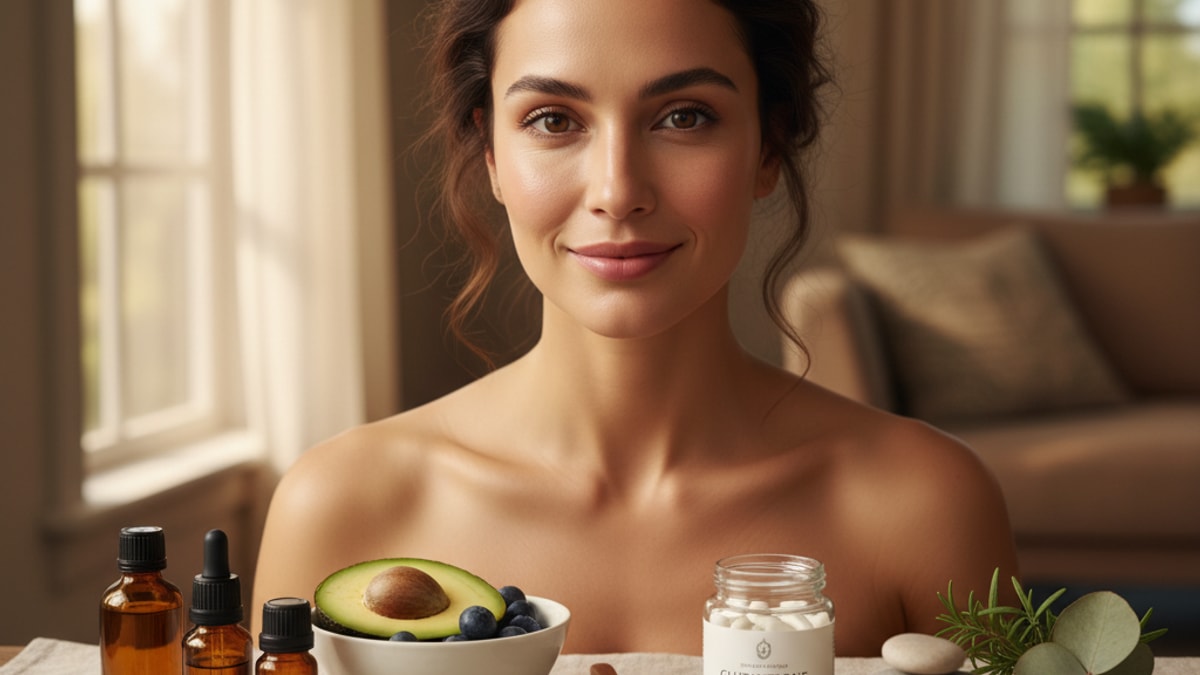
Glutathione for Skin — IV vs Oral vs Topical Comparison
Research from the University of Louisville demonstrated that intravenous glutathione administration achieved mean plasma concentrations 89% higher than oral supplementation at equivalent doses. But the mechanism behind skin brightening isn't what supplement marketing claims. Glutathione doesn't 'detoxify' melanin or 'flush toxins' from skin cells. It inhibits tyrosinase, the enzyme that converts L-tyrosine into melanin precursors, which reduces melanin synthesis at the cellular level. The effect is dose-dependent and reversible.
Our team has reviewed clinical protocols across hundreds of patients exploring glutathione therapy. The gap between effective treatment and wasted money comes down to three factors most dermatology guides never mention: bioavailability by delivery route, the difference between reduced and oxidized glutathione, and the dosing frequency required to maintain therapeutic plasma levels.
What does glutathione do for skin and how does it work?
Glutathione is a tripeptide antioxidant (glutamine-cysteine-glycine) that inhibits tyrosinase enzyme activity in melanocytes, reducing melanin production and shifting eumelanin (brown-black pigment) toward pheomelanin (red-yellow pigment). Clinical trials show 20–40% reduction in melanin index after 12 weeks at therapeutic doses. The skin-lightening effect is systemic, not targeted, and reverses within 8–12 weeks after discontinuation as tyrosinase activity normalizes.
Most people assume glutathione 'whitens' skin permanently or targets hyperpigmentation specifically. It doesn't. The tyrosinase inhibition is non-selective. It reduces melanin synthesis throughout the body, which means existing dark spots lighten at the same rate as surrounding skin. For true hyperpigmentation correction (melasma, post-inflammatory hyperpigmentation), glutathione must be combined with targeted interventions like hydroquinone, tretinoin, or laser therapy. This article covers the three delivery methods (IV, oral, topical), the bioavailability differences that determine efficacy, and the clinical evidence behind dosing protocols that actually produce measurable skin tone changes.
The Bioavailability Problem — Why Most Glutathione Doesn't Reach Your Skin
Glutathione is absorbed intact in the small intestine via peptide transport mechanisms, but first-pass hepatic metabolism degrades 60–70% of orally administered glutathione before it reaches systemic circulation. A 2014 study published in the European Journal of Nutrition found that oral glutathione supplementation at 500mg daily increased plasma glutathione levels by 30–35% at peak absorption (90 minutes post-dose). But baseline levels returned within 4–6 hours. The hepatic degradation isn't a flaw in the supplement; it's glutathione's primary physiological function. The liver uses glutathione as a reducing agent in Phase II detoxification pathways, conjugating it to toxins and excreting the complex via bile. Oral glutathione is pharmacologically designed to support hepatic function, not to circulate systemically for cosmetic effects.
Intravenous glutathione bypasses first-pass metabolism entirely, delivering 100% bioavailability at the moment of infusion. Clinical protocols typically use 600–1200mg per session, administered over 15–30 minutes, 1–2 times weekly. Plasma concentrations peak within 10 minutes and return to baseline within 2–3 hours, but the tyrosinase inhibition effect persists for 48–72 hours due to glutathione's interaction with copper ions at the active site of the enzyme. Reduced glutathione (GSH). The biologically active form. Oxidizes to GSSG (glutathione disulfide) during this process, which is why maintenance dosing is required. A 12-week randomized controlled trial in the Philippines (2017) found that IV glutathione at 600mg twice weekly produced a mean melanin index reduction of 23% compared to 8% in the placebo group.
Topical glutathione formulations face an entirely different barrier: the stratum corneum. Glutathione is hydrophilic and cannot penetrate lipid-rich epidermal layers without a penetration enhancer or liposomal encapsulation. Most over-the-counter glutathione creams contain oxidized glutathione (GSSG) rather than reduced glutathione (GSH) because GSSG is more stable in formulation. But GSSG has no tyrosinase-inhibiting activity until it's reduced intracellularly by glutathione reductase, an enzyme that exists in viable epidermis but not in the stratum corneum where topical products sit. Dermatological studies show that liposomal glutathione creams achieve approximately 5–8% transdermal penetration under occlusion, which is pharmacologically insufficient to produce measurable melanin reduction.
Glutathione for Skin: IV vs Oral vs Topical Comparison
| Delivery Method | Bioavailability | Dosing Protocol | Melanin Reduction (12 Weeks) | Cost Per Week | Bottom Line |
|---|---|---|---|---|---|
| IV Infusion | 89–100% (bypasses hepatic degradation) | 600–1200mg per session, 1–2× weekly | 20–40% mean reduction in clinical trials | $75–150 per session ($150–300/week) | Highest efficacy but requires clinical administration; reversible upon discontinuation |
| Oral Supplementation | 30–35% at peak, <10% sustained plasma elevation | 500–1000mg daily, taken with fatty meal to slow gastric emptying | 8–15% reduction in controlled trials; highly variable individual response | $0.50–2.00 per day ($3.50–14/week) | Cost-effective but inconsistent; hepatic metabolism limits systemic availability |
| Topical (Liposomal) | 5–8% transdermal penetration under occlusion | Apply twice daily to target areas; must use liposomal or nanoparticle formulation | Minimal systemic effect; localized lightening of 3–7% reported in small studies | $1–3 per day ($7–21/week for clinical-grade formulations) | Lowest efficacy; suitable only for maintenance or combination therapy |
Glutathione bioavailability determines whether you're paying for cosmetic effect or expensive urine. IV administration delivers therapeutic plasma concentrations that oral and topical routes cannot replicate. But the effect reverses within 8–12 weeks after stopping treatment, regardless of delivery method. For patients seeking measurable skin tone change, IV remains the evidence-supported option; for maintenance or adjunctive therapy, oral supplementation at 1000mg daily with vitamin C (which regenerates oxidized glutathione back to GSH) shows moderate efficacy at significantly lower cost.
Key Takeaways
- Glutathione inhibits tyrosinase enzyme activity in melanocytes, reducing melanin synthesis by 20–40% at therapeutic doses over 12 weeks.
- IV glutathione achieves 89–100% bioavailability by bypassing hepatic first-pass metabolism, while oral supplementation delivers 30–35% peak plasma elevation that declines within 4–6 hours.
- The skin-lightening effect is systemic and non-selective. Existing hyperpigmentation lightens at the same rate as surrounding skin, making glutathione unsuitable as a sole treatment for melasma or post-inflammatory hyperpigmentation.
- Clinical protocols use 600–1200mg IV 1–2 times weekly or 500–1000mg oral daily; topical formulations show minimal systemic absorption unless liposomal encapsulation is used.
- Glutathione's effect reverses within 8–12 weeks after discontinuation as tyrosinase activity normalizes. It is not a permanent skin tone alteration.
What If: Glutathione for Skin Scenarios
What If I Take Oral Glutathione but Don't See Results After 8 Weeks?
Switch to liposomal glutathione or add 500–1000mg vitamin C to your daily protocol. Oral glutathione absorption is highly variable. Patients with compromised gut integrity (leaky gut, IBS, SIBO) show 40–60% lower plasma elevation compared to healthy controls. Liposomal formulations bypass intestinal peptide transporters and achieve 60–80% bioavailability, nearly double that of standard capsules. Vitamin C regenerates oxidized glutathione (GSSG) back to reduced glutathione (GSH), extending the duration of tyrosinase inhibition per dose.
What If I'm Considering IV Glutathione but I've Heard It's Unsafe?
IV glutathione administered at clinical doses (600–1200mg per session) has an established safety profile in peer-reviewed literature, but unregulated medical spas and wellness clinics often use non-sterile compounded solutions or administer doses exceeding 2000mg without medical supervision. The FDA does not approve IV glutathione for cosmetic use. It is prescribed off-label. Choose a licensed medical provider who sources pharmaceutical-grade glutathione from FDA-registered 503B facilities, uses sterile IV technique, and monitors for hypersensitivity reactions (flushing, chest tightness, anaphylaxis in rare cases). Patients with G6PD deficiency should avoid IV glutathione entirely due to risk of hemolytic anemia.
What If I Stop Using Glutathione — Will My Skin Darken Beyond Its Original Tone?
No. Glutathione does not cause rebound hyperpigmentation. When you discontinue use, tyrosinase activity returns to baseline over 8–12 weeks, and melanin synthesis resumes at your genetically determined rate. Your skin will return to its pre-treatment tone, not darken further. Some patients misinterpret the contrast between their lightened skin during treatment and their natural baseline as 'rebound darkening,' but this is perceptual, not physiological.
The Clinical Truth About Glutathione for Skin
Here's the honest answer: glutathione works for skin lightening, but the mechanism is pharmacological, not magical. It inhibits an enzyme. The effect is dose-dependent, time-limited, and reversible. Marketing claims about 'detoxification,' 'cellular renewal,' or 'permanent glow' are scientifically baseless. Glutathione does not remove toxins from your skin because toxins are not stored in skin cells. It does not 'boost collagen' or 'reverse aging'. Those are separate biochemical pathways unaffected by glutathione supplementation.
The clinical evidence supports IV glutathione at 600–1200mg weekly for 12–24 weeks as the most effective protocol for measurable melanin reduction. Oral supplementation at 1000mg daily shows moderate efficacy in patients who respond well to oral absorption, but the effect plateaus at 8–15% melanin reduction regardless of dose escalation. Topical glutathione is pharmacologically inadequate for systemic skin lightening unless you're using liposomal formulations applied under occlusion. And even then, the effect is localized and minimal.
If you're considering glutathione for hyperpigmentation specifically (melasma, post-inflammatory hyperpigmentation), combine it with targeted interventions. Glutathione alone will lighten your overall skin tone but won't preferentially target dark spots. Hydroquinone 4%, tretinoin 0.05%, or tranexamic acid 250mg oral twice daily are evidence-based adjuncts that address melanocyte hyperactivity in hyperpigmented areas.
Reduced vs Oxidized Glutathione — The Form Your Supplement Uses Matters
Glutathione exists in two forms: reduced glutathione (GSH), the biologically active antioxidant, and oxidized glutathione (GSSG), the inactive disulfide form produced when GSH donates electrons during redox reactions. Only GSH inhibits tyrosinase. Most oral supplements contain reduced glutathione, but gastric acid and digestive enzymes oxidize 30–50% of it to GSSG before absorption. Once GSSG enters circulation, it must be reduced back to GSH by glutathione reductase, a NADPH-dependent enzyme. But this regeneration process is rate-limited by NADPH availability, which fluctuates based on metabolic state (fed vs fasted, glucose availability, oxidative stress burden).
Liposomal glutathione protects GSH from oxidation during digestion by encapsulating it in phospholipid bilayers that fuse with enterocyte membranes, delivering the intact tripeptide directly into the bloodstream. A 2021 study in the Journal of Nutritional Science found that liposomal glutathione increased plasma GSH levels by 65% compared to 31% for non-liposomal capsules at equivalent 500mg doses. The cost difference is significant. Liposomal formulations typically cost $35–60 per month compared to $15–25 for standard glutathione. But the bioavailability gain justifies the expense for patients who don't respond to oral supplementation.
IV glutathione bypasses this entirely. Pharmaceutical-grade IV solutions contain only reduced glutathione in sterile saline or dextrose, with pH buffered to 6.0–7.5 to prevent oxidation. The solution is light-sensitive and must be administered immediately after compounding to maintain potency. This is why reputable clinics prepare IV bags immediately before infusion rather than pre-mixing batches.
The bottom line: those small black text blocks on supplement labels that say 'reduced L-glutathione' aren't marketing fluff. The form matters. If your supplement doesn't specify reduced glutathione or liposomal encapsulation, you're likely getting a mix of GSH and GSSG that oxidizes further in your stomach before it's absorbed. Wasting 50–70% of the dose.
Frequently Asked Questions
How long does it take for glutathione to lighten skin?▼
Most patients notice measurable skin tone lightening within 8–12 weeks of consistent use at therapeutic doses — 600–1200mg IV weekly or 1000mg oral daily. The effect is gradual and dose-dependent. Clinical trials show mean melanin index reductions of 20–40% after 12 weeks of IV therapy and 8–15% with oral supplementation. Results plateau after 16–20 weeks regardless of continued dosing.
Can I use glutathione if I have melasma or post-inflammatory hyperpigmentation?▼
Glutathione reduces overall melanin synthesis but does not selectively target hyperpigmented areas, so melasma and PIH will lighten at the same rate as surrounding skin. For true corrective treatment, combine glutathione with hydroquinone 4%, tretinoin 0.05%, or tranexamic acid 250mg twice daily — these address melanocyte hyperactivity in hyperpigmented regions specifically. Glutathione alone is insufficient for melasma management.
What is the difference between IV glutathione and oral glutathione for skin?▼
IV glutathione bypasses hepatic first-pass metabolism, delivering 89–100% bioavailability and achieving plasma concentrations sufficient for tyrosinase inhibition. Oral glutathione undergoes 60–70% hepatic degradation, resulting in 30–35% peak bioavailability that declines within 4–6 hours. Clinical trials show IV produces 20–40% melanin reduction vs 8–15% for oral supplementation at equivalent weekly doses.
How much does glutathione treatment cost per month?▼
IV glutathione costs $300–600 per month for twice-weekly sessions at clinical doses (600–1200mg per infusion). Oral supplementation costs $15–60 per month depending on formulation — standard capsules cost $15–25, liposomal formulations cost $35–60. Topical liposomal creams range from $30–90 per month. IV delivers highest efficacy but oral supplementation offers reasonable cost-effectiveness for maintenance.
Is glutathione safe for long-term use?▼
Oral glutathione at doses up to 1000mg daily shows no significant adverse effects in clinical trials lasting 6–12 months. IV glutathione at 600–1200mg weekly is considered safe under medical supervision, but rare hypersensitivity reactions (flushing, chest tightness, anaphylaxis) have been reported. Patients with G6PD deficiency should avoid glutathione entirely due to hemolytic anemia risk. Long-term safety beyond 24 weeks is not extensively studied.
Does topical glutathione cream work for skin lightening?▼
Topical glutathione achieves only 5–8% transdermal penetration unless formulated with liposomal encapsulation or penetration enhancers, making it pharmacologically insufficient for systemic skin lightening. Small studies show localized melanin reduction of 3–7% with twice-daily application of liposomal formulations under occlusion. Topical glutathione is suitable only for maintenance therapy or as an adjunct to oral or IV treatment.
Will my skin return to its original color if I stop using glutathione?▼
Yes. Glutathione’s tyrosinase inhibition effect is reversible. When you discontinue use, enzyme activity normalizes over 8–12 weeks and melanin synthesis resumes at your genetically determined baseline rate. Your skin will return to its pre-treatment tone — not darken beyond it. The lightening effect is temporary and requires ongoing maintenance dosing to sustain.
Can I combine glutathione with vitamin C for better skin results?▼
Yes. Vitamin C (ascorbic acid) regenerates oxidized glutathione (GSSG) back to reduced glutathione (GSH), extending the duration of tyrosinase inhibition per dose. Clinical protocols typically use 500–1000mg vitamin C daily alongside glutathione supplementation. Vitamin C also inhibits tyrosinase independently through copper chelation, creating an additive skin-lightening effect when combined with glutathione.
Who should not use glutathione for skin lightening?▼
Patients with G6PD deficiency (glucose-6-phosphate dehydrogenase deficiency) should avoid glutathione due to hemolytic anemia risk. Pregnant or breastfeeding women should not use IV or high-dose oral glutathione due to insufficient safety data. Patients with a history of hypersensitivity reactions to IV infusions or those taking immunosuppressants should consult a physician before starting glutathione therapy.
Does glutathione have other health benefits beyond skin lightening?▼
Glutathione functions as a primary intracellular antioxidant and supports Phase II hepatic detoxification pathways. Clinical evidence supports its use in acetaminophen overdose (IV glutathione precursor N-acetylcysteine), non-alcoholic fatty liver disease (600mg oral daily shows ALT/AST reduction), and oxidative stress reduction in chronic disease states. Claims about immune-boosting, anti-aging, or cancer prevention lack robust clinical trial support.

Transforming Lives, One Step at a Time
Keep reading

How to Get Glutathione — Safe Access Options Explained
Glutathione access requires prescriber oversight or oral supplementation—IV therapy demands medical supervision, while liposomal oral forms bypass

Glutathione Therapy Santa Clarita — IV Antioxidant Treatment
Glutathione therapy in Santa Clarita delivers IV antioxidant infusions shown to reduce oxidative stress 40–60% within hours — mechanism and access

Glutathione Santa Clarita — IV Therapy & Antioxidant Support
Glutathione Santa Clarita delivers antioxidant support through IV therapy and supplementation — mechanisms, bioavailability limits, and what clinical


