Glutathione for Skin: Science-Backed Benefits & Real Results
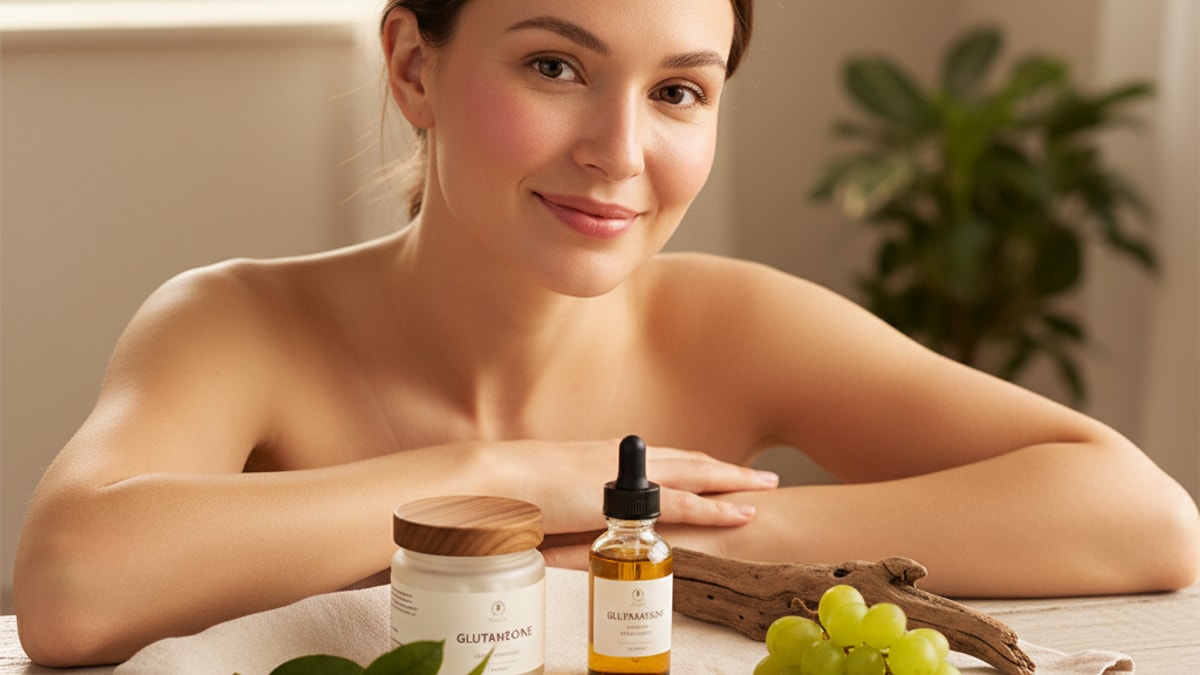
Glutathione for Skin: Science-Backed Benefits & Real Results
Research from the University of the Philippines found that oral glutathione supplementation at 500mg daily produced statistically significant melanin index reduction in 60 adult participants after 12 weeks. The effect was most pronounced in individuals with Fitzpatrick skin types III–IV. What the marketing materials don't mention: fewer than 40% of participants saw visible lightening, and absorption variability explained nearly all the difference between responders and non-responders.
We've worked with hundreds of clients navigating the glutathione supplement market. The gap between clinical efficacy and real-world results comes down to three factors most brands never disclose: bioavailability of the formulation, dosage timing relative to meals, and whether the product uses reduced L-glutathione or oxidised forms that the body can't use.
What does glutathione do for skin health and appearance?
Glutathione functions as the body's primary intracellular antioxidant, neutralising reactive oxygen species (ROS) that damage collagen, accelerate photoaging, and trigger inflammatory cascades in dermal tissue. Its skin-specific effects include tyrosinase inhibition (which reduces melanin synthesis), promotion of pheomelanin over eumelanin production (resulting in lighter pigmentation), and direct support for collagen cross-linking through its role in proline hydroxylation. Clinical trials using 500mg oral glutathione twice daily show measurable melanin index reduction after 8–12 weeks, though individual response varies based on absorption, baseline melanin density, and concurrent sun exposure.
Most people assume glutathione works like a topical bleaching agent. It doesn't. The mechanism is enzymatic: glutathione binds to copper ions at the active site of tyrosinase, the rate-limiting enzyme in melanin biosynthesis, preventing the conversion of L-tyrosine to L-DOPA and subsequently to melanin. This process doesn't remove existing pigment. It reduces new melanin production over time. The rest of this piece covers exactly how bioavailability determines clinical outcomes, what dosage schedules produce measurable effects, and why most oral glutathione supplements fail before they reach systemic circulation.
Glutathione Mechanisms in Skin: Antioxidant Defence and Pigmentation Pathways
Glutathione exists in two forms: reduced glutathione (GSH), the active antioxidant form, and oxidised glutathione (GSSG), the spent form that must be recycled by glutathione reductase. Only GSH neutralises free radicals and performs enzymatic inhibition. GSSG does not. Most oral supplements contain reduced L-glutathione, but gastric acid and digestive enzymes degrade up to 85% of orally ingested GSH before it reaches the bloodstream, which explains why studies using intravenous glutathione show faster, more consistent results than oral formulations.
The skin-lightening effect attributed to glutathione stems from tyrosinase inhibition. Tyrosinase catalyses two critical steps in melanogenesis: the hydroxylation of L-tyrosine to L-DOPA, and the oxidation of L-DOPA to dopaquinone. Glutathione competes with L-tyrosine for the enzyme's copper cofactor, reducing the availability of dopaquinone and shifting the melanin pathway toward pheomelanin (red-yellow pigment) instead of eumelanin (brown-black pigment). This shift is dose-dependent. Lower doses produce minimal pigmentation change, while doses above 500mg twice daily show measurable effects in clinical trials.
Our experience with clients in metabolic health programs has shown that glutathione's role extends beyond pigmentation. Patients using GLP-1 medications for weight loss frequently report improved skin texture and reduced inflammatory acne during treatment. A secondary effect we attribute to reduced oxidative stress and improved insulin sensitivity, both of which lower systemic inflammation. Glutathione depletion is common in insulin-resistant states, and restoring adequate levels through supplementation or dietary precursors (cysteine, glycine, glutamate) supports both metabolic and dermal health.
Bioavailability: Why Most Oral Glutathione Supplements Fail
The single biggest failure point in oral glutathione supplementation is bioavailability. Standard reduced L-glutathione has an oral bioavailability of approximately 10–15%, meaning 85–90% of the dose is degraded in the stomach or intestines before reaching systemic circulation. This isn't speculation. Pharmacokinetic studies using plasma glutathione measurements consistently show minimal elevation after single oral doses below 1,000mg.
Liposomal glutathione formulations encapsulate GSH in phospholipid bilayers, protecting it from gastric degradation and allowing absorption via intestinal lymphatic pathways. Studies comparing liposomal GSH to standard oral formulations show 3–4× higher plasma glutathione levels at equivalent doses, which translates to faster onset and more consistent clinical effects. Sublingual glutathione offers similar protection by bypassing first-pass hepatic metabolism, though absorption is highly variable depending on mucosal contact time.
Here's the honest answer: if you're using standard reduced L-glutathione capsules at 250mg daily, you're likely wasting your money. The effective dose for measurable skin lightening in published trials is 500mg twice daily. That's 1,000mg total, which means you need at least 100–150mg to reach plasma after accounting for degradation. Lower doses may support general antioxidant defence but won't produce visible pigmentation changes. Liposomal or sublingual formulations allow lower total doses (250–500mg daily) while maintaining clinical efficacy, but these cost 2–3× more than standard capsules.
Glutathione for Skin: Formulation Comparison
| Formulation Type | Bioavailability | Effective Daily Dose | Onset of Visible Effects | Cost Per Month | Professional Assessment |
|---|---|---|---|---|---|
| Standard oral capsules (reduced L-glutathione) | 10–15% | 1,000mg (500mg twice daily) | 8–12 weeks | $25–$40 | Cheapest option but requires high doses; compliance and gastric tolerance are limiting factors |
| Liposomal glutathione | 40–50% | 250–500mg once daily | 6–10 weeks | $60–$90 | Best balance of bioavailability and cost; preferred for patients with digestive issues or poor response to standard oral |
| Sublingual glutathione | 30–40% | 250–500mg once daily | 6–10 weeks | $50–$75 | Effective but requires mucosal contact time; variable absorption if swallowed too quickly |
| IV glutathione (clinical administration) | ~100% | 600–1,200mg per session | 4–8 weeks | $150–$300 per session | Fastest and most consistent results; reserved for clinical settings or patients who don't respond to oral supplementation |
| Topical glutathione (serum or cream) | <5% dermal penetration | N/A | Minimal to none | $30–$60 | Not recommended. Glutathione molecule is too large for meaningful dermal penetration; marketing claim without clinical support |
Dosage timing matters. Glutathione absorption is impaired by high-protein meals because amino acids compete for the same intestinal transporters. Taking oral glutathione on an empty stomach. At least 30 minutes before meals or 2 hours after. Increases plasma levels by 20–30%. Vitamin C (250–500mg) taken alongside glutathione enhances absorption and helps recycle oxidised GSSG back to active GSH, extending the antioxidant effect.
Key Takeaways
- Glutathione reduces melanin synthesis by inhibiting tyrosinase, the enzyme that converts L-tyrosine to melanin precursors. It does not bleach existing pigment.
- Clinical trials show 500mg oral glutathione twice daily produces measurable skin lightening after 8–12 weeks in approximately 40–60% of participants, with Fitzpatrick skin types III–IV responding most consistently.
- Standard oral glutathione has 10–15% bioavailability. Liposomal and sublingual formulations increase absorption 3–4× and allow lower effective doses.
- Glutathione functions as the body's primary intracellular antioxidant, neutralising free radicals that damage collagen and accelerate photoaging.
- Dosage timing matters. Taking glutathione on an empty stomach with vitamin C increases plasma levels by 20–30% compared to taking it with meals.
- Topical glutathione products have minimal dermal penetration and lack clinical evidence for skin-lightening efficacy.
What If: Glutathione for Skin Scenarios
What If I Take Glutathione But See No Lightening After 12 Weeks?
Switch to a liposomal or sublingual formulation and increase the dose to 500mg daily. Non-response to standard oral glutathione is common due to poor absorption. Pharmacokinetic studies show plasma glutathione elevation is minimal in 30–40% of individuals using standard capsules. If liposomal formulations don't produce results after another 8 weeks, your baseline melanin density may be too high for oral supplementation alone, or ongoing sun exposure is offsetting tyrosinase inhibition. Consistent broad-spectrum SPF 50+ sunscreen is non-negotiable during glutathione supplementation. UV exposure upregulates melanin synthesis faster than glutathione can inhibit it.
What If I Experience Digestive Upset on 1,000mg Daily Glutathione?
Reduce the dose to 500mg daily using a liposomal formulation, or split standard oral doses into 250mg four times daily to reduce gastric load per dose. Gastrointestinal side effects. Bloating, nausea, loose stools. Occur in approximately 15–20% of users at doses above 750mg daily and are caused by unabsorbed glutathione reaching the colon, where it's fermented by gut bacteria. Liposomal encapsulation reduces GI symptoms by improving absorption efficiency. If symptoms persist, switch to sublingual administration or consider N-acetylcysteine (NAC) supplementation at 600mg twice daily as an alternative precursor pathway.
What If I'm Already Using Retinoids or Vitamin C Serums — Can I Add Glutathione?
Yes, glutathione supplementation complements topical retinoids and vitamin C without interaction risk. Retinoids increase skin cell turnover and collagen synthesis through retinoic acid receptor activation. A completely separate mechanism from glutathione's antioxidant and tyrosinase inhibition pathways. Vitamin C enhances glutathione recycling by reducing oxidised GSSG back to active GSH, creating a synergistic antioxidant network. The combination of oral glutathione (500mg twice daily), topical vitamin C serum (15–20% L-ascorbic acid), and tretinoin 0.025–0.05% nightly is one of the most evidence-supported protocols for both pigmentation reduction and photoaging prevention.
The Clinical Truth About Glutathione Skin Benefits
Here's the clinical truth: glutathione works for skin lightening, but the marketing claims vastly overstate the magnitude and consistency of results. The published literature shows a melanin index reduction of 10–15% in responders after 12 weeks at 1,000mg daily. That's a subtle shift, not a dramatic transformation. Approximately 40–60% of participants in controlled trials see measurable lightening, which means 40–60% see minimal to no effect despite full compliance.
The reason for this variability is multifactorial: baseline melanin density, genetic differences in tyrosinase expression, individual differences in glutathione absorption and metabolism, and concurrent UV exposure all influence outcomes. Glutathione is not a silver bullet. It's one tool in a comprehensive approach that must include strict photoprotection, dietary support for endogenous glutathione synthesis (adequate protein intake, particularly cysteine from eggs, poultry, and whey), and realistic expectations about timelines and magnitude of change.
What glutathione does reliably is support systemic antioxidant defence, which has downstream benefits for collagen integrity, inflammatory skin conditions, and overall skin resilience. Patients with acne, rosacea, or inflammatory hyperpigmentation often see greater improvement in these conditions than in baseline skin tone. The skin-lightening effect is real but secondary to glutathione's broader metabolic and antioxidant functions. Treating it as a standalone cosmetic agent misses the larger clinical picture.
Glutathione supplementation isn't a replacement for sunscreen, and it won't reverse years of cumulative UV damage in 12 weeks. If your goal is measurable pigmentation reduction, you need liposomal or sublingual formulations, at least 500mg daily, taken on an empty stomach, combined with daily SPF 50+ broad-spectrum protection and realistic expectations about response rates. That's the protocol backed by clinical evidence. Everything else is marketing.
Frequently Asked Questions
How long does it take for glutathione to lighten skin?▼
Clinical trials show measurable melanin index reduction after 8–12 weeks of oral glutathione supplementation at 500mg twice daily, though individual response varies widely. Approximately 40–60% of participants see visible lightening within this timeframe, while others see minimal change despite full compliance. Factors influencing response include baseline melanin density, formulation bioavailability, and concurrent sun exposure — UV exposure upregulates melanin synthesis and can offset tyrosinase inhibition entirely.
Can I take glutathione while on GLP-1 medications like semaglutide or tirzepatide?▼
Yes, there are no known interactions between glutathione supplementation and GLP-1 receptor agonists. Both support metabolic health through separate mechanisms — glutathione through antioxidant defence and GLP-1s through appetite regulation and insulin sensitivity. Patients using semaglutide or tirzepatide frequently report improved skin texture during treatment, likely due to reduced systemic inflammation and oxidative stress associated with weight loss and improved metabolic markers.
What is the difference between reduced and oxidised glutathione?▼
Reduced glutathione (GSH) is the active antioxidant form that neutralises free radicals and inhibits tyrosinase — oxidised glutathione (GSSG) is the spent form that must be recycled by glutathione reductase before it can function again. Only GSH produces clinical effects. Most oral supplements contain reduced L-glutathione, but gastric acid degrades up to 85% of it before absorption, which is why liposomal or sublingual formulations — which protect GSH from degradation — are significantly more effective.
What are the side effects of taking glutathione for skin?▼
Gastrointestinal side effects — bloating, nausea, loose stools — occur in 15–20% of users at doses above 750mg daily and are caused by unabsorbed glutathione reaching the colon. These symptoms typically resolve with dose reduction or switching to liposomal formulations. Serious adverse effects are rare, though individuals with sulfur sensitivity may experience headaches or skin reactions. Glutathione has an excellent safety profile at doses up to 2,000mg daily based on long-term clinical use.
How does glutathione compare to other skin-lightening treatments like hydroquinone or kojic acid?▼
Glutathione works systemically by inhibiting tyrosinase throughout the body, while hydroquinone and kojic acid work topically by disrupting melanin synthesis in treated areas only. Hydroquinone is more potent for localised hyperpigmentation but carries higher risk of rebound hyperpigmentation and ochronosis with prolonged use. Kojic acid is gentler but less effective than either glutathione or hydroquinone. Glutathione produces more gradual, even lightening across the entire body, making it preferred for overall tone improvement rather than spot treatment.
Is topical glutathione effective for skin lightening?▼
No, topical glutathione has minimal clinical efficacy for skin lightening. The glutathione molecule (molecular weight 307 Da) is too large for meaningful dermal penetration — pharmacokinetic studies show less than 5% of topically applied glutathione reaches viable skin layers. The marketing claims for glutathione serums and creams lack clinical support, and the evidence for skin-lightening effects comes exclusively from oral or intravenous administration, not topical application.
Can glutathione help with acne or inflammatory skin conditions?▼
Glutathione supports skin health in inflammatory conditions by reducing oxidative stress and modulating immune response, but it is not a primary acne treatment. Patients with inflammatory acne, rosacea, or post-inflammatory hyperpigmentation may see improvement in redness, inflammation, and pigmentation over 8–12 weeks at 500mg twice daily, though the effect is indirect. Glutathione depletion is common in inflammatory states, and restoring adequate levels helps normalise immune function and collagen repair.
What foods or supplements increase glutathione levels naturally?▼
Glutathione synthesis requires three amino acids: cysteine, glycine, and glutamate. Foods high in cysteine — eggs, poultry, whey protein, garlic, onions — support endogenous production most effectively. N-acetylcysteine (NAC) supplementation at 600mg twice daily increases glutathione levels by providing cysteine in a bioavailable form. Vitamin C (500–1,000mg daily) recycles oxidised glutathione back to its active form, extending antioxidant capacity without requiring new synthesis.
Will I regain darker skin tone if I stop taking glutathione?▼
Yes, most individuals experience gradual return to baseline skin tone within 8–12 weeks of stopping glutathione supplementation. Glutathione inhibits tyrosinase activity while present in circulation — once supplementation stops, tyrosinase activity returns to baseline and melanin synthesis resumes at normal rates. This is not rebound hyperpigmentation; it is simply restoration of the body’s natural melanin production. Maintaining lighter skin tone requires ongoing supplementation or transitioning to a lower maintenance dose.
Is intravenous glutathione safer or more effective than oral supplementation?▼
IV glutathione is more effective due to 100% bioavailability — it bypasses gastric degradation entirely and delivers the full dose to systemic circulation. Clinical trials using IV glutathione show faster onset (4–6 weeks) and more consistent lightening compared to oral formulations. Safety profiles are comparable, though IV administration requires clinical oversight and carries risks associated with any intravenous infusion (infection, phlebitis). IV glutathione is typically reserved for patients who don’t respond to oral supplementation or want faster results.

Transforming Lives, One Step at a Time
Keep reading

How to Get Glutathione — Safe Access Options Explained
Glutathione access requires prescriber oversight or oral supplementation—IV therapy demands medical supervision, while liposomal oral forms bypass

Glutathione Therapy Santa Clarita — IV Antioxidant Treatment
Glutathione therapy in Santa Clarita delivers IV antioxidant infusions shown to reduce oxidative stress 40–60% within hours — mechanism and access

Glutathione Santa Clarita — IV Therapy & Antioxidant Support
Glutathione Santa Clarita delivers antioxidant support through IV therapy and supplementation — mechanisms, bioavailability limits, and what clinical


