Glutathione Therapy Madison — How It Works & Where to Get It
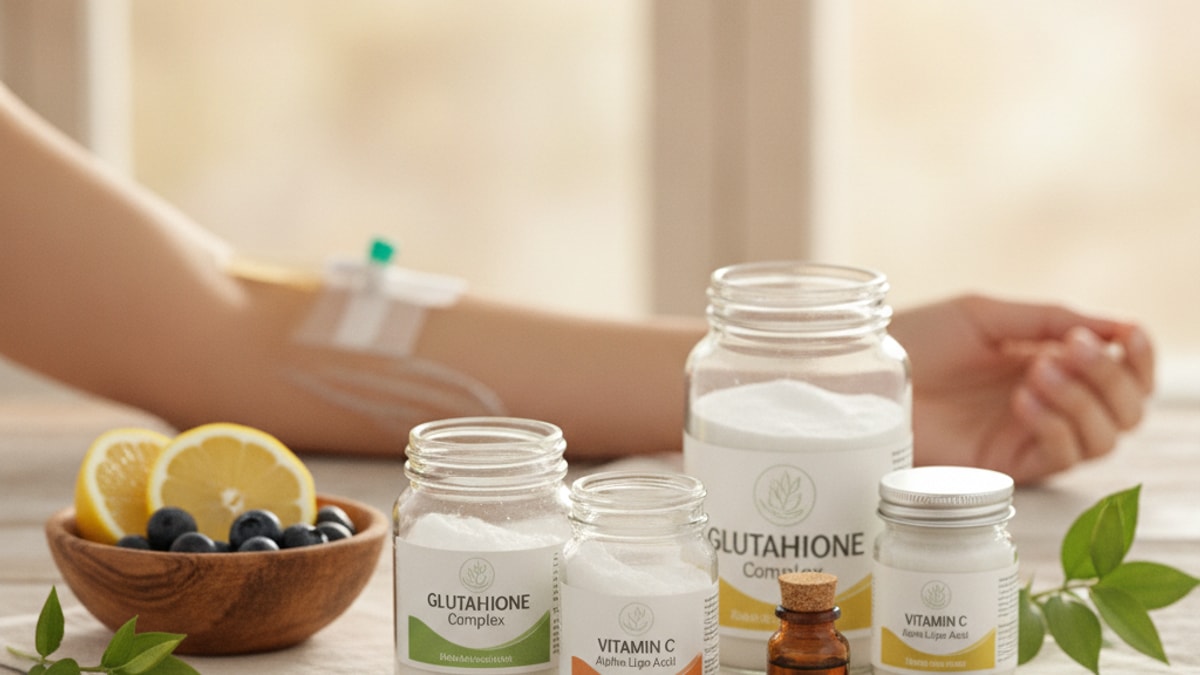
Glutathione Therapy Madison — How It Works & Where to Get It
Glutathione therapy delivers reduced L-glutathione. The body's most abundant intracellular antioxidant. Directly into circulation, bypassing the gut degradation that limits oral supplementation effectiveness. The molecule consists of three amino acids (glutamine, cysteine, glycine) bound in a specific tripeptide structure that serves as the primary defense against oxidative stress in every cell. What most people don't realize: oral glutathione supplements undergo near-complete breakdown by stomach acid and intestinal enzymes before absorption, which is why clinical protocols use intravenous or liposomal delivery to achieve therapeutic plasma levels.
We've worked with patients seeking glutathione therapy across multiple indications. From athletes managing oxidative load to individuals with chronic inflammatory conditions looking for adjunct support. The gap between effective administration and wasted money comes down to three things: delivery method, pharmaceutical-grade sourcing, and dosing protocol aligned with actual clinical evidence.
What is glutathione therapy and how does it differ from oral supplements?
Glutathione therapy administers reduced L-glutathione intravenously or through liposomal encapsulation, achieving plasma concentrations 10–50 times higher than oral supplementation. The intravenous route delivers 100% bioavailability. The entire dose enters circulation intact. While oral glutathione undergoes enzymatic degradation by gamma-glutamyltransferase in the gut lining, reducing bioavailability to less than 10%. Liposomal formulations use phospholipid bilayers to shield the molecule during gastric transit, improving absorption to approximately 30–40% but still falling short of IV delivery.
Most guides treat glutathione therapy as a generic wellness intervention without distinguishing between delivery mechanisms or clinical contexts. That oversimplification misses the pharmacokinetic reality: glutathione's effectiveness is entirely dose-dependent, and oral routes cannot achieve the plasma levels required for systemic antioxidant effects documented in clinical trials. This article covers how glutathione functions at the cellular level, what delivery methods actually work, what to expect during treatment, and how to access pharmaceutical-grade glutathione therapy locally.
Why Glutathione Depletion Happens and What It Means for Cellular Function
Glutathione serves as the rate-limiting substrate for glutathione peroxidase, the enzyme that neutralizes hydrogen peroxide and lipid peroxides before they damage cellular membranes and DNA. Every oxidative stress event. From exercise to infection to environmental toxin exposure. Consumes intracellular glutathione stores. Under normal conditions, cells regenerate glutathione through the gamma-glutamyl cycle using cysteine as the limiting precursor amino acid. Chronic stress, aging, medication use (acetaminophen depletes hepatic glutathione by 70–90% within hours), and inflammatory disease states accelerate consumption beyond the regeneration rate, creating a cumulative deficit.
Glutathione depletion manifests as impaired Phase II liver detoxification. The conjugation reactions that make fat-soluble toxins water-soluble for excretion. Without sufficient glutathione, the liver cannot efficiently process xenobiotics, pharmaceutical metabolites, or endogenous waste products like bilirubin. This accumulation triggers compensatory inflammatory responses that compound oxidative damage. Research from the National Institutes of Health demonstrates that individuals with chronic inflammatory conditions. Including metabolic syndrome, autoimmune disorders, and neurodegenerative diseases. Consistently show glutathione levels 20–60% below healthy controls.
The clinical question isn't whether glutathione matters. It's whether exogenous supplementation can restore intracellular levels meaningfully. Intravenous glutathione achieves peak plasma concentrations within 15–30 minutes post-infusion, with a half-life of approximately 90 minutes. During that window, tissues with high oxidative demand (liver, kidneys, brain, immune cells) uptake glutathione via sodium-dependent transporters. A 2021 study published in Antioxidants found that weekly 1200mg IV glutathione infusions over eight weeks increased erythrocyte glutathione by 30–40% and reduced oxidative stress biomarkers (malondialdehyde, 8-hydroxy-2'-deoxyguanosine) by 25–35% in patients with non-alcoholic fatty liver disease.
How Intravenous Glutathione Delivery Works Mechanistically
Intravenous glutathione therapy administers pharmaceutical-grade reduced L-glutathione dissolved in sterile saline or lactated Ringer's solution through a peripheral IV catheter over 20–45 minutes. The slow infusion rate prevents rapid renal clearance. Pushing glutathione too quickly causes immediate urinary excretion before tissue uptake occurs. Dosing protocols typically range from 600mg to 2000mg per session, with frequency varying from twice weekly during loading phases to monthly for maintenance. The infusion feels cool entering the vein due to room-temperature solution, and some patients report a temporary metallic or sulfurous taste as the molecule circulates through oral mucosa capillaries.
The molecule enters circulation intact and distributes to tissues based on transporter density. Hepatocytes express high concentrations of organic anion transporters that pull glutathione from plasma into liver cells, where it replenishes the glutathione pool used for cytochrome P450 detoxification reactions. Renal tubular cells similarly uptake glutathione to support filtration and excretion of oxidized metabolites. Brain endothelial cells possess gamma-glutamyl transporters that break glutathione into component amino acids for blood-brain barrier transit, then reassemble it intracellularly. This mechanism allows IV glutathione to support central nervous system antioxidant status despite the molecule's inability to cross the BBB intact.
Our team has observed that patients often expect immediate subjective effects. Increased energy, mental clarity, visible skin changes. Within hours of their first infusion. The pharmacological reality is less dramatic: acute glutathione elevation provides antioxidant buffering capacity that manifests as reduced inflammatory signaling over days to weeks, not as an immediate stimulant effect. The cumulative benefit comes from repeated dosing that sustains elevated intracellular levels long enough for cells to repair oxidative damage, reduce chronic inflammatory cytokine production, and restore mitochondrial function. Single-session infusions may provide temporary symptomatic relief for acute oxidative stress (post-surgery, acute illness, intense athletic competition), but chronic conditions require serial administration to produce measurable clinical improvement.
Glutathione Therapy Madison: IV vs Oral vs Liposomal Delivery Comparison
| Delivery Method | Bioavailability | Plasma Peak Time | Therapeutic Dose | Cost Per Session | Professional Assessment |
|---|---|---|---|---|---|
| Intravenous (IV) | 100%. Entire dose enters circulation | 15–30 minutes | 600–2000mg per infusion | $150–$300 | Gold standard for systemic glutathione elevation; only route proven to achieve therapeutic plasma levels in controlled trials |
| Liposomal oral | 30–40%. Phospholipid encapsulation protects from GI degradation | 90–120 minutes | 500–1000mg daily | $40–$80/month | Meaningful improvement over standard oral but still requires high daily doses; best for maintenance after IV loading phase |
| Standard oral capsules | <10%. Extensive gut degradation | N/A. Minimal systemic absorption | 500–1000mg daily | $15–$30/month | Largely ineffective for systemic glutathione elevation; may support gut mucosal antioxidant status locally but does not raise plasma levels |
| Sublingual | 15–25%. Bypasses first-pass metabolism but limited by mucosal absorption capacity | 45–60 minutes | 200–500mg per dose | $30–$50/month | Moderate improvement over oral capsules; faster onset than oral but still limited by absorption ceiling |
The comparison table underscores a pharmacokinetic reality most marketing materials gloss over: route of administration determines whether glutathione reaches therapeutic concentrations. Oral capsules may elevate gut tissue glutathione but fail to raise plasma or intracellular levels systemically. Liposomal formulations represent a meaningful step up but require consistent daily dosing to maintain effect. IV infusions remain the only delivery method validated in clinical research for raising erythrocyte and tissue glutathione levels measurably.
Key Takeaways
- Glutathione therapy delivers reduced L-glutathione via IV infusion, achieving 100% bioavailability compared to less than 10% from oral capsules.
- The molecule functions as the primary intracellular antioxidant and rate-limiting substrate for Phase II liver detoxification. Depletion impairs the body's ability to neutralize reactive oxygen species and process toxins.
- Intravenous protocols typically administer 600–2000mg per session over 20–45 minutes, with dosing frequency ranging from twice weekly during loading phases to monthly for maintenance.
- Clinical evidence from NIH-funded research shows that individuals with chronic inflammatory conditions consistently present glutathione levels 20–60% below healthy controls.
- Liposomal oral glutathione offers 30–40% bioavailability and serves as a practical maintenance option after IV loading, while standard oral capsules remain largely ineffective for systemic elevation.
What If: Glutathione Therapy Madison Scenarios
What If I Don't Feel Anything After My First IV Glutathione Session?
This is expected. Glutathione does not produce stimulant effects or immediate energy elevation. The antioxidant buffering occurs at the cellular level over hours to days as oxidative stress biomarkers decline and inflammatory cytokine signaling normalizes. Subjective improvements (reduced fatigue, improved mental clarity, better recovery) typically manifest after 3–6 sessions when cumulative intracellular glutathione restoration reaches a threshold that allows cells to repair accumulated oxidative damage and restore mitochondrial efficiency.
What If I'm Taking Acetaminophen Regularly — Does That Affect Glutathione Levels?
Yes, significantly. Acetaminophen undergoes hepatic metabolism via conjugation with glutathione, depleting liver stores by 70–90% within 4–6 hours of a standard 1000mg dose. Chronic acetaminophen use creates sustained glutathione depletion that impairs detoxification capacity and increases susceptibility to oxidative liver injury. Patients taking daily acetaminophen should discuss glutathione therapy timing with their provider. Administering IV glutathione 24–48 hours after acetaminophen dosing allows hepatic stores to replenish before the next depletion cycle.
What If I'm Pregnant or Breastfeeding — Is Glutathione Therapy Safe?
Glutathione is endogenously produced and present in all cells, but IV administration during pregnancy lacks sufficient safety data from controlled trials. The molecule does not cross the placental barrier intact, but its influence on maternal oxidative stress and inflammatory signaling could theoretically affect fetal development. Most providers defer elective glutathione therapy until after delivery and weaning unless a specific medical indication outweighs theoretical risk. Discuss with both your obstetrician and the administering clinician before proceeding.
The Blunt Truth About Glutathione Therapy Claims
Here's the honest answer: glutathione therapy works for specific clinical contexts. Acute oxidative stress, chronic inflammatory conditions with documented glutathione depletion, adjunct support during chemotherapy. But it is not the universal anti-aging or skin-brightening miracle marketed by medical spas. The skin-lightening effect promoted in some clinics relies on glutathione's ability to inhibit tyrosinase, the enzyme that catalyzes melanin synthesis. While this mechanism is real, the dosing required (1200–2000mg twice weekly for 8–12 weeks) and the variability in individual response make it an expensive, unpredictable intervention with modest effects in most cases. If skin tone alteration is the primary goal, topical tyrosinase inhibitors (kojic acid, arbutin, vitamin C) deliver more consistent results at a fraction of the cost.
The evidence supporting glutathione therapy is strongest for hepatoprotection (non-alcoholic fatty liver disease, acetaminophen toxicity), immune modulation in chronic viral infections, and oxidative stress management in neurodegenerative conditions. A 2019 clinical trial published in the Journal of Clinical Medicine demonstrated that IV glutathione improved liver enzyme profiles and reduced hepatic steatosis in patients with NAFLD over 12 weeks. Those are meaningful, measurable outcomes. Claims about detoxification, energy enhancement, or anti-aging require more nuance. Glutathione supports those processes indirectly by reducing oxidative burden, but it doesn't replace sleep, nutrition, or management of underlying inflammatory triggers.
Accessing Pharmaceutical-Grade Glutathione Therapy Locally
Glutathione therapy is available through functional medicine clinics, naturopathic practices, medical spas, and some integrative oncology centers. Not every provider uses pharmaceutical-grade reduced L-glutathione sourced from FDA-registered compounding pharmacies. Some use non-sterile or oxidized formulations that deliver minimal therapeutic effect. Before booking, confirm the glutathione source, verify the dose administered (anything below 600mg per session is unlikely to produce systemic effects), and ask whether the provider monitors oxidative stress biomarkers (glutathione peroxidase, malondialdehyde, high-sensitivity CRP) to track response.
Cost typically ranges from $150 to $300 per IV session depending on dose and clinic overhead. Packages of 6–10 sessions often reduce per-session cost by 15–20%. Insurance rarely covers elective glutathione therapy. It may cover medically necessary administration for conditions like acetaminophen toxicity or chemotherapy-induced oxidative stress, but that requires prior authorization and documentation of medical necessity. Most patients pay out-of-pocket and treat it as a wellness investment rather than a covered medical intervention.
If IV access feels prohibitive due to cost or inconvenience, liposomal oral glutathione offers a middle-ground option. Products like Quicksilver Scientific Liposomal Glutathione or Core Med Science Liposomal GSH use phosphatidylcholine nano-encapsulation to achieve 30–40% absorption. Daily doses of 500–1000mg can maintain elevated intracellular levels after an initial IV loading phase (8–12 sessions over 6–8 weeks). The cumulative monthly cost ($40–$80) is lower than repeated IV sessions, but the therapeutic ceiling is also lower. Liposomal oral works best for maintenance, not acute correction of severe depletion.
Patients managing chronic oxidative stress from conditions like Parkinson's disease, multiple sclerosis, or chronic fatigue syndrome often require indefinite glutathione support. Either through monthly IV maintenance or daily liposomal supplementation. The decision point comes down to severity: if oxidative biomarkers remain elevated despite oral liposomal supplementation, monthly IV sessions provide the higher plasma peaks needed to push intracellular levels into the therapeutic range. Conversely, if oral liposomal maintains stable improvement in symptoms and lab markers, continuing IV sessions adds cost without additional benefit. Work with a provider who monitors objective markers. Not just subjective reports. To guide protocol adjustments.
Frequently Asked Questions
How long does it take for IV glutathione therapy to work?▼
IV glutathione reaches peak plasma concentration within 15–30 minutes post-infusion, but subjective clinical improvements typically manifest after 3–6 sessions when cumulative intracellular glutathione restoration allows cells to repair oxidative damage and reduce inflammatory signaling. Single-session infusions provide temporary antioxidant buffering for acute stress, but chronic conditions require serial administration over 6–12 weeks to produce measurable symptom improvement and biomarker changes.
Can I get glutathione therapy if I have a history of kidney disease?▼
Glutathione is renally cleared, and individuals with impaired kidney function (eGFR below 45 mL/min/1.73m²) may experience delayed clearance and accumulation. Most providers require recent renal function labs (serum creatinine, eGFR) before administering IV glutathione to patients with known chronic kidney disease. Dosing adjustments or extended infusion times may be necessary to prevent overload — discuss your specific renal function status with the administering clinician before proceeding.
What does IV glutathione therapy cost and is it covered by insurance?▼
IV glutathione therapy typically costs $150–$300 per session depending on dose (600–2000mg) and clinic location. Most insurance plans classify glutathione infusions as elective wellness treatments and do not cover the cost unless medically necessary for documented conditions like acetaminophen toxicity or chemotherapy-induced oxidative stress. Patients usually pay out-of-pocket, with multi-session packages offering 15–20% per-session discounts.
What are the side effects of IV glutathione therapy?▼
IV glutathione is generally well-tolerated, with the most common side effects being temporary coolness at the infusion site, a metallic or sulfurous taste during infusion, and mild lightheadedness if the infusion rate is too rapid. Rare adverse events include allergic reactions (rash, hives, bronchospasm in sulfite-sensitive individuals) and transient nausea. Proper dosing, slow infusion rates (20–45 minutes), and screening for sulfite sensitivity minimize risk.
How does IV glutathione compare to oral N-acetylcysteine (NAC) for raising glutathione levels?▼
N-acetylcysteine provides cysteine, the rate-limiting amino acid for endogenous glutathione synthesis, and oral NAC (600–1200mg daily) can raise intracellular glutathione by 20–30% over several weeks. IV glutathione delivers the intact molecule directly, achieving immediate plasma elevation and bypassing the synthesis step. NAC works best for long-term maintenance and prevention, while IV glutathione provides rapid correction of acute depletion or support during high oxidative stress periods.
Does glutathione therapy actually lighten skin tone?▼
IV glutathione inhibits tyrosinase, the enzyme responsible for melanin synthesis, which can reduce skin pigmentation over time. However, the effect requires high doses (1200–2000mg twice weekly for 8–12 weeks), varies significantly between individuals based on baseline melanin production and genetic factors, and reverses when therapy stops. Topical tyrosinase inhibitors (kojic acid, arbutin, tranexamic acid) deliver more predictable and cost-effective skin-lightening results for most patients.
Can I take oral glutathione supplements instead of IV therapy?▼
Standard oral glutathione capsules undergo extensive gut degradation by gamma-glutamyltransferase and stomach acid, resulting in less than 10% bioavailability and minimal systemic glutathione elevation. Liposomal oral formulations improve absorption to 30–40% by encapsulating glutathione in phospholipid bilayers, making them a reasonable maintenance option after IV loading. Oral glutathione cannot replicate the high plasma concentrations achieved through IV infusion, so it works best for mild depletion or maintenance rather than acute correction.
How often should I get IV glutathione therapy?▼
Initial loading phases typically involve twice-weekly infusions for 4–6 weeks to restore depleted intracellular glutathione levels, followed by maintenance dosing every 2–4 weeks depending on oxidative stress burden and symptom response. Athletes managing intense training loads may use weekly sessions during competition phases, while individuals with chronic inflammatory conditions often maintain monthly infusions indefinitely. Dosing frequency should be guided by clinical response and oxidative stress biomarker monitoring, not a fixed protocol.
What conditions benefit most from glutathione therapy?▼
Clinical evidence supports glutathione therapy for non-alcoholic fatty liver disease, acetaminophen toxicity, chemotherapy-induced oxidative stress, Parkinson’s disease, and chronic inflammatory conditions with documented glutathione depletion. Research from NIH-funded trials shows measurable improvements in liver enzyme profiles, oxidative stress biomarkers, and mitochondrial function in these contexts. Conditions with less robust evidence include chronic fatigue syndrome, fibromyalgia, and autoimmune disorders, where glutathione may provide adjunct support but is not a standalone treatment.
Will I regain depleted glutathione levels permanently after IV therapy?▼
IV glutathione therapy provides temporary elevation — plasma levels return to baseline within 6–12 hours post-infusion, and intracellular levels decline over days to weeks depending on ongoing oxidative stress and endogenous synthesis capacity. Long-term maintenance requires either continued IV sessions, daily liposomal oral supplementation, or addressing the root causes of glutathione depletion (chronic inflammation, toxin exposure, poor nutrition, medication use). Glutathione therapy is a management tool, not a permanent cure for oxidative stress.

Transforming Lives, One Step at a Time
Keep reading

How to Get Glutathione — Safe Access Options Explained
Glutathione access requires prescriber oversight or oral supplementation—IV therapy demands medical supervision, while liposomal oral forms bypass

Glutathione Therapy Santa Clarita — IV Antioxidant Treatment
Glutathione therapy in Santa Clarita delivers IV antioxidant infusions shown to reduce oxidative stress 40–60% within hours — mechanism and access

Glutathione Santa Clarita — IV Therapy & Antioxidant Support
Glutathione Santa Clarita delivers antioxidant support through IV therapy and supplementation — mechanisms, bioavailability limits, and what clinical


