Can I Eat Grapes on Ozempic? What You Need to Know
Introduction
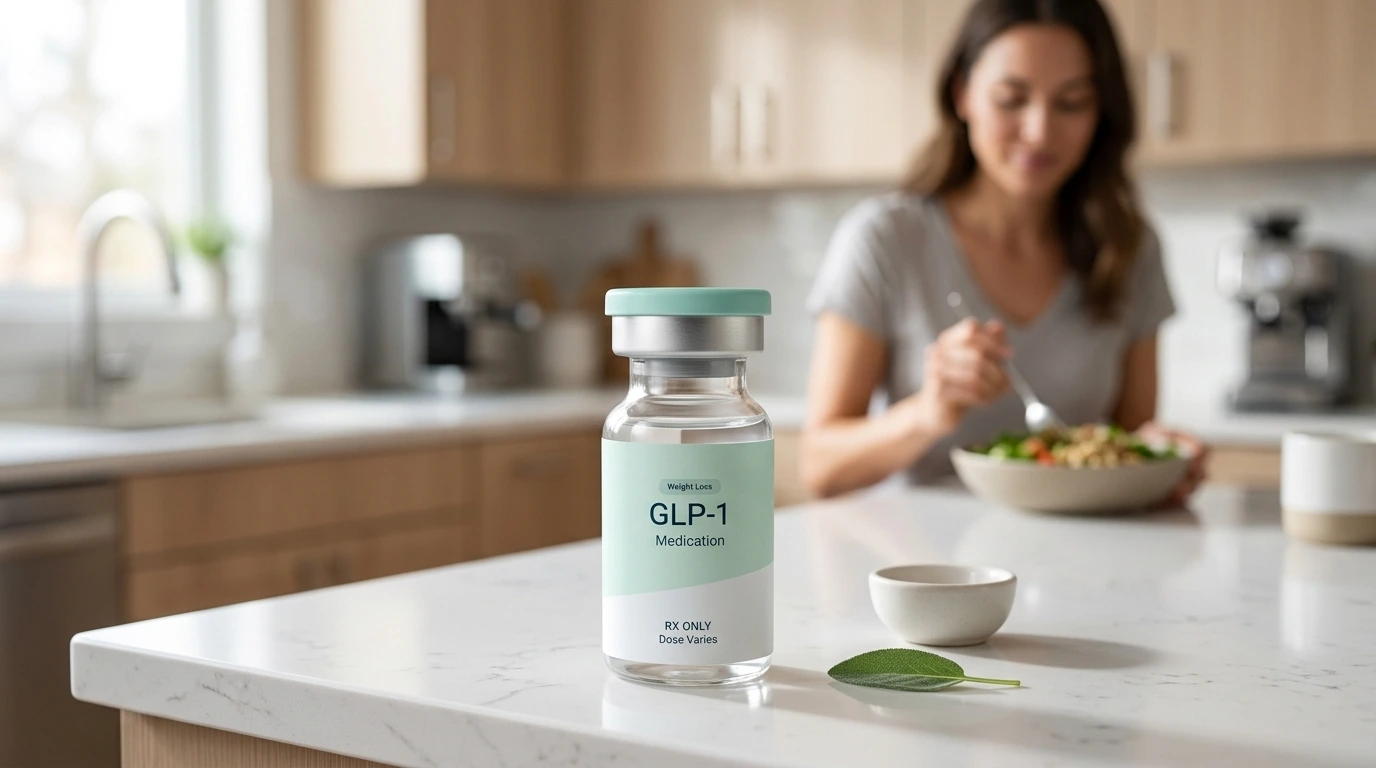
Starting a medication like Ozempic® often feels like the first step toward a new life, but it also brings a flurry of questions about your daily habits. You may find yourself standing in the produce aisle, wondering if your favorite snacks still fit into your routine. One common question many people ask is: can i eat grapes on ozempic?
At TrimRx, we understand that navigating dietary changes while on a GLP-1 medication can feel overwhelming. If you’re just getting started, a free assessment quiz can help you take the next step toward a personalized program. This article will cover the nutritional impact of grapes, how their sugar content interacts with your medication, and practical tips for managing side effects. Our goal is to help you build a sustainable lifestyle that prioritizes metabolic health without feeling restricted.
Quick Answer: Yes, you can eat grapes while taking Ozempic®, but it is best to do so in moderation. Because grapes are relatively high in natural sugars, consuming large amounts may spike your blood sugar or worsen gastrointestinal side effects like nausea.
How Ozempic Works and Why Diet Matters
To understand how specific foods like grapes affect your body, it is helpful to look at the mechanism of the medication. For a deeper look at the science, our article on how GLP-1 actually works for weight loss explains why digestion, appetite, and fullness change on treatment. Ozempic® is a brand-name prescription medication containing the active ingredient semaglutide. It belongs to a class of drugs called GLP-1 receptor agonists.
GLP-1 stands for glucagon-like peptide-1, a hormone your body naturally produces in the gut. This hormone performs several critical functions: it stimulates insulin production when blood sugar is high, reduces the amount of sugar the liver produces, and significantly slows down “gastric emptying”—the speed at which food leaves your stomach.
This slower digestion is why you feel full longer, but it also means that the foods you choose stay in your system for an extended period. If you consume foods that are difficult to digest or very high in sugar, they can sit in the stomach and contribute to the common side effects associated with the medication. This is why our team focuses on helping you select nutrient-dense options that support the medication’s work rather than working against it.
The Nutritional Profile of Grapes
Grapes are often called “nature’s candy” for a reason. They are delicious, hydrating, and packed with antioxidants like resveratrol. However, from a metabolic perspective, they are different from a fiber-heavy vegetable or a lean protein.
One cup of grapes contains approximately 23 grams of sugar and about 1 gram of fiber. While this sugar is natural (fructose), it is still a carbohydrate that the body must process. For someone not on a GLP-1 medication, the body might handle this sugar spike quickly. However, when your digestion is slowed by semaglutide, your body’s response to that sugar can change.
The Glycemic Index Factor
The glycemic index (GI) measures how quickly a food raises blood sugar levels. Grapes fall into the “low to medium” range on the GI scale. While they aren’t as disruptive as a soda or a candy bar, they have a higher sugar concentration than berries or citrus fruits.
When you are taking a medication designed to manage blood sugar and promote weight loss, the goal is to keep your glucose levels as stable as possible. Large spikes in blood sugar can trigger the release of more insulin, which may occasionally interfere with the appetite-suppression benefits of your treatment.
Can I Eat Grapes on Ozempic?
The short answer is yes. Grapes are a whole food and are far superior to processed snacks or sugary desserts. However, because Ozempic® slows down your digestion, eating a large bowl of grapes on an empty stomach might lead to discomfort.
Sugar and Nausea Many patients report that high-sugar foods—even natural ones—can trigger nausea when they are on a GLP-1. If you eat a large amount of grapes, the fructose may sit in your stomach longer than usual. This can lead to a feeling of “heaviness” or mild queasiness.
If nausea is your main concern, our guide to GLP-1 nausea breaks down why symptoms often show up after eating and what tends to help.
Portion Awareness In a personalized program, we often recommend focusing on “volume eating” with low-calorie vegetables. Grapes are calorie-dense compared to something like cucumbers or spinach. If your goal is weight loss, it is easy to accidentally consume several hundred calories of grapes because they are so easy to snack on.
Key Takeaway: While grapes are not “off-limits,” they should be treated as a sweet treat or a small component of a meal rather than a primary snack. Pairing them with a protein or healthy fat can help mitigate blood sugar spikes.
Managing Side Effects Through Food Choices
The most common side effects of semaglutide medications are gastrointestinal. These include nausea, vomiting, diarrhea, and constipation. For a broader overview, our semaglutide side effects guide covers what many people experience and how they manage it. Your diet plays a massive role in how severe these symptoms feel.
Why Fruit Can Sometimes Cause Issues
Because the medication slows gastric emptying, certain fruits can cause “fermentation” or gas if they sit in the stomach too long. This is more common with high-fiber or very high-sugar fruits. If you find that eating grapes leads to bloating or “sulfur burps,” you may need to reduce your portion size or choose a different fruit.
The Importance of Hydration
Grapes are about 80% water, which is a positive attribute. Staying hydrated is essential when taking GLP-1 medications, as dehydration can worsen nausea and lead to headaches. However, you should still prioritize drinking plain water throughout the day.
Myth: You must avoid all fruit because of the sugar content while on a GLP-1. Fact: Fruit provides essential vitamins, minerals, and antioxidants. The key is choosing lower-sugar options like berries and practicing portion control with sweeter fruits like grapes.
Best Practices for Eating Grapes on Ozempic
If you love grapes and want to keep them in your diet, there are several ways to do so while minimizing the risk of side effects.
1. Pair with Protein
Never eat grapes in isolation. When you eat sugar (even natural sugar) by itself, it hits your bloodstream faster. By pairing a small handful of grapes with a piece of string cheese, a spoonful of Greek yogurt, or a few walnuts, you slow down the absorption of the sugar. This leads to more stable energy levels and less strain on your digestive system.
2. Watch the Ripeness
As fruit ripens, its sugar content increases. Very ripe, soft grapes will have a higher glycemic impact than slightly firmer ones.
3. Try Frozen Grapes
Freezing your grapes is a great trick for weight management. Because they are frozen, you have to eat them more slowly. This gives your brain more time to receive the “I’m full” signal from your gut, which is already being enhanced by your medication.
4. Limit the Quantity
Instead of a full bowl, aim for about half a cup. This provides the flavor and nutrients you want without overloading your system with fructose.
Foods to Prioritize While on a GLP-1 Program
While grapes can be a part of your journey, other foods will help you see better results and feel more energetic. Our team at TrimRx advocates for a balanced approach that focuses on the following:
Lean Proteins
Protein is the most important macronutrient when you are losing weight on a GLP-1. Because you are eating fewer calories, your body may try to burn muscle for energy. Consuming adequate protein—such as chicken, fish, tofu, or eggs—helps preserve your lean muscle mass. This keeps your metabolism high and ensures that the weight you lose is primarily fat.
Non-Starchy Vegetables
Vegetables like leafy greens, broccoli, cauliflower, and peppers should make up the bulk of your plate. They are high in fiber, which helps prevent the constipation that some people experience on semaglutide. They also provide essential volume to your meals without adding many calories.
Healthy Fats
Avocados, nuts, and olive oil are excellent for satiety. However, because fats are slow to digest, eating too much fat while on Ozempic® can lead to extreme nausea. It is all about finding the right balance for your specific health profile.
For more practical guidance on building meals that work well during treatment, see our article on getting the most out of your GLP-1 treatment.
Comparing Fruits: What is Best for You?
If you find that grapes are causing you discomfort, there are many other options that might be easier on your stomach.
| Fruit Type | Sugar Content | Fiber Content | GI Rating | Recommendation |
|---|---|---|---|---|
| Grapes | High | Low | Medium | Eat in moderation; pair with protein. |
| Raspberries | Low | High | Low | Excellent choice; high fiber helps with digestion. |
| Strawberries | Low | Medium | Low | Great for snacking; low calorie. |
| Apples | Medium | High | Low | Good choice; keep the skin on for fiber. |
| Blueberries | Medium | Medium | Low | High in antioxidants; great in yogurt. |
How TrimRx Supports Your Journey
We believe that weight loss is about more than just a prescription. It is about understanding how your body responds to different foods, movements, and lifestyle changes. When you join our platform, you aren’t just getting access to medication; you are getting a comprehensive support system.
Our telehealth-first approach means you can consult with licensed providers from the comfort of your home. If you are experiencing side effects from your medication, our team is available to help you adjust. We provide personalized programs that take your medical history and goals into account. If you aren’t sure if a certain food is right for you, or if you need help managing the transition to a GLP-1 lifestyle, we offer the guidance necessary for sustainable success.
If you want nutritional support while your appetite is changing, GLP-1 Daily Support is designed to complement that part of your routine. For readers looking for additional energy support during weight loss, Weight Loss Boost may be the better fit.
Practical Steps to Starting Your Program
If you are ready to take control of your metabolic health, the process is straightforward and designed to be as stress-free as possible.
Step 1: Complete the Free Assessment The first step is to take our free assessment quiz. This helps us understand your BMI, medical history, and weight loss goals. This information is vital for the licensed providers we work with to determine if a GLP-1 medication is appropriate for you.
Step 2: Consult with a Provider You will be connected with a licensed healthcare professional who will review your assessment. They will discuss your options, including medications like semaglutide or tirzepatide. These medications are prepared through a personalized medical process to meet your specific needs.
Step 3: Receive Your Personalized Plan If approved, your medication and supplies will be shipped directly to your door. Our program includes everything you need: the medication, doctor consultations, and ongoing support.
Step 4: Ongoing Monitoring and Support As you begin your journey, we stay with you. Whether you have questions about eating grapes or managing a dosage change, our team is available 24/7. We monitor your progress and help you make the lifestyle adjustments necessary for long-term health.
Avoiding Common Pitfalls
Many people struggle in the first few weeks of a GLP-1 program because they try to maintain their old eating habits. Here are a few things to keep in mind:
- Don’t Force Yourself to Eat: If you aren’t hungry, don’t feel like you must finish a large portion. Listen to your body’s new fullness signals.
- Prioritize Nutrient Density: Since you are eating less, every bite counts. Choose high-quality proteins and vegetables over empty carbohydrates.
- Be Patient with Side Effects: For most people, nausea and digestive issues subside as the body adjusts to the medication. Making small dietary tweaks—like limiting sugary fruits—can make this transition much smoother.
Note: If you experience severe or persistent abdominal pain, vomiting, or other concerning symptoms, you should contact your healthcare provider immediately. While mild side effects are common, it is important to have professional medical guidance throughout your treatment.
If you are still deciding whether treatment is the right fit, you can always complete the free assessment and see what options match your goals.
The Role of Supplements
In addition to prescription programs, we offer quick-access supplements that do not require a quiz. Products like GLP-1 Daily Support are designed to complement your journey by providing essential nutrients that might be lacking when your appetite is reduced. If your main challenge is staying energized while eating less, Weight Loss Boost may also be worth considering.
Conclusion
So, can i eat grapes on ozempic? Yes, you can enjoy them as part of a balanced, healthy diet. The key is to be mindful of the sugar content and how it interacts with your body’s slowed digestion. By practicing portion control, pairing grapes with protein, and listening to your body’s signals, you can enjoy the foods you love while still reaching your weight loss goals.
At TrimRx, our mission is to help you navigate this path with science-backed information and empathetic care. We believe that sustainable weight loss is achieved through a combination of modern medicine and meaningful lifestyle changes. Whether you are just starting your research or are ready to begin a personalized program, take the free assessment quiz to find your next step toward a healthier, more vibrant you.
Bottom line: Grapes are a healthy, whole-food option, but their sugar content requires a moderated approach while on GLP-1 medications to avoid spikes and nausea.
FAQ
Will eating grapes stop Ozempic® from working?
No, eating grapes will not stop the medication from working. However, consuming very high amounts of sugar can work against your weight loss goals and may lead to blood sugar fluctuations. It is best to eat them in small portions as part of a balanced meal.
Why do grapes make me feel nauseous on my medication?
Ozempic® slows down how fast your stomach empties. Because grapes are high in fructose, they may sit in your stomach longer, which can trigger nausea or a feeling of “sugar bloat” in some individuals. Reducing your portion size or pairing them with a protein can often help resolve this. If you want a broader breakdown of GI symptoms, the semaglutide side effects guide is a helpful next read.
Are there better fruits to eat than grapes for weight loss?
While grapes are healthy, berries (like raspberries, blackberries, and strawberries) are often recommended for those on GLP-1s. They are lower in sugar and higher in fiber, which can help with both blood sugar stability and digestive regularity. For longer-term habit ideas, our GLP-1 long-term success article may help.
Can I drink grape juice while on a GLP-1 program?
It is generally recommended to avoid fruit juices, including grape juice. Juice contains all the sugar of the fruit but none of the fiber, leading to a much faster blood sugar spike and a higher risk of gastrointestinal side effects. Stick to whole fruit whenever possible.
Disclaimer: This content is for informational purposes only and does not constitute medical advice. It is not intended to diagnose, treat, cure, or prevent any disease or condition. Individual results may vary. Always consult a qualified healthcare professional before starting any weight loss program or medication.

Transforming Lives, One Step at a Time
Keep reading
I Took My Ozempic Two Days in a Row by Accident
Call for guidance now rather than waiting to see how you feel. In the United States, Poison Control is available free and around the…

Why Does My Ozempic Injection Sting More Some Weeks Than Others?
Because more variables change between injections than most people realize. Temperature of the medication, which site you used, how deep the needle went, how…
How to Store Your Ozempic Pen During a Power Outage
Keep the refrigerator door closed. An unopened refrigerator holds a safe temperature for roughly four hours, and a full freezer holds for considerably longer….


