Is Green Tea Better Hot or Cold for Weight Loss?
Introduction
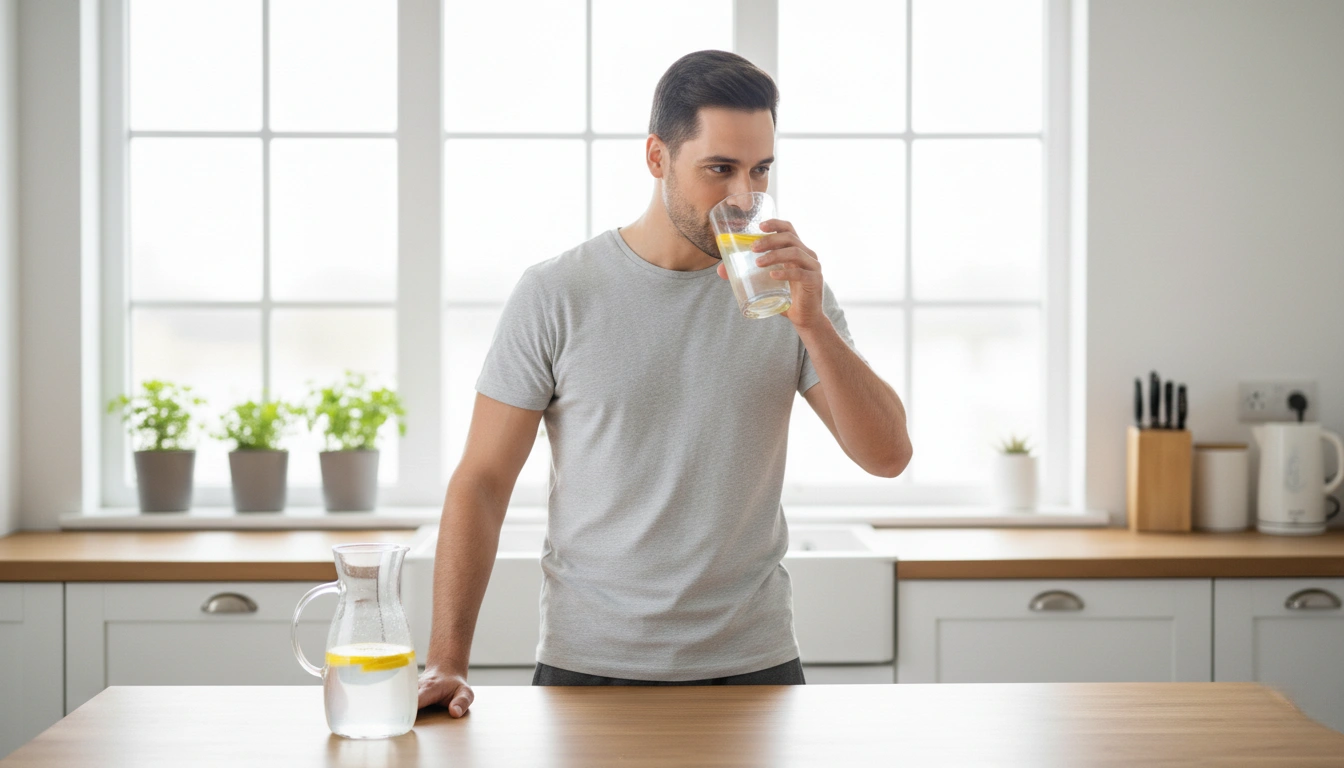
Standing in the kitchen, you might find yourself staring at a box of tea leaves, wondering if the temperature of your mug really matters. We have all heard that green tea is a powerhouse for health, but when your goal is shedding pounds, the “how” becomes just as important as the “what.” Many people find themselves frustrated by slow progress and look for any small edge to boost their metabolic health. At TrimRx, we believe that understanding the science behind your daily habits is the first step toward lasting change. If you are also considering a more personalized approach, you can take the free assessment quiz to see whether a medical weight loss program may be a fit. This post covers the biological differences between hot and cold green tea, how temperature affects the extraction of active compounds, and which version might give your metabolism a better nudge. While both versions offer benefits, the temperature of your brew influences how your body processes energy and fat.
The Science of Green Tea and Metabolism
To understand if temperature matters, we first need to look at what makes green tea a favorite in the wellness world. Green tea comes from the Camellia sinensis plant. Unlike black or oolong teas, green tea leaves are not fermented. This minimal processing preserves high levels of polyphenols (natural plant compounds) called catechins.
The most important catechin for weight management is epigallocatechin gallate, commonly known as EGCG. Research suggests that EGCG can help inhibit an enzyme that breaks down norepinephrine. This hormone signals your fat cells to break down fat for energy. When this hormone stays active longer, your body may burn more fat.
Green tea also contains a modest amount of caffeine. Caffeine is a well-known stimulant that can increase energy expenditure (the number of calories you burn) and improve physical performance. When EGCG and caffeine work together, they create a synergistic effect. This means they are more effective at supporting weight loss when consumed together than they would be on their own.
Key Takeaway: The combination of EGCG and caffeine in green tea helps the body break down fat and increases the calories you burn throughout the day.
Does Hot Green Tea Have an Edge?
For many tea purists, hot tea is the only way to go. From a weight loss perspective, there are several reasons why a steaming cup might be superior.
Better Extraction of Catechins
The temperature of the water used to brew tea directly impacts how many nutrients end up in your cup. Heat acts as a solvent. Using hot water (ideally between 175°F and 185°F) helps release the maximum amount of EGCG from the tea leaves. If the water is too cold, the catechins stay trapped in the leaf. If the water is boiling, it can destroy some of the delicate compounds and make the tea taste bitter. For readers interested in the broader science behind tea and metabolism, our guide on what is in green tea that helps with weight loss and metabolic support goes deeper into the compounds involved.
The Thermic Effect
Drinking hot liquids can slightly raise your internal body temperature. This triggers a process called thermogenesis (the production of heat in the human body). When your body temperature rises, your system has to work to cool itself down, which requires energy. While the caloric burn from a single cup of hot tea is small, it contributes to your overall daily metabolic rate.
Digestion and Satiety
In many cultures, hot tea is consumed with or after meals to aid digestion. Warm liquids can help relax the digestive tract and may help the body process fats more efficiently. Furthermore, sipping a hot beverage usually takes longer than gulping down a cold one. This slow pace gives your brain more time to register fullness, which can prevent overeating.
The Case for Cold and Iced Green Tea
If you prefer a refreshing iced tea, you are not necessarily losing out on all the benefits. However, the method of preparation matters significantly.
Iced Tea vs. Cold Brew
There is a big difference between “iced tea” and “cold brew.” Iced tea is typically brewed hot and then poured over ice. This method preserves most of the EGCG extracted by the heat. Cold brew, on the other hand, involves steeping tea leaves in cold water for several hours.
Studies have shown that cold-brewing tea can lead to a lower caffeine content and a different profile of antioxidants. While cold-brewed tea is often smoother and less bitter, it may contain fewer of the active compounds that support fat oxidation (the process of breaking down fatty acids).
Hydration and Movement
Cold green tea is often easier to drink in large quantities, especially during a workout. Staying hydrated is essential for metabolic health. Even mild dehydration can slow down your metabolism. If drinking green tea cold helps you consume more fluids throughout the day, it remains a valuable tool for your journey.
The Calories Required to Warm Water
There is a common theory that drinking ice-cold water forces the body to burn calories to warm the liquid to body temperature. While this is technically true, the energy required is very minimal—roughly 8 calories per glass. This is generally not enough to outweigh the benefits of the higher catechin extraction found in hot tea.
Comparing Hot vs. Cold Green Tea
To help you decide which preparation fits your lifestyle, consider this comparison of how temperature affects the qualities of the tea.
| Feature | Hot Green Tea | Cold/Iced Green Tea |
|---|---|---|
| Catechin Extraction | High (Optimal at 175-185°F) | Lower (unless brewed hot first) |
| Metabolic Boost | Higher (due to thermogenesis) | Lower |
| Caffeine Impact | Faster absorption | Slower absorption |
| Digestive Support | May aid in fat processing | Refreshing, but less impact on digestion |
| Ease of Consumption | Sipped slowly (better satiety) | Drunk quickly (better hydration) |
Maximizing Green Tea Benefits for Weight Loss
Regardless of the temperature you choose, how you drink your tea is just as important as the heat of the water. To get the best results for weight management, follow these practical steps.
Step 1: Choose High-Quality Loose Leaf or Matcha Standard tea bags often contain “dust and fannings,” which are broken bits of tea leaves that have lost much of their antioxidant power. Loose-leaf tea or Matcha (powdered green tea) provides a much higher concentration of EGCG. Because you consume the entire leaf with Matcha, you get significantly more nutrients.
Step 2: Avoid Added Sugars Adding honey, sugar, or syrups to your green tea can quickly cancel out its weight loss benefits. The goal is to keep the beverage at zero or near-zero calories. If you find the taste too bitter, try shortening the brewing time or adding a squeeze of lemon.
Step 3: Add a Squeeze of Citrus Research suggests that adding vitamin C to your green tea can help your body absorb the catechins more effectively. A splash of lemon or lime juice makes the antioxidants more stable in the acidic environment of the stomach, allowing more of them to reach your bloodstream.
Step 4: Time Your Intake For the best metabolic impact, try drinking green tea about 30 to 60 minutes before a workout. The combination of caffeine and EGCG can increase fat burning during aerobic exercise.
Key Takeaway: Quality and preparation techniques, such as adding lemon or choosing Matcha, can be more impactful than temperature alone.
The Role of Green Tea in a Personalized Program
While green tea is a helpful addition to a healthy lifestyle, it is rarely enough to drive significant weight loss on its own for those struggling with metabolic challenges. Many individuals find that even with perfect nutrition and exercise, their bodies resist weight loss. This is where a more structured, clinical approach can make a difference.
At TrimRx, we recognize that weight management is a complex biological process. For some, natural aids like green tea are excellent for maintenance, but they may need additional support to overcome a weight plateau. Our platform connects you with licensed providers who can evaluate your health history and determine if you are a candidate for medical interventions, such as GLP-1 medications. If you want to explore that path, you can take the free assessment quiz and review your options with a provider.
GLP-1 (glucagon-like peptide-1) is a hormone naturally produced in the gut that helps regulate appetite and blood sugar. Modern medications that mimic this hormone can provide the biological support many people need to see real progress. When combined with the antioxidant benefits of green tea and a personalized plan, these tools offer a comprehensive path to health. For a deeper explanation of the hormone itself, what GLP-1 is and how it works is a helpful next read.
Potential Side Effects and Considerations
Green tea is generally safe for most adults, but there are a few things to keep in mind, especially if you are increasing your intake for weight loss.
- Caffeine Sensitivity: Green tea contains less caffeine than coffee, but drinking several cups a day can still lead to jitters, anxiety, or disrupted sleep. If you are sensitive to stimulants, try to finish your last cup by mid-afternoon.
- Iron Absorption: The tannins in green tea can interfere with the absorption of non-heme iron (the iron found in plant-based foods). It is best to drink tea between meals rather than during them if you have low iron levels.
- Stomach Upset: Drinking green tea on an empty stomach can sometimes cause nausea due to its tannin content. If this happens, try having a small snack with your tea.
Note: If you have a history of kidney stones or liver issues, consult a healthcare provider before significantly increasing your green tea consumption or starting green tea extracts.
Supporting Your Body Beyond the Cup
Weight loss is not just about what you take away from your diet; it is about what you give your body to help it function optimally. When you are focused on losing weight, your body’s nutritional needs can change.
We offer targeted supplements like GLP-1 Daily Support, which is designed to provide essential nutrients that support metabolic health. Whether you are using a prescription program or focusing on lifestyle changes, ensuring your body has the right vitamins and minerals is crucial for maintaining energy and muscle mass during weight loss. For readers exploring support options alongside treatment, what GLP-1 support is and how it can fit into a weight loss journey is a useful companion article.
Myth: Drinking green tea can “melt” fat overnight. Fact: Green tea is a metabolic supporter, not a magic fix. It works best when combined with a calorie-controlled diet and regular physical activity.
The Bottom Line on Temperature
So, is green tea better hot or cold for weight loss? Hot green tea has a slight scientific advantage. The higher temperature ensures better extraction of the fat-burning catechins and provides a small thermic boost to the metabolism. However, the most effective tea is the one you will drink consistently.
If you enjoy the ritual of a hot cup in the morning, stick with it. If you prefer a large bottle of iced green tea to keep you hydrated during the day, that is a fantastic choice as well. The key is to make it a daily habit and keep it free of added sugars.
Taking the Next Step in Your Journey
Sustainable weight loss is rarely the result of a single “superfood” or a specific tea temperature. It requires a blend of science, consistency, and professional guidance. At TrimRx, we are dedicated to providing a supportive, telehealth-first environment where you can access the tools you need without the stress of in-person waiting rooms.
If you feel like you have tried every diet and natural remedy without seeing the results you deserve, it may be time to look at a more personalized approach. Our platform offers access to comprehensive programs that include doctor consultations, lab work, and, if appropriate, medications shipped through a supervised medical program. To learn whether that route may be right for you, you can take the free assessment quiz.
We are here to help you move past the frustration of failed diets and toward a healthier, more confident version of yourself. By merging clinical expertise with modern technology, we make it possible to manage your metabolic health from the comfort of your home.
Bottom line: While hot green tea offers a minor metabolic edge through better nutrient extraction, the best strategy is combining consistent tea consumption with a medically supervised, personalized weight loss program.
FAQ
Does hot green tea burn more calories than cold green tea?
Hot green tea may lead to a slightly higher calorie burn because it triggers thermogenesis, the body’s process of producing heat. Additionally, hot water extracts more of the catechins that support fat oxidation. However, the difference is relatively small and should be viewed as a supplement to other healthy habits. If you are looking into a structured medical program, you can see if you qualify with the free assessment quiz.
Can I drink green tea instead of plain water for weight loss?
While green tea is hydrating, it contains caffeine, which can have a mild diuretic effect if consumed in very high amounts. It is generally best to use green tea as a supplement to your water intake rather than a total replacement. Aim for 2–3 cups of green tea a day alongside plenty of plain water.
Is cold-brewed green tea as effective for weight loss as hot-brewed?
Cold-brewed green tea typically has lower levels of EGCG and caffeine because cold water does not extract these compounds as efficiently as hot water. To get the most weight loss benefits from cold tea, it is better to brew it hot first to extract the nutrients and then cool it down with ice. If you want to read more about how tea compounds support metabolism, our green tea metabolism guide covers the details.
When is the best time of day to drink green tea for fat loss?
Many experts suggest drinking green tea about 30 to 60 minutes before a workout to maximize the fat-burning effects of the catechins and caffeine. Alternatively, drinking it between meals can help manage appetite and provide a steady metabolic boost throughout the day without interfering with sleep. If you are curious about the hormonal side of treatment support, our GLP-1 explainer is a good next step.
Disclaimer: This content is for informational purposes only and does not constitute medical advice. It is not intended to diagnose, treat, cure, or prevent any disease or condition. Individual results may vary. Always consult a qualified healthcare professional before starting any weight loss program or medication.

Transforming Lives, One Step at a Time
Keep reading
Top 5 Best Weight Loss Programs for Beginners in 2026
Starting a weight loss journey means sorting through GLP-1 medication ads, apps that gamify your groceries, and online weight management programs promising a doctor…

What to Do With a Full Pantry You No Longer Eat From
Sort it into three piles rather than clearing it all out: donate, keep, and discard. The mistake most people make is emptying the whole…

How to Handle a Business Dinner When the Client Orders for the Table
This is the one dining situation where your usual tools do not work. You cannot order a starter as your main, cannot ask for…


