Gym Performance on Ozempic: What Changes and How to Adapt
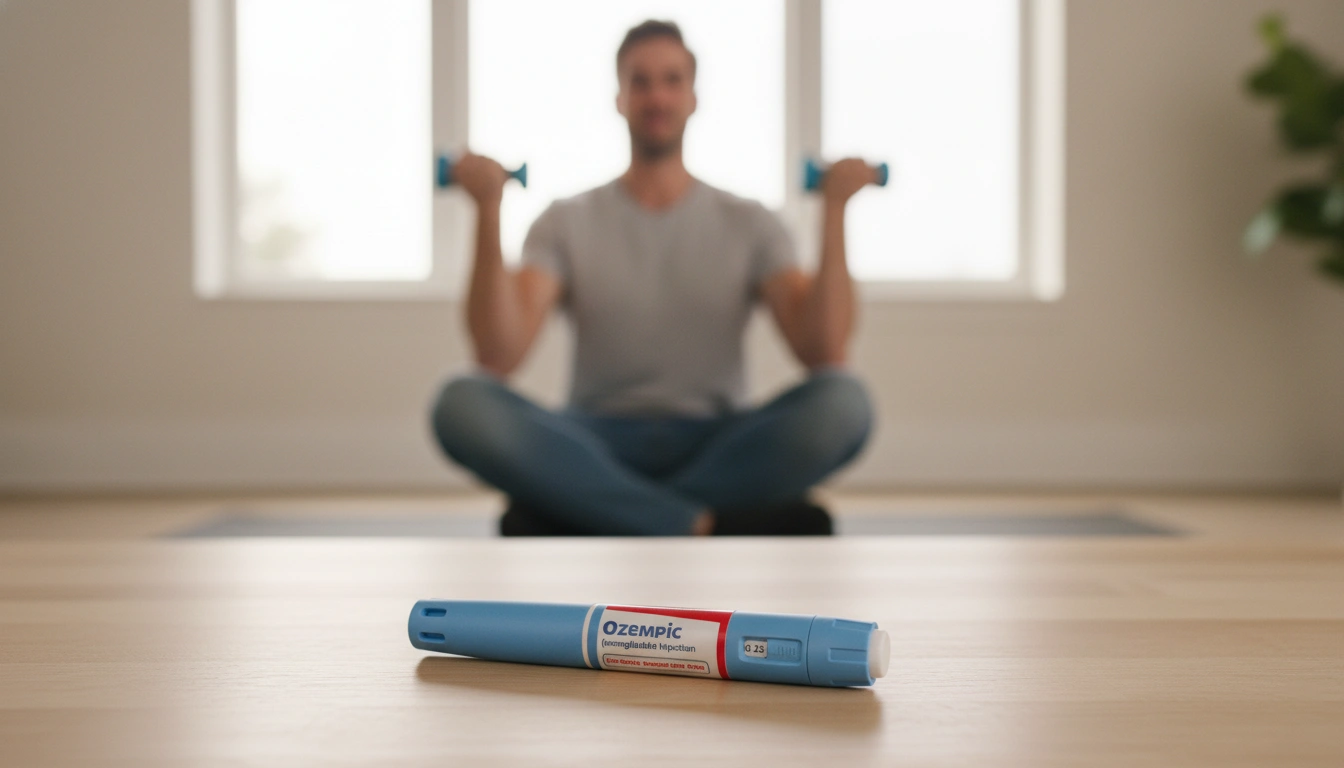
If you’ve started Ozempic and noticed that your gym sessions feel different, you’re not imagining it. Performance changes are real, predictable, and manageable once you understand what’s driving them. Some changes are temporary adjustments to a new metabolic state. Others are permanent shifts that actually work in your favor over time. Here’s what to expect and how to train smarter through it.
The First Few Months: What’s Actually Happening
The early weeks on Ozempic are when gym performance changes are most pronounced. Several things are happening simultaneously that affect how you feel during training.
Caloric intake drops significantly. For many patients, the reduction is substantial, sometimes cutting daily intake by 30 to 50 percent compared to pre-treatment levels. Your muscles run primarily on glycogen during moderate to high intensity exercise, and glycogen comes from dietary carbohydrates. Less food means less carbohydrate intake, which means lower glycogen stores going into every session. The practical result is that workouts that previously felt manageable now feel harder, sets that used to end comfortably now end at or near failure earlier than expected, and the post-workout fatigue can be more pronounced.
Gastric emptying slows, which affects how quickly nutrients from pre-workout meals reach your muscles. Even if you eat something before training, the delivery timeline is longer than you’re used to. This means eating closer to your session than you might think is necessary on Ozempic, since food you eat 90 minutes out may still be processing when you start lifting.
Nausea and general gastrointestinal discomfort, common in the early weeks, make it harder to push intensity during training. The mental and physical overhead of managing side effects reduces the focus and drive available for hard gym sessions.
None of this is permanent. Most patients find that by months two to four, as the body adapts to the new caloric environment and side effects moderate, gym performance begins to stabilize and often improves substantially as body weight decreases.
What Improves Over Time
Here’s the part of the performance story that often gets overlooked in early discussions about Ozempic and exercise: many aspects of gym performance genuinely get better as treatment progresses.
Cardiovascular endurance improves as body weight decreases. Every pound of excess weight removed reduces the mechanical and cardiovascular demand of any given exercise. A patient who loses 30 pounds on Ozempic will find that movements like squats, lunges, step-ups, and rowing feel progressively easier relative to their actual effort, because the system doing the work is carrying less load. Cardio capacity in particular tends to improve noticeably, with patients reporting they can sustain higher intensities for longer than they could at their starting weight.
Joint comfort improves for the same reason. Reduced load on knees, hips, and ankles during exercise means less pain and more range of motion, which allows for better exercise form and access to movements that were previously uncomfortable or impossible.
Insulin sensitivity improvements from Ozempic also benefit gym performance over time. Better insulin sensitivity means more efficient glucose uptake by muscle cells during and after training, supporting better performance and faster recovery. This effect compounds with the improvements that resistance training itself produces in insulin sensitivity, creating a positive feedback loop between medication and exercise.
Strength Training: Managing Expectations and Progress
Strength performance on Ozempic follows a pattern worth understanding before you walk into the gym frustrated by numbers that aren’t moving the way you expect.
In the first two to three months, strength may plateau or dip slightly from pre-treatment levels. This is almost entirely explained by reduced glycogen availability and caloric deficit rather than any direct effect of the medication on muscle function. It’s temporary, and maintaining training consistency through this period is more important than chasing personal records.
From months three to six onward, most patients stabilize and some begin making strength progress again, even while continuing to lose weight. The key is that strength relative to body weight, rather than absolute numbers on the bar, is a more meaningful metric during this phase. Maintaining a 185-pound squat while dropping from 220 pounds of body weight to 190 pounds is a genuine strength improvement, even though the weight lifted didn’t increase.
Progressive overload remains the goal, but the increments may be smaller than they were pre-treatment. Adding one rep to a working set, reducing rest by 15 seconds, or completing the same session with noticeably better form all constitute progression. Tracking these smaller markers of progress is what keeps training productive and motivating during a period when the usual feedback of increasing weight on the bar is less consistent.
For patients who are new to resistance training and starting Ozempic at the same time, the picture is actually more favorable. Beginners make neuromuscular strength gains quickly regardless of caloric status, meaning many new lifters on Ozempic make steady strength progress through the early months that more experienced lifters don’t.
Energy Management: Training Smarter, Not Harder
The most common mistake Ozempic patients make in the gym is trying to train exactly as they did before starting the medication, without adjusting for the reduced energy availability. This tends to produce sessions that end early, prolonged post-workout fatigue, and a frustrating sense that the medication is sabotaging training.
The more effective approach is adjusting training structure to match current energy availability.
Shorter sessions with higher quality work outperform longer sessions done at reduced intensity when fuel is limited. A 40-minute session where every set is performed with good form and appropriate effort will produce better results than a 75-minute session where the last 35 minutes are spent grinding through depleted sets with deteriorating form.
Training frequency can be maintained even when session volume needs to come down. Three 40-minute sessions per week is more effective for muscle preservation and fitness than two 75-minute sessions, because the frequency of the stimulus matters as much as the volume.
Supersets and circuit formats, where you alternate between exercises with minimal rest, can make shorter sessions more efficient without requiring more total time. Pairing a lower body movement with an upper body movement and moving between them keeps the session productive while managing the recovery demands that are elevated on a caloric deficit.
A 2021 study published in Sports Medicine found that resistance training volume could be reduced by up to 50 percent during periods of caloric restriction without significant loss of strength or muscle mass, provided training intensity (the effort level of each set) was maintained. (Ralston GW et al., Sports Medicine, 2021, https://pubmed.ncbi.nlm.nih.gov/33492635/)
This is practically useful for Ozempic patients. Doing fewer sets per session at the same effort level preserves results better than doing full volume at reduced effort.
Pre and Post Workout Nutrition on Ozempic
Getting nutrition timing right makes a meaningful difference in gym performance on Ozempic, even though the quantities involved are much smaller than standard sports nutrition recommendations assume.
Before training, a small mixed meal or snack 60 to 90 minutes before the session is more effective than training fasted for most patients doing moderate to high intensity work. The goal isn’t a large meal. A combination of easily digestible carbohydrate and protein, something like a banana with a tablespoon of nut butter, a small serving of rice cakes with turkey, or half a cup of Greek yogurt with fruit, gives muscles enough available fuel without sitting heavily on a stomach that may already be sensitive.
After training, protein within 30 to 60 minutes supports muscle repair. Twenty to 30 grams is the target. On days when solid food feels unappealing post-session, a protein shake is the most practical solution. The article on protein shakes on semaglutide covers what to look for in a formula that won’t worsen nausea or gastrointestinal sensitivity.
Hydration deserves specific mention. Dehydration impairs gym performance noticeably, reducing strength, endurance, and cognitive focus during training. Ozempic patients who are eating and drinking less than before need to be deliberate about fluid intake, particularly on training days. Aiming for at least 2 to 2.5 liters of water on workout days is a reasonable baseline for most patients.
Cardio Performance: The Long Game
Cardiovascular performance on Ozempic tends to follow a more encouraging trajectory than strength performance in the early months. While strength may plateau temporarily, cardiovascular capacity often improves steadily as body weight decreases, because the primary determinant of cardio performance for most non-elite exercisers is the ratio of cardiovascular output to body mass being moved.
Patients who were doing 20 minutes on the treadmill before Ozempic often find they’re doing 35 or 40 minutes at a higher pace by month six, not because their cardiovascular system has dramatically changed, but because they’re moving a lighter body. This positive feedback loop makes cardio one of the more rewarding aspects of gym performance during GLP-1 treatment.
The article on cardio on semaglutide covers how to structure aerobic training specifically for GLP-1 patients, including zone 2 work, intensity management, and how to build volume safely during active weight loss.
Tracking Gym Progress on Ozempic
Standard gym progress tracking, which focuses primarily on weight lifted and body weight, misses most of what’s actually happening during GLP-1 treatment. A more complete tracking approach includes strength relative to body weight, cardiovascular metrics like pace or distance at a given heart rate, how sessions feel subjectively compared to previous weeks, recovery time between sessions, and body measurements alongside scale weight.
Patients who track this fuller picture consistently report a more accurate and motivating view of their progress than those who rely on the scale and the barbell alone.
If you’re ready to start Ozempic or semaglutide treatment with clinical oversight and ongoing support, begin your TrimRx assessment here.
This information is for educational purposes and is not medical advice. Consult with a healthcare provider before starting any medication. Individual results may vary.

Transforming Lives, One Step at a Time
Keep reading

How to Keep an Ozempic Routine on Rotating Shifts
The good news is that the injection is the easiest part of this. Semaglutide is dosed weekly and has a long duration of action,…

Was Your Weight Gain Really Menopause? What Ozempic Working Tells You
It tells you almost nothing about the cause, and that is worth understanding before you draw conclusions about the last several years. A treatment…

Ozempic and Social Isolation: When Food Was How You Connected
This is a real cost of treatment and it does not get discussed much, partly because it sounds minor next to the medical benefits….


