High-Protein Meal Plan for GLP-1 Patients
Introduction
The biggest dietary mistake on semaglutide or tirzepatide is undereating protein. Appetite drops fast, total food intake collapses, and protein gets crowded out by easier-to-tolerate carbs and fats. Two months later, the lab work shows muscle loss accounting for more than a third of total weight lost.
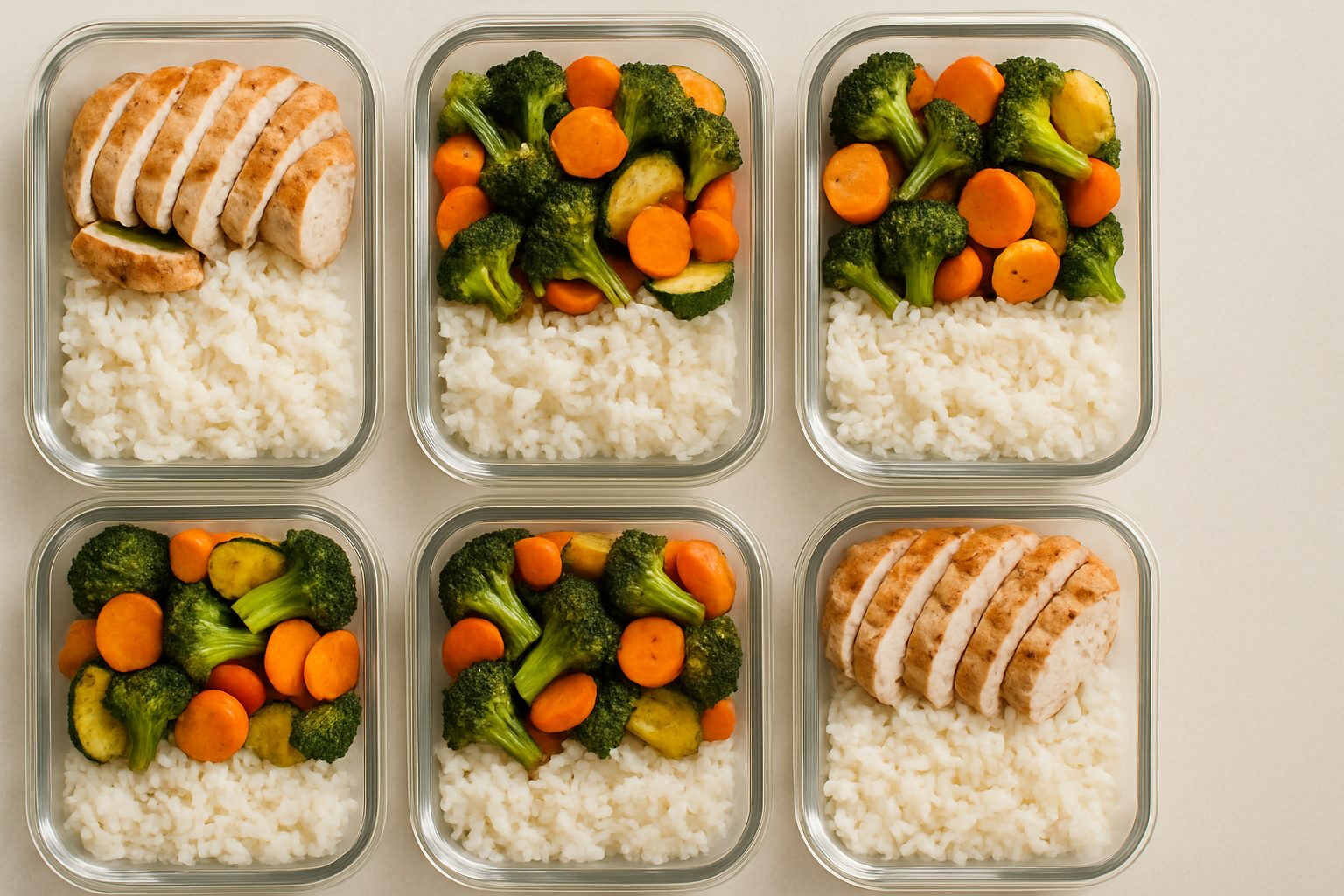
This 7-day plan targets 110-140 g of protein per day on reduced appetite. The portions are sized for what real GLP-1 patients can actually finish (small to moderate), and the meals are structured to minimize the foods that trigger nausea most reliably.
It’s not a strict diet. Use it as a template, swap meals between days, and adjust portions to your hunger level.
At TrimRx, we believe that understanding your options is the first step toward a more manageable health journey. You can take the free assessment quiz if you’re ready to see whether a personalized program is a fit for you.
Why Is High Protein Essential on GLP-1 Medications?
GLP-1 medications produce rapid weight loss. Without high protein intake and resistance exercise, 25-40% of that weight comes from lean muscle rather than fat. Studies from the Pennington Biomedical Center confirm this pattern in real-world weight loss settings.
Quick Answer: Target 0.8-1.2 g of protein per pound of goal body weight daily
Muscle loss has long-term consequences: lower resting metabolism, weaker grip strength, greater fall risk in older patients, and faster weight regain after stopping the drug. Preserving muscle is the single highest-use thing patients can do during treatment.
Protein also provides better satiety per calorie than carbs or fat. On reduced appetite, every gram counts.
How Much Protein Should You Aim For?
0.8-1.2 g per pound of goal body weight. A patient targeting 150 pounds should aim for 120-180 g of protein daily. A patient targeting 180 pounds should aim for 145-215 g.
Most patients land in the lower half of that range, which is fine. The minimum effective dose is around 0.7 g per pound; below that, muscle loss accelerates.
To hit 120 g of protein on reduced appetite, you need protein at every meal and snack. Skipping protein at one meal makes the target nearly impossible.
What Does a High-protein Day Actually Look Like?
A balanced day with 130 g of protein at five eating occasions:
7 am: 1 cup Greek yogurt + 2 tbsp PB powder + handful berries (28 g protein, 200 calories).
10 am: 2 hard-boiled eggs + string cheese (18 g protein, 200 calories).
1 pm: 5 oz grilled chicken, side salad with olive oil (40 g protein, 350 calories).
4 pm: Whey protein shake with water (25 g protein, 120 calories).
7 pm: 4 oz salmon, half cup quinoa, roasted vegetables (28 g protein, 400 calories).
Total: 139 g protein, roughly 1,270 calories. Sized for an appetite-suppressed adult on a stable maintenance dose.
Day 1
Breakfast: 3 eggs scrambled with 1 oz feta and spinach, 1 slice whole grain toast. 30 g protein.
Snack: 1 cup cottage cheese with a handful of blueberries. 25 g protein.
Lunch: 5 oz canned tuna mixed with light mayo and celery over mixed greens. 35 g protein.
Snack: Whey protein shake. 25 g protein.
Dinner: 5 oz baked chicken breast, half cup brown rice, steamed broccoli. 40 g protein.
Daily total: ~155 g protein.
Day 2
Breakfast: 1 cup Greek yogurt + 1 tbsp chia seeds + half cup raspberries. 25 g protein.
Snack: 2 hard-boiled eggs + cucumber slices. 12 g protein.
Lunch: Turkey wrap (4 oz turkey, whole wheat tortilla, hummus, lettuce). 35 g protein.
Snack: 1 oz almonds + 1 string cheese. 12 g protein.
Dinner: 5 oz grilled salmon, half cup quinoa, asparagus. 35 g protein.
Daily total: ~119 g protein.
Day 3
Breakfast: Protein shake (1 scoop whey isolate + half cup oats + half banana + almond milk). 30 g protein.
Snack: Half cup cottage cheese with peach slices. 15 g protein.
Lunch: 5 oz grilled chicken Caesar salad (light dressing). 40 g protein.
Snack: Greek yogurt with cinnamon. 20 g protein.
Dinner: 4 oz lean ground turkey stuffed bell peppers with quinoa. 30 g protein.
Daily total: ~135 g protein.
Day 4
Breakfast: 3 egg whites + 1 whole egg + 2 oz turkey bacon + half avocado. 28 g protein.
Snack: Tuna in pouch + whole grain crackers. 25 g protein.
Lunch: 4 oz grilled shrimp tacos (2 corn tortillas, salsa, slaw). 30 g protein.
Snack: Whey protein shake. 25 g protein.
Dinner: 5 oz pork tenderloin, roasted sweet potato, green beans. 35 g protein.
Daily total: ~143 g protein.
Day 5
Breakfast: 1 cup Greek yogurt + 2 tbsp granola + handful walnuts. 22 g protein.
Snack: 2 hard-boiled eggs + apple. 12 g protein.
Lunch: 5 oz rotisserie chicken with hummus and cucumber slices. 40 g protein.
Snack: Cottage cheese with pineapple. 20 g protein.
Dinner: 4 oz lean steak, half cup mashed cauliflower, roasted carrots. 30 g protein.
Daily total: ~124 g protein.
Day 6
Breakfast: Protein oatmeal (half cup oats cooked with 1 scoop whey + 1 tbsp peanut butter). 30 g protein.
Snack: String cheese + cherry tomatoes. 8 g protein.
Lunch: 5 oz baked cod with lemon, half cup quinoa, broccoli. 35 g protein.
Snack: Whey protein shake. 25 g protein.
Dinner: Lentil soup (1.5 cups) + 4 oz grilled chicken. 40 g protein.
Daily total: ~138 g protein.
Key Takeaway: 5 small meals beat 3 large ones for nausea control on GLP-1 medications
Day 7
Breakfast: 3-egg veggie omelet with feta + 1 slice toast. 25 g protein.
Snack: 1 cup Greek yogurt with honey. 20 g protein.
Lunch: 5 oz tuna salad over greens with whole grain crackers. 35 g protein.
Snack: 1 oz almonds + 2 string cheese sticks. 14 g protein.
Dinner: 4 oz grilled chicken thigh + half cup brown rice + zucchini. 30 g protein.
Daily total: ~124 g protein.
What If You Can’t Finish a Meal?
Eat the protein first. If you stop halfway through, you’ve still gotten the most important macro. The leftover salad or quinoa can go in the fridge or get tossed without much loss.
A common strategy is to plate half-portions intentionally and go back for seconds if hunger allows. This avoids the psychological pressure of staring at unfinished food and reduces waste.
If you can’t hit protein at one meal, backfill with a shake later in the day. Whey isolate is fast and easy on the stomach; casein is more filling for nighttime.
What Protein Shakes Work Best?
Whey isolate is the default. It absorbs fast, mixes easily, and is well tolerated by most patients. Look for products with 25+ g protein per serving and minimal added sugar.
Plant-based options (pea, soy, hemp blends) work for patients with dairy intolerance. The amino acid profile is slightly less complete but the difference is small in the context of overall daily protein intake.
Casein is slower-digesting and works well as a bedtime option. Cottage cheese with berries serves the same purpose if you prefer food over powder.
Should You Eat Red Meat on GLP-1?
Lean cuts in moderation. Fatty red meat (ribeye, fatty ground beef, prime rib) is high-fat and slows gastric emptying further than the drug already does. This is one of the more common nausea triggers in the first 6-8 weeks of treatment.
Lean cuts work fine: sirloin, eye of round, 93-96% lean ground beef, pork tenderloin. Keep portions to 4-5 oz and pair with vegetables and a small carb portion.
If you’ve been hit with red meat nausea once, you’ll likely react again. Many patients drop red meat entirely during titration and add it back at stable dose.
What Does Protein Distribution Look Like Across a Day?
The pattern matters as much as the total. Spreading 130 g of protein across 4-5 meals beats consuming the same total in 2 large meals for muscle protein synthesis. The reason is the per-meal threshold for triggering muscle building, which is around 25-35 g for younger adults and 35-45 g for adults over 60.
A typical day at 130 g total:
Breakfast: 25 g (Greek yogurt + chia + berries).
Mid-morning: 15 g (hard-boiled eggs).
Lunch: 35 g (chicken salad with quinoa).
Mid-afternoon: 25 g (whey shake).
Dinner: 30 g (salmon with vegetables).
Five eating occasions, each hitting at least the synthesis threshold for younger adults. For patients over 60, replacing the mid-morning and mid-afternoon snacks with larger 30+ g protein options is worth the effort.
What If You’re a Picky Eater?
Stick to 4-6 reliable proteins you actually like. Variety isn’t required; consistency is. A patient eating chicken breast, eggs, Greek yogurt, and whey protein every day with minor rotation gets the same muscle preservation results as one eating 15 different protein sources weekly.
Common reliable starters:
Rotisserie chicken from the grocery store (zero prep, 35 g per 4 oz portion).
Hard-boiled eggs prepped on Sunday for the week.
Single-serve Greek yogurt cups for grab-and-go meals.
Plain cooked salmon or tuna from a pouch.
Whey isolate shake as the daily backup.
Build the rest of your eating around those anchors. Variety can come later once the routine is automatic.
How Does the Plan Adapt for Weekends?
Weekends are when most GLP-1 patients fall off protein targets. Schedule shifts, social meals, and looser eating routines drop daily protein by 30-50% if not managed.
Two anchor habits cover the gap:
First, eat a protein-rich breakfast within 90 minutes of waking, even if it’s just a shake. This sets the day’s tone.
Second, plan one protein-anchored meal that you control (dinner at home, a packed lunch for an outing). Knowing one of the day’s eating occasions is locked in protects total intake.
For brunches and social events, scan the menu for one high-protein option (eggs Benedict, smoked salmon plate, steak frites with extra protein side) and order that. Skip the pancakes and pastries that fill the appetite without delivering protein.
Bottom line: Plan for 25-40 g protein per meal; backfill with protein shakes if you can’t hit it
FAQ
Can I Skip Meals If I’m Not Hungry?
Yes, but don’t skip protein. Two meals at 60 g each can hit the daily target. Three meals at 40 g each is also fine.
What If I’m Vegetarian?
Tofu, tempeh, eggs, Greek yogurt, cottage cheese, lentils, beans, and plant protein powders cover most of the gap. Vegetarian patients usually need a daily protein shake to hit targets.
Is Too Much Protein Dangerous?
Healthy kidneys handle up to 2 g per pound per day without issue. Patients with chronic kidney disease should stay closer to 0.6-0.8 g per pound and discuss with their clinician.
Should I Track Macros?
Many TrimRx patients use a tracking app for the first 2-4 weeks to calibrate, then stop. Once you know what 30 g of protein looks like at each common meal, daily tracking becomes unnecessary.
Can I Eat the Same Meals Every Day?
Yes. Most patients land on 3-5 reliable meals they rotate. Variety matters less than consistency on protein.
What About Meal Delivery Services?
Services like Factor, Trifecta, and Fresh N Lean offer high-protein options that work well for GLP-1 patients. Many TrimRx patients use one or two delivered meals per day to simplify hitting protein targets.
Do I Need to Eat Back Exercise Calories?
No. The GLP-1 already creates the deficit. Don’t add calories specifically for cardio or light strength training. For heavy training days, add a protein-rich snack if hungry.
Disclaimer: This content is for informational purposes only and does not constitute medical advice. It is not intended to diagnose, treat, cure, or prevent any disease or condition. Individual results may vary. Always consult a qualified healthcare professional before starting any weight loss program or medication.

Transforming Lives, One Step at a Time
Keep reading

Construction Work in Summer on a GLP-1
Summer on a job site means early starts, heavy physical work, direct sun or hot interiors, and lunch from a cooler or the back…

Colonoscopy Prep on a GLP-1
If you are on a GLP-1 and have a colonoscopy, upper endoscopy, or any procedure with sedation coming up, the single most important step…
Clergy and Community Meals on a GLP-1
For pastors, priests, rabbis, imams, chaplains, and other community leaders, food is part of the work. Potlucks, fellowship dinners, holiday meals, funeral receptions, and…


