Why Protein Is Your Secret Weapon for Weight Loss
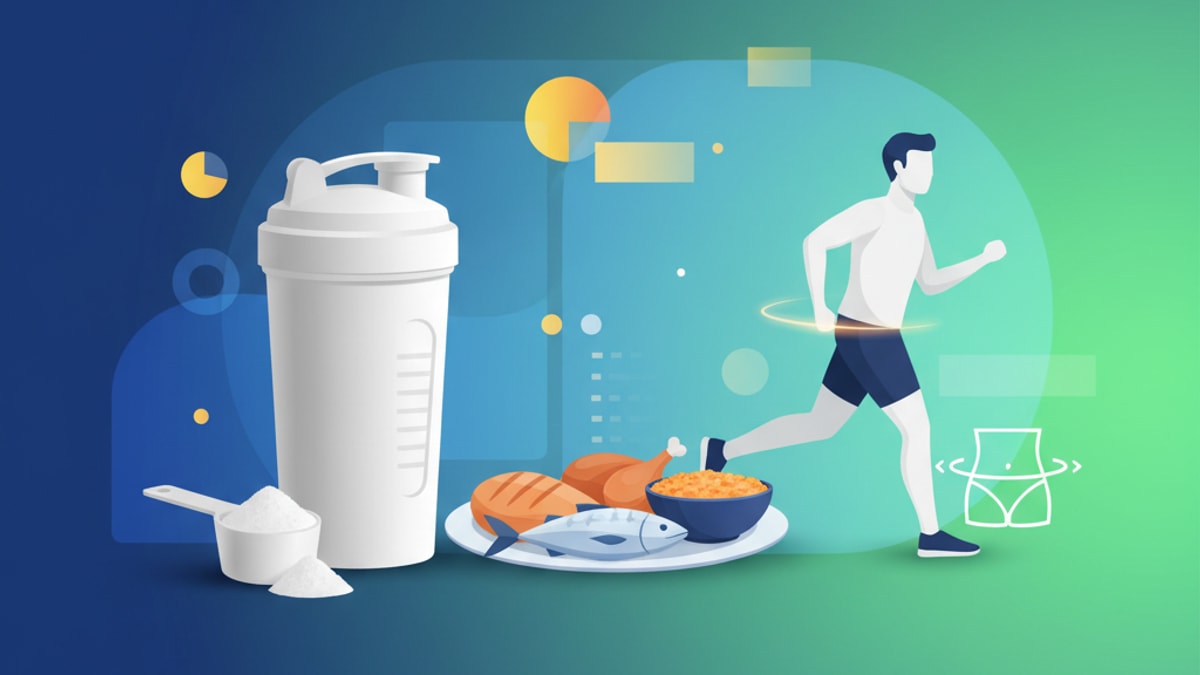
Let's be honest. The world of weight loss is a sprawling, often contradictory landscape of advice. One minute, carbs are the enemy; the next, it's all about fat. It's exhausting. Our team at TrimrX sees this confusion every single day. People come to us looking for a clear, scientifically-backed path forward, tired of the guesswork and failed attempts. And while our medically-supervised programs using advanced GLP-1 treatments are at the core of what we do, we always start the conversation with a foundational, non-negotiable element: protein.
Why? Because understanding how protein helps with weight loss isn't just another diet tip—it's about fundamentally changing the way your body manages hunger, burns calories, and preserves its most metabolically active tissue. It’s not a fad. It’s physiology. And getting it right can be the difference between a frustrating, circular journey and achieving sustainable, long-term success. So, let's cut through the noise together and look at what the science, and our direct clinical experience, actually shows.
It's More Than Just Feeling Full: The Science of Satiety
We've all heard it: "Protein keeps you fuller for longer." It’s true, but that statement barely scratches the surface of the sophisticated biological processes at play. This isn't just about the physical volume of food in your stomach. It's a complex hormonal conversation, and protein speaks the language of 'fullness' more fluently than any other macronutrient.
When you consume protein, your body initiates a cascade of hormonal signals. It triggers the release of gut hormones like Peptide YY (PYY) and, importantly, Glucagon-Like Peptide-1 (GLP-1). These are powerful satiety hormones. They travel to your brain and essentially tell your hypothalamus, the appetite regulation center, "Hey, we're good down here. You can turn down the hunger signals." This is a significant, sometimes dramatic shift. Simultaneously, protein helps suppress ghrelin, often called the 'hunger hormone.' So you're getting a powerful one-two punch: an increase in the hormones that signal fullness and a decrease in the hormone that drives hunger.
This is precisely where the synergy with modern medical treatments becomes so clear. The GLP-1 medications we utilize at TrimrX, like Semaglutide and Tirzepatide, are designed to mimic the action of that very same GLP-1 hormone your body produces naturally. They enhance and prolong that feeling of satiety. Our experience has shown, unequivocally, that when our patients combine their treatment with a diet rich in protein, the effect is amplified. They're not just relying on the medication; they're supporting it with a nutritional strategy that works along the exact same physiological pathways. It’s a smarter, more integrated approach to appetite control. It just works.
Think about the practical difference. A breakfast of a bagel and juice (mostly simple carbs) might leave you ravenous by 10 AM. Your body burns through it quickly, ghrelin spikes, and you're suddenly distracted by thoughts of snacks. A breakfast of Greek yogurt or scrambled eggs, however, sets off that satiety cascade. The morning becomes about focus and productivity, not a relentless battle against cravings. That's the power of hormonal control, and protein is your first line of defense.
The Thermic Effect of Food: Your Metabolism's Hidden Engine
Here's a concept that doesn't get nearly enough airtime in mainstream weight loss discussions: the Thermic Effect of Food (TEF). In simple terms, your body has to expend energy—burn calories—just to digest, absorb, and process the nutrients in your food. It’s like a metabolic tax on everything you eat.
But here’s the fascinating part: not all macronutrients are taxed equally.
- Fat: Has a very low TEF, around 0-3%. Your body processes it very efficiently, burning almost no extra calories.
- Carbohydrates: Have a moderate TEF, typically in the 5-10% range.
- Protein: This is the champion. Protein has a whopping TEF of 20-30%.
Let that sink in. For every 100 calories of protein you consume, your body uses 20 to 30 of those calories just to process it. That is a colossal difference. It's a genuine metabolic advantage that's built right into the food itself. If you and a friend both eat a 500-calorie meal, but your meal is protein-dominant while theirs is carb-and-fat dominant, you will have netted fewer effective calories. You've simply burned more in the act of digestion.
Over the course of a day, a week, or a month, this adds up. It's not a magic bullet that lets you eat anything you want, but it's a significant, constant tailwind pushing you toward your goals. We often explain it to our clients as 'stoking the metabolic fire.' Every time you choose a protein-rich meal or snack, you're not just fueling your body; you're also giving your metabolism a little extra work to do, which contributes directly to your overall daily energy expenditure. It’s one of the most passive yet effective ways to increase your calorie burn without spending an extra minute in the gym. Simple, right?
Protecting Your Most Valuable Asset: Muscle Mass
This is, without a doubt, the most critical and often overlooked reason why protein is non-negotiable for sustainable weight loss. When you're in a calorie deficit to lose weight, your body needs to get that energy from somewhere. Ideally, it pulls from your fat stores. But, left to its own devices, it will also happily break down muscle tissue for energy—a process called catabolism. This is catastrophic for long-term success.
Why? Because lean muscle mass is your body's metabolic furnace. The more muscle you have, the more calories you burn at rest, 24/7. Every pound of muscle is metabolically active tissue. When you lose muscle along with fat, your resting metabolic rate (RMR) drops. This is a primary reason why so many people experience the dreaded weight-loss plateau or, even worse, regain all the weight (and then some) after a diet ends. Their metabolism has been hobbled. They've won the battle but lost the war.
Protein is the antidote. It provides the essential amino acids—the literal building blocks—your body needs to repair and maintain muscle tissue. By ensuring your protein intake is adequate during a calorie deficit, you send a powerful signal to your body: "Burn the fat, but spare this valuable muscle." It's a preservation strategy.
Our team can't stress this enough. We've seen it work time and time again. The clients who are diligent about their protein intake while on our programs are the ones who not only lose weight but also report feeling stronger and more toned. They are fundamentally changing their body composition, not just shrinking the number on the scale. They're losing the right kind of weight, which is the only thing that matters for keeping it off for good. This approach, which we've refined over years, delivers real results that last.
So, How Much Protein Do You Actually Need?
This is the million-dollar question, and the answer, frustratingly, is: it depends. Your ideal protein intake is influenced by a host of factors including your age, sex, weight, activity level, and specific health goals. The generic, one-size-fits-all recommendations often fall short. However, we can provide some expert-backed guidelines that are far more effective than the standard recommendations.
For weight loss and muscle preservation, most of the research points to a range significantly higher than the Recommended Dietary Allowance (RDA). We've found that a target of 1.2 to 1.6 grams of protein per kilogram of body weight (or about 0.5 to 0.7 grams per pound) is an incredibly effective starting point for most individuals in a calorie deficit.
For someone who is highly active or resistance training regularly, that number can and often should be even higher, sometimes approaching 2.0 g/kg. The key is to provide your body with enough amino acids to offset the natural muscle breakdown that occurs during weight loss.
To make this more tangible, let's look at a quick comparison:
| Goal / Activity Level | General Protein Guideline (per kg of body weight) | Example for an 80kg (176lb) Person | Primary Rationale |
|---|---|---|---|
| Sedentary / General Health | 0.8 – 1.0 g/kg | 64 – 80 grams | Meets basic physiological needs and prevents deficiency. |
| Weight Loss / Fat Loss | 1.2 – 1.6 g/kg | 96 – 128 grams | Maximizes satiety, TEF, and crucially, prevents muscle loss during a calorie deficit. |
| Active / Regular Exercise | 1.4 – 1.8 g/kg | 112 – 144 grams | Supports muscle repair, recovery, and adaptation from consistent training. |
| Building Muscle Mass | 1.6 – 2.2 g/kg | 128 – 176 grams | Provides the necessary building blocks for muscle protein synthesis and hypertrophy. |
Seeing the numbers laid out like this makes it clear. The standard advice just isn't enough when your goal is effective fat loss. We also recommend spreading this intake throughout the day—aiming for 25-40 grams of protein per meal—to continuously stimulate muscle protein synthesis and keep hunger at bay. A personalized plan is always best, and it's a core part of how we guide our patients to ensure they're not just losing weight, but doing so in the healthiest, most sustainable way possible.
Not All Protein Is Created Equal: A Quick Guide
Okay, so you're convinced. You need more protein. But where should you get it from? Navigating the protein aisle can be daunting, but the principles are quite simple.
The most important distinction is between complete and incomplete proteins. Complete proteins contain all nine essential amino acids that your body cannot produce on its own. Generally, animal-based sources fall into this category. Think:
- Lean Meats: Chicken breast, turkey, lean cuts of beef and pork.
- Fish: Salmon, tuna, cod, and other fatty fish are excellent choices, providing a bonus of omega-3 fatty acids.
- Eggs: A true nutritional powerhouse.
- Dairy: Greek yogurt (a standout star), cottage cheese, and milk.
Plant-based sources are also fantastic, but many are 'incomplete,' meaning they lack one or more essential amino acids. This isn't a problem! By eating a variety of plant sources throughout the day, you can easily get all the amino acids you need. Great options include:
- Legumes: Lentils, chickpeas, black beans.
- Soy Products: Tofu, tempeh, and edamame (these are complete proteins!).
- Nuts and Seeds: Almonds, chia seeds, hemp seeds.
- Whole Grains: Quinoa (also a complete protein) and oats.
Our professional observation is that the most successful strategies involve variety. Don't just rely on chicken breast for every meal. Mix it up. For breakfast, instead of a pastry, try a scramble or a Greek yogurt parfait. For lunch, a large salad topped with grilled salmon or a hearty lentil soup. For dinner, perhaps some lean steak or a block of seasoned, air-fried tofu. Spreading your sources ensures a wider range of micronutrients and, honestly, keeps things from getting boring. And yes, a high-quality protein powder (like whey, casein, or a plant-based blend) can be a convenient tool, especially for post-workout recovery or a quick snack, but we always emphasize a 'food-first' approach.
Protein, GLP-1 Medications, and a Smarter Path Forward
Now, this is where it gets really interesting. We've talked about how protein naturally stimulates the release of the satiety hormone GLP-1. We've also mentioned that our medical weight loss programs at TrimrX are centered on GLP-1 agonist medications. This isn't a coincidence; it's a deliberate, powerful synergy.
Think of it this way: the medication provides a strong, consistent, and elevated baseline of GLP-1 activity. It fundamentally dials down the 'food noise' in your brain and slows gastric emptying, making you feel full on smaller portions. It creates the ideal physiological environment for weight loss to occur. But it's not magic. You still need to provide your body with the right fuel.
This is where a high-protein diet becomes the perfect partner. By consuming adequate protein, you are naturally supporting the very mechanism the medication is designed to enhance. You're adding your own pulses of GLP-1 on top of the steady baseline provided by the treatment. Our clinical experience shows that patients who embrace this combined strategy report feeling more in control, more satisfied, and less prone to the challenging cravings that may have derailed them in the past. It turns a powerful medical tool into a truly transformative lifestyle change.
This integrated model is the future of sustainable weight management. It's not about relying on a pill or a diet in isolation. It's about using an advanced medical treatment to give you the upper hand, while simultaneously implementing the nutritional principles that support your body's long-term health and metabolic function. You're working with your biology from two different angles. If you're ready to see how this scientifically-backed, medically-supervised approach can revolutionize your weight loss journey, we encourage you to Start Your Treatment and see what's possible.
Common Pitfalls We See (And How to Avoid Them)
Embarking on a higher-protein diet is a fantastic step, but our team has seen a few common stumbles along the way. Being aware of them from the start can make your journey much smoother.
-
The 'All-or-Nothing' Shake Mentality. Protein shakes are convenient, but they shouldn't be your only source. Whole foods provide fiber, vitamins, minerals, and a greater sense of satisfaction than a liquid meal. Use shakes as a supplement, not a replacement.
-
Forgetting to Spread It Out. Many people 'backload' their protein, eating a small amount at breakfast and lunch and then having a massive, protein-heavy dinner. It's far more effective to distribute your intake evenly across 3-4 meals. This keeps your muscles supplied with a steady stream of amino acids and keeps your hunger levels stable all day long.
-
Ignoring Protein Quality and Accompaniments. A greasy cheeseburger technically has protein, but it also comes with a load of saturated fat and refined carbs. Opt for lean sources. A 40-gram serving of protein from grilled chicken breast is not the same as 40 grams from fried chicken wings. Be mindful of how your protein is prepared and what you're eating alongside it.
-
Neglecting Hydration. Your kidneys play a role in processing the byproducts of protein metabolism. While concerns about high protein intake harming healthy kidneys have been largely debunked by modern research, staying well-hydrated is crucial to support this process. It's a simple but vital habit. We always advise our clients to make water their constant companion.
Avoiding these simple mistakes can dramatically improve your results and make the entire process feel more natural and sustainable. It’s about building smart habits, not just hitting a number.
Ultimately, protein is not a trend. It's a foundational pillar of human physiology that plays a formidable role in body composition and weight regulation. By leveraging its power to control hunger, boost your metabolism, and protect precious muscle, you're not just dieting—you're working with your body's own intricate systems. When you combine this powerful nutritional strategy with the support of a medically-supervised program, the potential for lasting change becomes truly profound. It’s about more than just losing weight; it’s about reclaiming your health, your energy, and your confidence for the long haul.
Frequently Asked Questions
Will eating too much protein harm my kidneys?
▼
For individuals with healthy, functioning kidneys, extensive research has shown that a high-protein diet is generally safe. The concern typically applies to those with pre-existing kidney disease. We always recommend staying well-hydrated and, as with any significant dietary change, consulting with a healthcare professional, which is a core part of our medically-supervised programs.
Is a protein shake a good meal replacement for weight loss?
▼
While a protein shake can be a convenient tool, our team generally advises against using it as a frequent meal replacement. Whole food sources of protein offer more fiber, micronutrients, and greater satiety. Shakes are best used as a supplement, for post-workout recovery, or as a quick option when you’re in a pinch.
Can I get enough protein on a vegan or vegetarian diet to lose weight?
▼
Absolutely. It simply requires more mindful planning. Excellent plant-based sources include lentils, chickpeas, tofu, tempeh, edamame, seitan, and quinoa. Combining various plant proteins throughout the day ensures you receive all essential amino acids for muscle preservation.
How does protein intake affect a GLP-1 medication like Semaglutide?
▼
They work synergistically. GLP-1 medications enhance satiety signals in the brain, and protein naturally stimulates the body’s own production of GLP-1. Combining them creates a powerful effect, improving appetite control and supporting the preservation of muscle mass during weight loss.
Does it matter when I eat my protein?
▼
Yes, timing can optimize results. Our experience shows that spreading your protein intake evenly across your meals (e.g., 25-40g per meal) is more effective for managing hunger and stimulating muscle protein synthesis than consuming most of it in one large meal.
What’s the difference between whey and casein protein powder?
▼
Whey protein is digested very quickly, making it ideal for post-workout recovery when your muscles need amino acids fast. Casein digests much more slowly, providing a sustained release of amino acids, which makes it a great option before bed or between meals.
Will eating more protein make me bulky?
▼
This is a common myth, especially among women. Gaining significant muscle mass (or ‘bulk’) requires a combination of a calorie surplus and intensive, specific resistance training. For weight loss, adequate protein primarily serves to preserve the lean muscle you already have, not build large new muscle.
How soon should I eat protein after a workout?
▼
While the idea of a rigid 30-minute ‘anabolic window’ has been relaxed by recent research, it’s still a good practice to consume a protein-rich meal or shake within a couple of hours after your workout. This helps kickstart the muscle repair and recovery process effectively.
Can I lose weight with protein alone, without exercise?
▼
You can lose weight through diet alone by creating a calorie deficit, and a high-protein diet is very effective for this. However, our team strongly recommends incorporating exercise, particularly resistance training. This combination is the gold standard for ensuring you lose fat while preserving or even building metabolically active muscle.
Are high-protein diets sustainable long-term?
▼
Yes, they can be very sustainable, especially when focused on whole foods. The key is finding lean protein sources you enjoy and learning how to incorporate them into your lifestyle. The enhanced satiety from protein often makes it easier to stick with a healthier eating pattern compared to more restrictive diets.
What are some easy ways to add more protein to my breakfast?
▼
Breakfast is a crucial time to start your protein intake. Swap sugary cereals for Greek yogurt or cottage cheese with berries. Add a scoop of protein powder to your oatmeal, or choose eggs—scrambled, poached, or as an omelet—instead of toast or a bagel.
Does protein help with cravings for sugar and carbs?
▼
It can have a significant impact. By stabilizing blood sugar levels and promoting satiety, a higher protein intake helps prevent the sharp energy crashes that often trigger intense cravings for sugary or high-carb foods. It provides a more stable, sustained energy source.

Transforming Lives, One Step at a Time
Keep reading

Do You Need a Prescription for GLP-1s? The 2026 Answer
Wondering ‘do you need a prescription for glp 1’ in 2026? Yes. We explain why a doctor’s oversight is critical for safe, effective results.

How to Get GLP-1 Covered By Insurance: Our 2026 Playbook
Struggling with how to get glp-1 covered by insurance? Our 2026 guide breaks down prior authorizations, appeals, and documentation.

Traveling with GLP-1s in 2026: Your Essential Trip-Proof Plan
Don’t let travel disrupt your GLP-1 treatment. Learn how to travel with glp 1 medications safely and stress-free in our 2026 expert guide.


