How Semaglutide Works for Weight Loss: The Full Story
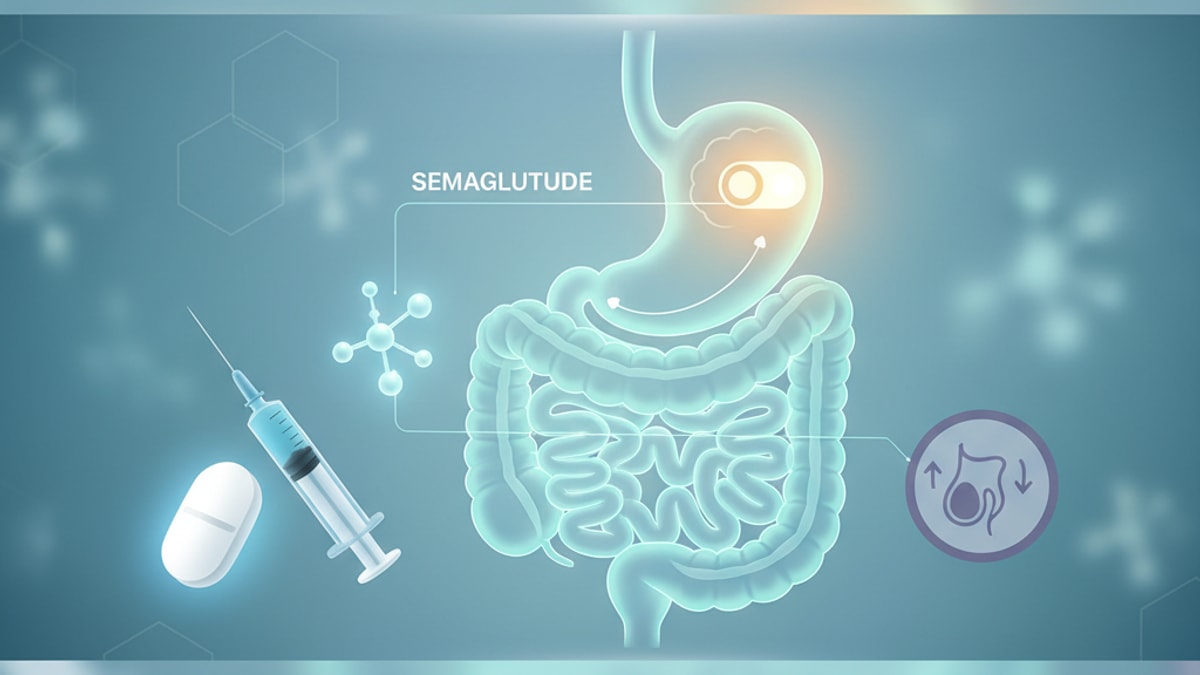
It feels like you can't scroll through a news feed or have a conversation about health without hearing about semaglutide. It's everywhere. The buzz is undeniable, and frankly, it's warranted. We've seen firsthand the profound impact it can have on a person's health, confidence, and overall quality of life. But with all the chatter comes a flood of misinformation and half-truths. It's often painted as a simple 'quick fix,' which couldn't be further from the truth. The reality is far more fascinating.
At TrimrX, our entire focus is on the clinical application of advanced medications like semaglutide. We live and breathe this science every day. Our team believes you deserve to understand not just that it works, but how it works. Understanding the mechanism is empowering. It demystifies the process and helps you partner with your body for the best possible results. So, let's pull back the curtain and really explore the elegant biological symphony that explains how semaglutide works for weight loss. It's not magic; it’s a brilliant application of metabolic science.
First, What Exactly Is This Stuff?
Before we dive into the 'how,' we need to cover the 'what.' Semaglutide isn't a stimulant like phentermine, and it’s not a fat blocker. It belongs to a class of medications called glucagon-like peptide-1 (GLP-1) receptor agonists. That sounds complicated, but the concept is actually quite intuitive.
Your body naturally produces a hormone called GLP-1 in your gut, primarily after you eat a meal. It's a crucial player in your digestive and metabolic system. Think of it as your body's own internal signaling system that says, 'Hey, fuel is coming in! Time to process it efficiently and let the brain know we're good for now.' This natural hormone does a few key things: it prompts the pancreas to release insulin (which lowers blood sugar), it blocks the production of glucagon (a hormone that raises blood sugar), and it signals to your brain that you're feeling full. The problem? Your body's natural GLP-1 is incredibly short-lived. It's broken down and cleared from your system within minutes. It does its job and then it's gone.
This is where the breakthrough happens.
Semaglutide is a synthetic version of this hormone. It’s designed to mimic the effects of your natural GLP-1, but with one critical, non-negotiable difference: it's engineered to last. Instead of disappearing in minutes, it sticks around in your system for about a week. This prolonged action is what makes it such a formidable tool for weight loss. It essentially keeps those 'I'm full and satisfied' signals active on a consistent basis, fundamentally changing your relationship with food and hunger on a biological level. It’s not about willpower. It’s about biochemistry.
The Brain: Quieting the 'Food Noise'
Let's be honest, this is the part that most people find truly life-changing. Our team has found that one of the first and most profound effects patients report is the silencing of 'food noise.' What is that? It's the constant, relentless chatter in your head about your next meal. The planning, the craving, the obsessing, the guilt. It's exhausting.
Semaglutide directly targets the appetite control centers in your brain, specifically in an area called the hypothalamus. This is the command center for hunger, thirst, and satiety. When semaglutide activates the GLP-1 receptors here, it sends powerful signals that translate to a feeling of fullness and satisfaction. Suddenly, you're not thinking about the leftover pizza in the fridge or the candy dish at the office. The urge just… fades. It’s not that you can’t eat; it’s that the compulsive need to eat diminishes dramatically.
This is a huge deal. It frees up an immense amount of mental energy that was previously spent battling cravings. For the first time, many of our patients feel they are in control of their food choices, rather than their food choices being in control of them. You can sit down for a meal, eat a reasonable portion, feel genuinely satisfied, and then simply stop. Without a fight. We can't stress this enough: this shift from a constant internal battle to a state of food neutrality is often the most significant psychological benefit of the treatment.
The Stomach: The Fullness Factor
Now, let's move down from the brain to the gut. The second core mechanism of how semaglutide works for weight loss involves something called gastric emptying. That's just the clinical term for how quickly food moves out of your stomach and into your small intestine for further digestion and absorption.
Semaglutide significantly slows this process down. Imagine your stomach as a temporary holding area for food. Normally, it might empty in a couple of hours. On semaglutide, that process might take several hours longer. The practical effect of this is simple and powerful: you feel physically fuller for much, much longer after eating. That small lunch you had can keep you feeling satisfied well into the afternoon, eliminating the need for that 3 p.m. snack raid. It's a physical sensation of satiety that complements the neurological signals happening in your brain.
This one-two punch is incredibly effective. Your brain is telling you that you're not hungry, and your stomach is physically confirming the message. This synergy makes it far easier to naturally reduce your calorie intake without feeling deprived or constantly hungry, which is the downfall of nearly every traditional diet we've ever seen. It works with your body's systems, not against them.
Blood Sugar and Insulin: Creating Metabolic Stability
While the brain and stomach effects are the stars of the show for weight loss, we can't ignore semaglutide's original purpose: blood sugar control. This is a critical piece of the puzzle, especially for individuals with insulin resistance, pre-diabetes, or type 2 diabetes—conditions that often go hand-in-hand with obesity.
Here’s how it helps. When you eat carbohydrates, your blood sugar rises. In response, your pancreas releases insulin to help shuttle that sugar from your bloodstream into your cells for energy. In people with insulin resistance, the cells don't respond well to insulin, so the pancreas has to work overtime, pumping out more and more of it. High insulin levels can actually promote fat storage and block fat burning, creating a vicious cycle.
Semaglutide helps break this cycle in two ways. First, it stimulates the pancreas to release insulin more effectively, but only when blood sugar is high (a 'glucose-dependent' mechanism). This is an elegant safety feature that prevents your blood sugar from dropping too low. Second, it suppresses the release of glucagon, a hormone that tells your liver to release stored sugar into the bloodstream. The net effect is smoother, more stable blood sugar levels. No more dramatic spikes and catastrophic crashes that lead to intense cravings and energy slumps. This metabolic stability is a foundational element for sustainable weight loss.
Semaglutide vs. Tirzepatide: A Quick Comparison
In the world of GLP-1 medications, you'll also hear a lot about tirzepatide. It's another incredibly powerful tool in our arsenal. While they work similarly, there's a key difference our team thinks is important to understand. Semaglutide is a single-agonist medication; it only targets the GLP-1 receptor. Tirzepatide, on the other hand, is a dual-agonist. It targets both the GLP-1 receptor and another incretin hormone receptor called GIP (glucose-dependent insulinotropic polypeptide).
By activating two different hormonal pathways related to appetite and metabolism, tirzepatide can sometimes lead to even greater weight loss and blood sugar control for certain individuals. Our experience shows that the choice between them isn't about which one is 'better' universally, but which one is better for you. It's a nuanced decision based on your individual health profile, metabolic markers, and treatment goals.
Here’s a simple breakdown:
| Feature | Semaglutide (e.g., Wegovy, Ozempic) | Tirzepatide (e.g., Mounjaro, Zepbound) |
|---|---|---|
| Mechanism | GLP-1 Receptor Agonist | Dual GLP-1 & GIP Receptor Agonist |
| Primary Action | Mimics one incretin hormone (GLP-1). | Mimics two incretin hormones (GLP-1 and GIP). |
| Key Effects | Reduces appetite, slows digestion, regulates blood sugar. | Potentially stronger effects on appetite and blood sugar due to dual action. |
| Clinical Results | Proven significant, transformative weight loss. | Often shows slightly higher average weight loss in clinical trials. |
| Our Observation | An incredibly effective and foundational option for many of our patients. | A powerful alternative, particularly for those with significant insulin resistance. |
What the Journey Actually Looks Like
Understanding the science is one thing. Living it is another. A medically-supervised program like ours at TrimrX is not about just getting a prescription and being sent on your way. That's a recipe for failure. We mean this sincerely: a successful journey requires partnership and clinical guidance.
It starts slowly. We always begin patients on a very low 'starter' dose of the medication. This allows your body to acclimate to the effects, particularly the slowing of gastric emptying. The dose is then gradually increased, or 'titrated,' over a period of weeks or months. This methodical approach is absolutely crucial for minimizing potential side effects like nausea or constipation. Rushing the process is a mistake we see all too often with less experienced providers. Patience is key.
And let's talk about lifestyle. Semaglutide is a formidable tool, but it's not a replacement for healthy habits. It’s an enabler of healthy habits. Because the medication quiets the food noise and controls your appetite, it creates the perfect opportunity to build a new foundation of nutrition and movement. You'll find it easier to choose lean proteins and vegetables because you aren't fighting off intense cravings for processed junk. You'll have more stable energy to go for a walk or hit the gym. Our team works with you to leverage this window of opportunity, ensuring the weight you lose stays off for good. This is how you achieve a permanent shift, not just a temporary drop on the scale.
This comprehensive approach is what separates a sustainable medical weight loss program from a simple prescription service. If you're ready to see how this could work for you, the best first step is to see if you're a candidate. We've made it simple to Take Quiz on our site to begin the evaluation process.
Is This the Right Path for You?
So, with all this information, the big question remains: is semaglutide the right choice for you? It's a powerful medication, and it's not for everyone. The decision to start any medical treatment should be made in consultation with a qualified medical team that understands your full health history. That's our unwavering philosophy at TrimrX.
We look at the whole picture: your weight history, your metabolic health, your past experiences with weight loss, and your ultimate goals. We're here to determine if a GLP-1 medication is a safe and effective option and, if so, to guide you through every step of the process. From initial consultation and dosage titration to managing side effects and building sustainable lifestyle habits, our team is your partner.
Weight loss is a complex, often moving-target objective. It's deeply personal and interwoven with both physiology and psychology. For decades, the narrative has been one of 'eat less, move more,' placing the entire burden of a complex metabolic condition on an individual's willpower. Science now shows us a different path. It shows us that for many, the issue is biological, rooted in hormonal signals and metabolic dysfunction. Medications like semaglutide address the biology directly, giving you the leverage you need to finally succeed. If you feel like you've tried everything and you're ready to explore a scientifically-backed medical solution, we encourage you to Start Your Treatment journey with us.
This isn't just about losing weight. It's about reclaiming your health, silencing the noise, and gaining the freedom to live your life to the fullest. It's a profound shift, and understanding how it works is the first step. The science is solid, the results are real, and the potential to change your life is immense when the tool is used correctly, safely, and with expert medical guidance.
Frequently Asked Questions
How quickly will I start to feel the effects of semaglutide?
▼
Many of our patients report feeling the appetite-suppressing effects within the first week or two, even on the initial low dose. However, the full therapeutic effects and significant weight loss typically become more apparent as the dose is gradually increased over several months.
Is semaglutide a stimulant? Will it make me feel jittery?
▼
No, it is not a stimulant. Semaglutide works by mimicking a natural gut hormone and has no stimulant properties. It won’t cause the jitteriness, anxiety, or increased heart rate associated with older classes of diet pills.
What are the most common side effects I should be aware of?
▼
The most common side effects are gastrointestinal, such as nausea, constipation, or diarrhea. Our team mitigates these by starting with a very low dose and titrating up slowly, which allows your body to adjust. These effects are typically mild and often subside over time.
Do I have to stay on semaglutide forever to keep the weight off?
▼
Weight management is often considered a long-term treatment, similar to managing other chronic conditions. While some patients may be able to maintain their weight after tapering off, many find that ongoing treatment is necessary to manage the underlying biology of obesity. We work with each patient to develop a long-term plan that’s right for them.
Can I drink alcohol while taking semaglutide?
▼
We advise patients to be cautious with alcohol. Since semaglutide slows stomach emptying, the effects of alcohol may be delayed or feel different. Additionally, alcohol contains empty calories and can lower inhibitions around food choices, so moderation is key for achieving your weight loss goals.
Does semaglutide directly burn fat?
▼
Not directly. Semaglutide doesn’t act as a ‘fat burner.’ Instead, it creates the ideal biological conditions for fat loss by dramatically reducing your appetite and calorie intake and improving your body’s metabolic function. The fat loss is a direct result of the sustained calorie deficit you can comfortably maintain.
Why is medical supervision so important with this medication?
▼
Medical supervision is critical for safety and effectiveness. Our clinical team at TrimrX manages your dosage titration to minimize side effects, monitors your progress, and provides guidance on the essential lifestyle changes needed for long-term success. It’s not just a prescription; it’s a comprehensive medical program.
What happens if I miss a dose of my injection?
▼
If you miss a dose, you should take it as soon as you remember, as long as your next scheduled dose is more than 2 days away. If it’s closer than that, just skip the missed dose and resume your regular schedule. Never take two doses at once to make up for a missed one.
How is the specific dosage of semaglutide determined for me?
▼
Dosage is not based on weight but follows a standard titration schedule recommended by the manufacturer and overseen by our medical team. Everyone starts on the lowest dose, and we gradually increase it every four weeks based on your tolerance and response to the treatment.
Can I use semaglutide if I don’t have type 2 diabetes?
▼
Yes. While originally developed for type 2 diabetes, specific formulations of semaglutide are FDA-approved for chronic weight management in individuals who meet certain BMI criteria, with or without diabetes. Our team evaluates your eligibility based on these clinical guidelines.
Will I have to follow a specific diet while on the medication?
▼
We don’t prescribe a rigid, restrictive diet. Instead, we use the medication’s effects to help you build sustainable, healthy eating habits. We recommend focusing on lean protein, fiber, and healthy fats to maximize satiety and ensure proper nutrition while you’re eating less.
Is it safe to take semaglutide with other medications?
▼
It’s essential to disclose all medications, including over-the-counter drugs and supplements, to our medical team. Semaglutide can slow the absorption of oral medications, so our clinicians will review your full medication list to ensure there are no contraindications or necessary adjustments.

Transforming Lives, One Step at a Time
Keep reading

Do You Need a Prescription for GLP-1s? The 2026 Answer
Wondering ‘do you need a prescription for glp 1’ in 2026? Yes. We explain why a doctor’s oversight is critical for safe, effective results.

How to Get GLP-1 Covered By Insurance: Our 2026 Playbook
Struggling with how to get glp-1 covered by insurance? Our 2026 guide breaks down prior authorizations, appeals, and documentation.

Traveling with GLP-1s in 2026: Your Essential Trip-Proof Plan
Don’t let travel disrupt your GLP-1 treatment. Learn how to travel with glp 1 medications safely and stress-free in our 2026 expert guide.


