How Does Tirzepatide Work for Weight Loss and Diabetes
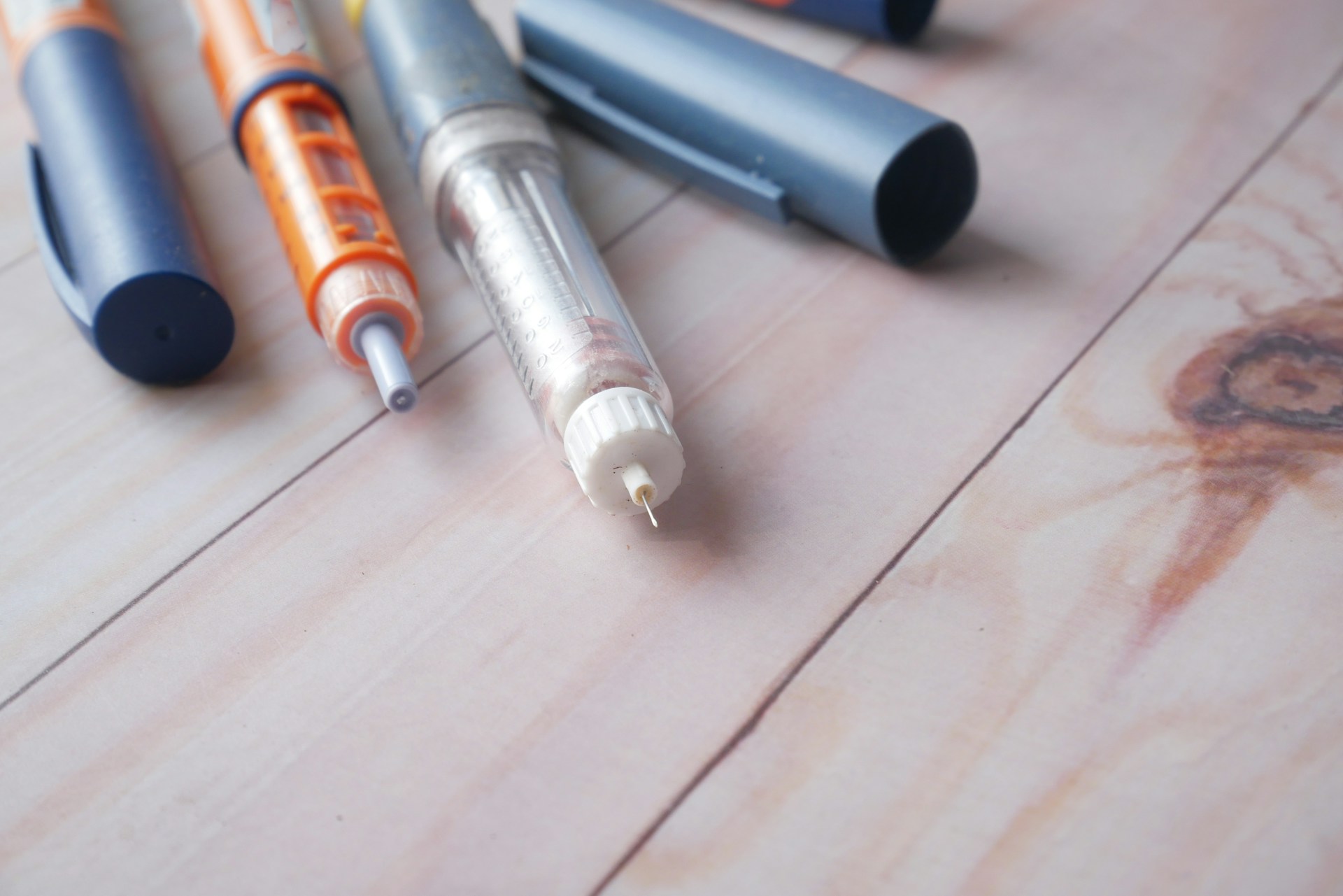
Tirzepatide has become one of the most talked-about weight loss medications in recent years, and for good reason. Clinical trials have shown average weight loss results that exceed nearly every other medication in its class. But before starting tirzepatide, it helps to understand exactly what it does inside the body. Here, we break down how tirzepatide works, what makes it different from other treatments, and what patients can realistically expect.
What Is Tirzepatide?
Tirzepatide is a synthetic peptide medication administered as a once-weekly injection. It was originally developed for people with type 2 diabetes and received FDA approval in 2022 under the brand name Mounjaro for blood sugar control. In 2023, it was approved under the brand name Zepbound for chronic weight management in adults with obesity, or overweight with at least one weight-related condition. That approval later expanded to cover weight management and obstructive sleep apnea in adults with obesity.
What sets tirzepatide apart from earlier medications is its dual-action design. While drugs like semaglutide (the active ingredient in Ozempic and Wegovy) target a single hormone receptor, tirzepatide activates two. That difference turns out to matter quite a bit when it comes to weight loss outcomes.
Tirzepatide is available both as a brand-name product and, through certain telehealth programs like TrimRx, as compounded tirzepatide prepared by licensed compounding pharmacies.
The Science Behind Tirzepatide: A Dual GIP and GLP-1 Medication
To understand how tirzepatide works, it helps to know a little about incretin hormones. Incretins are hormones released by the gut after eating. They play a major role in regulating blood sugar, insulin release, and appetite. Two of the most important incretins are:
- GLP-1 (glucagon-like peptide-1)
- GIP (glucose-dependent insulinotropic polypeptide)
Tirzepatide is a dual GIP and GLP-1 receptor agonist, meaning it mimics both hormones and activates GIP and GLP-1 receptors throughout the body. This dual mechanism is the core of how the medication produces its effects.
How GLP-1 Activation Works
GLP-1 receptor activation is the same pathway used by semaglutide. When tirzepatide activates the GLP-1 receptor, several things happen:
- Insulin secretion increases. Tirzepatide increases insulin secretion, but only when blood sugar is elevated, which is why the medication carries a low risk of hypoglycemia on its own.
- Glucagon secretion decreases. Glucagon is a hormone that tells the liver to release stored sugar, so suppressing it helps keep blood sugar stable.
- Gastric emptying slows. Food moves more slowly from the stomach into the small intestine, which helps people feel full longer after meals.
- Appetite signals in the brain change. The effects of GLP-1 on receptors in the hypothalamus and other brain regions help reduce appetite and quiet food cravings.
What GIP Adds to the Picture
GIP was once considered less useful for metabolic treatment, but research over the past decade changed that view. When GIP receptor activation is combined with GLP-1, the effects appear to be stronger than GLP-1 alone. GIP contributes in a few key ways:
- Enhanced insulin sensitivity. GIP appears to improve how fat tissue responds to insulin, helping the body manage blood sugar more efficiently.
- Fat metabolism effects. GIP receptors are found in adipose (fat) tissue, and activating them may influence how the body stores and breaks down fat.
- Possible nausea reduction. Some researchers believe GIP activation may offset the nausea caused by GLP-1, which could explain why some patients tolerate tirzepatide well despite its potency.
Because tirzepatide activates two complementary hormone pathways instead of one, it is sometimes described as a “twincretin.” Rather than relying on a single signal to reduce appetite and improve metabolism, it works through GLP-1 and GIP at the same time.
How Tirzepatide Works for Weight Loss
The weight loss effects of tirzepatide come from several mechanisms working together. It is not a stimulant, and it does not burn fat directly. Instead, it changes the biological signals that drive hunger, fullness, and food intake.
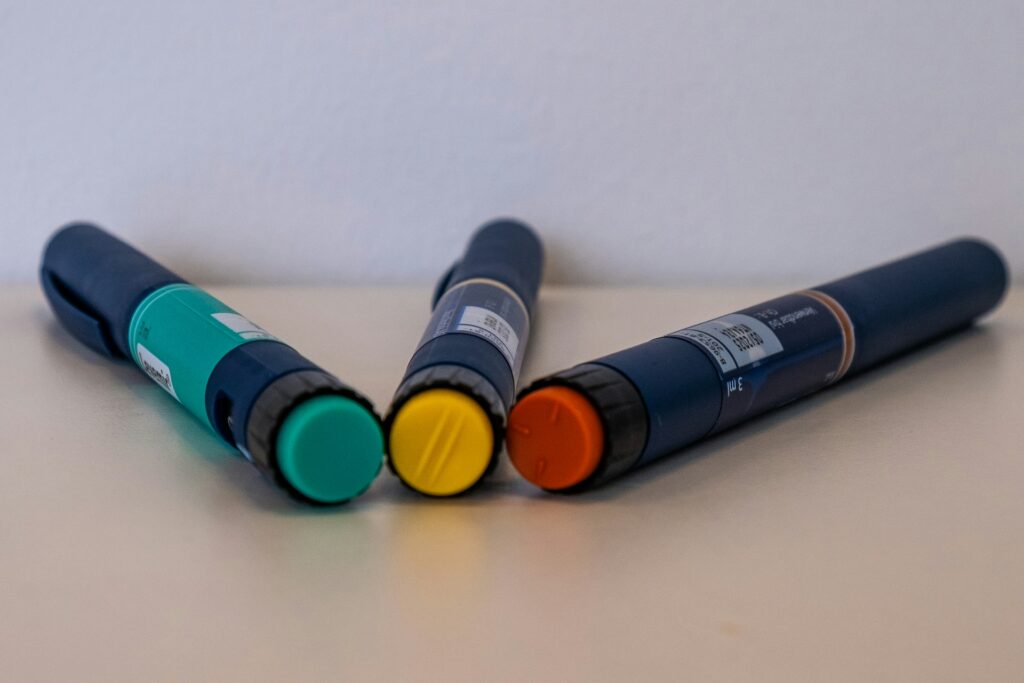
Tirzepatide Reduces Appetite and Food Noise
Many patients on tirzepatide therapy report a significant drop in what some call “food noise,” the constant background thoughts about eating, snacking, and the next meal. By acting on appetite centers in the brain, the medication lowers the drive to eat and makes it easier to feel satisfied with smaller portions. For many patients, this is the first time eating less has felt manageable rather than like a constant struggle.
Tirzepatide Slows Gastric Emptying
Because tirzepatide slows gastric emptying, a meal keeps someone feeling full for a longer period. Slow gastric emptying is strongest in the early months of treatment and tends to lessen somewhat over time, but the appetite-related effects in the brain continue.
Improved Metabolic Function
For patients with insulin resistance or prediabetes, treatment with tirzepatide improves how the body handles glucose. Better insulin function can make meaningful weight reduction easier and addresses the metabolic dysfunction that often accompanies obesity.
What the Clinical Trials Showed
The SURMOUNT trial program evaluated tirzepatide across thousands of participants and provides the clearest picture of what the medication can do. In SURMOUNT-1, which enrolled more than 2,500 adults with obesity or overweight, participants taking tirzepatide lost an average of about 20.9% of their body weight on the highest dose (15 mg) over 72 weeks. Those on the 10 mg and 5 mg doses lost approximately 19.5% and 15%, respectively.
To put that in perspective, a person starting at 230 pounds on the highest dose would see an average body weight reduction of roughly 48 pounds. These results exceeded the average weight loss seen with semaglutide in its own trials (around 15% at the 2.4 mg dose), which is one reason tirzepatide has drawn so much attention.
A later trial for tirzepatide, SURMOUNT-5, compared tirzepatide versus semaglutide head to head and showed that tirzepatide produced greater weight loss on average. Individual response to tirzepatide varies, of course, and the medication works best alongside reasonable nutrition and physical activity habits. Still, the data suggests tirzepatide produces greater weight reduction than any other medication currently FDA-approved for weight management.
TrimRx and Tirzepatide
TrimRx offers medically supervised weight loss programs that include access to compounded tirzepatide for eligible patients. Patients complete a medical evaluation so a licensed provider can review their health information and determine whether treatment is appropriate. If prescribed, the provider can help establish a personalized treatment plan and determine the appropriate dose based on the patient’s needs and response to treatment.
Starting Tirzepatide: Dosing and Titration
Tirzepatide is administered as a once-weekly subcutaneous injection, typically in the abdomen, thigh, or upper arm. Patients who take tirzepatide do not start at the full dose. Treatment begins at 2.5 mg once weekly for four weeks, then increases gradually. The available doses are 2.5 mg, 5 mg, 7.5 mg, 10 mg, 12.5 mg, and 15 mg.
This slow titration exists for a practical reason: it gives the body time to adjust and reduces gastrointestinal side effects like nausea, vomiting, and diarrhea. Providers typically increase the dose only after a patient has tolerated the current level for at least four weeks. Some patients achieve significant weight loss at lower doses and never need to reach the maximum.
Common Side Effects and the Safety of Tirzepatide
Like all medications, tirzepatide has potential side effects. The most common side effects are gastrointestinal:
- Nausea
- Diarrhea
- Vomiting
- Constipation
- Decreased appetite (an intended effect, but sometimes stronger than expected)
- Indigestion and abdominal discomfort
These effects are usually mild to moderate and tend to improve as the body adapts, especially when doses are increased slowly. Eating smaller meals, avoiding high-fat foods, and staying hydrated can help.
Tirzepatide carries a boxed warning about thyroid C-cell tumors based on findings in rodent studies. It should not be used by anyone with a personal or family history of medullary thyroid carcinoma or multiple endocrine neoplasia syndrome type 2. It is also not recommended during pregnancy.
More serious but less common risks associated with tirzepatide include pancreatitis, gallbladder problems, and severe gastrointestinal reactions. Patients should report persistent severe abdominal pain to their provider promptly.
Who Is a Good Candidate for Tirzepatide?
Tirzepatide for weight loss is generally indicated for adults with:
- A BMI of 30 or higher (obesity), or
- A BMI of 27 or higher (overweight) with at least one weight-related condition such as hypertension, type 2 diabetes, high cholesterol, or obstructive sleep apnea
Candidates for tirzepatide tend to be people who have struggled to lose weight through lifestyle changes alone, or who have lost weight in the past only to regain it. Because obesity is increasingly understood as a chronic condition with biological drivers, not simply a willpower issue, medications that target those drivers can fill a gap that diet plans cannot.
Candidates should also be prepared for the long-term nature of treatment. Studies show that stopping tirzepatide typically leads to weight regain, with most people recovering a substantial portion of lost weight within a year, similar to how blood pressure returns to previous levels when someone stops taking blood pressure medication.
Conclusion
Tirzepatide works by mimicking two gut hormones, GLP-1 and GIP, to reduce appetite, slow digestion, improve insulin function, and change how the brain responds to food. That dual GIP and GLP-1 mechanism produces average weight loss of around 15 to 21 percent of body weight in clinical trials, the strongest results of any medication FDA-approved for chronic weight management to date. Treatment starts low, increases gradually, and works best with medical supervision and sustainable lifestyle habits.
Frequently Asked Questions
1. How long does it take for tirzepatide to start working?
Appetite reduction often begins within the first one to two weeks, sometimes after the very first tirzepatide injection. Noticeable weight loss typically becomes apparent within the first month, though the most significant results accumulate over several months as the dose increases. Clinical trial data shows weight loss continuing for 60 weeks or more before plateauing.
2. Is tirzepatide the same as semaglutide?
No. Both are weekly injectable medications that activate GLP-1 receptors, but tirzepatide also activates GIP receptors. That dual action appears to produce greater weight loss on average in clinical trials, including a head-to-head comparison study.
3. What happens if a dose of tirzepatide is missed?
If a dose is missed, it can generally be taken within four days (96 hours) of the scheduled time. If more than four days have passed, the missed dose should be skipped and the next dose taken on the regular schedule. A prescribing provider can give guidance specific to an individual’s situation.
4. Does tirzepatide require diet and exercise to work?
The medication produces weight loss on its own by reducing appetite and calorie intake, but results are better and more sustainable when combined with balanced nutrition and regular physical activity. Strength training is often recommended to help preserve muscle mass during weight loss.
5. Is weight regained after stopping tirzepatide?
Research indicates that most people regain a significant portion of lost weight within a year of stopping the medication. For that reason, obesity specialists generally view tirzepatide as a long-term treatment, and many patients continue on a maintenance dose under provider supervision.

Transforming Lives, One Step at a Time
Keep reading

Starting Tirzepatide While on the Pill: The First Four Weeks
You have your first box and you take an oral contraceptive. There is a labeled instruction that applies to you, and the mistake almost…

Marathon Training on Tirzepatide When You Can’t Fuel
You have a plan on the fridge and a medication that has made eating feel optional. Those two things are in genuine conflict, and…

Paying Cash for Tirzepatide? Don’t Stretch Your Supply
When every vial comes out of your own pocket, the arithmetic is hard to ignore. If a month’s supply costs what it costs, and…


