How Fast Can You Lose Weight with GLP-1 Medications?

Introduction
Have you ever found yourself frustrated by the slow pace of weight loss? You’re not alone. As we navigate the complexities of weight management, many of us seek effective solutions that can help us achieve our goals without compromising our health. Among the newest advancements in weight loss are GLP-1 medications, which have garnered attention for their effectiveness and rapid results. In this post, we’ll explore how quickly you can lose weight with GLP-1 medications, what to expect during your weight loss journey, and how to optimize your results for sustainable success.
The world of weight loss is often filled with conflicting information and quick-fix solutions that promise rapid results but rarely deliver in the long run. However, recent developments in medical science have introduced a new class of medications known as GLP-1 receptor agonists, which are changing the landscape of weight management. Originally developed to assist individuals with type 2 diabetes, these medications have shown remarkable promise in promoting weight loss, leading many to ask: how fast can you lose weight with GLP-1?
GLP-1, or glucagon-like peptide-1, is a hormone that plays a significant role in regulating appetite and glucose metabolism. By mimicking the effects of this hormone, GLP-1 medications can help people feel fuller for longer and reduce cravings, making it easier to adhere to a calorie-restricted diet. At TrimRx, we believe in the power of personalized care, and our approach combines cutting-edge telehealth innovations with effective weight loss solutions tailored to each individual.
In this blog post, we’ll delve into the mechanisms of GLP-1 medications, typical weight loss timelines, factors influencing weight loss speed, and essential considerations for those embarking on this journey. By the end of this article, you will have a comprehensive understanding of what to expect from GLP-1 treatments and how to maximize your success in achieving your weight loss goals.
Understanding GLP-1 Medications
What Are GLP-1 Medications?
GLP-1 medications are a class of drugs designed to mimic the action of the GLP-1 hormone in the body. This hormone is secreted in response to food intake and plays a crucial role in regulating appetite, insulin secretion, and gastric emptying. The primary medications in this category include Semaglutide, Tirzepatide, Ozempic®, and Wegovy®, each with unique formulations and dosing schedules.
At TrimRx, we provide access to these medications through FDA-registered pharmacies, ensuring that our clients receive safe and effective treatment. To determine if you qualify for our prescription weight loss medications, we encourage you to take our free assessment quiz here.
How Do GLP-1 Medications Work?
GLP-1 medications work through several mechanisms to promote weight loss:
- Appetite Suppression: By activating GLP-1 receptors in the brain, these medications can reduce feelings of hunger and increase satiety. This helps individuals consume fewer calories without feeling deprived.
- Delayed Gastric Emptying: GLP-1 medications slow the movement of food through the digestive tract. This not only prolongs the feeling of fullness but also helps regulate blood sugar levels.
- Enhanced Insulin Secretion: When blood sugar levels rise, GLP-1 medications stimulate the pancreas to release insulin, which helps lower blood glucose levels and contributes to weight management.
- Reduced Cravings: Many users report a decrease in cravings for unhealthy foods, making it easier to stick to a healthy eating plan.
By leveraging these mechanisms, GLP-1 medications can provide a pathway to effective and sustainable weight loss when combined with lifestyle changes.
Typical Weight Loss Timeline with GLP-1 Medications
Initial Phase (Weeks 1-4)
In the early stages of treatment, many individuals may notice subtle changes in their appetite or weight. However, significant weight loss typically does not occur right away. During the first four weeks, the body is adjusting to the medication, and most users start with a low dose to minimize potential side effects such as nausea or gastrointestinal discomfort.
Steady Weight Loss Phase (Weeks 5-20)
As you continue your treatment and the dosage is gradually increased, you may begin to experience more noticeable weight loss. Studies indicate that many individuals see a significant reduction in weight by the eighth week of treatment. On average, participants in clinical trials using Semaglutide lost about 14.9% of their body weight over 68 weeks, with some experiencing even greater results.
Long-Term Effects (Beyond 20 Weeks)
The weight loss journey doesn’t stop after a few months. Many individuals continue to lose weight for an extended period while using GLP-1 medications, with some achieving weight loss of up to 20% of their initial body weight. Importantly, maintaining weight loss requires ongoing commitment to dietary changes and regular physical activity.
At TrimRx, we emphasize that while GLP-1 medications can accelerate weight loss, they are most effective when used in conjunction with a healthy lifestyle. Our comprehensive service includes doctor consultations, medication management, lab work, and unlimited support to ensure our clients are set up for success throughout their journey.
Factors Influencing Weight Loss Speed
1. Individual Metabolism
Metabolic rates vary significantly among individuals, affecting how quickly one responds to GLP-1 medications. People with higher metabolic rates may process the medication faster, potentially leading to quicker weight loss results. Conversely, those with slower metabolisms may experience a more gradual response.
2. Dosage and Titration
GLP-1 medications typically require a slow-dose titration, meaning that the dosage is gradually increased over time. This approach allows the body to adjust while minimizing side effects. Reaching the effective dose can take several weeks, but once achieved, users often experience more significant weight loss.
3. Adherence to Treatment Plan
Following the prescribed treatment plan, including dosage schedules and lifestyle modifications, plays a critical role in maximizing weight loss. It’s essential to attend regular check-ups and communicate openly with your healthcare provider about any concerns or side effects.
4. Dietary Habits and Exercise
While GLP-1 medications can aid in weight loss, they are not a standalone solution. A balanced diet and regular physical activity are vital components of a successful weight loss strategy. Incorporating whole foods, lean proteins, and plenty of fruits and vegetables can enhance the effects of GLP-1 medications.
5. Psychological Factors
Mental and emotional well-being also influences weight loss success. Stress, anxiety, and emotional eating can hinder progress. At TrimRx, we provide compassionate care and support to address the psychological aspects of weight loss, ensuring that our clients have the tools they need to overcome challenges.
Potential Side Effects of GLP-1 Medications
While GLP-1 medications are generally well-tolerated, some individuals may experience side effects. Common side effects can include:
- Nausea
- Vomiting
- Diarrhea or constipation
- Abdominal pain or discomfort
These symptoms often improve over time as the body adjusts to the medication. However, if side effects persist or worsen, it’s crucial to consult with your healthcare provider to discuss potential adjustments to your treatment plan.
Maintaining Weight Loss After Reaching Your Goals
Achieving your weight loss goal is a significant milestone, but maintaining that weight loss can be challenging. The body is naturally inclined to regain lost weight, making it essential to have a long-term plan in place. Here are some strategies to consider for successful weight maintenance:
- Regular Follow-ups: Continue to work with your healthcare provider to monitor your progress and make necessary adjustments to your treatment plan.
- Sustainable Eating Habits: Focus on developing a balanced, healthy eating pattern that you can maintain long-term, rather than resorting to restrictive diets.
- Physical Activity: Incorporate regular exercise into your routine to help maintain muscle mass and support ongoing weight management.
- Behavioral Techniques: Address emotional eating and develop strategies to cope with triggers that may lead to weight regain.
- Utilizing Support Resources: Consider joining support groups or working with a registered dietitian to stay accountable and motivated.
At TrimRx, we believe that sustainable weight loss is a journey, and we are here to support you every step of the way. Whether you are just starting or need assistance maintaining your results, our personalized programs and compassionate care can help you achieve your goals.
Conclusion
In summary, the speed at which you can lose weight with GLP-1 medications varies based on several factors, including metabolism, adherence to treatment, and lifestyle choices. While many individuals can expect to see significant weight loss within a few months of starting treatment, the key to long-term success lies in developing sustainable habits and ongoing support.
At TrimRx, our commitment to personalized care means that we work closely with our clients to ensure they have the tools and resources necessary for successful weight management. If you’re interested in exploring whether GLP-1 medications are right for you, we invite you to take our free assessment quiz here.
FAQ
How long does it take to start losing weight on GLP-1 medications?
Many individuals begin to notice subtle changes in appetite and weight within the first few weeks, with more significant weight loss typically occurring by the eighth week of treatment.
Can I eat normally while taking GLP-1 medications?
While GLP-1 medications can help reduce appetite, it’s essential to focus on a balanced, healthy diet to achieve the best results.
Are there any long-term effects of using GLP-1 medications?
Research is still ongoing, but GLP-1 medications have shown promise for long-term weight management when combined with lifestyle changes.
How can I maintain my weight loss after reaching my goals?
Creating sustainable eating habits, incorporating regular exercise, and continuing to work with healthcare providers are crucial for long-term weight maintenance.
Can I take GLP-1 medications if I don’t have diabetes?
Yes, GLP-1 medications can be prescribed for individuals who are overweight or have obesity, even if they do not have diabetes, provided they meet specific criteria.
By understanding how GLP-1 medications work and what to expect during your weight loss journey, you can take proactive steps toward a healthier, more fulfilling life. Together, we can navigate this journey toward achieving your weight loss goals!

Transforming Lives, One Step at a Time
Keep reading

How to Adjust Weight Loss Goals on GLP-1 Medications
Adjust weight goals on GLP-1 meds by tracking body composition and labs, optimizing protein, activity, sleep, and working with your provider on dosing.
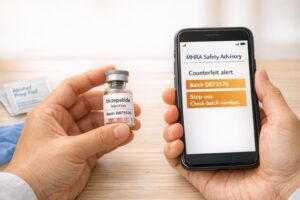
Falsified Mounjaro pens prompt urgent safety advisory
MHRA warns of counterfeit Mounjaro pens (batch D873576); stop use and check batch numbers for infection risk.

Novo Nordisk shares drop as Alzheimer’s hopes for weight-loss drug fade
Novo Nordisk’s semaglutide failed to slow Alzheimer’s in large trials, prompting shares to fall and expert reactions.


