How Fast Does Semaglutide Work: Early Signs It’s Working
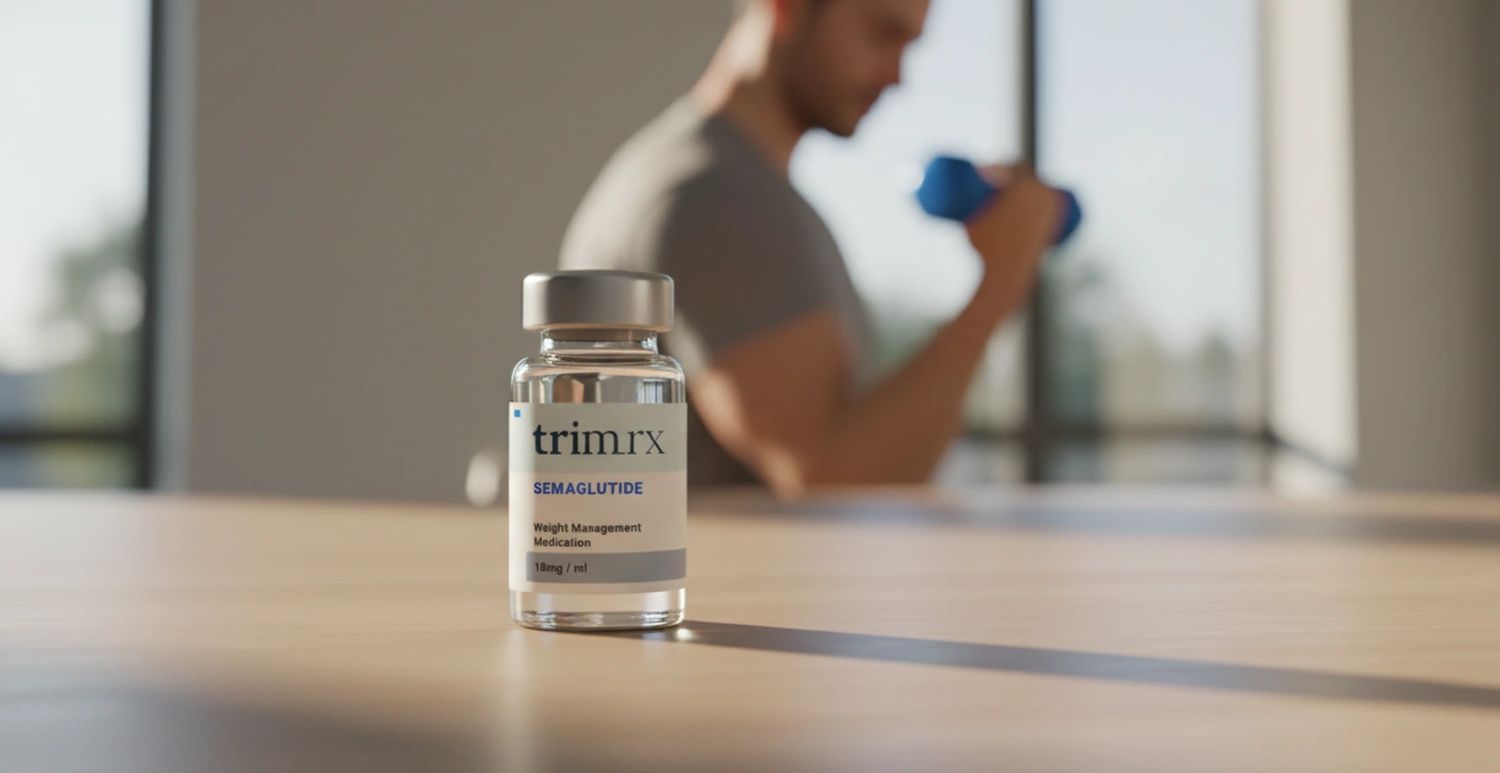
Semaglutide begins acting in your body within the first 24 to 48 hours of your initial injection, but the effects most people care about, reduced appetite and weight loss, build gradually over several weeks. The early signs are often behavioral rather than visible: eating less without trying, feeling full sooner, or noticing cravings have gone quiet. Understanding what’s happening at each stage helps you recognize progress even when the scale is slow to move.
What Semaglutide Is Doing From Day One
Semaglutide is a GLP-1 receptor agonist, meaning it mimics the gut hormone GLP-1 that your body naturally releases after eating. Once injected, it begins binding to GLP-1 receptors in the pancreas, stomach, and brain almost immediately. Insulin secretion in response to meals increases, glucagon drops, gastric emptying slows, and satiety signals reach the brain earlier than they normally would.
The half-life of semaglutide is approximately seven days, which is why it’s injected once weekly. Blood levels rise steadily after each injection and stabilize into a consistent therapeutic range after four to five weeks of regular dosing. This is important to understand because it means the full effect of semaglutide isn’t present from dose one. It builds week over week.
The First Week: What’s Normal
At the standard starting dose of 0.25mg, most people experience mild effects at best. That’s intentional. The starting dose is a tolerability phase, not a weight loss phase.
What some patients notice in week one: a slightly reduced appetite at one or two meals, mild nausea particularly after eating fatty or rich foods, or a general sense of feeling fuller faster. Others notice nothing at all, which is equally normal at this dose level.
What’s worth knowing: even if you feel nothing, physiological changes are underway. Your gastric emptying has slowed. Your postmeal insulin response has improved. The medication is active even when the subjective experience is unremarkable.
For a closer look at the specific physical changes in the opening days, the semaglutide first week breakdown covers what’s happening inside your body in detail.
Weeks Two Through Four: The First Real Signals
This is typically the window when patients have their first clear sense that something is shifting. At 0.25mg with two to four injections completed, semaglutide blood levels are climbing toward a more consistent range.
Common experiences in this window include finishing meals earlier than expected, skipping snacks without consciously deciding to, and feeling less preoccupied with food between meals. The mental quiet around food, sometimes called food noise reduction, is one of the earliest and most reported signs that semaglutide is working neurologically.
Consider this scenario: a patient who typically thinks about food constantly throughout the afternoon notices that by week three, she simply forgot to eat lunch until 2pm. She wasn’t dieting. She just wasn’t hungry. That’s the medication working.
Weight loss in weeks two through four is typically modest, often one to three pounds. Some people lose more, some less. The behavioral changes happening now are more meaningful indicators of progress than the number on the scale at this stage.
Week Five and Beyond: The Dose Escalation Effect
At week five, the standard protocol moves the dose from 0.25mg to 0.5mg. This step-up is where most patients feel the medication’s effects more clearly and consistently.
Appetite suppression typically becomes more pronounced. Portions shrink naturally. The idea of eating large meals may start to feel genuinely unappealing rather than just difficult to resist. Weight loss tends to accelerate after this transition, with many patients losing one to two pounds per week at 0.5mg, depending on their diet, activity level, and individual metabolic response.
Side effects sometimes temporarily increase with a dose change. Nausea, constipation, or loose stools in the first week or two at a new dose are common and usually settle down.
Early Signs Semaglutide Is Working: A Practical Checklist
Rather than fixating on the scale, watch for these early behavioral and physical indicators:
Eating less at meals without forcing it. If portions are shrinking naturally, the satiety signaling is working.
Longer gaps between meals without hunger. Slowed gastric emptying means food stays in your stomach longer, which delays the return of hunger signals.
Reduced cravings, especially for sweets or processed foods. GLP-1 activity in the brain’s reward centers dampens the pull of highly palatable foods for many patients.
Nausea after overeating. An uncomfortable but reliable early signal. Your stomach empties more slowly now, and eating past the new fullness threshold makes itself known quickly.
Lower fasting blood sugar. Patients who monitor glucose often see improvements in fasting levels within the first one to two weeks, even before weight loss is significant.
What the Research Confirms About Early Response
A study published in Obesity by Blundell et al. (2017) found that semaglutide significantly reduced appetite, energy intake, and food cravings compared to placebo, with effects detectable in the early weeks of treatment. The research confirmed that semaglutide’s appetite-suppressing effects operate through both peripheral mechanisms (slowing gastric emptying) and central mechanisms (acting on brain regions that regulate hunger and reward).
Why Some People Feel Like It’s Not Working
The most common reason patients doubt early progress is comparing their experience to someone else’s, usually someone who had dramatic results in week two at a higher dose. Individual response to semaglutide varies meaningfully based on genetics, gut microbiome composition, insulin sensitivity, dose level, and lifestyle factors.
If you’re at a therapeutic dose (0.5mg or higher) and several weeks in with no appetite changes and no weight movement, that’s worth raising with your provider. There are real troubleshooting steps available, from reviewing injection technique to evaluating dose timing to considering whether a switch to tirzepatide might offer better results. The semaglutide stopped working guide covers the most common reasons progress stalls and what to do about each one.
How Compounded Semaglutide Compares on Timeline
Compounded semaglutide contains the same active ingredient as Ozempic and Wegovy and follows the same dosing and escalation principles. The timeline for early effects is essentially identical. The primary difference is cost and accessibility, not mechanism or speed of action.
If cost has been a barrier to starting treatment, the compounded semaglutide product page outlines what TrimRx offers and how the process works.
The Realistic Timeline in Plain Terms
Week one is adjustment. Weeks two through four bring early appetite signals. Month two is when most people feel meaningfully in stride. Months three through six are when the most significant weight loss typically accumulates, particularly as doses reach therapeutic levels.
Patience in the first month isn’t passive, it’s strategic. The dose escalation schedule exists to protect you from side effects while building toward an effective maintenance level. Give it the time it’s designed to need.
If you’re ready to find out whether semaglutide is a good fit for your goals, take the intake assessment to get matched with a TrimRx provider who can build a treatment plan around your specific situation.
This information is for educational purposes and is not medical advice. Consult with a healthcare provider before starting any medication. Individual results may vary.

Transforming Lives, One Step at a Time
Keep reading

Creatine on Semaglutide: Does It Help Preserve Muscle
One of the most practical questions people ask once they’re a few months into semaglutide treatment is how to protect their muscle mass while…

Vitamin D and Semaglutide: What Patients Should Know
Vitamin D deficiency is remarkably common in people with obesity, and it’s one of the micronutrients most worth paying attention to when you start…

Birth Control and Semaglutide: Does Ozempic Affect Contraceptives
Women on oral contraceptives who start semaglutide have a legitimate and specific concern: does Ozempic interfere with how well birth control pills work? The…


