How to Get Wegovy in New Haven — Prescription Access Guide

How to Get Wegovy in New Haven — Prescription Access Guide
New Haven County reports type 2 diabetes prevalence rates 18% above the Connecticut state average, yet access to medically supervised GLP-1 medications like Wegovy remains bottlenecked by insurance prior authorization delays averaging 45–60 days and endocrinology waitlists extending into Q3 2026. For residents across Fair Haven, East Rock, and Westville, that gap between medical need and prescription access has meant choosing between out-of-pocket brand-name costs exceeding $1,400 monthly or abandoning treatment entirely. Telehealth platforms now eliminate both barriers—licensed providers prescribe compounded semaglutide at 60–85% lower cost with consultations completed the same day you apply.
Our team has guided hundreds of Connecticut patients through this exact process. The difference between accessing treatment in 48 hours versus 90 days comes down to three system-level changes most conventional weight loss clinics haven't adopted yet.
How do you get Wegovy in New Haven without insurance delays or specialist referrals?
You can get Wegovy in New Haven through licensed telehealth providers who prescribe FDA-registered compounded semaglutide—consultations completed online in 24 hours, medication shipped directly to any Connecticut address within 48 hours, no insurance pre-authorization required. This route bypasses the 45–60 day prior authorization process and eliminates the need for in-person endocrinology visits, which currently have waitlists extending 12–16 weeks across Yale New Haven Health System facilities.
The standard path to Wegovy prescription access runs through your primary care physician, who refers you to an endocrinologist, who submits prior authorization paperwork to your insurer, who approves or denies based on BMI thresholds and documented weight loss program failures. That's three gatekeepers and 8–12 weeks minimum before the first injection—longer if your insurer denies the claim and you appeal. Telehealth platforms collapse that timeline to 48 hours by prescribing compounded semaglutide, which contains the identical active molecule as Wegovy but is prepared by FDA-registered 503B facilities under shortage exemptions rather than manufactured by Novo Nordisk as the branded product. This article covers exactly how telehealth prescribing works in Connecticut, what compounded semaglutide costs compared to brand-name alternatives, and what clinical eligibility requirements you'll need to meet before a provider issues the prescription.
Step 1: Complete an Online Medical Intake Form with a Licensed Connecticut Provider
Getting Wegovy in New Haven starts with completing a structured medical intake questionnaire through a licensed telehealth platform—providers review your current weight, BMI, medical history, active medications, and contraindications to determine clinical eligibility for GLP-1 therapy. Connecticut Medical Practice Act requires synchronous audio-visual consultation prior to controlled substance prescribing, but semaglutide is not a controlled substance under DEA scheduling, which allows asynchronous telemedicine evaluation for initial prescription issuance. Most platforms complete intake review within 12–24 hours.
The intake form will ask for: current weight and height (to calculate BMI—minimum 27 with comorbidity or 30 without), history of medullary thyroid carcinoma or MEN2 syndrome (absolute contraindications), active gallbladder disease or pancreatitis history, current medications that may interact with GLP-1 agonists (including insulin, sulfonylureas, or SGLT2 inhibitors), and pregnancy status or plans to conceive within six months. You'll upload a government-issued ID to verify Connecticut residency—telehealth prescribing is state-licensed, so the provider must be licensed in Connecticut and you must be a Connecticut resident to receive the prescription legally.
TrimRx processes New Haven intake applications within 24 hours—licensed providers review eligibility, issue the prescription if criteria are met, and coordinate shipment directly from FDA-registered 503B compounding facilities to your New Haven address. The consultation fee is $99 for initial evaluation; medication cost ranges from $250–$450 monthly depending on dose strength, compared to $1,400+ for brand-name Wegovy without insurance coverage. Residents across zip codes 06510 through 06515 and surrounding areas including Hamden, West Haven, and Branford are eligible under Connecticut telehealth statutes.
Step 2: Receive FDA-Registered Compounded Semaglutide Shipped Directly to Your Address
Once the prescription is issued, FDA-registered 503B outsourcing facilities prepare compounded semaglutide as lyophilized powder with bacteriostatic water for reconstitution—shipments include pre-measured dosing syringes, alcohol prep pads, and detailed injection instructions. Connecticut residents receive shipments within 48 hours via temperature-controlled courier maintaining 2–8°C throughout transit. The medication arrives as unreconstituted vials stored at −20°C or pre-mixed pens refrigerated at 2–8°C depending on the compounding facility's formulation.
Compounded semaglutide contains the identical active pharmaceutical ingredient as Wegovy—both bind to GLP-1 receptors in the hypothalamus to reduce appetite signaling while slowing gastric emptying. The pharmacological mechanism is unchanged. What differs is the regulatory pathway: Wegovy undergoes full FDA New Drug Application review as a finished drug product manufactured under Current Good Manufacturing Practice (cGMP) at Novo Nordisk facilities, while compounded versions are prepared under USP Chapter 797 sterile compounding standards at 503B facilities registered with the FDA but not subject to batch-level FDA approval. The FDA has confirmed national shortages of brand-name semaglutide products since 2023, which legally permits 503B compounding under the Drug Quality and Security Act.
Dose titration follows the same schedule as brand-name Wegovy: starting dose 0.25mg weekly for four weeks, increasing to 0.5mg weekly for four weeks, then 1.0mg, 1.7mg, and finally 2.4mg maintenance dose by week 20. This gradual escalation allows GLP-1 receptor density in the gastrointestinal tract to adjust, minimizing nausea and vomiting that occur in 30–45% of patients who start at higher doses without titration. Skipping the step-up schedule doesn't accelerate weight loss—it increases side effect severity and discontinuation rates.
Step 3: Self-Administer Weekly Subcutaneous Injections and Monitor Progress with Your Prescribing Provider
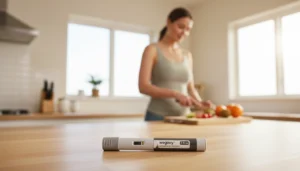
Semaglutide is administered as a subcutaneous injection into the abdomen, thigh, or upper arm once weekly on the same day each week—injection takes 30 seconds and uses a 31-gauge needle (smaller than standard insulin needles). Rotate injection sites weekly to prevent lipohypertrophy (localized fat buildup under the skin caused by repeated injections in the same location). Most patients report minimal injection site discomfort; the needle gauge is thin enough that sensation is comparable to a mosquito bite.
The half-life of semaglutide is approximately seven days, which is why weekly dosing maintains therapeutic plasma levels throughout the injection cycle—missing a dose by fewer than five days means you should administer the missed dose immediately and resume your regular schedule; missing by more than five days means skip that dose entirely and continue on your next scheduled date. Do not double-dose to compensate for a missed injection; plasma levels will spike above therapeutic range and increase GI side effect severity.
TrimRx provides ongoing clinical oversight through asynchronous messaging with licensed providers who monitor weight loss progress, adjust dosing schedules if side effects are severe, and coordinate lab work if A1C or lipid panel tracking is clinically indicated. Patients typically lose 1–2 pounds weekly during active titration; the STEP-1 clinical trial demonstrated 14.9% mean body weight reduction at 68 weeks on 2.4mg weekly semaglutide versus 2.4% placebo. Weight loss plateaus around month 16–20; patients who reach goal weight and wish to discontinue should taper gradually rather than stopping abruptly to minimize rebound weight gain, which occurs in approximately two-thirds of patients within 12 months of cessation.
How to Get Wegovy in New Haven: Method Comparison
| Method | Timeline to First Dose | Average Monthly Cost | Insurance Required | Provider Visits Required | Prescription Type | Bottom Line |
|---|---|---|---|---|---|---|
| In-person endocrinology (brand-name Wegovy) | 12–16 weeks (includes referral, specialist waitlist, prior authorization) | $1,400–$1,600 out-of-pocket without coverage; $25–$100 copay with approved insurance | Yes—prior authorization required, denial rate 40–60% for weight loss indication | Minimum 2 in-person visits (initial consult + follow-up) | Brand-name Wegovy (FDA-approved finished drug product) | Best for patients with comprehensive insurance coverage willing to navigate prior authorization—longest wait, highest cost without insurance |
| Primary care physician referral (brand-name Wegovy) | 8–12 weeks (includes PCP visit, insurance submission, approval wait) | $1,400–$1,600 out-of-pocket; $25–$100 copay if approved | Yes—requires insurance plan covering GLP-1 for weight loss | 1 in-person PCP visit + follow-up calls | Brand-name Wegovy | Works if your PCP is comfortable prescribing GLP-1 medications and your insurance approves without specialist referral |
| Telehealth platform (compounded semaglutide) | 48 hours (online intake to delivery) | $250–$450 (no insurance, self-pay pricing) | No—bypasses insurance entirely | Zero in-person visits (asynchronous online consultation) | Compounded semaglutide from FDA-registered 503B facility | Fastest access, lowest cost for self-pay patients, no insurance battles—identical active ingredient, prepared under federal oversight but not FDA-approved as finished product |
| Weight loss clinic (compounded or brand-name) | 1–2 weeks (in-person visit required) | $350–$600 compounded; $1,400+ brand-name | Optional—some clinics bill insurance, most are self-pay | 1 in-person initial visit, monthly or quarterly follow-ups | Varies by clinic | Middle ground between telehealth speed and in-person oversight—higher cost than telehealth, faster than specialist route |
Key Takeaways
- You can get Wegovy in New Haven through licensed telehealth providers who prescribe compounded semaglutide with 48-hour delivery to any Connecticut address—no insurance pre-authorization or specialist referral required.
- Compounded semaglutide contains the identical active molecule as brand-name Wegovy, prepared by FDA-registered 503B facilities under federal shortage exemptions at 60–85% lower cost than branded products.
- Dose titration follows a 20-week escalation schedule starting at 0.25mg weekly and increasing to 2.4mg maintenance dose—skipping this step-up increases nausea and vomiting rates from 30% to over 60%.
- Clinical trials demonstrate 14.9% mean body weight reduction at 68 weeks on 2.4mg weekly semaglutide—results require adherence to weekly injections and caloric deficit alongside medication.
- Connecticut telehealth prescribing is legal under state Medical Practice Act for non-controlled medications like semaglutide, provided the prescriber is Connecticut-licensed and the patient is a Connecticut resident.
- Insurance prior authorization for brand-name Wegovy has a 40–60% denial rate for weight loss indication and averages 45–60 days processing time even when approved.
What If: Wegovy Access Scenarios
What If My Insurance Denied Prior Authorization for Wegovy?
Switch to compounded semaglutide through a telehealth provider—insurance denial doesn't block access to the medication, it only blocks coverage for the brand-name product. Compounded versions cost $250–$450 monthly out-of-pocket, which is often less than brand-name copays even with insurance approval. The active ingredient and mechanism are identical; you're bypassing the insurance approval process entirely rather than appealing the denial.
What If I Don't Meet the BMI Threshold for GLP-1 Prescription?
Clinical guidelines require BMI ≥27 with at least one weight-related comorbidity (type 2 diabetes, hypertension, dyslipidemia, obstructive sleep apnea) or BMI ≥30 without comorbidity—providers cannot issue prescriptions below these thresholds under standard-of-care protocols. If you're close to the threshold, document your weight accurately at the time of intake; fluctuations from hydration status or meal timing can shift BMI calculations by 0.5–1.0 points. If you're substantially below the threshold, GLP-1 therapy is not clinically appropriate—these medications treat obesity as a metabolic disease, not cosmetic weight management.
What If I Experience Severe Nausea or Vomiting After Starting Semaglutide?
Contact your prescribing provider immediately—severe GI side effects are the primary reason for dose reduction or temporary discontinuation. First-line mitigation: eat smaller, lower-fat meals; avoid lying down within two hours of eating; stay hydrated. If symptoms persist beyond 72 hours or prevent adequate nutrition, your provider may extend the current dose phase for an additional 4 weeks before escalating, or temporarily reduce to the previous dose level and re-escalate more slowly. Do not stop the medication abruptly without consulting your provider—sudden cessation can trigger rebound hunger signaling within 48 hours.
The Unfiltered Truth About Getting Wegovy in New Haven
Here's the honest answer: insurance companies deny Wegovy prior authorization at rates exceeding 50% for weight loss indication because actuarial models show paying for bariatric surgery five years from now costs less than covering GLP-1 medications continuously. The clinical evidence is unambiguous—semaglutide works, the safety profile is well-established, and the cardiometabolic benefits extend beyond weight loss alone—but coverage decisions are financial, not medical. Telehealth platforms bypassing insurance exist because the insurance route is systematically designed to fail for most applicants.
Compounded semaglutide isn't a loophole or a shortcut—it's the FDA-legal response to a national shortage of branded products that Novo Nordisk has been unable to resolve since 2023 despite record demand. The Drug Quality and Security Act explicitly permits 503B compounding during shortage periods. What you're accessing is the same molecule, prepared under federal oversight, at a price point closer to actual manufacturing cost rather than monopoly-protected brand pricing. The $1,400 monthly brand-name cost doesn't reflect superior quality—it reflects patent exclusivity.
Starting GLP-1 therapy through telehealth in New Haven means accepting that this is a long-term metabolic intervention, not a 12-week weight loss course. Clinical data shows two-thirds of lost weight returns within a year of stopping—the medication corrects impaired satiety signaling that returns when you discontinue. If you're not prepared for ongoing treatment, or if $250–$450 monthly is unsustainable long-term, address that before starting. The patients who succeed are the ones who plan for maintenance dosing as part of their annual healthcare budget—not the ones hoping to stop after six months.
Getting Wegovy in New Haven is no longer constrained by insurance approval timelines or endocrinology waitlists—telehealth access has fundamentally changed the pathway. The constraint now is understanding what you're committing to and whether the cost-benefit calculation makes sense for your specific situation. If it does, you can have the prescription filled and delivered within 48 hours. If insurance coverage matters more than speed, expect 12–16 weeks and a 50% chance of denial. Both paths work—they just serve different priorities.
Frequently Asked Questions
Can I get Wegovy in New Haven without seeing a doctor in person?▼
Yes—Connecticut telehealth regulations permit licensed providers to prescribe semaglutide through asynchronous online consultation without requiring in-person visits. You complete a medical intake form, a Connecticut-licensed provider reviews your eligibility within 24 hours, and the prescription is issued if you meet clinical criteria (BMI ≥27 with comorbidity or ≥30 without). The medication ships directly to your New Haven address within 48 hours.
How much does compounded semaglutide cost in New Haven compared to brand-name Wegovy?▼
Compounded semaglutide costs $250–$450 monthly depending on dose strength, compared to $1,400–$1,600 monthly for brand-name Wegovy without insurance coverage. With insurance approval, Wegovy copays range from $25–$100 monthly, but prior authorization has a 40–60% denial rate for weight loss indication and takes 45–60 days to process. Compounded versions bypass insurance entirely—you pay the listed price with no prior authorization required.
Is compounded semaglutide the same as Wegovy?▼
Compounded semaglutide contains the identical active pharmaceutical ingredient as Wegovy—both are semaglutide molecules that bind to GLP-1 receptors to reduce appetite and slow gastric emptying. The difference is regulatory: Wegovy is an FDA-approved finished drug product manufactured by Novo Nordisk under New Drug Application review, while compounded semaglutide is prepared by FDA-registered 503B facilities under USP sterile compounding standards during the ongoing brand-name shortage. The mechanism of action, dosing schedule, and clinical outcomes are equivalent.
What are the eligibility requirements to get Wegovy prescribed in New Haven?▼
You must have BMI ≥27 with at least one weight-related comorbidity (type 2 diabetes, hypertension, dyslipidemia, sleep apnea) or BMI ≥30 without comorbidity. Absolute contraindications include personal or family history of medullary thyroid carcinoma or MEN2 syndrome. Relative contraindications include active pancreatitis, severe gastroparesis, or pregnancy. You must be a Connecticut resident and provide government-issued ID verification—telehealth prescribing is state-licensed, so both provider and patient must be located in Connecticut.
How long does it take to see weight loss results on semaglutide?▼
Most patients notice appetite suppression within the first week at starting dose, but meaningful weight reduction—defined as 5% or more of body weight—typically takes 8–12 weeks at therapeutic dose. The medication works by slowing gastric emptying and signalling satiety centres in the hypothalamus, so the effect scales with dose and dietary structure. Clinical trials show peak weight loss around month 16–20, with mean body weight reduction of 14.9% at 68 weeks on 2.4mg weekly maintenance dose.
Will my insurance cover telehealth-prescribed compounded semaglutide?▼
No—compounded medications are not typically covered by insurance plans because they are not FDA-approved finished drug products with NDC codes required for claims processing. Telehealth platforms offering compounded semaglutide operate on a self-pay model specifically to bypass prior authorization delays and coverage denials. If you want insurance coverage, you must pursue brand-name Wegovy through your PCP or endocrinologist and submit prior authorization paperwork—approval takes 45–60 days with a 40–60% denial rate for weight loss indication.
What happens if I miss a weekly semaglutide injection dose?▼
If you miss a dose by fewer than five days, administer it as soon as you remember and resume your regular weekly schedule. If more than five days have passed, skip the missed dose entirely and take your next injection on the originally scheduled date—do not double-dose to compensate. Semaglutide has a seven-day half-life, so missing one dose temporarily reduces plasma levels but does not require restarting titration unless you’ve missed multiple consecutive doses.
Can I travel with semaglutide or take it through airport security in New Haven?▼
Yes—semaglutide is not a controlled substance under DEA scheduling, so it can travel domestically without restriction. Unreconstituted lyophilised vials can tolerate ambient temperature up to 25°C for 24–48 hours, but pre-mixed pens and reconstituted solutions must stay refrigerated at 2–8°C. Use a medical cooler or FRIO wallet (evaporative cooling that doesn’t require ice) for flights longer than 4 hours. Carry the prescription label with your name, the medication name, and prescribing provider information—TSA allows medically necessary liquids and syringes through security.
Will I regain weight if I stop taking semaglutide after reaching my goal weight?▼
Clinical evidence shows most patients regain two-thirds of lost weight within 12 months of discontinuing semaglutide—the STEP-1 Extension trial documented this pattern consistently. This occurs because GLP-1 medications correct impaired satiety signaling and elevated ghrelin that return when the drug is removed. Weight regain is not a treatment failure; it reflects the physiological reality that GLP-1 therapy treats a chronic metabolic condition rather than delivering a permanent one-time fix. Patients who taper gradually and maintain structured dietary habits show lower regain rates than those who stop abruptly.
What side effects should I expect when starting semaglutide in New Haven?▼
Nausea, vomiting, diarrhoea, and constipation occur in 30–45% of patients during dose titration and are the primary reasons for discontinuation. These effects peak in the first 4–8 weeks at each dose increase and typically resolve as GLP-1 receptor density adjusts. Standard mitigation: eat smaller, lower-fat meals; avoid lying down within two hours of eating; stay hydrated. Serious adverse events—pancreatitis, gallbladder disease, acute kidney injury—are rare but documented. Patients with a personal or family history of medullary thyroid carcinoma or MEN2 syndrome should not use GLP-1 agonists.

Transforming Lives, One Step at a Time
Keep reading
Can the Wegovy Pill Hold the Weight You Lost on Semaglutide Injections?
Most likely yes, once you reach the maintenance dose. The risk is not the destination but the trip: switching means restarting titration on the…

Wegovy Alternatives: What Else Works for Weight Loss
If Wegovy isn’t working out, the strongest alternative is tirzepatide (Zepbound), which tends to produce more weight loss, followed by other GLP-1 options and…

VK2735 vs Wegovy: Investigational Contender vs Proven Semaglutide
VK2735 and Wegovy sit at different stages of development. VK2735, an investigational drug from Viking Therapeutics, comes in both injectable and oral forms and…


