How GLP-1 Medications Affect Your Metabolism Long-Term
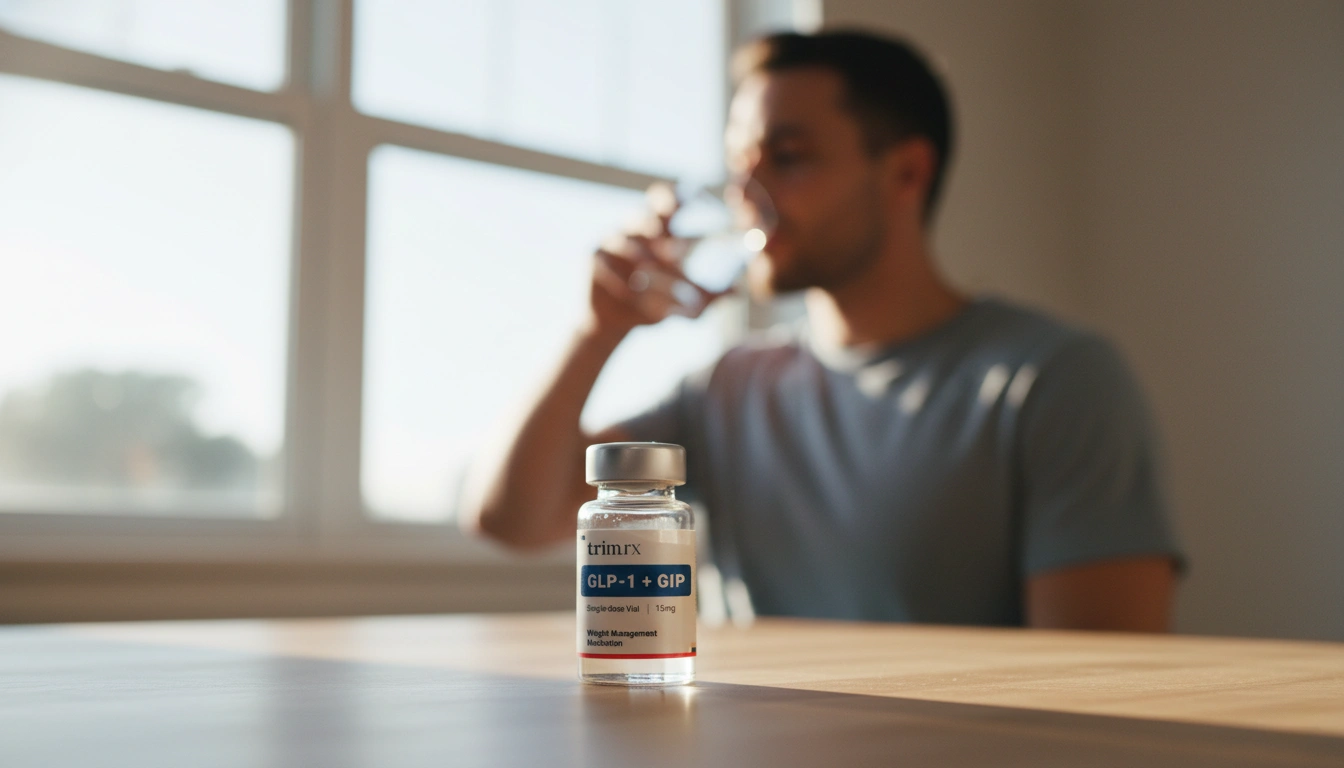
One of the most common concerns patients raise about semaglutide and tirzepatide is whether the medications slow their metabolism permanently. It’s a fair question, and the answer is more nuanced than a simple yes or no. Here’s what the research actually shows about how GLP-1 medications interact with metabolic rate over time, and what that means for your treatment and long-term results.
What Metabolism Actually Means in This Context
Metabolism is a broad term that gets used loosely in weight loss conversations. For the purposes of understanding GLP-1 medications, the relevant components are resting metabolic rate (RMR), the calories your body burns at rest to maintain basic functions, and total daily energy expenditure (TDEE), which includes RMR plus the calories burned through physical activity and digesting food.
Resting metabolic rate accounts for roughly 60 to 70 percent of total daily energy expenditure for most people. It’s largely determined by body composition, specifically how much lean mass you carry, along with age, sex, genetics, and hormonal status. The more muscle you have, the higher your RMR. The less muscle, the lower it.
This is where the metabolism concern around GLP-1 medications becomes relevant. Any significant weight loss, regardless of how it’s achieved, tends to lower RMR simply because there’s less body mass to maintain. A smaller body burns fewer calories at rest. This is metabolic adaptation, and it’s a normal physiological response to weight loss, not a pathological side effect of the medication.
Does Semaglutide Slow Metabolism Beyond Normal Adaptation
The short answer is that semaglutide and tirzepatide do not appear to suppress metabolism beyond what would be expected from the weight loss they produce. The metabolic rate reduction seen in GLP-1 patients tracks closely with the reduction in body mass, rather than representing an additional medication-specific suppression on top of that.
This is actually a meaningful distinction. Some weight loss interventions, particularly very low calorie diets without adequate protein or exercise, produce metabolic adaptation that is disproportionate to the amount of weight lost. The body downregulates metabolism more aggressively than body mass alone would predict, a phenomenon sometimes called adaptive thermogenesis.
Early research suggests GLP-1 medications may produce less of this disproportionate metabolic suppression than severe caloric restriction alone. One proposed mechanism is that semaglutide and tirzepatide act centrally in the brain to regulate energy balance, potentially moderating the homeostatic response that drives aggressive metabolic downregulation during weight loss. The research here is still developing, and firm conclusions aren’t yet possible, but the signal is cautiously favorable.
The Muscle Mass Variable
Here’s the most practically important factor in long-term metabolic outcomes on GLP-1 medications: how much lean mass you preserve during weight loss.
Muscle tissue is metabolically active. It burns calories at rest at a meaningfully higher rate than fat tissue. When weight loss includes significant muscle loss, the resulting drop in RMR is larger than it would be if the same amount of weight were lost predominantly as fat.
This is why the exercise and protein recommendations that appear throughout GLP-1 treatment guidance aren’t just about aesthetics or performance. They have a direct bearing on your metabolic rate. A patient who loses 40 pounds on semaglutide while doing consistent resistance training and hitting protein targets will have a higher RMR at the end of that process than one who loses the same 40 pounds without any structured exercise, even if both patients reach the same final weight.
The article on muscle loss on Ozempic covers the specifics of how much lean mass loss is typical and what the most effective prevention strategies look like.
What Happens to Metabolism After Stopping GLP-1 Medications
This is where the long-term metabolism question becomes most clinically relevant. When patients stop semaglutide or tirzepatide, appetite typically returns and weight regain is common. The metabolic picture matters here because it determines how easily weight returns and how hard it is to maintain losses.
A patient who stops GLP-1 treatment at a lower body weight has a lower RMR than they did at their starting weight, simply because they weigh less. If they return to eating at their pre-treatment caloric level, they will be in a caloric surplus relative to their new maintenance needs, which drives weight regain.
This isn’t unique to GLP-1 medications. It’s the fundamental challenge of weight loss maintenance regardless of the method used. The practical implication is that stopping GLP-1 treatment requires ongoing adjustment of dietary habits and activity levels to match the metabolic reality of a lighter body, rather than reverting to pre-treatment behaviors.
The article on building lasting habits after stopping GLP-1 medications addresses this transition in practical terms, including how to structure eating and exercise to support long-term maintenance after treatment ends.
GLP-1 Medications and Insulin Sensitivity: The Metabolic Upside
The metabolic story of GLP-1 medications isn’t only about RMR. These drugs produce meaningful improvements in metabolic health that extend well beyond caloric burn rates.
Insulin sensitivity improves significantly on semaglutide and tirzepatide. Better insulin sensitivity means the body partitions nutrients more efficiently, storing less as fat and delivering more to muscle and other active tissues. Over time, this creates a metabolic environment that is more favorable for body composition maintenance than the pre-treatment state.
Inflammatory markers also decrease with GLP-1 treatment and associated weight loss. Chronic low-grade inflammation, which is common in obesity, impairs metabolic function in ways that aren’t captured by RMR measurements alone. Reducing inflammation improves cellular energy metabolism and hormone signaling in ways that support long-term metabolic health.
Blood glucose regulation improves as well, which reduces the glycemic variability that drives hunger and energy crashes. More stable blood glucose supports more consistent energy availability throughout the day, which tends to increase spontaneous physical activity, a component of total daily energy expenditure that often declines during weight loss and contributes to metabolic adaptation.
A 2022 study published in Cell Metabolism found that semaglutide treatment produced improvements in multiple metabolic parameters beyond weight loss alone, including enhanced mitochondrial function in adipose tissue and improved fatty acid oxidation rates, suggesting the medication has direct metabolic effects that go beyond appetite suppression. (Newsome PN et al., Cell Metabolism, 2022, https://pubmed.ncbi.nlm.nih.gov/35108511/)
Practical Strategies for Protecting Metabolism During GLP-1 Treatment
Given everything above, the most effective approach to protecting long-term metabolic rate during semaglutide or tirzepatide treatment comes down to a few consistent practices.
Resistance training two to three times per week is the single most important lever. Preserving lean mass directly preserves metabolic rate. No other intervention has a comparable effect on RMR during weight loss.
Protein intake at 1.2 to 1.6 grams per kilogram of body weight per day supports both muscle preservation and the thermic effect of food. Protein has the highest thermic effect of any macronutrient, meaning your body burns more calories digesting protein than it does digesting fat or carbohydrates. On a calorie-restricted diet, keeping protein high preserves a component of total energy expenditure that would otherwise decline.
Avoiding excessively low caloric intake matters too. While semaglutide and tirzepatide naturally suppress appetite, allowing intake to drop below 800 to 1,000 calories per day for extended periods accelerates the adaptive thermogenesis response and increases lean mass loss risk. If appetite suppression is severe enough that you’re consistently eating very little, this is worth discussing with your provider, who may adjust your dose timing or escalation schedule.
Staying physically active beyond structured exercise, through walking, standing, and general daily movement, preserves non-exercise activity thermogenesis (NEAT), which is another component of total daily energy expenditure that tends to decline during weight loss. The article on GLP-1 medications and energy levels covers how to manage the fatigue that can reduce spontaneous activity during treatment.
The Long View
The metabolic effects of GLP-1 medications are largely favorable compared to other weight loss approaches, particularly when treatment is supported by adequate protein intake and resistance training. The medications don’t appear to suppress metabolism beyond normal adaptation, they improve insulin sensitivity and other metabolic markers meaningfully, and the lean mass loss risk, while real, is manageable with the right lifestyle support.
Long-term metabolic health after GLP-1 treatment depends more on what habits you build during treatment than on the medication itself. Patients who use the treatment period to establish consistent resistance training and protein-focused eating are in a substantially better metabolic position when they reach their goal weight than those who rely on the medication alone.
If you’re considering GLP-1 treatment and want clinical support throughout the process, start your TrimRx intake assessment here to find out if you’re a candidate.
This information is for educational purposes and is not medical advice. Consult with a healthcare provider before starting any medication. Individual results may vary.

Transforming Lives, One Step at a Time
Keep reading
A History of Disordered Eating and Starting a GLP-1: Building Support
The honest answer to what you should watch for is that self-monitoring is not the right tool here, and this article is not going…

What Labs Should Your Doctor Run Now That You’re on a GLP-1?
There is no universal panel, and anyone handing you a fixed list is guessing about your situation. What gets checked depends on what conditions…

Can’t Eat Enough Protein on a GLP-1? Why It Matters and What Helps
This is one of the most common difficulties on these medications, and the tension in your question is real: protein is the thing most…


