How GLP-1 Medications Affect Your Skin: What to Expect
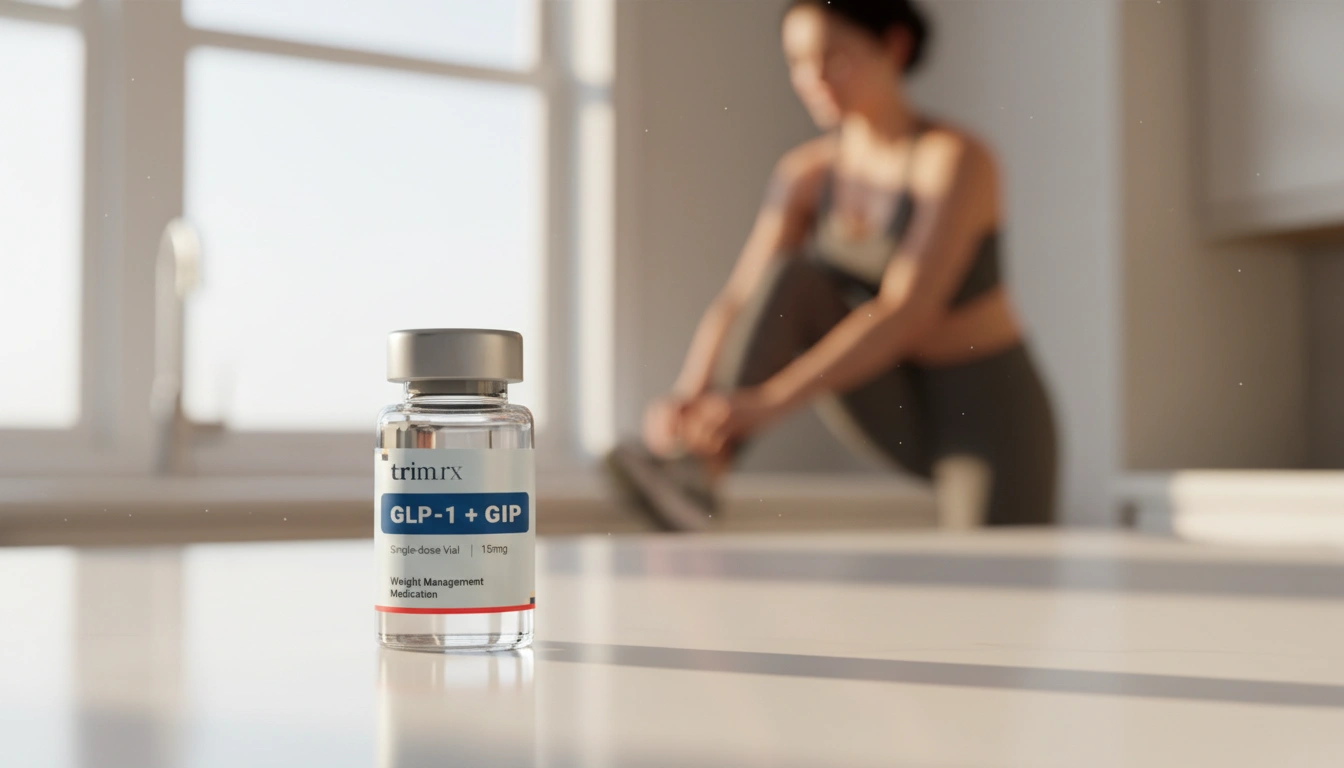
Weight loss changes your body in ways that go well beyond the number on the scale, and your skin is one of the first places those changes show up. On GLP-1 medications like semaglutide and tirzepatide, the skin-related changes people experience are a mix of the expected, the surprising, and the occasionally frustrating. Some are direct effects of the medication. Others are downstream consequences of rapid weight loss, reduced caloric intake, or shifts in nutrition. Understanding which is which helps you respond appropriately rather than assuming everything is a side effect that needs to be waited out.
The Most Common Skin Changes on GLP-1 Medications
Skin Laxity and Looseness
This is the skin change most people on GLP-1 medications eventually encounter, particularly those losing weight at a faster pace. When fat is lost quickly, the skin doesn’t always have time to contract at the same rate. The result is looser skin, most commonly around the abdomen, upper arms, inner thighs, and face.
The degree of skin laxity depends on several factors: how much weight you lose, how quickly you lose it, your age, your genetics, and your skin’s baseline elasticity. Younger skin with more collagen tends to bounce back more readily. Skin that has been stretched significantly over a longer period, or that has less elasticity due to age or prior weight fluctuations, is more likely to remain loose after significant fat loss.
There’s no way to fully prevent skin laxity during rapid weight loss, but staying well hydrated, maintaining adequate protein intake to support collagen synthesis, and incorporating resistance training to build muscle underneath the skin all help minimize the effect. For a closer look at how your body composition shifts during GLP-1 treatment, how your body shape changes on GLP-1 medications covers what’s happening beneath the surface.
Facial Changes
The face often loses fat earlier and more visibly than other areas during GLP-1 treatment. This is commonly referred to as Ozempic face, a term that describes the gaunt or aged appearance some people develop as facial fat pads diminish. The changes are most noticeable in the cheeks, temples, and under the eyes.
Not everyone experiences significant facial changes, and for many people the effect is subtle. But for those who do notice it, the shift can feel disproportionate to the rest of their weight loss. Understanding what’s driving it, and what can be done about it from a skincare and aesthetic perspective, is worth knowing early rather than after the fact. Ozempic face: how to prevent and minimize facial changes goes into this in detail.
Dry Skin
Reduced caloric intake, lower fat consumption, and dehydration all contribute to drier skin on GLP-1 medications. When you’re eating significantly less than before, you’re also consuming fewer of the fatty acids, vitamins, and minerals that support skin barrier function. Omega-3 fatty acids, vitamin E, and zinc are particularly important for skin hydration and tend to drop when overall food intake decreases.
Practically, this means some people notice their skin feeling tighter, flakier, or more prone to irritation than before they started treatment. A consistent moisturizing routine, adequate water intake, and attention to nutritional quality within a reduced-calorie diet can address most of this. If dry skin is significant, checking whether your fat intake has dropped too low is worth doing, healthy fats from avocado, olive oil, nuts, and fatty fish support skin health directly.
Injection Site Reactions
Localized skin reactions at the injection site are among the most commonly reported skin-related side effects of GLP-1 medications. These include redness, itching, bruising, small lumps under the skin, and occasionally more pronounced inflammation. Most injection site reactions are mild and resolve within a day or two.
Rotating injection sites consistently is the most effective way to prevent these reactions from becoming chronic or developing into lipohypertrophy, a hardening of fatty tissue under the skin that can affect medication absorption. Injecting into the same spot repeatedly is the primary cause, so developing a rotation routine early in treatment prevents most of these issues.
Acne or Skin Breakouts
Some people report new or worsening acne after starting GLP-1 medications, particularly in the early weeks of treatment. The mechanism isn’t fully established, but hormonal shifts associated with rapid weight loss, changes in insulin levels, and dietary changes all likely play a role. In people with PCOS, where hormonal acne is already common, the initial weeks of treatment can sometimes see a temporary worsening before insulin sensitivity improvements begin to help.
For most people, breakouts associated with GLP-1 initiation are temporary. If they persist beyond the first few months, it’s worth discussing with a dermatologist, particularly if they’re significant or painful.
Hair Thinning
Hair thinning is not strictly a skin issue, but it shows up in the same conversation because it’s one of the more emotionally significant physical changes people notice on GLP-1 medications. Telogen effluvium, the medical term for stress-related hair shedding, is triggered by rapid weight loss, caloric restriction, and nutritional deficiencies, particularly protein, iron, zinc, and biotin.
The shedding typically begins two to four months after the period of rapid weight loss or nutritional stress, which is why many people don’t connect it to their medication immediately. It is almost always temporary, and hair regrowth follows once nutritional intake stabilizes. Ensuring adequate protein is the single most important factor in minimizing hair loss on GLP-1 treatment.
What the Research Shows
A 2023 review published in the Journal of the American Academy of Dermatology examined dermatological effects reported in GLP-1 receptor agonist users across multiple clinical trials. The review found that injection site reactions were the most consistently reported skin-related adverse event, occurring in roughly 5 to 10 percent of users. The authors also noted emerging evidence suggesting GLP-1 receptors are present in skin cells and hair follicles, raising the possibility of direct medication effects on skin biology beyond what weight loss alone would explain. Research in this area is ongoing.
(Drucker DJ et al., Journal of the American Academy of Dermatology, 2023, https://pubmed.ncbi.nlm.nih.gov/36870653/)
Skin Changes That Are Actually Improvements
Not all skin changes on GLP-1 medications are negative. Several improvements are worth noting.
Reduced inflammation associated with weight loss often shows up in the skin as clearer complexion, reduced redness, and improvement in inflammatory skin conditions like psoriasis and rosacea. Insulin resistance, which GLP-1 medications directly address, is associated with acanthosis nigricans, a darkening and thickening of skin in body folds. As insulin sensitivity improves, this condition often improves alongside it.
People with conditions like PCOS frequently report skin improvements, including reduced hormonal acne and less pronounced skin tags, as insulin levels normalize on GLP-1 treatment.
Supporting Your Skin During GLP-1 Treatment
A few practical habits make a meaningful difference in how your skin responds to GLP-1 treatment.
Prioritize protein. Collagen synthesis, skin elasticity, and hair retention all depend on adequate protein. Aiming for at least 25 to 30 grams per meal is a reasonable target. How much protein you need on Ozempic or semaglutide covers the specifics in detail.
Stay hydrated with electrolytes. Plain water alone isn’t always enough when intake is significantly reduced. Ensuring adequate sodium, potassium, and magnesium supports skin barrier function alongside general hydration.
Don’t cut healthy fats too aggressively. Dietary fat is not the enemy of weight loss on GLP-1 medications, and cutting it too low has visible consequences for skin dryness and barrier function. Olive oil, avocado, nuts, and fatty fish all contribute to skin health.
Use sunscreen consistently. Skin undergoing rapid change, particularly thinning facial skin, is more vulnerable to UV damage. A daily SPF habit is worth maintaining throughout treatment.
Rotate injection sites every week. Thighs, abdomen, and upper arms are all appropriate sites. Consistent rotation prevents the localized tissue changes that come from repeated injection in the same spot.
If you’re ready to explore GLP-1 treatment and want to find out whether you’re a candidate, take the intake quiz to get started.
This information is for educational purposes and is not medical advice. Consult with a healthcare provider before starting any medication. Individual results may vary.

Transforming Lives, One Step at a Time
Keep reading
GLP-1 Medications and Energy Levels: What to Expect
Fatigue is one of the more common but less discussed experiences people have on GLP-1 medications. You start semaglutide or tirzepatide, your appetite drops,…
How GLP-1 Medications Affect Your Gut Health and Microbiome
When people think about what semaglutide or tirzepatide does to their body, they usually think about appetite suppression and weight loss. What gets less…
How GLP-1 Medications Affect Blood Pressure Over Time
GLP-1 medications lower blood pressure in most patients, and the effect shows up earlier than many people expect. Within the first few months of…


