How GLP-1 Medications Slow Digestion and Why It Matters
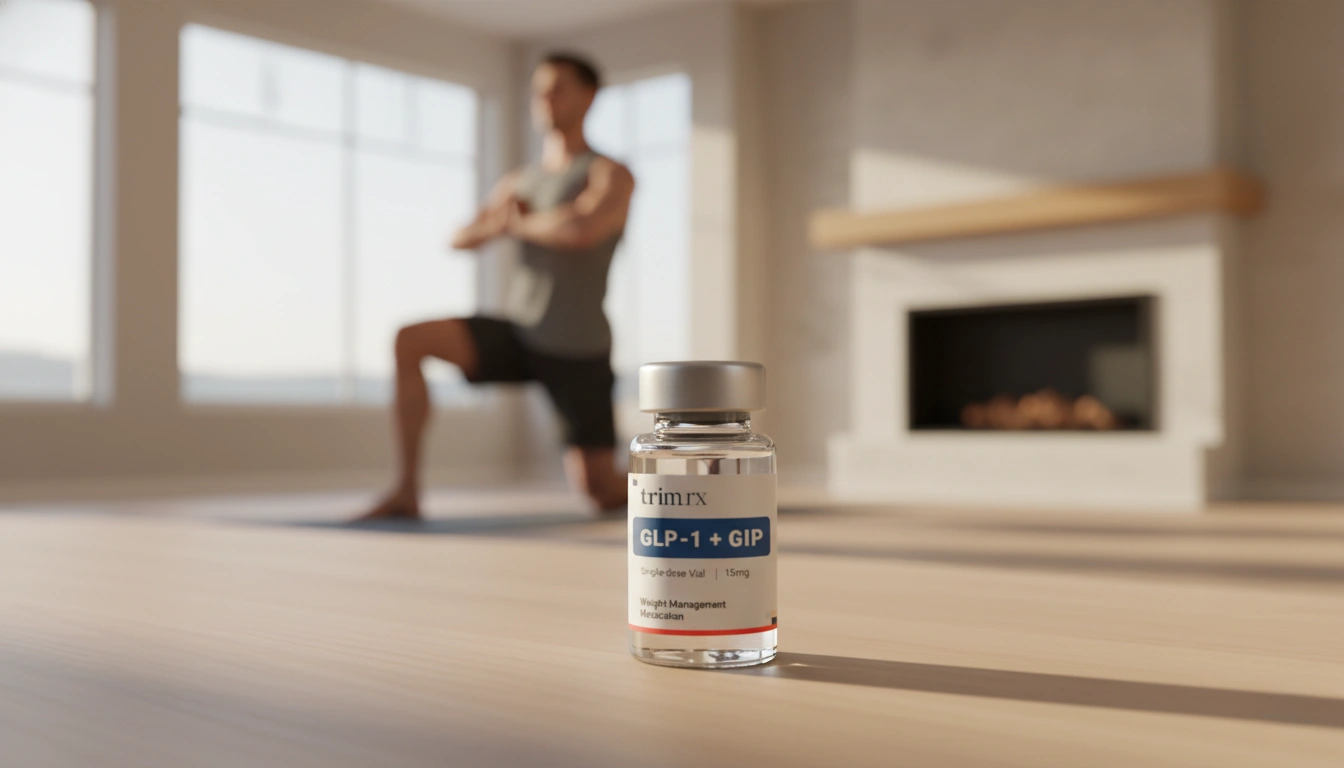
One of the first things people notice on Ozempic or semaglutide is that they feel full faster and stay full longer. That’s not just appetite suppression in the brain. A significant part of what’s happening occurs much lower in the body, in your stomach and digestive tract. GLP-1 medications slow the rate at which food moves from your stomach into your small intestine, a process called gastric emptying, and this mechanism explains a lot: why the medications work, why certain foods cause problems, and why some side effects occur in the first place.
What Gastric Emptying Actually Is
Your stomach isn’t just a storage container. It’s an active processing organ that churns food, mixes it with digestive acids, and then releases it gradually into the small intestine. The rate at which this happens is gastric emptying, and it’s tightly regulated by hormones, the nervous system, and the composition of what you ate.
Faster gastric emptying means nutrients enter the bloodstream more quickly, which can cause sharp spikes in blood sugar after meals. Slower gastric emptying means the opposite: a more gradual release of nutrients, a gentler rise in blood sugar, and a prolonged sense of fullness.
GLP-1, the hormone that these medications mimic, naturally slows gastric emptying. When you take a GLP-1 receptor agonist like semaglutide or tirzepatide, you’re amplifying that effect well beyond what your body produces on its own.
How This Contributes to Weight Loss
Delayed gastric emptying contributes to weight loss through a few overlapping mechanisms.
First, when food stays in your stomach longer, stretch receptors in the stomach wall keep sending fullness signals to the brain. You feel satisfied with less food because your stomach is still processing what you ate an hour ago. Consider this scenario: a patient who previously felt hungry again two hours after lunch now finds that same meal keeps them comfortable for four or five hours. That shift in satiety timing alone can meaningfully reduce daily calorie intake without any conscious restriction.
Second, slower digestion blunts post-meal blood sugar spikes. When glucose enters the bloodstream more gradually, insulin demand is lower, energy crashes are less severe, and cravings triggered by rapid blood sugar fluctuations are reduced. For people with insulin resistance or prediabetes, this is particularly valuable. The connection between GLP-1 and blood sugar regulation goes beyond digestion as well. How Ozempic Affects Your A1C covers the broader glycemic picture.
Third, the prolonged presence of food in the stomach reinforces the brain-based appetite suppression that GLP-1 medications also produce. The gut and brain are in constant communication via the vagus nerve, and delayed gastric emptying keeps that “I’m still full” signal active longer. For more on the hormonal side of this, How Semaglutide Affects Your Hunger Hormones explains the full picture.
Why This Mechanism Also Causes Side Effects
The same mechanism that makes GLP-1 medications effective is responsible for the most common complaints patients experience, particularly in the early weeks of treatment.
Nausea is the most frequently reported side effect, and delayed gastric emptying is a primary driver. When food lingers in the stomach longer than usual, the stomach can feel overly full, uncomfortable, or unsettled, especially after larger meals or fatty foods. This is why most providers recommend eating smaller portions, chewing thoroughly, and avoiding high-fat meals when starting a GLP-1 medication.
Bloating, belching, and a heavy feeling after eating are also common, again because the stomach is holding food longer. Some patients experience vomiting if they eat too quickly or consume a meal larger than their now-slower stomach can comfortably manage.
These symptoms tend to be most pronounced in the first four to eight weeks, as the body adjusts. They also tend to be dose-dependent, which is why the standard escalation schedules start at low doses and increase gradually. Pushing the dose too quickly often means amplifying these gastrointestinal effects before the body has had time to adapt.
The Fatty Food Problem
Fat slows gastric emptying on its own. When you combine a high-fat meal with a medication that’s already slowing digestion, the result can be pronounced discomfort. Many patients on semaglutide or tirzepatide report that greasy or fried foods that were previously fine now cause nausea, bloating, or even vomiting.
This isn’t a drug interaction in the traditional sense. It’s two gastric emptying-slowing mechanisms working simultaneously. The practical solution is straightforward: lower-fat meals tend to be much better tolerated, especially in the early months of treatment. Lean proteins, vegetables, and moderate portions of complex carbohydrates generally move through the stomach more comfortably than a high-fat meal would.
Gastric Emptying, Fiber, and Gut Health
Fiber also slows gastric emptying, which raises a reasonable question: does eating more fiber on a GLP-1 medication compound the digestive slowdown and make things worse?
The answer is nuanced. Soluble fiber, the type found in oats, legumes, and most fruits, forms a gel in the digestive tract that slows digestion gently and helps with blood sugar regulation. This effect is generally complementary to what semaglutide is already doing. Insoluble fiber, found in vegetables and whole grains, adds bulk and supports bowel regularity, which can actually help counteract constipation, another common complaint on GLP-1 medications.
The concern is mainly about large amounts of fiber consumed too quickly, which can worsen bloating in someone whose stomach is already emptying slowly. The practical advice is to increase fiber gradually and stay well hydrated. Fiber on Ozempic covers this in detail.
The broader gut health picture is also worth understanding. GLP-1 receptors are present throughout the gastrointestinal tract, not just in the stomach, and the medications appear to influence gut motility, microbiome composition, and intestinal hormone secretion in ways researchers are still studying. How GLP-1 Medications Affect Your Gut Health and Microbiome goes deeper on this.
A Note on Anesthesia and Medical Procedures
Delayed gastric emptying has one clinically important implication beyond side effects: aspiration risk during anesthesia. If food remains in the stomach longer than expected, a patient going under general anesthesia may have residual stomach contents despite following standard fasting guidelines. This has led to updated guidance from anesthesiology societies recommending that patients on GLP-1 medications discuss their medication timing with their surgical team before any procedure requiring sedation or anesthesia. If you have a procedure scheduled, tell your provider you’re on a GLP-1 medication well in advance.
Working With the Mechanism, Not Against It
Understanding that GLP-1 medications slow digestion helps explain why certain eating habits work better on these medications. Smaller, more frequent meals tend to be better tolerated than large ones. Eating slowly and stopping before you feel completely full matters more than it did before. Avoiding trigger foods (high fat, very spicy, carbonated beverages) reduces the likelihood of nausea.
These aren’t arbitrary recommendations. They’re practical adjustments that account for what the medication is doing in your digestive tract. Patients who adapt their eating habits to work with slower gastric emptying generally report far fewer side effects and better overall experience on treatment.
For practical guidance on navigating food choices while on semaglutide, Managing Carbs on Semaglutide and Eating Out on Ozempic are both worth reading.
If you’re ready to explore whether a GLP-1 medication is right for you, start your assessment at TrimRx and connect with a clinician who can walk you through what to expect.
This information is for educational purposes and is not medical advice. Consult with a healthcare provider before starting any medication. Individual results may vary.

Transforming Lives, One Step at a Time
Keep reading

GLP-1 Medications for Women Over 50: Menopause and Metabolism
By the time most women reach their 50s, they’ve already tried the standard advice. Eat less, move more, cut carbs, try intermittent fasting. Sometimes…

GLP-1 Medications for Women Over 40: What to Expect
Something shifts in your 40s. The eating habits that kept your weight stable in your 30s stop working. The scale creeps up despite no…
GLP-1 Medications and Immune Function: What Patients Should Know
When people start semaglutide or tirzepatide, immune function is rarely on their radar. Weight loss, blood sugar control, maybe cardiovascular risk — those are…


