How Long Can Semaglutide Compound Be Out Of The Fridge?
Introduction
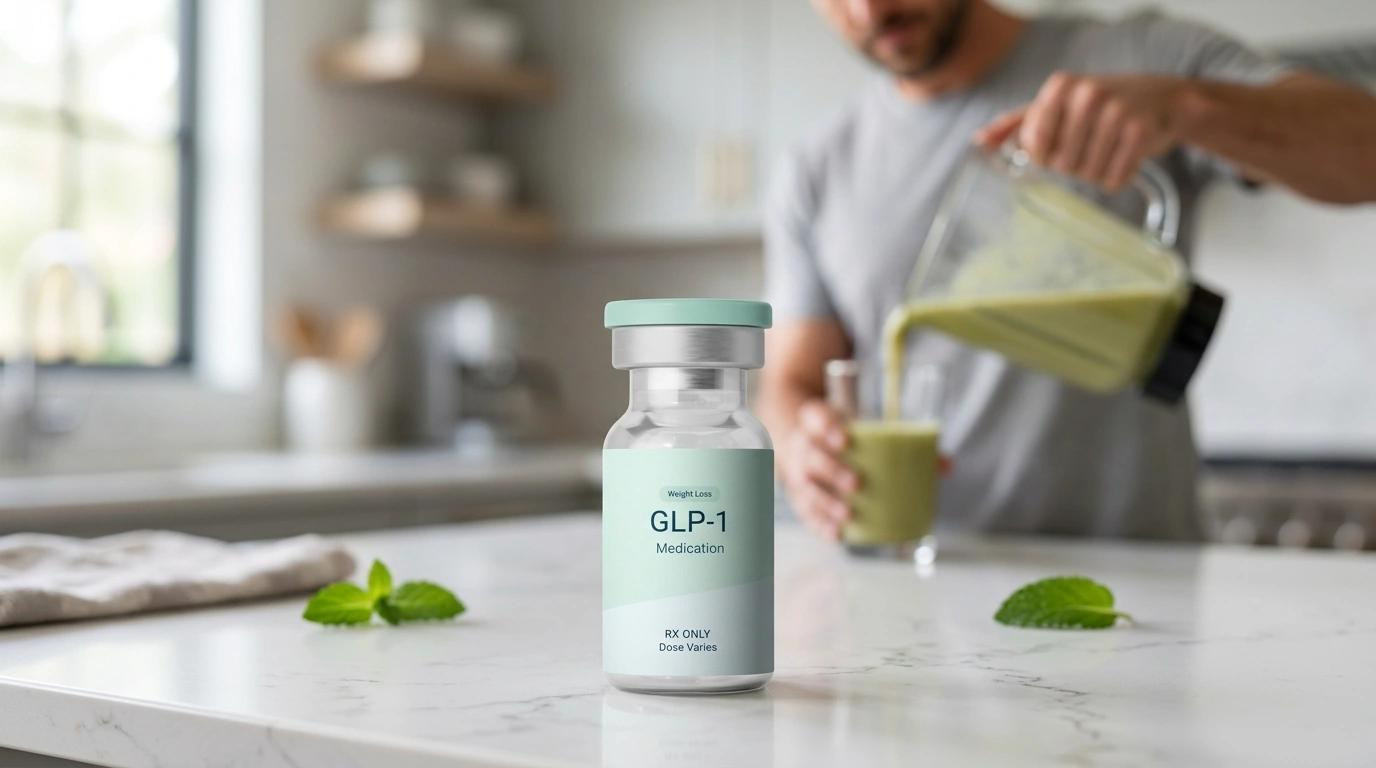
Finding the right rhythm for your weight loss journey often involves more than just dietary changes and exercise routines; it requires mastering the logistics of your medication. If you have recently started a program involving compounded semaglutide, you may have found yourself staring at a vial on your counter, wondering if leaving it out for an hour—or overnight—has ruined its potency. These are valid concerns because semaglutide is a delicate peptide that relies on specific environmental conditions to stay effective.
At TrimRx, we believe that transparency and education are the cornerstones of a successful health transformation. Understanding the “why” behind storage requirements helps you protect your investment in your health and ensures the medication works exactly as intended. If you are still deciding whether a personalized program is the right fit, you can take the free assessment quiz to get started. This article will cover the specific storage requirements for compounded semaglutide, how it differs from branded options like Ozempic® or Wegovy®, and what steps you should take if your medication is exposed to room temperature for an extended period.
Understanding Semaglutide and Stability
To understand why refrigeration is so important, it helps to know what semaglutide actually is. Semaglutide belongs to a class of medications called glucagon-like peptide-1 (GLP-1) receptor agonists. In plain English, a GLP-1 receptor agonist is a molecule designed to mimic a hormone your body naturally produces in the gut. This hormone signals your brain that you are full, slows down how quickly your stomach empties, and helps regulate blood sugar.
Because semaglutide is a peptide—essentially a string of amino acids—it is structurally fragile. Peptides are sensitive to their environment, specifically heat, light, and even physical agitation. For a broader overview of the hormone pathway itself, our guide on what GLP-1 is and how it works is a helpful companion read.
When the molecular structure of semaglutide breaks down, it doesn’t necessarily become “toxic,” but it does become less effective. This means the medication might not manage your appetite or blood sugar as well as it should, potentially stalling your progress.
Storage Guidelines for Compounded Semaglutide
Compounded semaglutide is prepared by licensed pharmacists in specialized facilities to meet specific patient needs. Because these formulations may vary slightly in their ingredients or concentrations compared to mass-produced branded versions, following the specific label on your vial is the most important rule.
The standard recommendation for compounded semaglutide is to store it in the refrigerator at a temperature between 36°F and 46°F (2°C to 8°C).
While most pharmacies recommend keeping the medication refrigerated at all times to maximize its shelf life, life happens. You might leave it out after an injection, or a power outage might occur.
How long is too long?
Generally, compounded semaglutide can often remain at room temperature—specifically below 86°F (30°C)—for short periods. Many compounding pharmacies indicate that the medication can remain stable at room temperature for up to 14 to 28 days once it has been “in use,” but this is not a universal rule.
- Unopened Vials: These should stay in the fridge until you are ready for your first dose.
- Opened/In-Use Vials: These are most stable in the fridge, but short durations at room temperature (such as an hour or two during your morning routine) are typically not a cause for alarm.
- The 28-Day Rule: For many compounded formulations, 28 days is the threshold where stability begins to decline significantly if the medication is not kept cold.
For a related look at fridge timing and handling, see our article on how long semaglutide lasts in the fridge.
The Importance of the Beyond-Use Date (BUD)
Unlike branded medications that have “expiration dates” (which are determined through extensive long-term stability testing by the manufacturer), compounded medications have a Beyond-Use Date (BUD).
The BUD is the date after which a compounded preparation should not be used. This date is determined by the pharmacist based on:
- The nature of the drug and its stability.
- The presence of preservatives.
- The type of container it is stored in.
- The risk of microbial growth.
For compounded semaglutide, the BUD is usually between 30 and 90 days from the date it was prepared. Refrigeration is the primary factor that allows the medication to remain stable up until that BUD. If the medication is left out of the fridge for several days, that BUD may no longer be accurate, and the medication may lose potency much faster.
Comparing Storage: Branded vs. Compounded
It is common for patients to see storage instructions for branded medications online and assume they apply to compounded versions. However, there are key differences.
| Medication Type | Refrigeration Before First Use | Room Temperature Limit (After First Use/Opening) |
|---|---|---|
| Ozempic® (Branded) | Required (36°F–46°F) | Up to 56 days (up to 86°F) |
| Wegovy® (Branded) | Required (36°F–46°F) | Up to 28 days (up to 86°F) |
| Compounded Semaglutide | Required (36°F–46°F) | Variable; usually 14–28 days (must check label) |
Branded medications like Ozempic® and Wegovy® are manufactured by Novo Nordisk and have been tested for stability in very specific pre-filled pen injectors. Compounded semaglutide, while containing the same active ingredient, is often dispensed in multidose glass vials. These vials do not always have the same level of protection against room-temperature degradation as the branded pens, which is why clinical providers often urge a more cautious “fridge-only” approach for compounded versions.
What Happens if Compounded Semaglutide Gets Too Warm?
If your semaglutide is exposed to heat—such as being left in a hot car, sitting in direct sunlight on a windowsill, or being near a stove—the degradation happens rapidly.
What to look for:
- Cloudiness: Semaglutide should be a clear, colorless liquid. If it looks cloudy or milky, it has likely spoiled or been contaminated.
- Particles: If you see any small “flakes” or particles floating in the liquid, do not use it. This is a sign that the proteins have clumped together (precipitated).
- Discoloration: Any yellowing or brownish tint is a clear signal of chemical breakdown.
If you want a more complete look at how these temperature changes affect the medication, our guide on how long compounded semaglutide can stay out of the fridge covers the topic in more detail.
Best Practices for Handling and Travel
Maintaining the “cold chain”—the uninterrupted refrigerated path from the pharmacy to your body—is the best way to ensure your treatment works. We provide a telehealth-first model that includes shipping from FDA-registered, inspected compounding pharmacies that use insulated packaging and cold packs to maintain this chain until it reaches your door.
Step-by-Step: Managing Your Medication at Home
Step 1: Inspect on arrival. When your shipment arrives, check that the cold packs are still cool (they don’t have to be frozen, but they shouldn’t be hot). Put the vial in the refrigerator immediately.
Step 2: Choose the right spot in the fridge. Do not store your medication in the refrigerator door. The temperature in the door fluctuates every time you open it. Instead, place it on a middle shelf toward the back, but not so far back that it touches the cooling element and freezes.
Step 3: Minimize time out of the fridge. When it is time for your weekly dose, take the vial out, draw your dose, and put the vial back immediately. There is no need to let the vial “warm up” to room temperature for a long time.
Step 4: Protect from light. Keep the vial in its original box or a dark container. Light can be just as damaging as heat to sensitive peptides like semaglutide.
Traveling with Semaglutide
Many people worry that a weight loss program will restrict their ability to travel. This isn’t the case, but it does require a bit of planning.
- For Air Travel: Always keep your medication in your carry-on luggage. The cargo hold of a plane can experience extreme temperature shifts (either freezing or very high heat) that will ruin the medication. Additionally, you want to keep your medication with you in case your checked luggage is lost.
- Use a Travel Cooler: Small, insulated insulin carrying cases with gel packs are perfect for semaglutide. They are designed to keep medication between 36°F and 46°F for several hours.
- Hotel Stays: As soon as you arrive, place your vial in the hotel room mini-fridge. Be careful, as some mini-fridges are prone to freezing. Check the temperature setting first.
- Road Trips: Never leave your medication in a parked car, even for a few minutes. The “greenhouse effect” inside a car can push temperatures well above 100°F very quickly.
Safety First: When to Toss Your Medication
If you realize your medication has been left out, don’t panic. First, determine how long it was out and what the temperature was in the room.
- If it was out for less than 24 hours at normal room temp (under 75°F): Most clinical experts agree that the medication is likely still safe to use, though you should check for the visual signs of spoilage mentioned earlier.
- If it was exposed to high heat (above 86°F) for any amount of time: The risk of degradation is high. It is safer to replace the vial than to risk an ineffective treatment.
- If it has frozen: This is a “zero tolerance” situation. If semaglutide freezes, the structure of the peptide is destroyed. Even if it thaws and looks clear, it will likely not work. Never use semaglutide that has been frozen.
If you are unsure whether your next step should be replacing your medication or continuing your plan, the quickest way to get guidance is to complete the free assessment quiz and connect with a personalized program.
Supporting Your Journey Beyond the Vial
While proper storage is critical, medication is just one piece of the puzzle. At TrimRx, we focus on a comprehensive approach to metabolic health. This includes ensuring your body has the right nutrients to manage potential side effects and support sustainable weight loss.
For example, many individuals on GLP-1 medications find that their appetite decreases so significantly that they struggle to get enough essential vitamins. In these cases, we often suggest our GLP-1 Daily Support supplement, which is designed to fill nutritional gaps that can occur during a caloric deficit. Similarly, if you feel your energy levels dipping, our Weight Loss Boost supplement can provide the metabolic support needed to stay active and focused.
The Role of Personalization in Telehealth
The beauty of a modern telehealth platform is that you aren’t just getting a prescription; you are getting a dedicated support system. Every program we facilitate is personalized based on an individual’s health profile, goals, and medical history. This personalization extends to the advice we provide about medication management.
When you use our platform, you are connected with licensed providers who understand the nuances of compounded medications. They can provide specific instructions based on the exact pharmacy that prepared your medication. Because we utilize FDA-registered and inspected compounding pharmacies, you can trust that the medication was prepared under strict quality standards before it even began its journey to your refrigerator.
Summary of Storage Best Practices
To keep your weight loss journey on track, follow these simple rules for your semaglutide:
- Keep it cold: 36°F to 46°F is the “sweet spot” for stability.
- Keep it dark: Store the vial in its original packaging to block UV rays.
- Check the BUD: Mark your calendar so you never use a vial that has passed its safety date.
- Avoid the freezer: Frozen semaglutide is ineffective semaglutide.
- Monitor appearance: If it’s cloudy, discolored, or contains particles, throw it away.
Conclusion
Managing the storage of compounded semaglutide may seem daunting at first, but it quickly becomes a simple part of your weekly routine. By keeping your medication refrigerated and being mindful of temperature during travel, you ensure that every dose is as potent and effective as the first.
At TrimRx, our mission is to help individuals embrace healthier lifestyles through science, empathy, and a transparent, personalized approach to sustainable weight loss. We believe that by providing you with the right tools and knowledge, we can help you achieve results that last. Whether you are just starting your journey or looking for a more supportive telehealth experience, take the free assessment quiz to see if a personalized, medically supervised weight loss program is right for you.
FAQ
Can I still use semaglutide if I accidentally left it out on the counter overnight?
In most cases, if the room was at a standard temperature (below 75°F), the medication is likely still safe to use for that dose. However, you should return it to the refrigerator immediately and check for any cloudiness or changes in color. If the room was hot or the vial was in direct sunlight, it is best to contact your provider before using it.
Why can some branded pens stay out for 56 days but my compounded vial cannot?
Branded pens like Ozempic® have undergone specific manufacturing and testing processes that allow for longer room-temperature stability. Compounded semaglutide is often stored in glass vials which may not provide the same level of environmental protection. Additionally, the lack of standardized testing for every unique compounded batch means providers usually recommend the safest option: consistent refrigeration.
How do I know if my fridge is the right temperature for my medication?
The best way to be certain is to use a simple refrigerator thermometer. You want the temperature to stay between 36°F and 46°F. Avoid the very back of the fridge where items sometimes freeze, and avoid the door where the temperature is least stable.
What should I do if my semaglutide vial arrived and the ice packs were melted?
Check the temperature of the vial itself. If it still feels cool to the touch, it is generally fine to put it in the fridge and use it. If the vial feels warm or hot, contact the pharmacy or the platform support team immediately. If you need help deciding what to do next, you can take the free assessment quiz for a clearer next step.
Disclaimer: This content is for informational purposes only and does not constitute medical advice. It is not intended to diagnose, treat, cure, or prevent any disease or condition. Individual results may vary. Always consult a qualified healthcare professional before starting any weight loss program or medication.

Transforming Lives, One Step at a Time
Keep reading
Semaglutide vs Tirzepatide: Comparing Weight Loss, Blood Sugar, and Side Effects
Semaglutide and Tirzepatide are one of the most common comparisons in medical weight loss. The two medications share a clear family resemblance. Both are…

How Much Weight Can You Lose on Semaglutide?
How much weight can you lose on semaglutide? The answer varies depending on your starting weight, dosage, treatment duration, and individual response to the…

Hair Shedding Months Into Semaglutide
It shows up in the shower drain first, then on the pillow, then in the brush. By the time most people search this, they…


